

More than 300 individuals have reportedly lost their lives while climbing Mount Everest, with many of them still resting on the mountain.
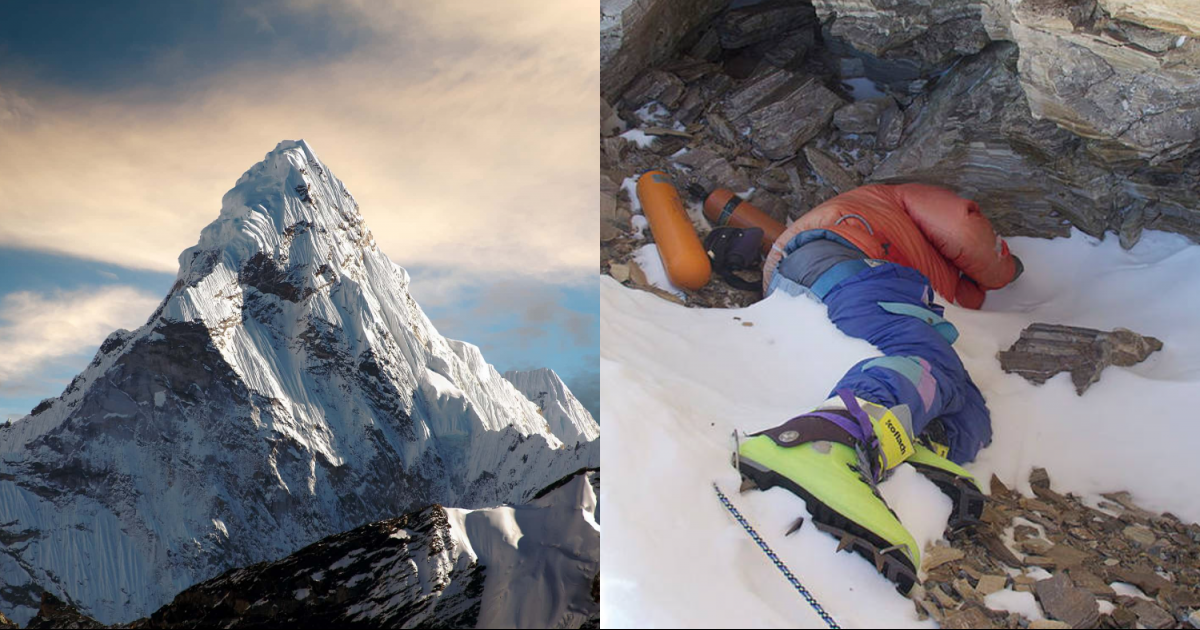
Mount Everest Thaws Revealing The World's Highest Mass Grave With Frozen Corpses
By
Khadija Pervez in
News
On 11th July 2024
advertisement
The melting ice on Mount Everest is rapidly exposing the bodies of climbers who perished while attempting to summit the peak.
Mount Everest has reportedly lost 180 feet of ice in recent years.
The ice on Mount Everest's highest glacier, which took 2,000 years to form, faces a dire prognosis: experts warn it could vanish entirely within the next 25 years.
Discussing Everest's South Col Glacier (SCG), a 2022 report said: "Thinning could occur in 25 years, over 80 times faster than it took to form the ice now exposed at the surface of SCG."
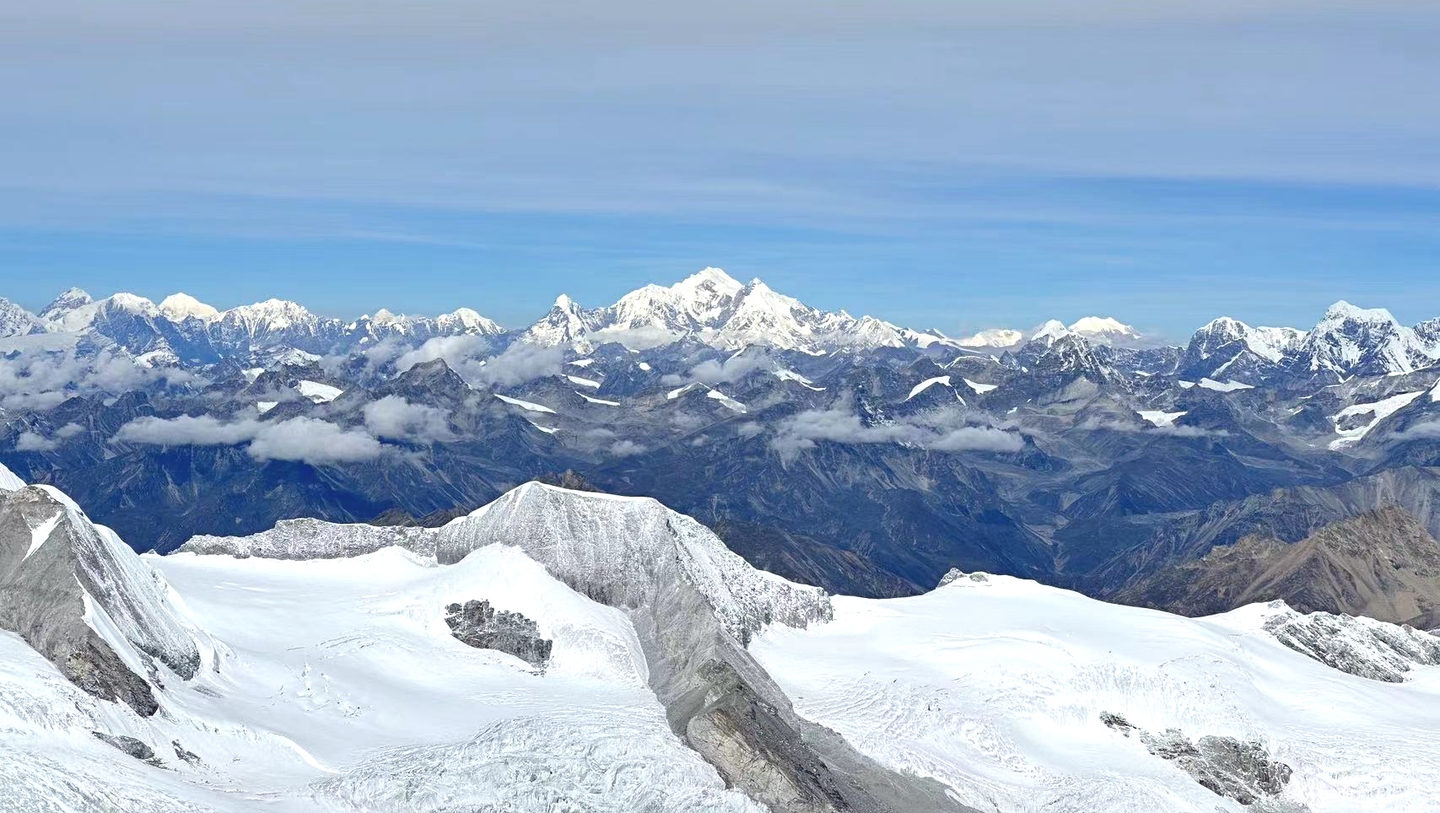
Over 300 people are thought to have died on Mount Everest.
CFOTO/Future Publishing via Getty Images
"Estimated contemporary thinning rates indicate several decades of accumulation may be lost on an annual basis now that glacier ice has been exposed."
advertisement
As Mount Everest continues to thaw, search teams are seizing the opportunity to ascend the 29,032-foot Himalayan peak in a quest to locate hikers who have died on the mountain.
Since the search began earlier this year, CBS reports that five bodies have been discovered.
Two of these bodies have been tentatively identified, pending detailed verification, but all five remain unnamed at this time.
The search team comprises 12 military personnel and 18 climbers who are participating in Nepal's mountain clean-up campaign on Everest
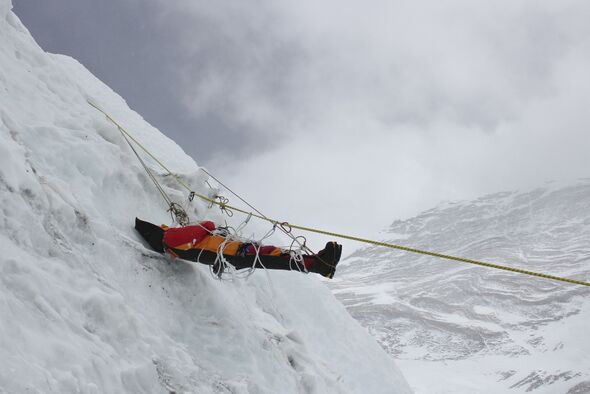
This picture taken on May 16, 2010 shows the corpse of a mountaineer being retrieved by unseen Nepalese sherpas during the Everest clean-up expedition at Mount Everest.
Getty Images
They are currently focusing their efforts on the adjoining peaks of Lhotse and Nuptse, hoping to locate additional deceased hikers.
advertisement
The clean-up campaign has been ongoing since 2019, and this year's expedition started in April.
In addition to recovering the deceased, the issue of trash remains a significant concern on Mount Everest.
advertisement
According to CNN, between 2019 and 2023, a total of 110 tons of waste have been collected as part of the annual clean-up efforts.
Aditya Karki, an officer in Nepal's army who led the search, told the AFP news agency: "Because of the effects of global warming, (the bodies and trash) are becoming more visible as the snow cover thins."
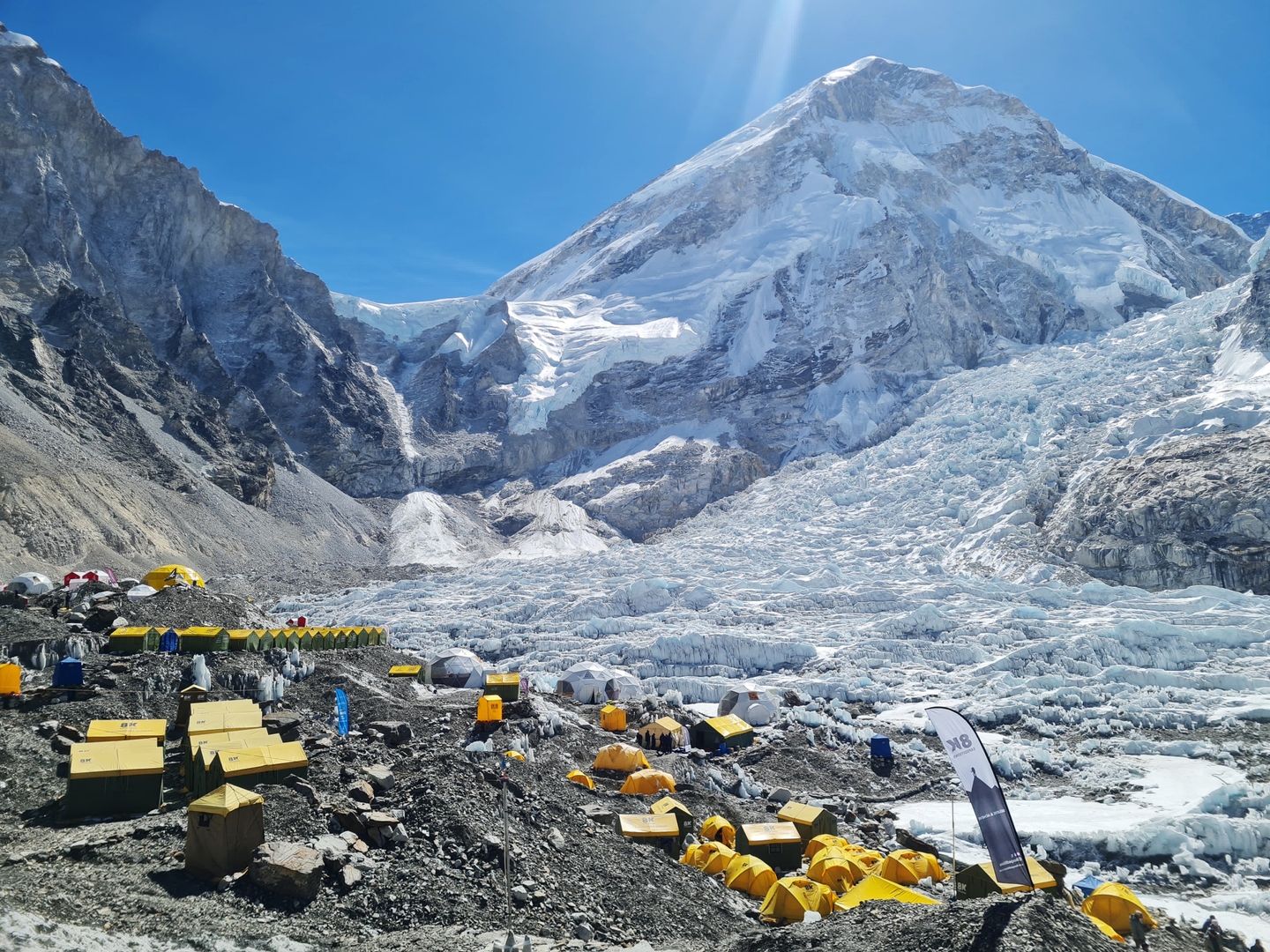
The mountain clean-up takes place annually.
PURNIMA SHRESTHA/AFP via Getty Images
There's a section of Mount Everest often referred to as the 'death zone'.
advertisement
At such extreme altitudes, the human body faces significant challenges, with potentially fatal consequences.
In the 'death zone', climbers are surviving on just one-quarter of the oxygen available at sea level. To cope, the body increases hemoglobin production.
advertisement
However, excessive hemoglobin can thicken the blood, increasing the risk of stroke.
Another danger is hypoxia, where the brain doesn't receive enough oxygen.
advertisement
This condition leads to brain swelling, difficulty concentrating, and often results in vomiting and sickness.
According to the BBC, less than one percent of climbers who ascend beyond Everest's base camp lose their lives.