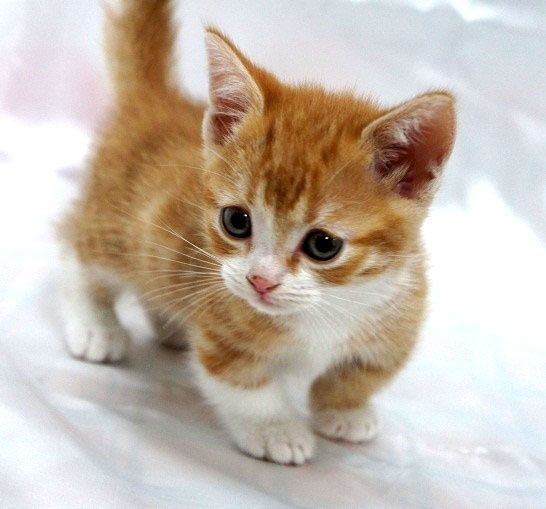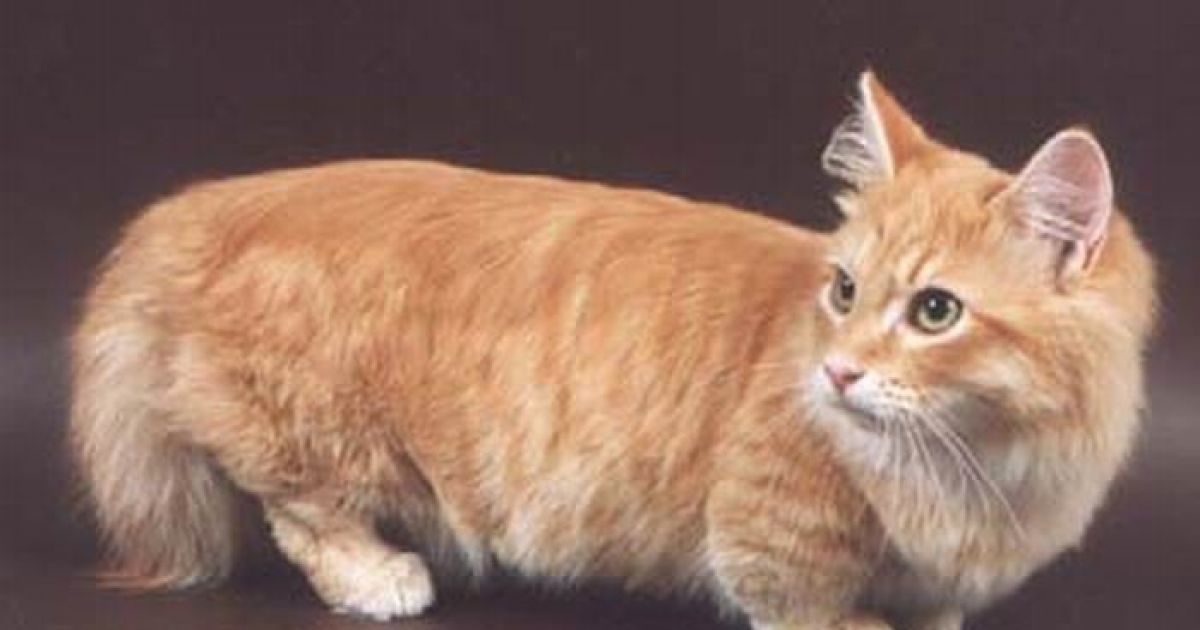
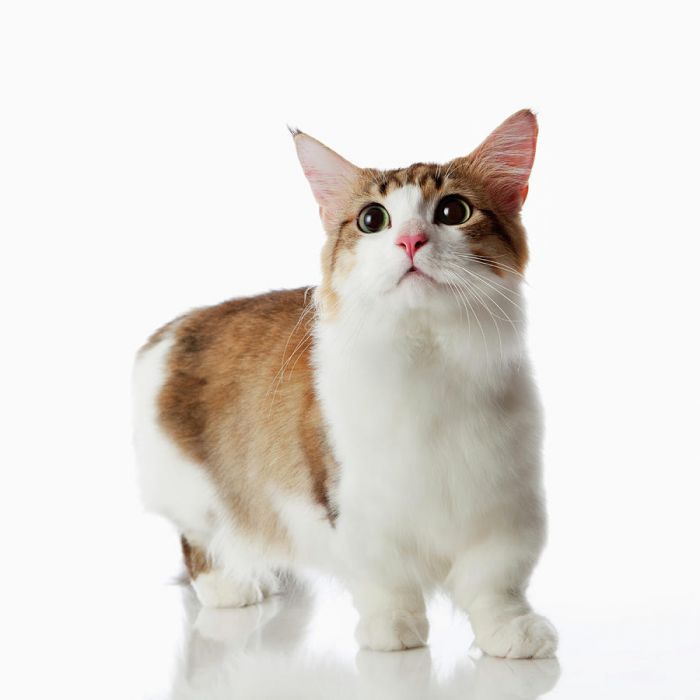
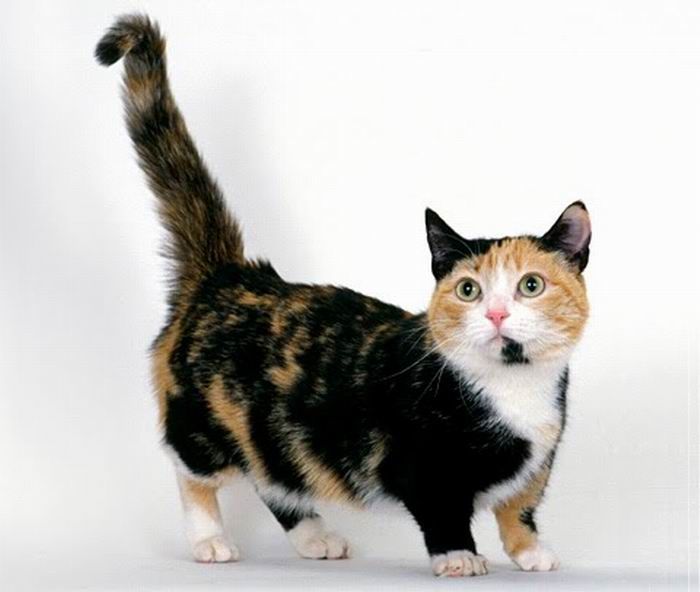
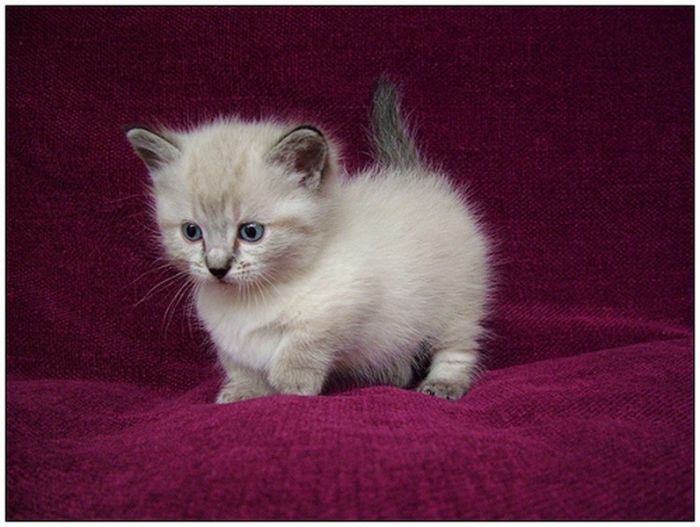
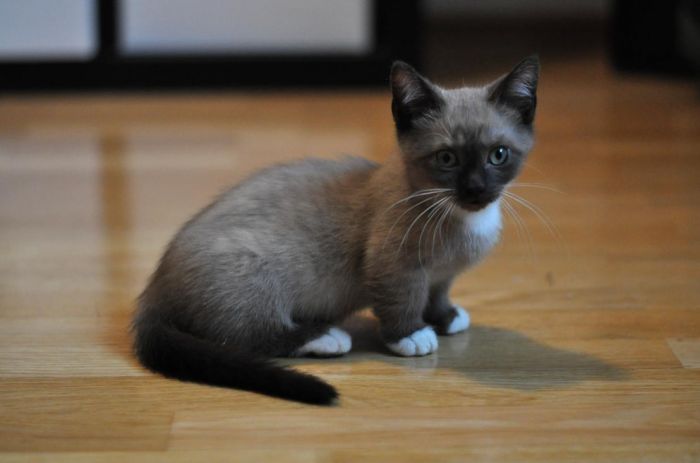
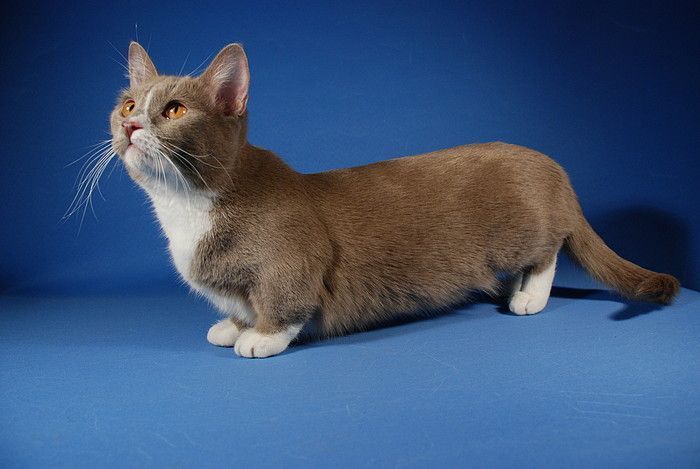
The Munchkin was named after the little people in the Wizard of Oz as they are cats with very short legs.
advertisement
The breed is steeped in controversy, and many cat fanciers do not believe Munchkins should be bred.
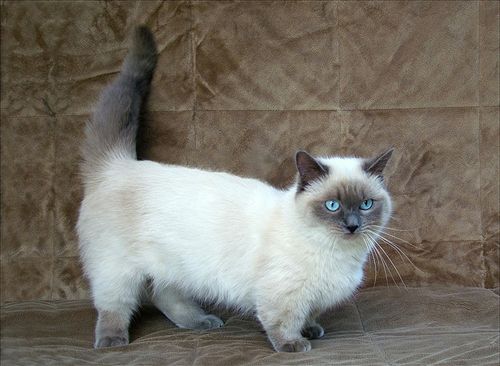
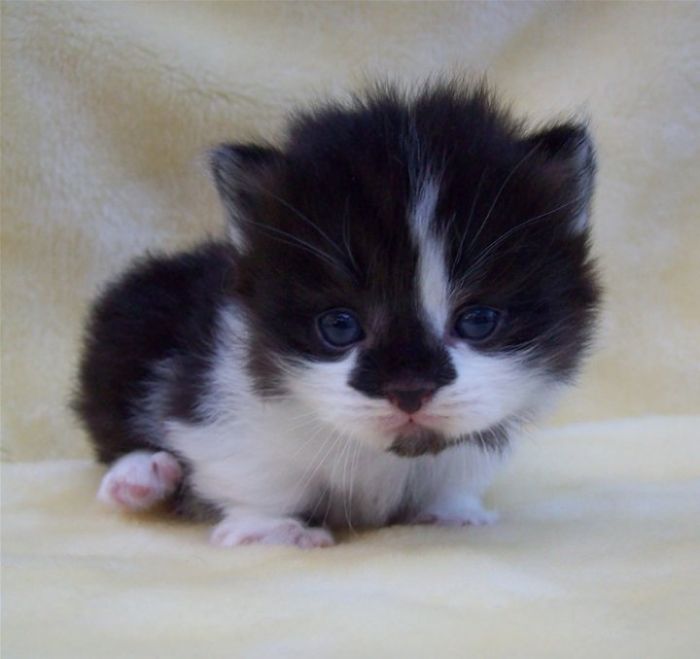
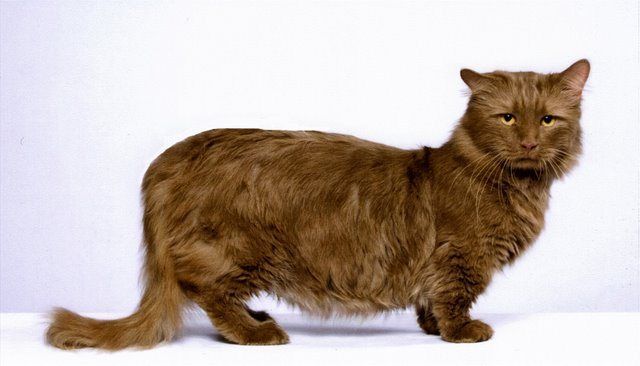
The Munchkin cat is a relatively new breed known for its very short legs, resulting from a genetic mutation.
advertisement
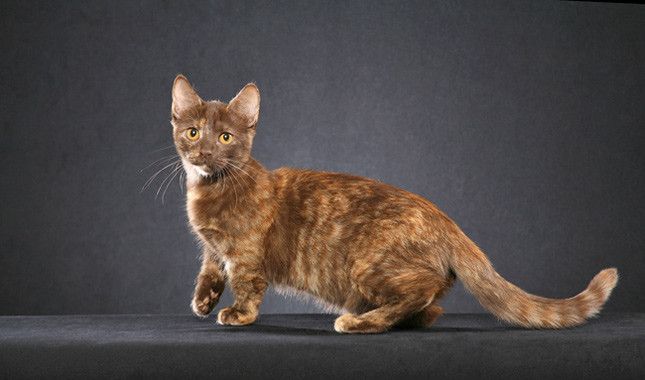
Aside from their distinctive legs
Munchkins resemble any other breed and can come with a long or short coat of almost any colour/pattern imaginable. Shorter-haired Munchkins do not require much grooming but moderate grooming may be necessary for longer-haired cats
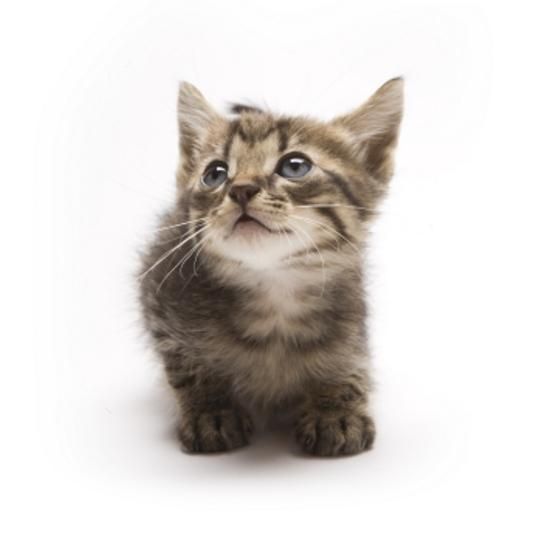
The Munchkin has walnut-shaped, wide-set eyes which, like their coat, can come in almost any colour.
Munchkins are a small-medium breed weighing between 2 and 4 kg and standing around 18 20 cm tall. Their lifespan is around 12 14 years.
advertisement
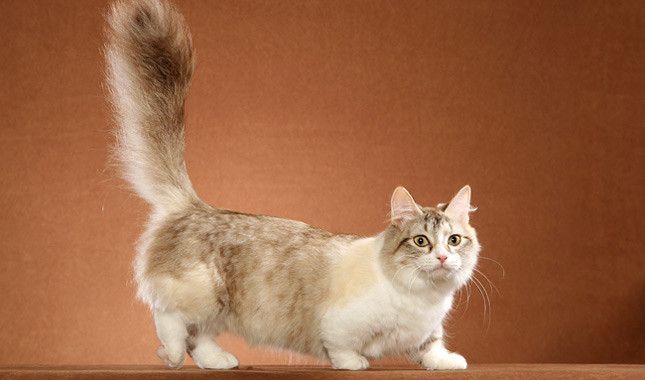
The Munchkin, however, is in no way handicapped by its legs and does have regularly-sized forelegs that are equal in length.
advertisement
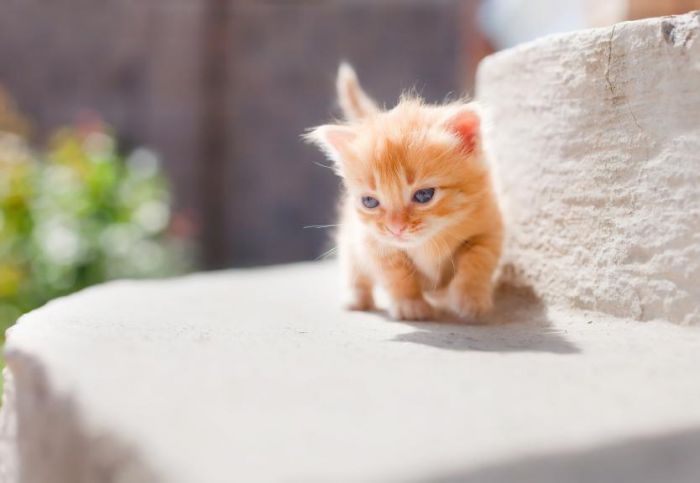
This is a confident and outgoing cat which is not the least bit self conscious about its unusual look.
It loves to play and wrestle with its friends, and is frequently dubbed the magpies of the cat species because it often borrows small, shiny objects and stashes them away for later play. The Munchkin also has a hunter's instinct and will chase mice or anything that moves, but at the end of the day it looks for nothing more than to snuggle into your lap and nag until it is petted.
advertisement
Fanciers assert Munchkins can do anything an ordinary cat can do
except leap to the top of the bookcase. They can get on the kitchen counter, but they take the scenic route. Munchkins are also known as "magpies," often borrowing small, shiny objects and stashing them away for later play. Proficient hunters, Munchkins love a good game of catnip mouse, but when playtime is over, they want a warm lap to snuggle into and strokes from a loving hand, like any domestic.
advertisement
This short-legged breed is the center of a heated debate; the argument: its origin.
Short-legged cats are not new -- they have been seen in England as early as the 1930s -- but many were wiped out during World War II.
advertisement
The modern version of the Munchkin breed was developed in Louisiana in the 1980s.
The breed began when a short-legged tomcat named Talouse bred with feral Domestic Shorthairs around the town of Monroe, creating a population of short-legged cat.
advertisement
By the early 1990s, a group of breeders that had become involved with these cats petitioned The International Cat Association (TICA) for recognition of the breed, which they were calling the Munchkin.
Amid much controversy, the Munchkin was recognized by TICA in 1995. The Cat Fanciers Association (CFA) and the American Cat Fanciers Association (ACFA) do not accept the Munchkin breed because of the ongoing controversy centering around its abnormally short legs.
advertisement
All the controversy surrounding the Munchkin has been beneficial to the breed in one way
it has garnered much media publicity and has become quite a popular cat.
advertisement
Because of the small gene pool, outcrossing will need to occur for many years to keep the breed healthy.
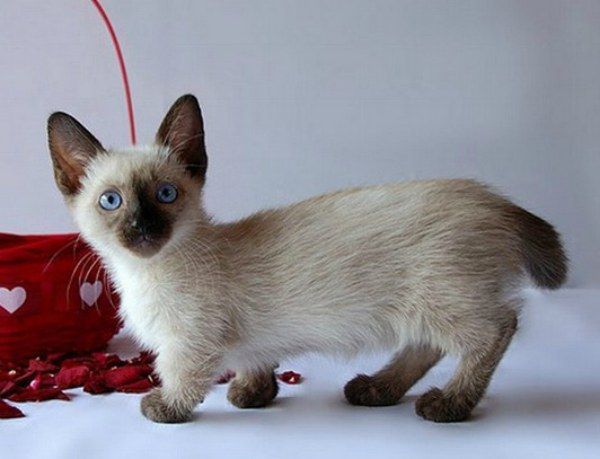
For that reason, the conformation may vary in these early years as new genes are introduced. Any domestic longhair or shorthair that is not a member of a recognized breed is an acceptable outcross. Color, pattern, and hair length will vary as well, and the Munchkin can come in any color or pattern, including the Siamese pattern. Munchkins with long flowing tresses also exist and are recognized by TICA. The conformation for the Munchkin Long-hair is the same except that the Longhair bears a semi-long silky coat that sports a full flowing plume on the tail.
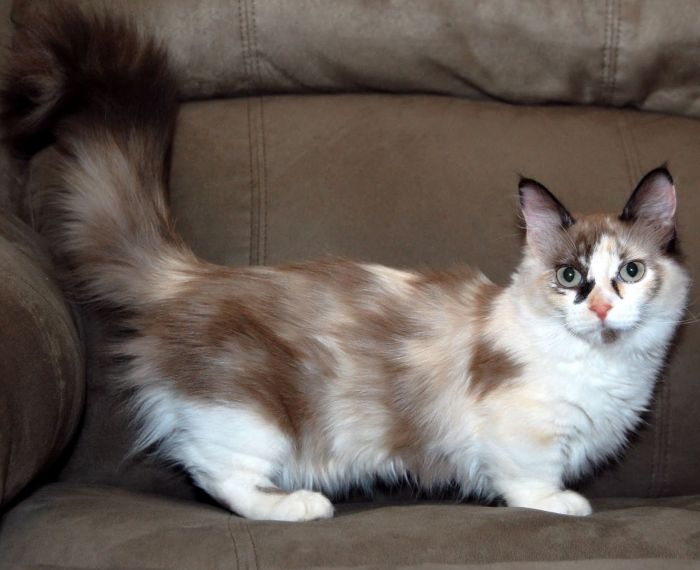
Despite their small stature,
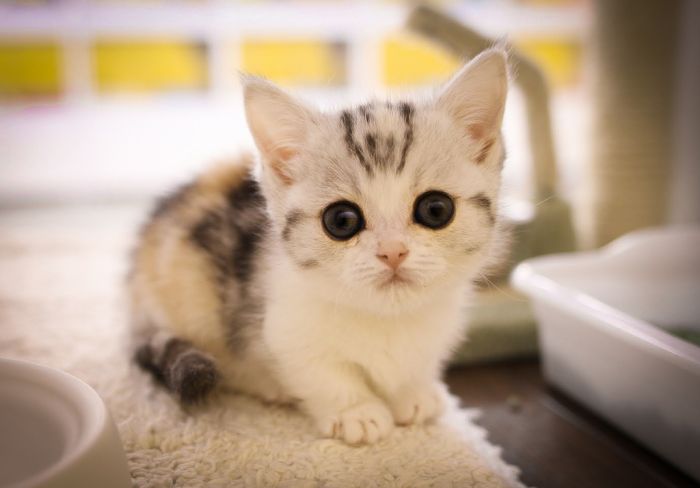
Munchkins have big personalities and carry their kitten-like personality through with them into adulthood. They are playful, outgoing and easy to train.
advertisement
They are very sociable and loving cats
who make fantastic family pets as they get along well with children and other pets.
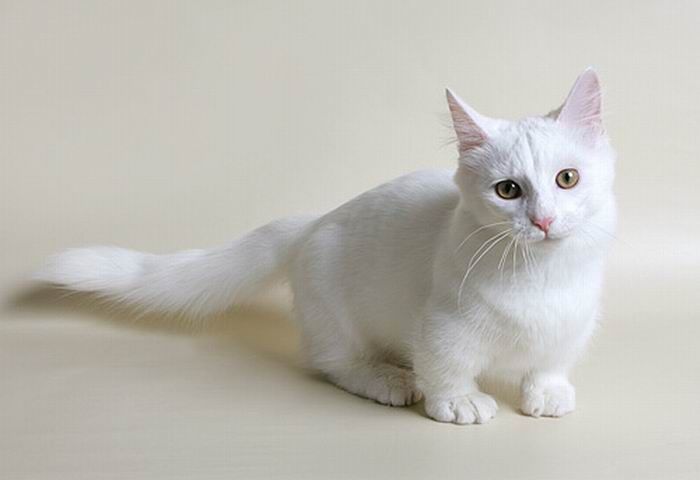
Don’t assume their small size prevents them from doing what cats do best –
Munchkins can run and jump just like any other breed of cat.
advertisement
Munchkins are a typically healthy breed and are not particularly prone to any conditions or diseases.
However, since this is such a young breed, this could change.
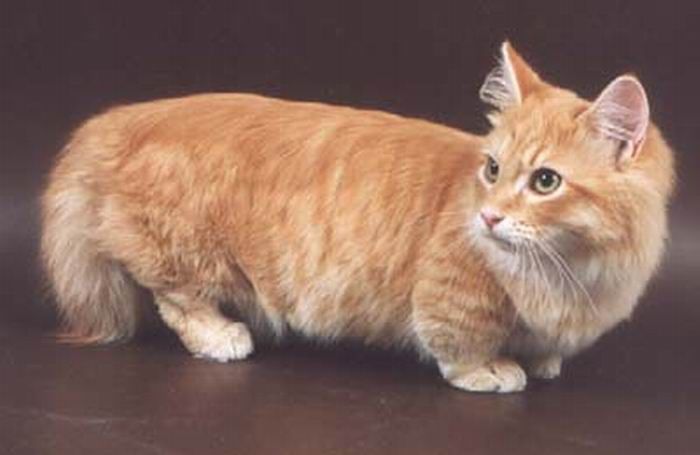
As with Dachshunds and Corgis
Munchkin cat owners should be sure not to overfeed their cat and ensure it gets enough exercise, as obesity could be an issue and could reduce the cat's mobility.
advertisement
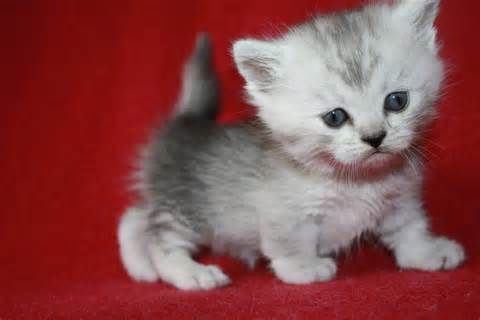
The Munchkin cat is named after the Munchkins from the 1939 film The Wizard of Oz
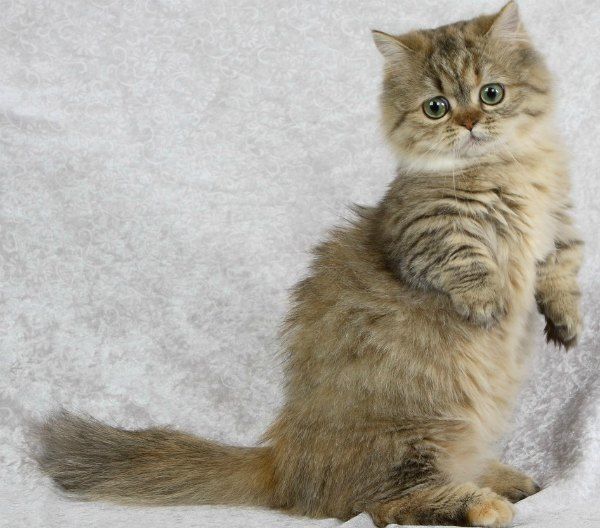
Some people refer to Munchkins as “kangaroo cats”
as they have been known to sit up on their hind legs to get a better view.
advertisement
The Munchkin has been crossed with
the curly-coated LaPerm to create the Skookum, the hairless Sphynx to create the Minskin and Bambino, with the extremely curly-coated Selkirk Rex to produce the Lambkin, the Persian breed group which includes Himalayans and Exotic Shorthair, to create the Napoleon and crossed with the Bengal to create the Genetta.