

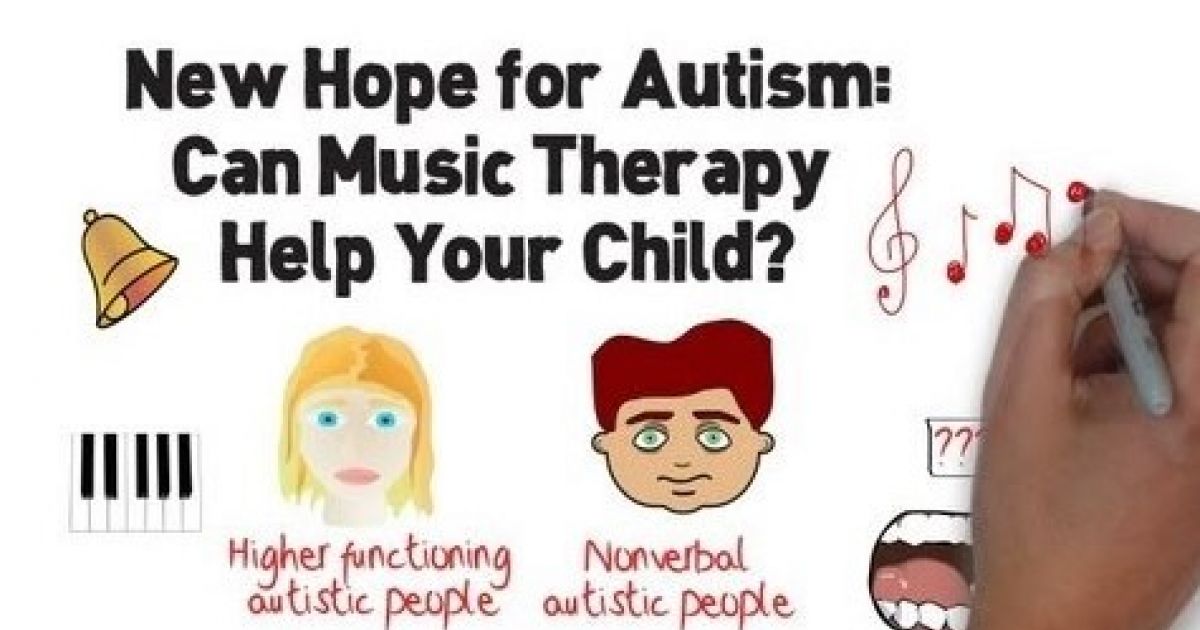
Music Therapy can help people with autism to improve skills in areas such as communication, social skills, sensory issues, behavior, cognition, perceptual/motor skills, and self-reliance or self-determination.
advertisement
What Is Music Therapy?
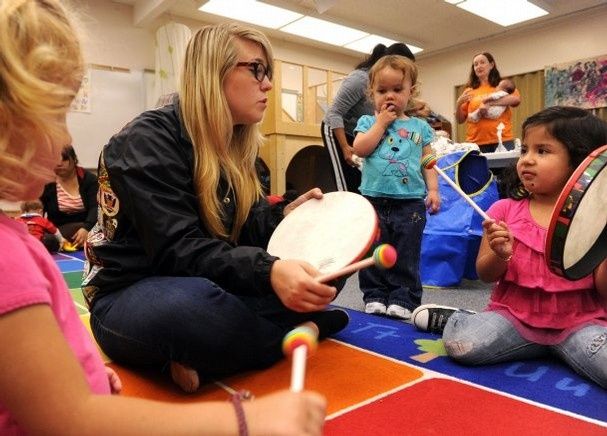
Music is an ancient form of communication, common to every human culture. It requires no verbal abilities, and it can be adapted to meet the needs and tastes of absolutely everyone. Music therapy is a well-established technique for using musical interaction to help individuals with a wide range of cognitive and emotional challenges to improve their ability to function. By interacting with adults and children on the autism spectrum, musical therapists can build skills, lower anxiety, and even develop new communication skills.
Autism and Music Therapy
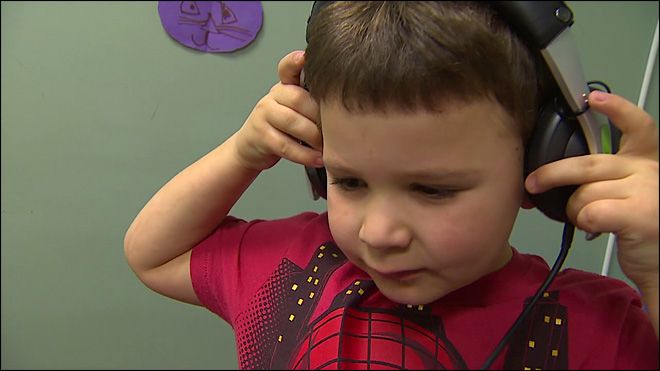
For some children with autism, human contact is threatening, but when music becomes a part of the communication process, children diagnosed with an autism spectrum disorder often begin to relax, focus, and improve in ways that parents, clinicians, and the children themselves find astonishing.
The dramatic improvements in autistic children who receive music therapy has instigated numerous research studies over the past several years, studies that have helped musical therapists develop effective musical interventions and techniques. These advancements have increased the demand for music therapy programs targeting autistic individuals, increasing exposure to this type of treatment in schools, community organizations, and in private practice.
advertisement
What are Autistic Spectrum Disorders?
Autistic disorders are neurodevelopmental conditions characterized by social and communication problems, and restricted interests and behaviors. Because these disorders range in severity, and the problems exhibited by autistic children are highly individualized, the disorders are diagnosed along a spectrum - from low functioning to high functioning individuals.
Why Would a Person with Autism Need to See a Music Therapist?
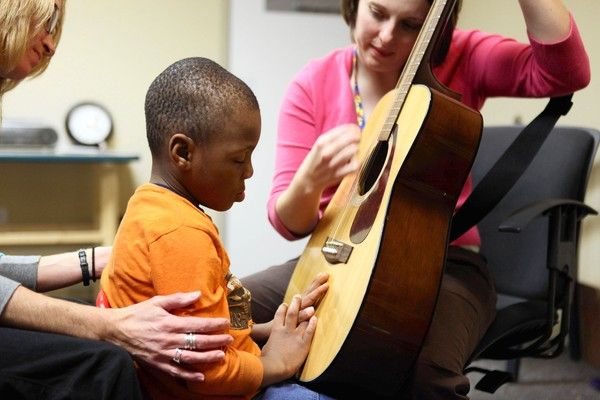
Music Therapy can help people with autism to improve skills in areas such as communication, social skills, sensory issues, behavior, cognition, perceptual/motor skills, and self-reliance or self-determination. The therapist finds music experiences that strike a chord with a particular person, making personal connections and building trust.
advertisement
People on the autism spectrum are often especially interested in and responsive to music.
Because music is motivating and engaging, it may be used as a natural "reinforcer" for desired responses. Music therapy can also help those with sensory aversions to certain sounds to cope with sound sensitivities or individual differences in auditory processing.
advertisement
Music therapy is a great fit with autism for a variety of reasons:
Music encourages social interactions
Music is adaptable to people of all abilities
Music is multi-modal and engages us across multiple domains (motor, communication, cognitive, etc.)
Music provides opportunities for success
Music therapy is adaptable to many autism treatment modalities (ABA, DIR-Floortime, SCERTS, and more.)
Music is FUN and motivating!
advertisement