

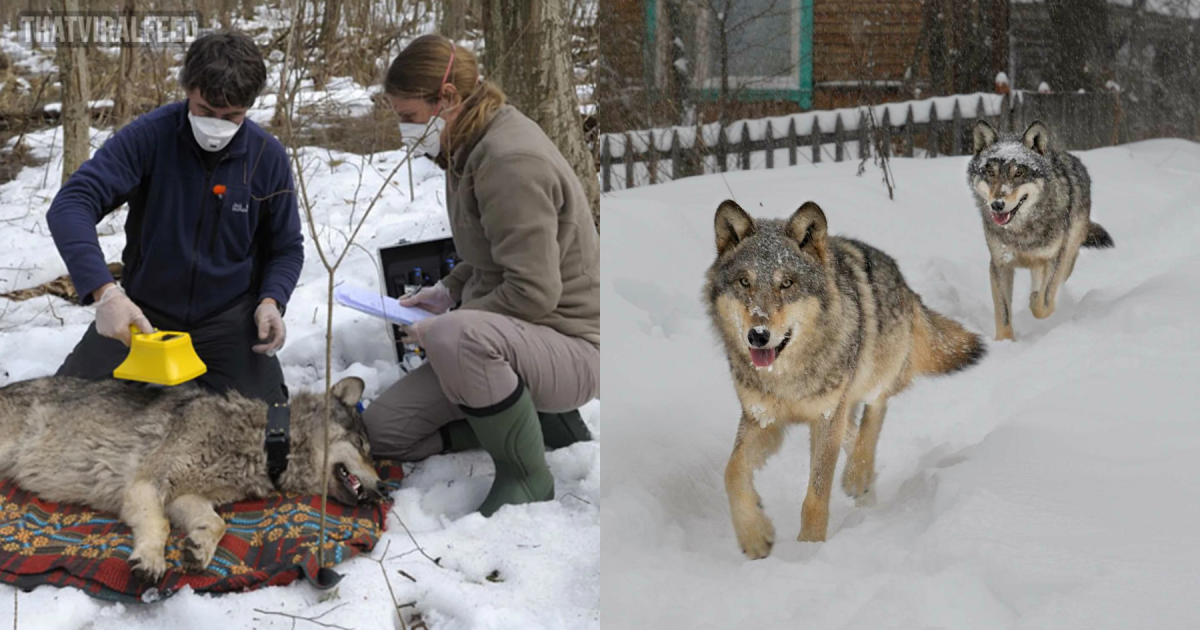
The area surrounding the Chernobyl Nuclear Power Plant, known as the Chernobyl Exclusion Zone, is rumored to be home to 'mutant wolves' that have adapted to survive in conditions that are still heavily influenced by radioactive contamination.
advertisement
Chernobyl remains infamous for hosting one of 'the world's worst nuclear accidents'.
Even though the catastrophic event unfolded nearly four decades ago, the repercussions continue to be felt deeply and widely.
The disastrous explosion in reactor number four of the Chernobyl Nuclear Power Plant, located near Pripyat, Ukraine, in 1986, unleashed a cloud of radioactive material that spread over Ukraine and much of Eastern Europe.
The immediate aftermath of the explosion resulted in the deaths of 31 people.

The Chernobyl disaster in 1986 is known as one of ‘the world’s worst nuclear accidents’.
Credit: SHONE/GAMMA/Gamma-Rapho via Getty Images
Furthermore, despite the evacuation of Pripyat's residents, estimates suggest that an additional 4,000 individuals may have succumbed to or suffered significantly from radiation poisoning in the years that followed.
advertisement
The Chernobyl Exclusion Zone, recognized as one of the most severely radioactively contaminated places on earth, has been largely abandoned.
Entry is highly regulated, allowing only brief visits to prevent the risk of visitors developing cancerous cells due to the elevated radiation levels.
Yet, this seemingly uninhabitable zone has become a surprising haven for wildlife, including a variety of plants and forests, as well as animals that have astonishingly adapted to the perilous conditions.
Among these resilient creatures are the so-called 'mutant wolves'.
advertisement
The wolves in Chernobyl are reportedly exposed to 11.28 milligrams of radiation on a daily basis throughout their lives, a figure that surpasses the legal safety limit for human exposure by more than six times.
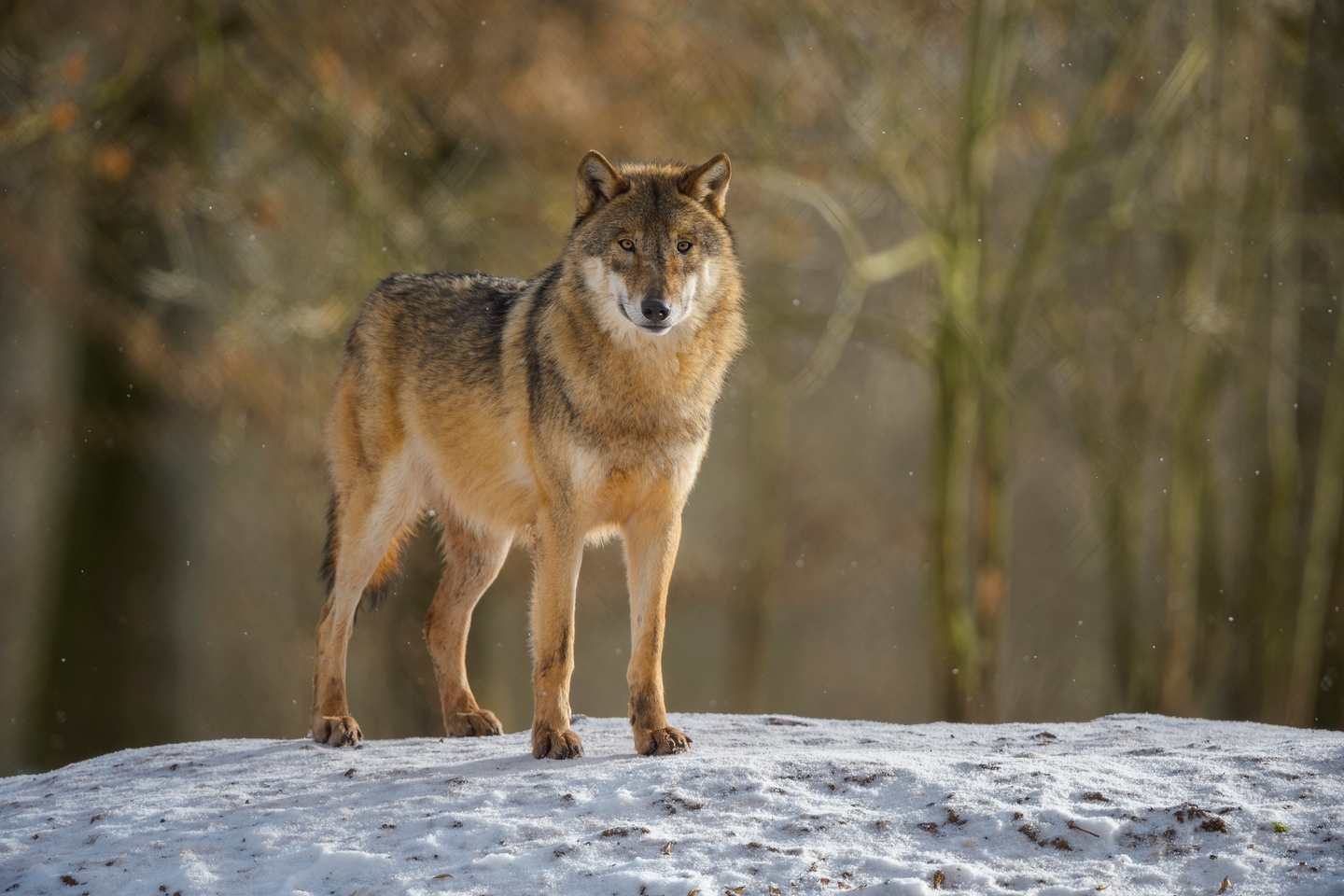
Amazingly, a pack of 'mutant' wolves are able to survive in the radioactive zone.
Credit: Getty Stock Image
The precise mechanisms that enable these wolves to not just survive but seemingly thrive in such a radioactive environment remain partially mysterious.
advertisement
However, it is speculated that these wolves have undergone physiological adaptations, with immune systems that bear resemblance to those of cancer patients undergoing radiation therapy.
Cara Love, an evolutionary biologist and ecotoxicologist working in Shane Campbell-Staton's lab at Princeton University, has been at the forefront of studying these 'mutant wolves'.
advertisement
Her research aims to unravel how these animals manage to live in such harsh conditions.
She shared her intriguing findings at the Annual Meeting of the Society of Integrative and Comparative Biology in Seattle, Washington, last month.
advertisement
In 2014, Love, along with her team, ventured into the Chernobyl Exclusion Zone.
They managed to attach GPS trackers to the wolves and collected blood samples.
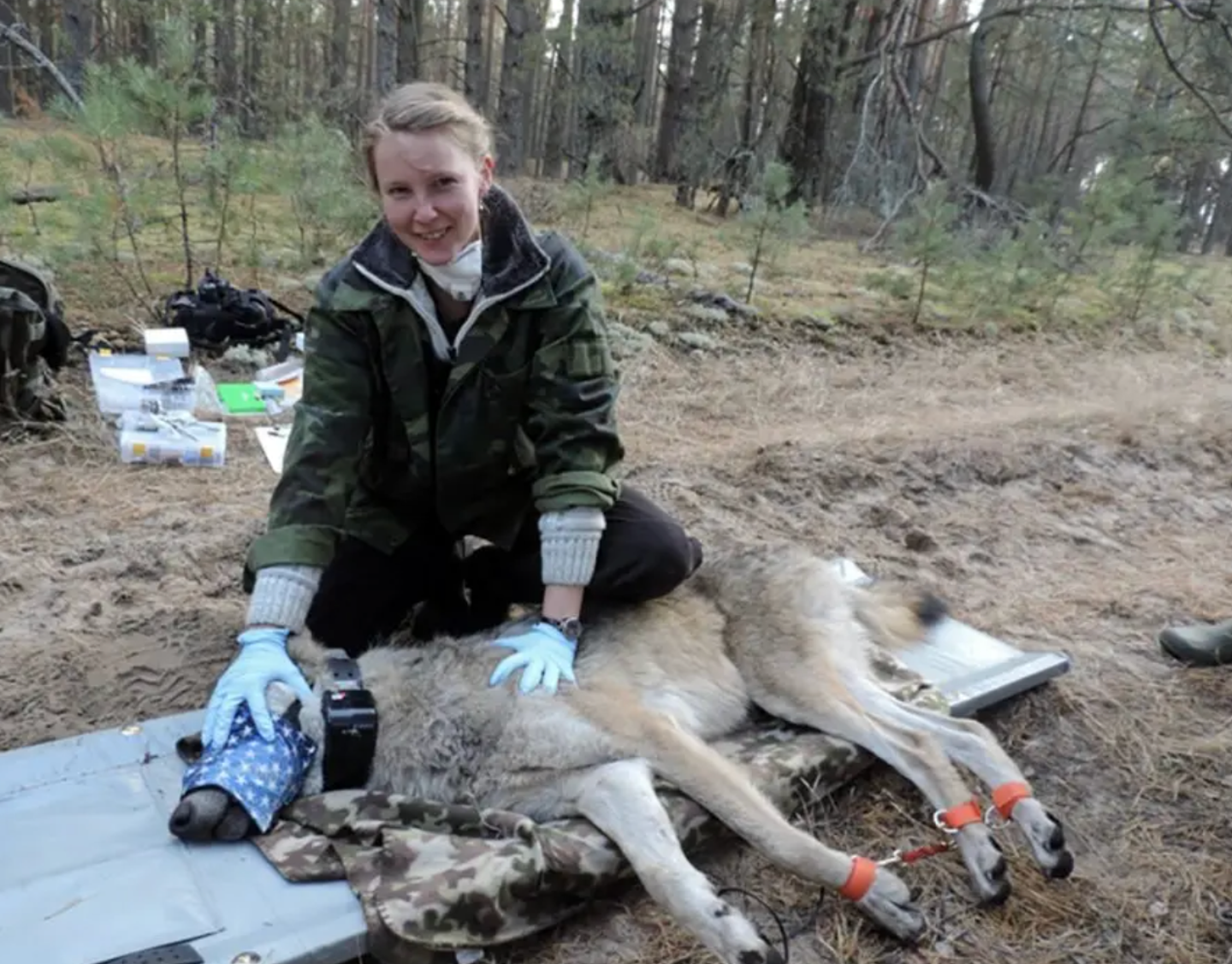
The pack thrive, despite the radioactive conditions.
Credit: FLCC
This effort was part of a broader attempt to understand the wolves' remarkable resilience to the cancer-causing radioactive environment.
advertisement
The ongoing research holds potential implications beyond the study of wildlife.
It could provide valuable insights into human genetics, particularly regarding how certain gene mutations might enhance our capacity to withstand cancer.
This represents a significant shift in perspective, especially when considering mutations like BRCA, which are known to increase cancer risk.
advertisement
Thanks to the data harvested from the wolves equipped with GPS trackers, scientists are gaining a deeper understanding of the levels of radiation these animals are exposed to.
This research could also shed light on the possibility that the dogs of Chernobyl, descendants of pets left behind during the evacuation, may harbor a genetic predisposition for cancer resilience.