

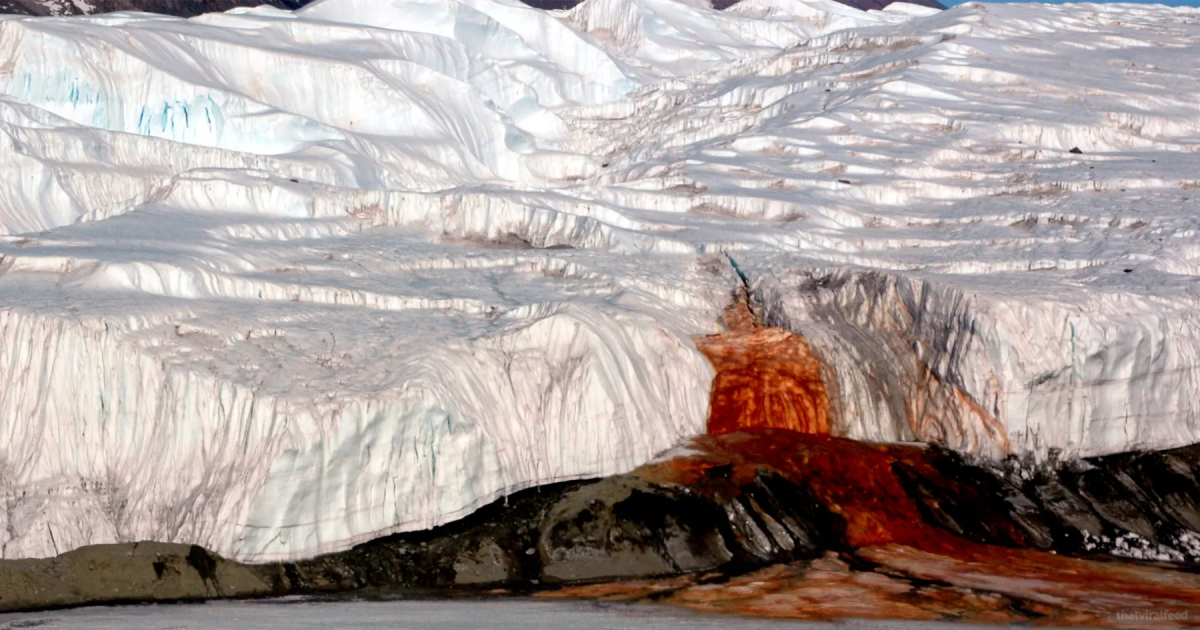
The 'bleeding' waterfalls in Antarctica have been a mystery for decades, but now scientists have discovered the reason behind why the waterfalls appear of this color specifically.
Mystery Of Creepy ‘Bleeding’ Waterfalls In Antarctica Solved After Decades
By
Haider Ali in
Science and Technology
On 29th March 2023
advertisement
Credit: Creative Commons
Scientists finally figured out why the waterfalls in Antarctica looked like they were bleeding after years of not knowing.
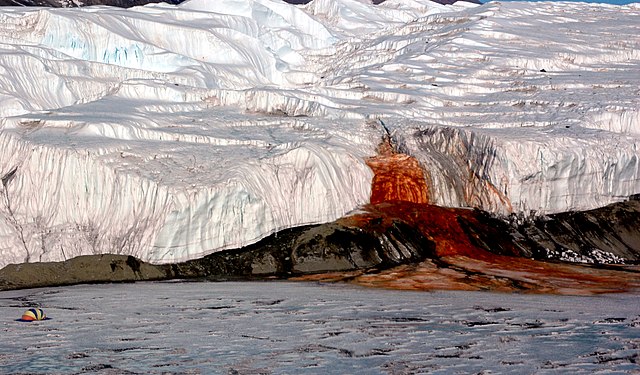
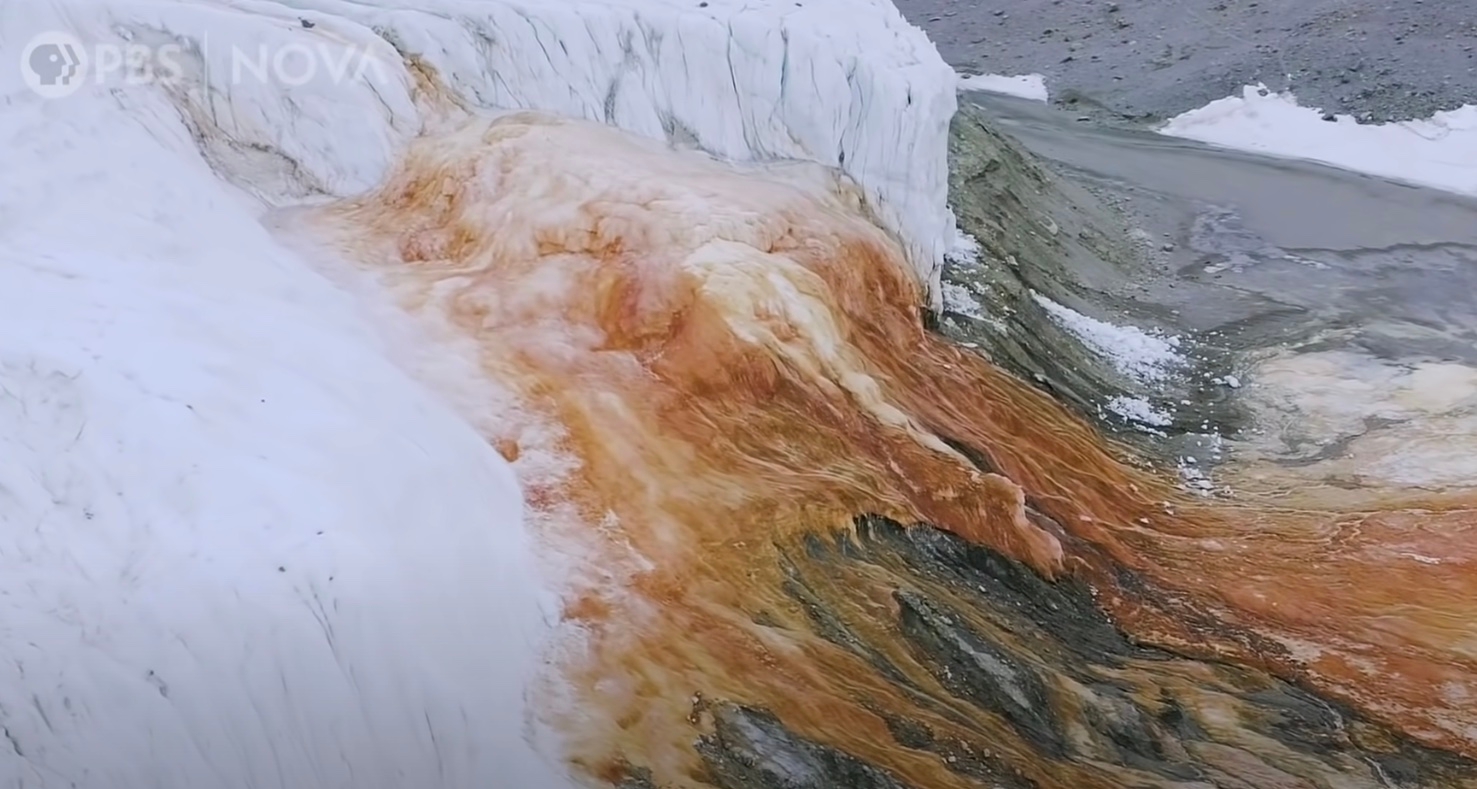
If you see a picture or footage of Blood Falls, you'll know why it's called that.
There's a place in Antarctica called McMurdo Dry Valleys, where water flows and looks like it could be a crime scene because it's really bright red and orange.
advertisement
Youtube
People have been wondering why it looks like this ever since a geologist named Thomas Griffith Taylor found it in 1911.
For many years, people had different ideas about why the water looked that way like maybe it was red algae or even alien portals! Some people say it looks more like Mars than Earth. One person even made a joke that the glacier was having its period. But actually, there's a good explanation for why the water looks like this.
advertisement
Scientists were curious about why Blood Falls has red water and why it's still flowing, despite being in a place where the average temperature is nearly -19 degrees Celsius and there's hardly any melting at the surface. But a study by researchers at the University of Alaska Fairbanks, which included explorer Erin C Pettit from National Geographic, has given us the answers.
advertisement
They used a method called radio-echo sounding to make a map of the area and found that the water in Blood Falls is extremely salty - more than twice as salty as seawater. They also found that the water has a lot of iron in it, and when it touches oxygen, it turns rusty and red. This explains the unusual color.
advertisement
The water continues to flow instead of freezing because saltwater has a higher freezing point.
Pettit explains: "While it sounds counterintuitive, water releases heat as it freezes, and that heat warms the surrounding colder ice.”
advertisement
"This source of heat within Taylor Glacier combines with the lower freezing temperature of salty water (brine) to make brine movement in the extremely cold ice possible.”
"Taylor Glacier is now the coldest known glacier to have persistently flowing water."
advertisement
You might be curious about why the water in Blood Falls has so much salt and iron. The answer goes back about five million years when the Dry Valleys were covered by the ocean.
advertisement
When the climate changed and the sea level went down, the water was left behind as a lake and became very salty. The team of researchers believes that around 1.5 million years ago, a glacier moved over the lake and caused the salty water that feeds Blood Falls to form.