

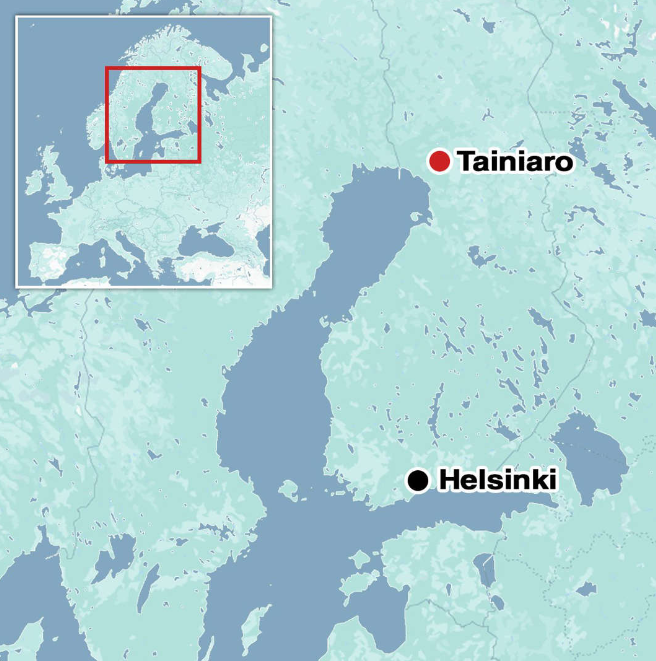
It's a narrative worthy of a Scandinavian drama series – an Arctic graveyard with no bodies. This is the actual situation in Tainiaro, a region in Finland that could potentially house one of Europe's largest Stone Age cemeteries. However, the intriguing twist lies in the absence of any remains within the hundreds of burial plots discovered.
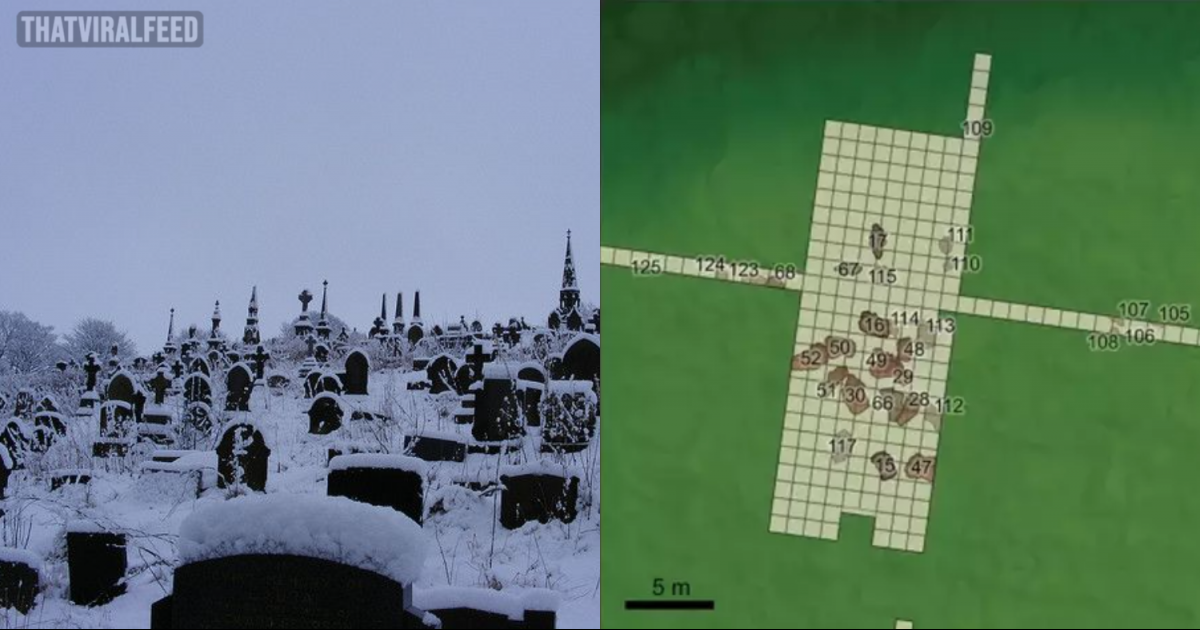
Mystery Of Frozen Stone Age Cemetery In Finland Full Of Empty Graves Finally Solved
By
Khadija Pervez in
News
On 11th December 2023
advertisement
Getty Stock Images
In the Arctic region, a perplexing mystery surrounds a Stone Age cemetery located in Tainiaro, Finland.
Unearthed in 1959 after workers stumbled upon stone artifacts, archaeologists speculate that the site might have served as an extensive graveyard.
The discovery in Tainiaro, Finland, dating back to the Stone Age, was made when laborers uncovered stone artifacts in 1959.
Archaeologists investigating the site propose that it could have functioned as a vast graveyard in ancient times.
There's just one problem, however - there are no bodies there.
advertisement
Finnish Heritage Agency
The primary question at hand is how we can identify it as a cemetery if no bodies are present.
To address this, archaeologist Dr. Aki Hakonen from the University of Oulu led a study.
The team compared the findings in the trenches at the site with those from other locations.
These comparisons involved established Stone Age burials in Finland, revealing noteworthy similarities.
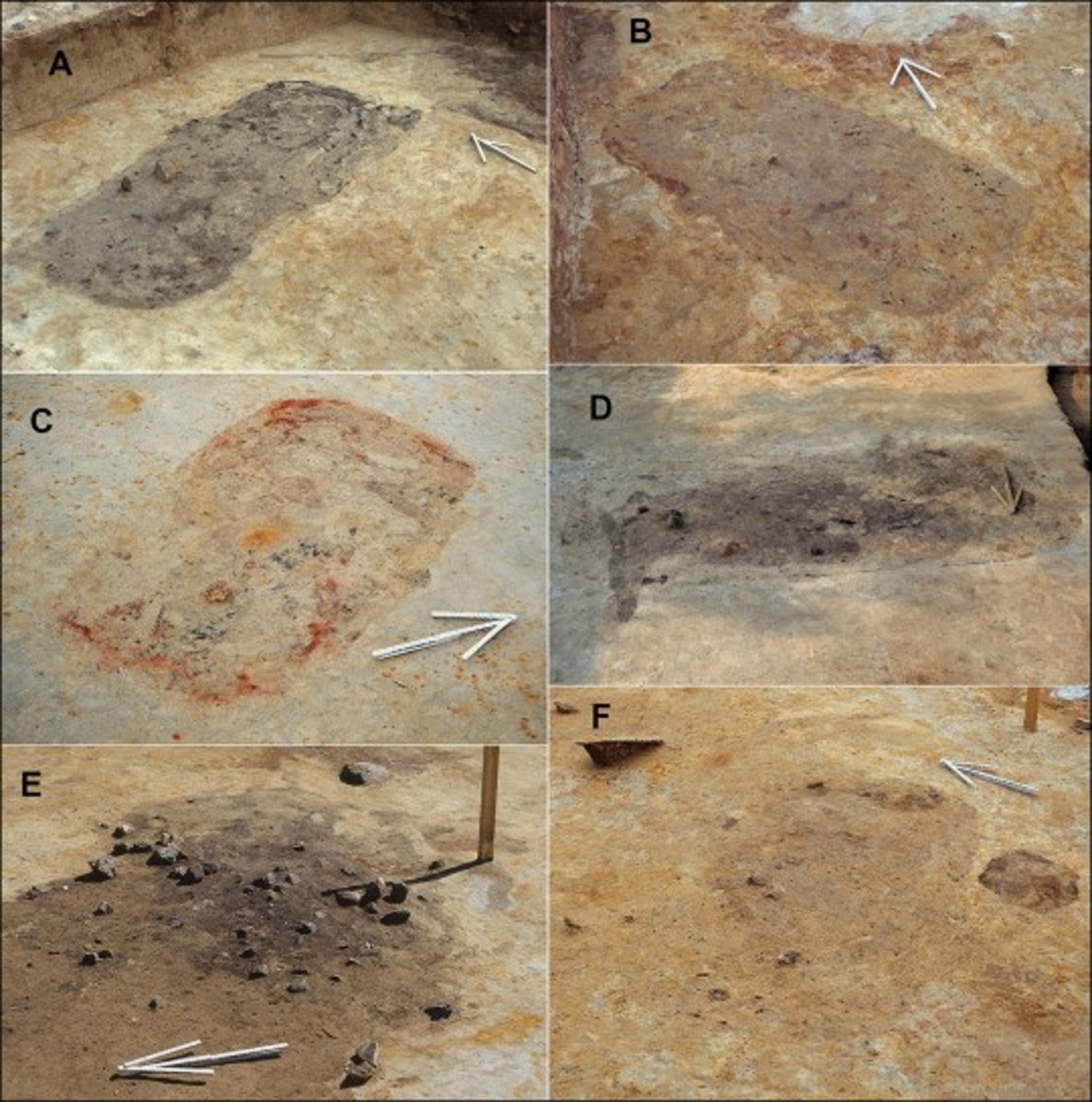
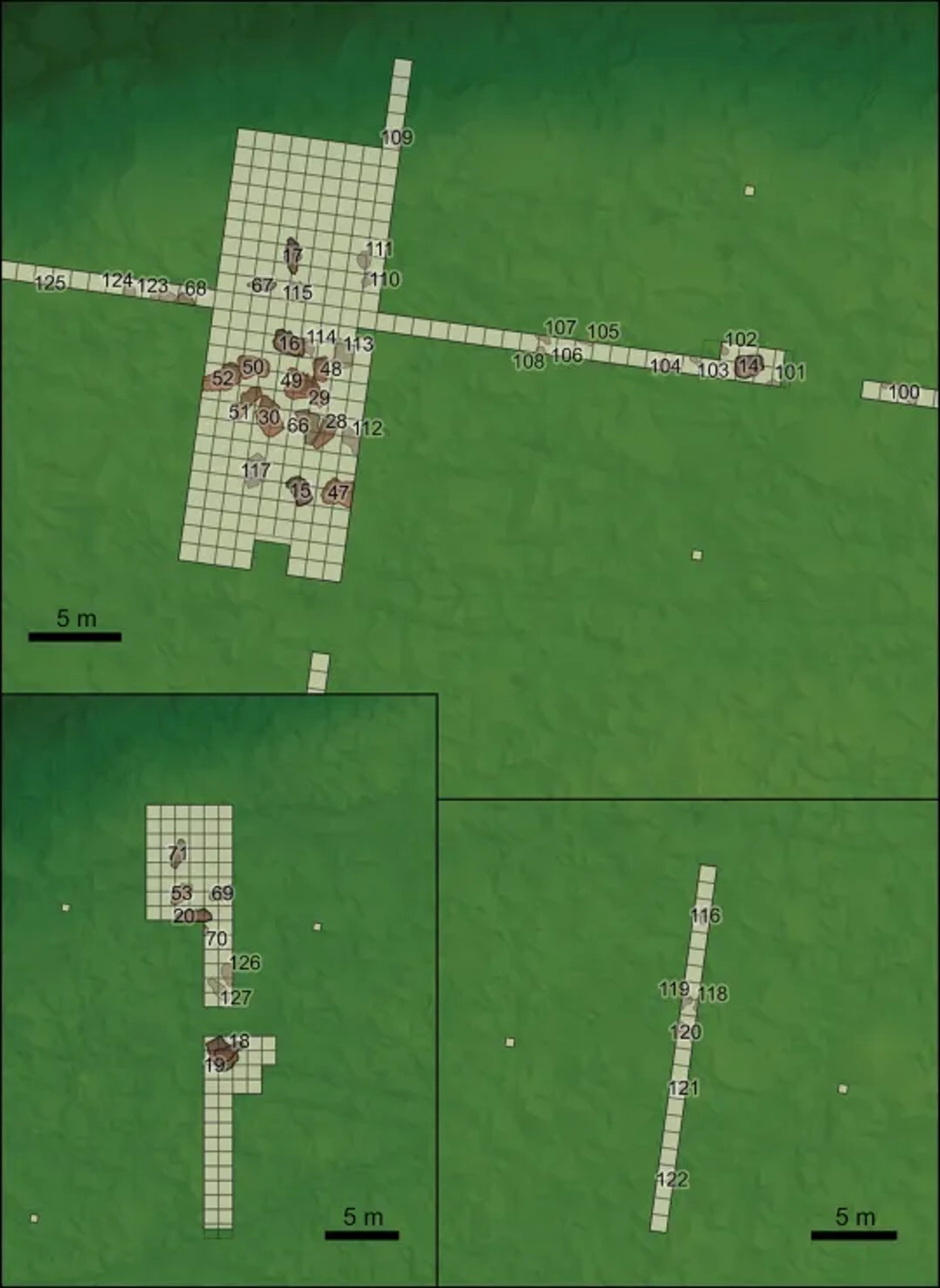
Overall, the team pinpointed approximately 200 potential graves, none of which are discernible on the surface.
advertisement
Aki Hakonen
These graves were detected due to the presence of burning evidence and red ochre, a natural pigment frequently observed in Stone Age burials, although the specific purpose of its use remains uncertain.
advertisement
Additionally, numerous stone artifacts, pottery fragments, and charred animal bones have been unearthed at the location.
This understanding provides insight into the likelihood of the site being a graveyard, yet it does not address the perplexing absence of bodies.
advertisement
Pinterest
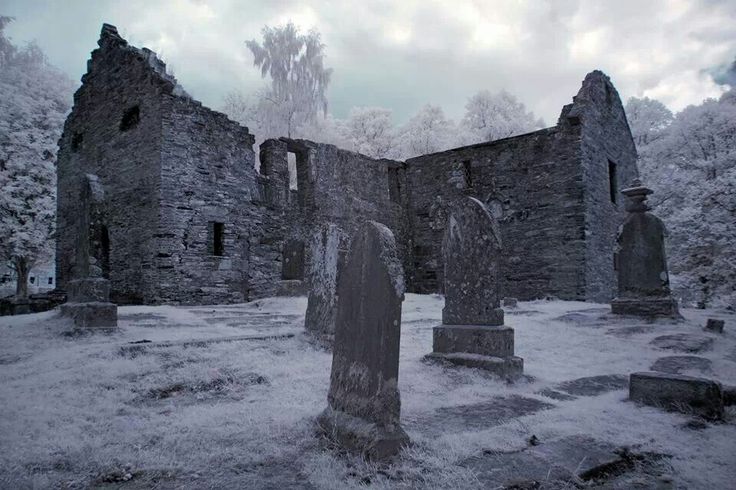
A potential explanation for this anomaly lies in the acidic nature of the soil itself.
Dr Hakonen told Metro: "There are next to no limestone deposits in Finland and most of Northern Fennoscandia. Thus, the soil tends to be very acidic."
advertisement
"In a thousand years or so organic material including bones and wood decompose so badly that they lose all structure and often become only gooey mass."
"In two thousand years they become mere shadows in the soil, visible as slightly darker patterns. In six and a half thousand years, as seems to be the case with Tainiaro, there is practically nothing left of bodies."
advertisement
Metro.co.uk
In conclusion, the theory posits that the highly acidic soil may have caused the bodies to dissolve over the 6,500 years since their burial.
Nevertheless, this doesn't rule out the prospect of significant archaeological discoveries. Even though the bodies might be lost, the abundance of artifacts presents an opportunity for excavation and analysis, shedding light on the lives of those buried in the distant past.
advertisement
Furthermore, the unearthing of such a substantial cemetery in a northern location could potentially challenge and reshape our perceptions of ancient civilizations.
It's crucial to emphasize, however, that these findings await further verification.
advertisement
Dr Hakonen said: "The research on Tainiaro shows that apparently large cemeteries also existed near the Arctic Circle."
"In the future, all research on this era in the north needs to be re-evaluated to some extent because these societies may not have been as small as previously thought."