Myths About Teeth Whitening You Should Stop Believing
By
Editorial Staff in
Facts
On 31st August 2017
Teeth whitening's a hot topic right now. And the good news is that having a bright, white smile that even the Love Islanders would be proud of is no longer something only celebrities and rich people can dream of.
But with so many whitening products and treatments now available to us mere mortals, it can be hard to figure out what's effective, and more importantly, what's safe.
To help cut through the noise, we asked the professional dentists to give us their take on the most common teeth whitening myths that we definitely shouldn't be believing.
#1 MYTH: Teeth Whitening ruins your tooth enamel
Not generally true! Professional Teeth Whitening product suppliers mostly use Hydrogen Peroxide or Carbamide Peroxide as the active ingredients in their tooth whitener gels. The chemical Hydrogen Peroxide (HO) is a bleaching agent which converts into water (HO) and releases an Oxygen molecule (O) in the process of the chemical reaction. Both Water and Oxygen are common, safe components of our everyday lives.
The Oxygen particles penetrate the rough surface of your tooth (even though they appear smooth, they are microscopically rough, rod like crystal structures) and dislodge staining particles. I like to explain this by imagining the TV commercials which show how a clothes washing powder with oxygen lifts stains from your clothing.
The “bleach” Hydrogen Peroxide is not the same as household bleach containing ammonia, or other low-end, acid based tooth whitening products, and can be swallowed, within limits. In fact our own bodies produce Hydrogen Peroxide naturally!
Acidic products can remove enamel from your teeth. Look for teeth whitening products using Hydrogen Peroxide which is pH balanced, meaning they have no, or low acidity levels. Putting acidity into perspective, you should be aware that everyday Orange Juice is shown in lab studies to soften (and potentially erode) tooth enamel by many times more than a professional hydrogen peroxide based tooth whitening gel could, if used correctly.
#2 MYTH: Strawberries and lemons whiten teeth
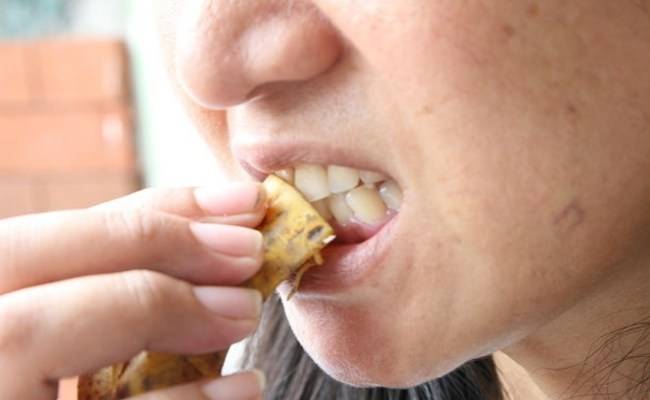
There are a few highly acidic natural alternatives that can whiten, but at a cost. The acid in strawberries and lemons can damage your teeth’s enamel, which can lead to increased sensitivity and permanent damage to your teeth.
#3 MYTH: Whitening will make your teeth look unnatural
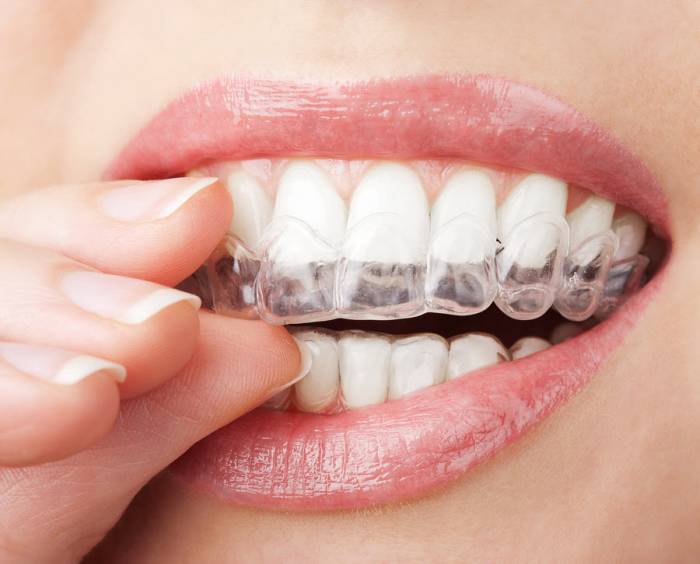
We're all secretly terrified of having a Ross from Friends moment. But can having a professional whitening treatment really leave you with scarily bright gnashers? "No - whitening is a progressive treatment," says Dr Rhona. "If you're using at-home whitening trays for example, the more days you use them, the whiter your teeth will become, so it's in your control. If you're happy after three days or so, you can stop there and don't need to continue. There's also a finite level of whitening which can be achieved, and this depends on what shade your teeth were when you started."
#4 MYTH: Active charcoal is the secret to whiter teeth
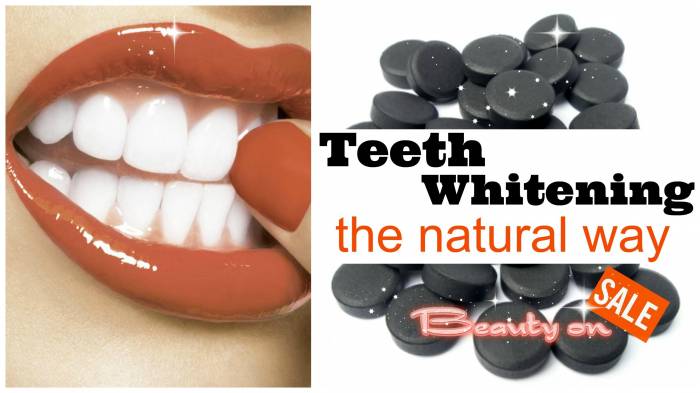
We’ve recently seen the rise of charcoal in facial products but this ingredient doesn’t belong anywhere near your teeth. Despite numerous claims by bloggers and vloggers there is no clinical evidence that activated charcoal does any good for your teeth. In fact it’s unclear if activated charcoal is safe and there are concerns that it may be too abrasive to use on your teeth and gums. If you are looking to whiten your teeth consult your dentist as to the most appropriate product for you to use, at the very least stick to approved whitening products on the market.
#5 MYTH: Teeth whitening lasts forever
If only it were true! Your newly bright smile will begin to fade within a few months. That depends mostly on how much heavily staining and acidic foods like coffee, wine, tea, soda, chocolate, etc., you consume. If you want your teeth to stay white, keep those foods at a minimum.
#6 MYTH: I can’t get whitening because I have sensitive teeth
The minor temporary sensitivity you may experience when getting your teeth professionally whitened is different to sensitivity from hot and cold. General sensitivity can be caused by a number of oral health issues so consult your dentist to determine the cause and the appropriate treatment. The good news is that sensitivity can be reduced with de-sensitising products applied prior and post-whitening.
#7 MYTH: Tooth whitening works for everyone
Unfortunately as you age, your teeth will become thinner and will naturally discolor, sometimes becoming more grayish. Teeth whitening treatments work best on yellow and brown stains. Also, teeth whitening is not recommended for anyone with gum disease, broken or damaged teeth, restorations or exposed roots.
#8 MYTH: Teeth whitening isn’t safe
Reality: When performed under the care of your dentist, teeth whitening is a safe procedure. Products used in the proper quantities and for the recommended exposure times are absolutely fine, but if a concentration is too high or the exposure is too long, your gums may become irritated or you may experience poor results on your teeth. That’s why you should always go to your dentist for teeth whitening, rather than going the DIY teeth whitening route. Those who are well-versed in cosmetic dentistry will know exactly the right way to produce great results.
If you’ve been frustrated by the lack of results from over-the-counter, DIY whitening products, then it’s time for a change that will truly make you smile.