

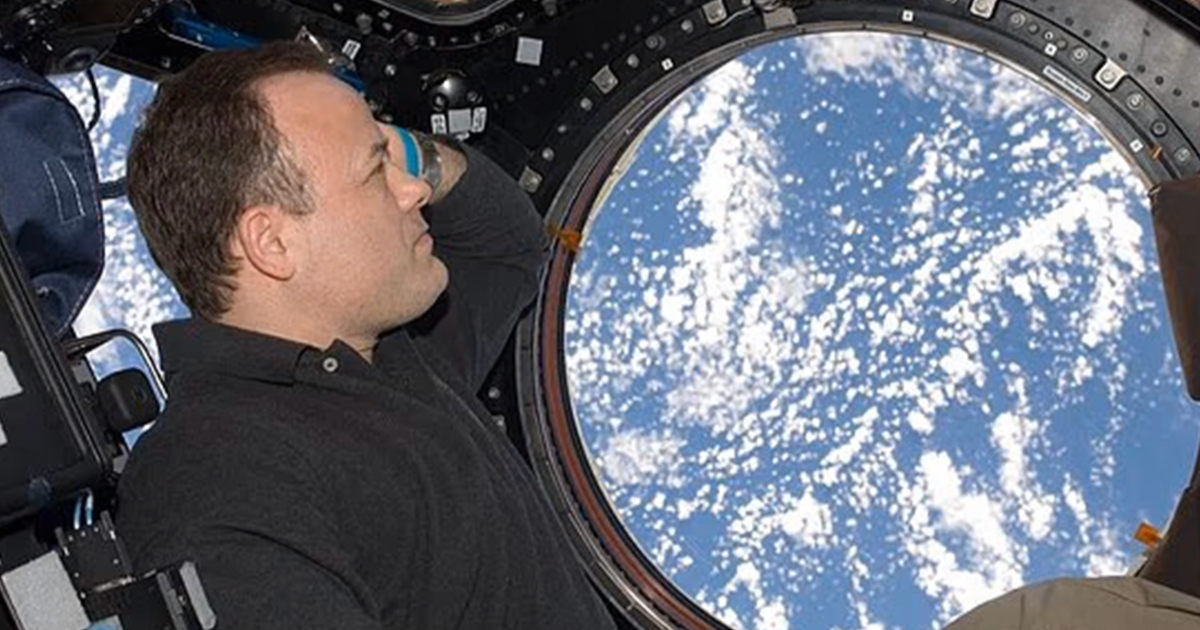
Ron Garan spent nearly six months living and working aboard the International Space Station
advertisement
A former NASA astronaut has shared why he believes humanity may be "living a lie" after spending a remarkable 178 days living in space aboard the International Space Station (ISS).
Ron Garan orbited Earth a total of 2,842 times after leaving his family behind on April 4, 2011 to begin the mission. By the time he returned home on September 16 of the same year, he had witnessed views and experiences that few humans will ever have.
Since coming back to Earth, Garan has often spoken about the powerful realizations he had during his nearly six months in orbit. Many of those reflections came from simply seeing our planet from a completely different point of view.
Looking down at Earth from space gave him a perspective that changed how he thinks about humanity, the planet, and the systems people have built.
Speaking with Big Think about his experience, Garan explained the powerful shift in perspective that astronauts often feel when they see Earth from space.
He said: "When we see our planet from the perspective of space, certain things become undeniably clear."
"We keep trying to deal with issues such as global warning, deforestation, biodiversity loss as stand alone issues, when in reality they're just symptoms of the underlying root problem."
"The problem is that we don't see ourselves as planetary."
From his viewpoint far above the surface, many of the divisions people focus on every day simply did not exist.
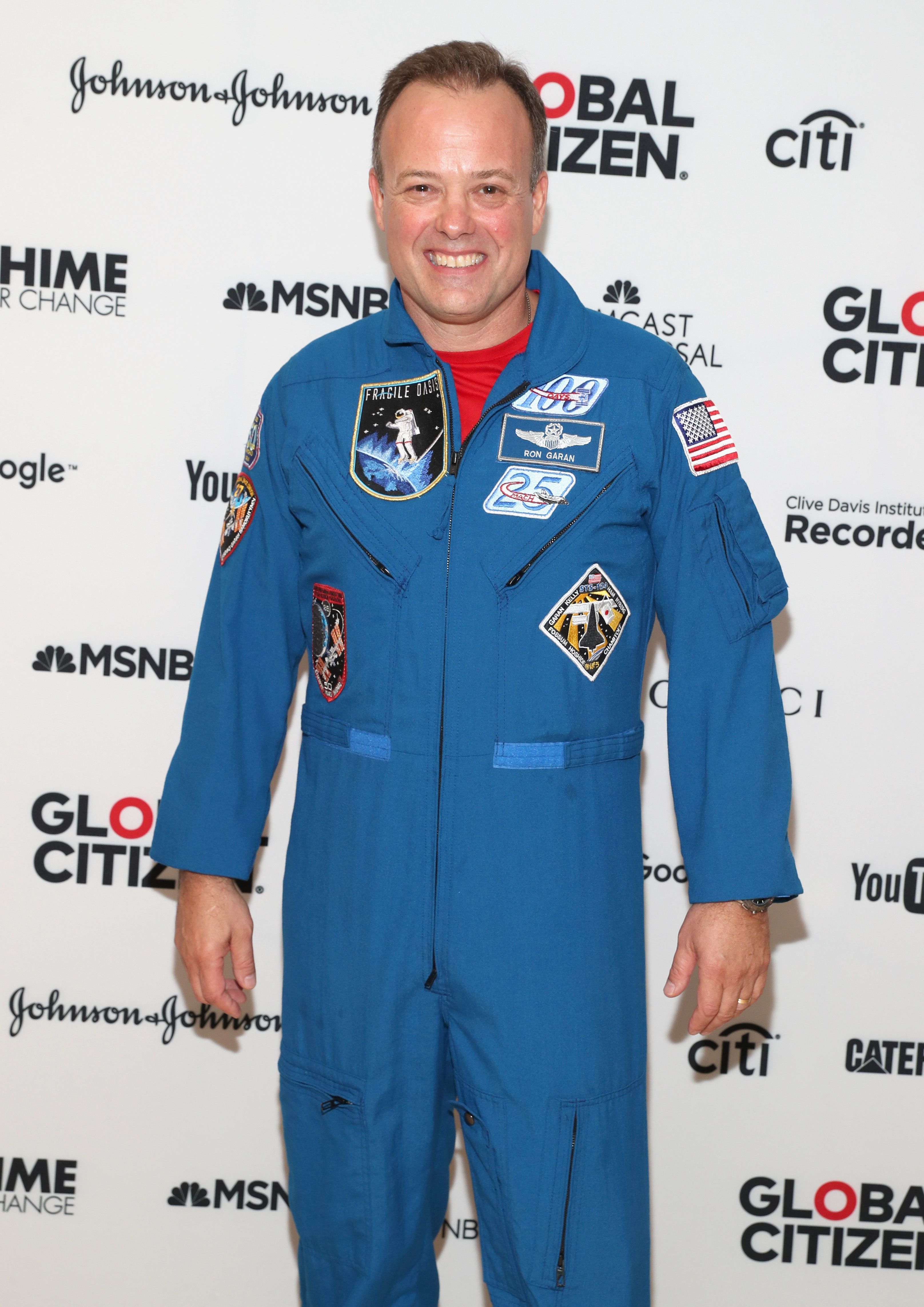
The former astronaut orbited Earth over 2,000 times
Cindy Ord/Getty Images for Global Citizen
advertisement
One of the things that stood out most to Garan was how fragile and unified the planet appeared when viewed from orbit.
From space, national borders and political lines disappear. What remains is a single planet supporting all life.
He explained: "I didn't see the economy. But since our human-made systems treat everything, including the very life-support systems of our planet, as the wholly owned subsidiary of the global economy, it's obvious from the vantage point of space that we're living a lie."
This powerful shift in awareness is often called the Overview Effect, a psychological response that many astronauts report after seeing Earth from space.
It describes the moment when astronauts realize how connected and delicate the planet truly is.
Garan also described the incredible sights he witnessed while living aboard the space station.
"When I looked out of the window of the International Space Station, I saw the paparazzi like flashes of lightening storms, I saw dancing curtains of auroras that seemed so close it was as if we could reach out and touch them, and I saw the unbelievable thinness of our planet's atmosphere," the former NASA astronaut explained while describing what he saw through the station's windows.
Those experiences led him to a realization that he described as deeply sobering.
From orbit, the layer of atmosphere protecting all life on Earth appeared incredibly thin.
"I saw an iridescent biosphere teaming with life, I didn't see an economy, but since our human-made systems treat everything, including the very life-support systems of our planet as the [...] subsidiary of the global economy, it's obvious from the vanish point of space that we're living a lie," he added.
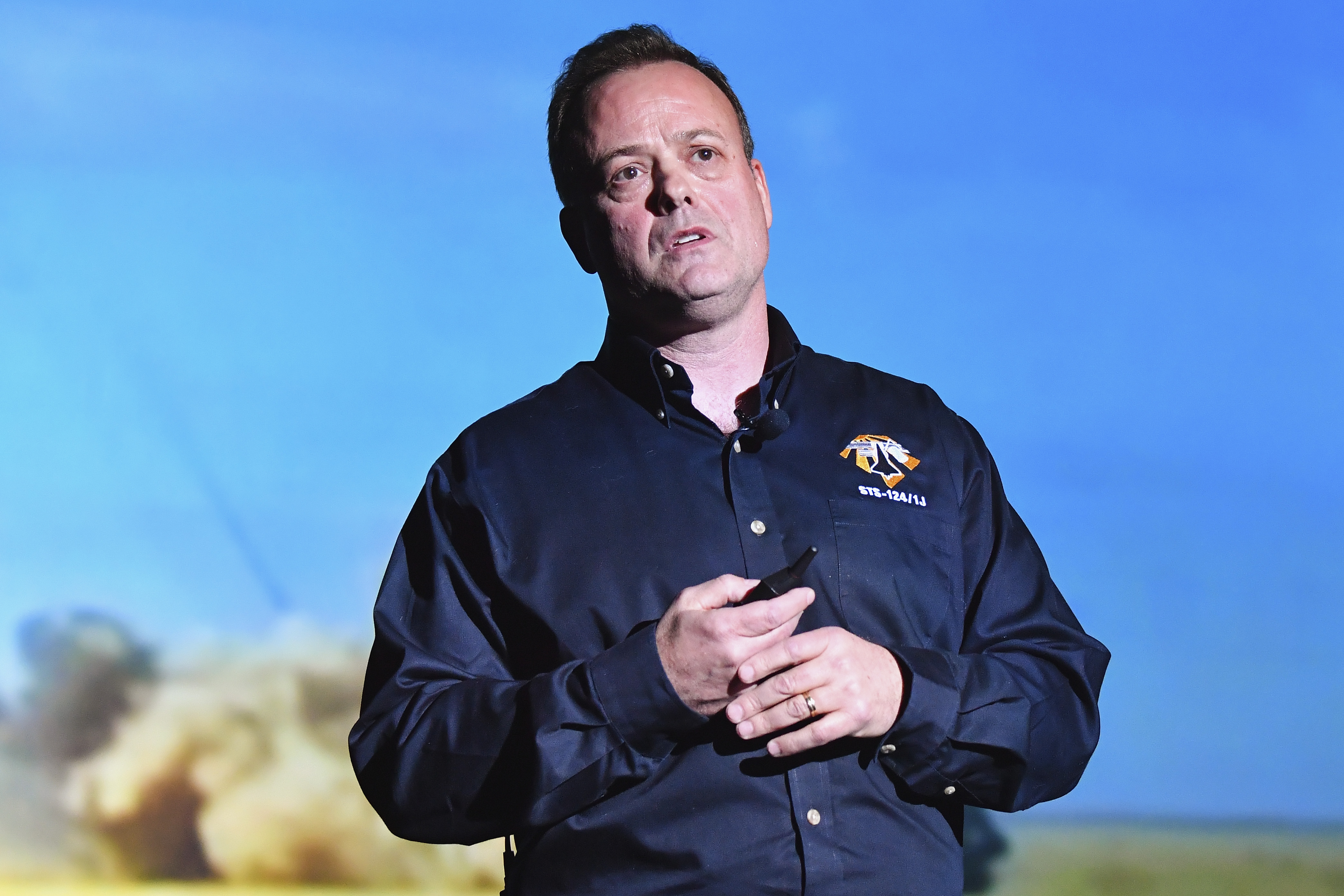
Ron Garan spent nearly six months in space
Erika Goldring/Getty Images
advertisement
Since returning from the mission, Garan has focused much of his work on encouraging people to care more deeply about the planet and its future.
He now speaks often about sustainability, environmental protection, and the need for global cooperation.
His goal is to encourage people to think beyond borders and recognize that everyone shares responsibility for the same world.
"We're not going to have peace on Earth until we recognize the basic fact of the interrelated structure of all reality," he concluded.