

NASA has asked SpaceX to help when they no longer use the space station.
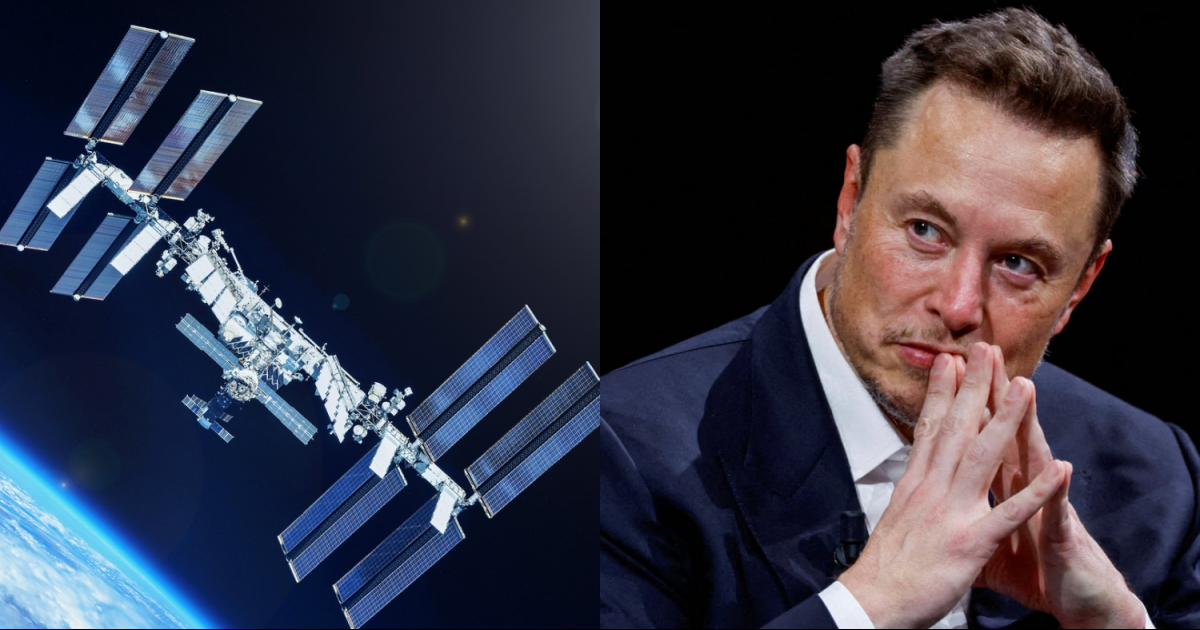
NASA Is Giving Elon Musk's SpaceX $843 Million To Safely Bring Down The International Space Station Into The Ocean
By
Editorial Staff in
News
On 3rd July 2024
advertisement
NASA has teamed up with SpaceX to manage the decommissioning of the International Space Station (ISS).
The agency has confirmed that Elon Musk's SpaceX has been tasked with creating a 'deorbit' vehicle specifically for the ISS.
This vehicle will be responsible for lowering the ISS's orbit when it stops operating and is taken out of service in 2030.
The primary goal of this operation, led by Musk's company, is to ensure that the decommissioned space station does not pose a hazard to any populated areas on Earth.
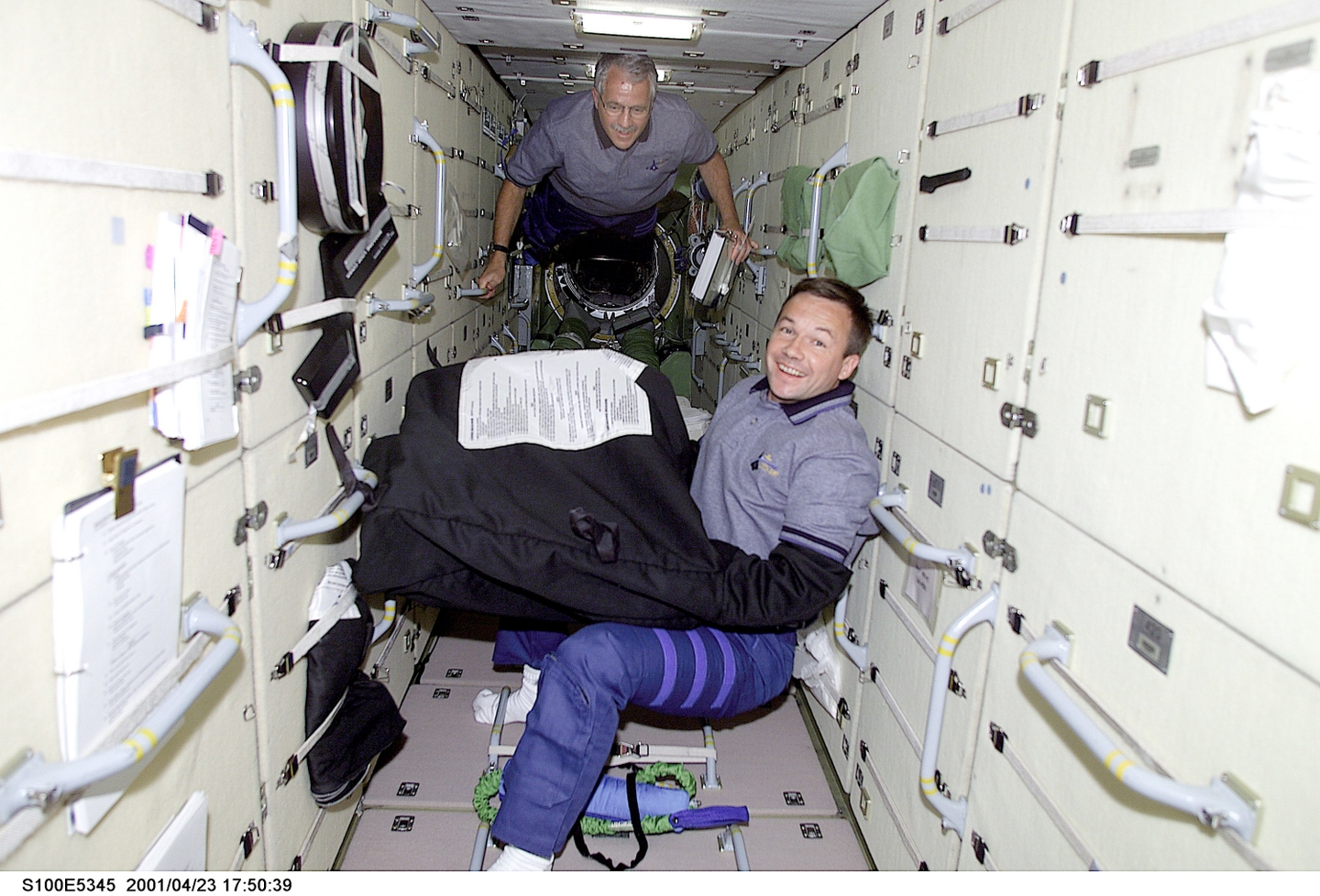
Cosmonauts on board the ISS.
Getty Images / NASA / Handout
There are several methods used for retiring satellites. Some satellites are designed to burn up completely as they re-enter Earth's atmosphere, posing no threat to the surface.
advertisement
Others are sent on trajectories that push them into the vast emptiness of deep space.
However, a third approach involves safely bringing them back to Earth, targeting a remote area in the middle of the Pacific Ocean, about as far from civilization as possible.
This is the planned fate for the ISS. It will be intentionally brought down from orbit and crashed into the ocean.
Ken Bowersox, the associate administrator for the Space Operations Mission Directorate at NASA Headquarters in Washington, emphasized the significance of this decision.
advertisement
He stated, "Selecting a US Deorbit Vehicle for the International Space Station will help NASA and its international partners ensure a safe and responsible transition in low Earth orbit at the end of station operations.
"This decision also supports NASA’s plans for future commercial destinations and allows for the continued use of space near Earth.
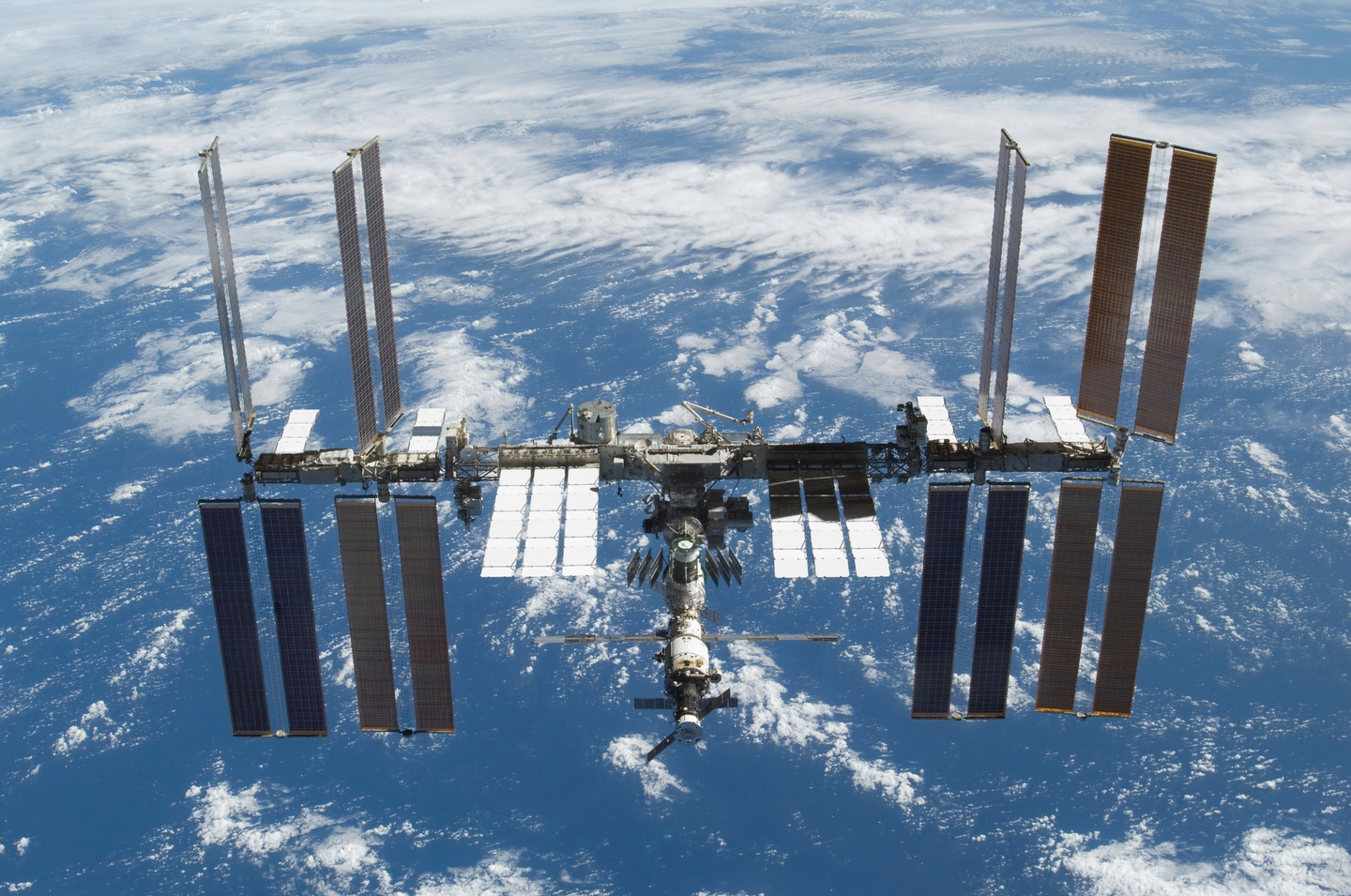
The exterior of the ISS.
Getty Images / Stocktrek Images
He continued, "The orbital laboratory remains a blueprint for science, exploration, and partnerships in space for the benefit of all."
advertisement
Since its launch, the ISS has stood as a testament to international cooperation, even as the world around it has grown more divided and contentious.
Astronauts from various nations have used the station to carry out scientific observations, perform experiments, and conduct educational activities.
advertisement
There's even a community of amateur radio enthusiasts who attempt to contact the station as it orbits overhead.
The ISS is scheduled to be retired in 2030, marking the conclusion of its operational life and signaling the end of an era.
advertisement
advertisement
What will follow the ISS remains uncertain. Some argue for the creation of a successor station, while others point to the high costs associated with manned space missions, suggesting that for scientific purposes, sending robots might be more cost-effective and practical.
And in a tongue-in-cheek comment, one might say, based on the outcomes with Twitter / X and Tesla’s Cybertruck, NASA could potentially have saved a bundle by simply selling the ISS to Musk and waiting for it to inevitably crash.