Nestle Withdraws Maggi Noodles In India After Food Scare
By
Editorial Staff in
News
On 29th February 2016
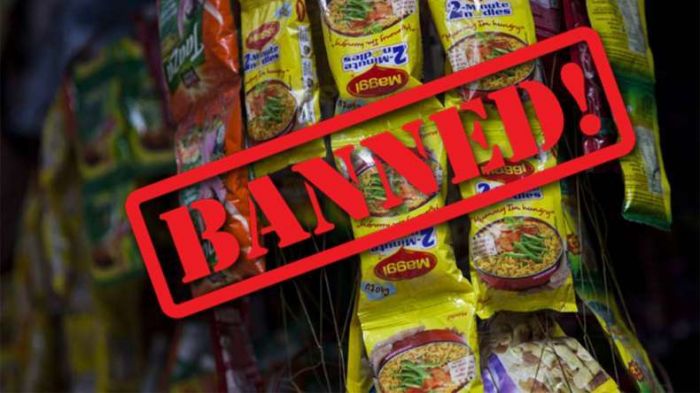
Food group Nestle has withdrawn Maggi instant noodles from sale in India citing "an environment of confusion for consumers", after a food scare triggered by a domestic regulator's report that some packs of the popular snack contained excess lead.
Nestle reiterated the noodles were safe. But after coming under fire in local media for doing too little, too late in response, the group said early on Friday that it would recall the product regardless, weeks after food inspectors first reported their findings.
In India's most significant packaged foods scare for nearly a decade, at least six states have banned Maggi noodles after tests revealed some packets contained excess amounts of lead. On Thursday, Tamil Nadu became the first state to ban several brands of instant noodles, including Nestle.
"The trust of our consumers and the safety of our products is our first priority," Nestle said in a statement.
"Unfortunately, recent developments and unfounded concerns about the product have led to an environment of confusion for the consumer, to such an extent that we have decided to withdraw the product off the shelves, despite the product being safe."
#1
Sales of Maggi noodles in India represent a tiny fraction of Nestle's company-wide revenue of almost 92 billion Swiss francs ($98.6 billion). But the importance of containing damage to the brand has not been lost on the Switzerland-based firm, whose group chief executive Paul Bulcke will speak later on Friday in New Delhi to seek to draw a line under the scare.
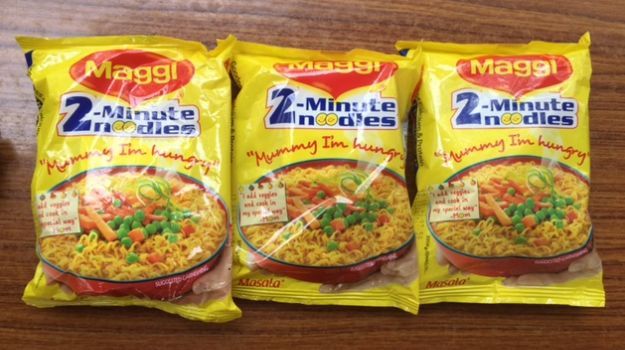
Maggi noodles, which sell at roughly a dozen rupees ($0.20) per single-serving packet, are a hugely popular snack in India, served to children and in roadside shacks across the country. Maggi has been a market leader for three decades
#2
"The action comes late, but according to me, it is the right thing for them to do. Any responsible company should do this," said consultant Harish Bijoor, who specialises in branding and business strategy. "The regulator is 'God' in this entire thing. The power is not with the company."
Despite poor public hygiene, India has not experienced growing reports of food scares on the kind of scale that has hit neighbouring China in recent years. But analysts say increasingly affluent, health-conscious consumers with access to social media are likely to mean more incidents are brought to public attention, and international brands need to be better prepared.
The noodle scare is India's biggest involving packaged foods since 2006, when a New Delhi environmental group raised questions over pesticide traces in Coca Cola Co and PepsiCo Inc fizzy drinks.
Food inspectors in the northern state of Uttar Pradesh last month reported high lead content was found during routine tests on two dozen packets of instant noodles.
#3
Nestle India had said earlier this week it had conducted internal and external tests of 125 million Maggi packets which showed "lead levels are well within the limits specified by food regulations and that Maggi noodles are safe to eat".
($1 = 0.9335 Swiss francs) (Editing by Douglas Busvine and Kenneth Maxwell)