Although it can be aggravating to an owner, the fact that cats are often branded finicky could be a good thing, especially when it comes to certain dangerous foods.
advertisement
Dangerous Foods?
Because they're such picky eaters, we sometimes think cats know what's best for them when it's time to eat. But the fact that they'll walk away from a piece of bad meat doesn't mean they'll bypass an open can of tuna. And that can of tuna can be just as dangerous. In fact, you may be surprised to learn some of the common foods your cats should never eat.
Chocolate
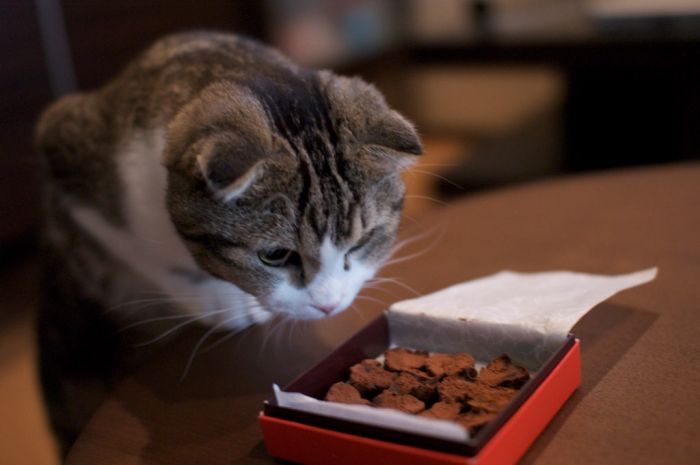
Chocolate can be lethal for cats. Although most cats won't eat it on their own, they can be coaxed to eat it by owners and others who think they are giving the cat a treat. The toxic agent in chocolate is theobromine. It's in all kinds of chocolate, even white chocolate. The most dangerous kinds, though, are dark chocolate and unsweetened baking chocolate. Eating chocolate can cause abnormal heart rhythm, tremors, seizures, and death.
advertisement
Uncooked Eggs
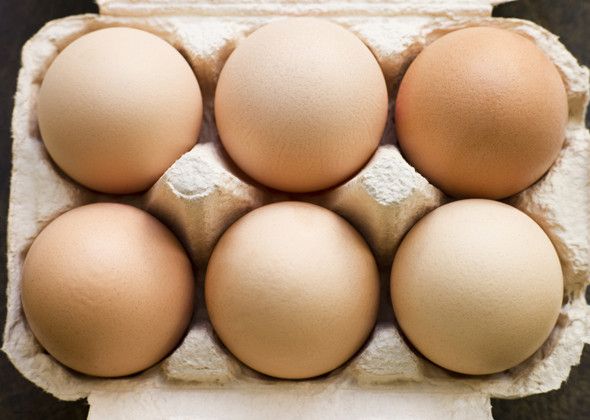
Cats need significantly more protein than dogs because of species differences in protein metabolism. However, raw eggs may expose them to salmonella or lead to an inflamed pancreas, known as pancreatitis. It's safe to serve your kitty cooked eggs but only on occasion and only in small amounts.
Caffeinated Drinks
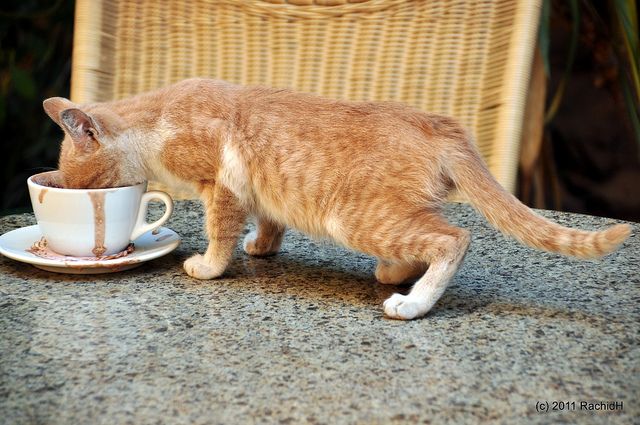
Caffeine can cause problems such as an increased heart rate and agitation in your kitty. So keep your cat away from coffee, soda and tea, as well as chocolate especially bitter chocolate.
advertisement
Candy and Gum
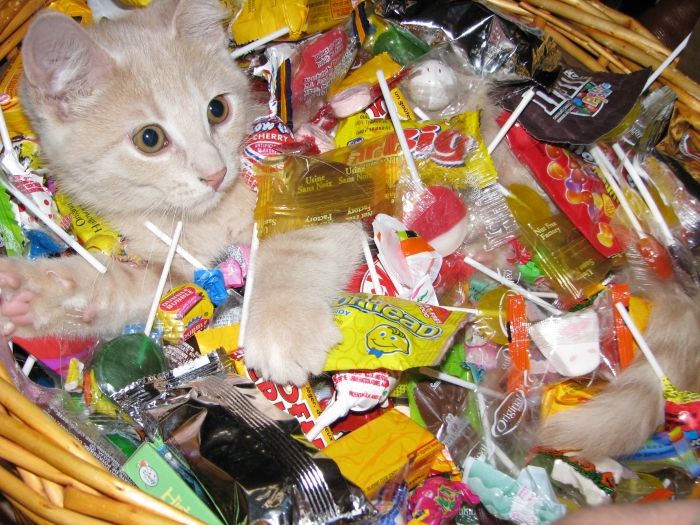
Candy, gum, toothpaste, baked goods, and some diet foods are sweetened with xylitol. Xylitol can cause an increase in the insulin circulating through your cat's body, which will cause the cat's blood sugar to drop. Xylitol can also lead to liver failure. Initial symptoms include vomiting, lethargy, and loss of coordination. The cat may have seizures soon after ingesting the xylitol, and liver failure can occur within just a few days.
advertisement
Bones
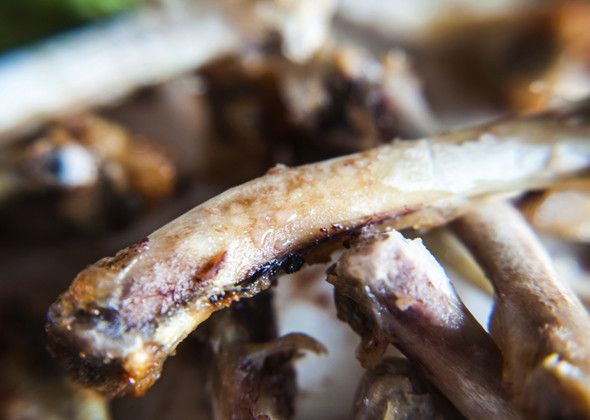
Because bones can splinter, they can cause a cat to choke as well as block the intestinal tract. If a bone becomes an intestinal obstruction, it is a true emergency that may require surgery.
advertisement
Tuna
Cats can be addicted to tuna, whether it's packed for cats or for humans. Some tuna now and then probably won't hurt. But a steady diet of tuna prepared for humans can lead to malnutrition because it won't have all the nutrients a cat needs. And, too much tuna can cause mercury poisoning.
advertisement
Dog Food
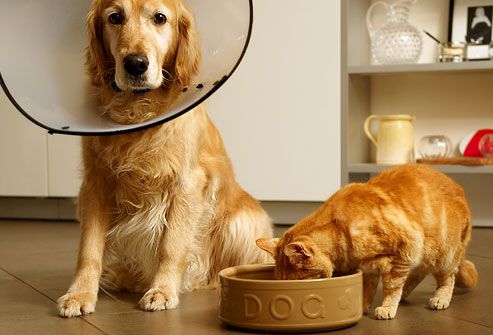
An occasional bite of dog food won't hurt your cat. But dog food is not a substitute for cat food. They do have many of the same ingredients. But cat food is specially formulated for a cat's needs, which include more protein as well as certain vitamins and fatty acids. A steady diet of dog food can cause your cat to be severely malnourished.
advertisement
Fat Trimmings
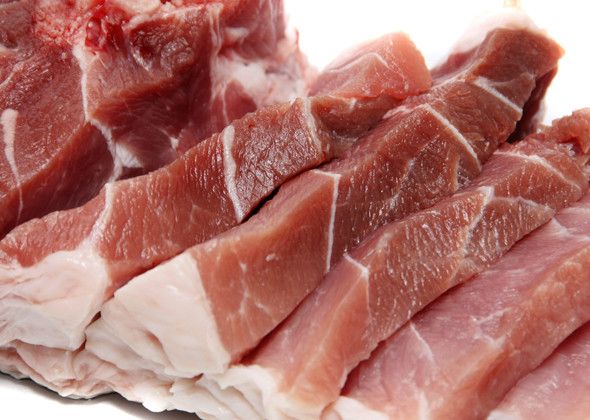
Although cats need certain essential amino acids found only in meat, feeding fat trimmings is not a safe way to try to provide them. Feeding your feline such fat can lead to gastrointestinal upset and even pancreatitis.
advertisement
Raw Meat and Fish
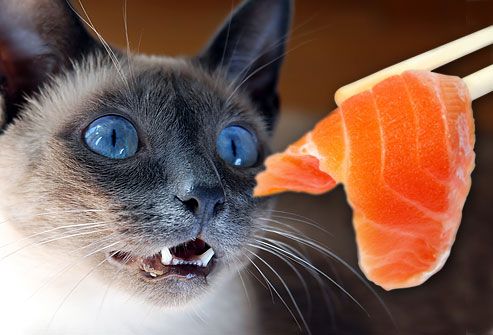
Raw meat and raw fish, like raw eggs, can contain bacteria that cause food poisoning. In addition, an enzyme in raw fish destroys thiamine, which is an essential B vitamin for your cat. A lack of thiamine can cause serious neurological problems and lead to convulsions and coma.
advertisement
Grapes and Raisins
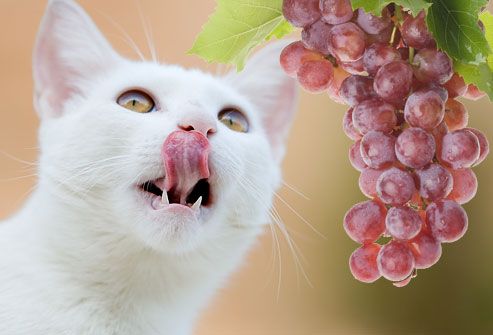
Grapes and raisins have often been used as treats for pets. But it's not a good idea. Although it isn't clear why, grapes and raisins can cause kidney failure in cats. And, a small amount can make a cat ill. Repeated vomiting and hyperactivity are early signs.
advertisement
Garlic and Onions
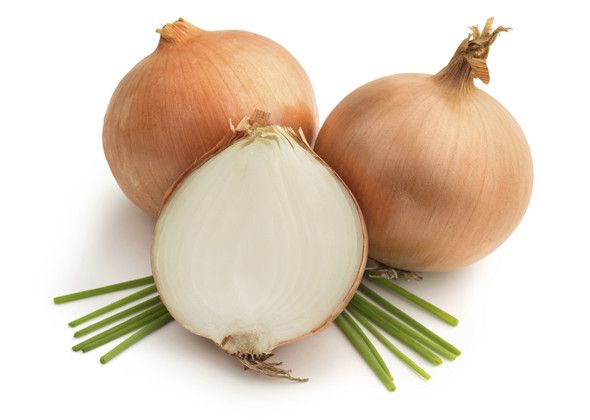
Garlic and onions contain chemicals that can damage red blood cells in cats and dogs. Cooking these foods does not reduce their potential toxicity, because they contain organosulfoxides. Make sure you carefully read food labels; fresh, cooked and/or powdered garlic and/or onions can be dangerous for pets even in small doses.
Milk
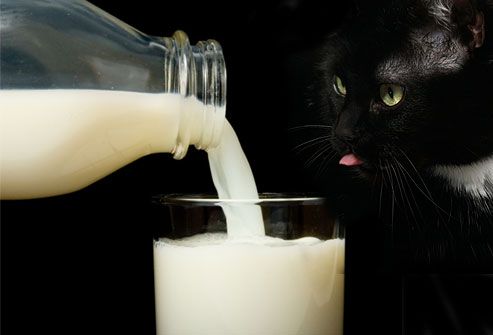
Although some cats love to lap milk, they can't always digest it without stomach upset. That's because a cat's digestive tract becomes somewhat lactose intolerant once a cat reaches adulthood. Giving your cat milk may make him sick and could contribute to obesity.
advertisement
Alcohol
Beer, liquor, wine, foods containing alcohol -- none of it is good for your cat. That's because alcohol has the same effect on a cat's liver and brain that it has on humans. But it takes far less to do its damage. Just two teaspoons of whisky can cause a coma in a 5-pound cat, and one more teaspoon could kill it. The higher the proof, the worse the symptoms.