

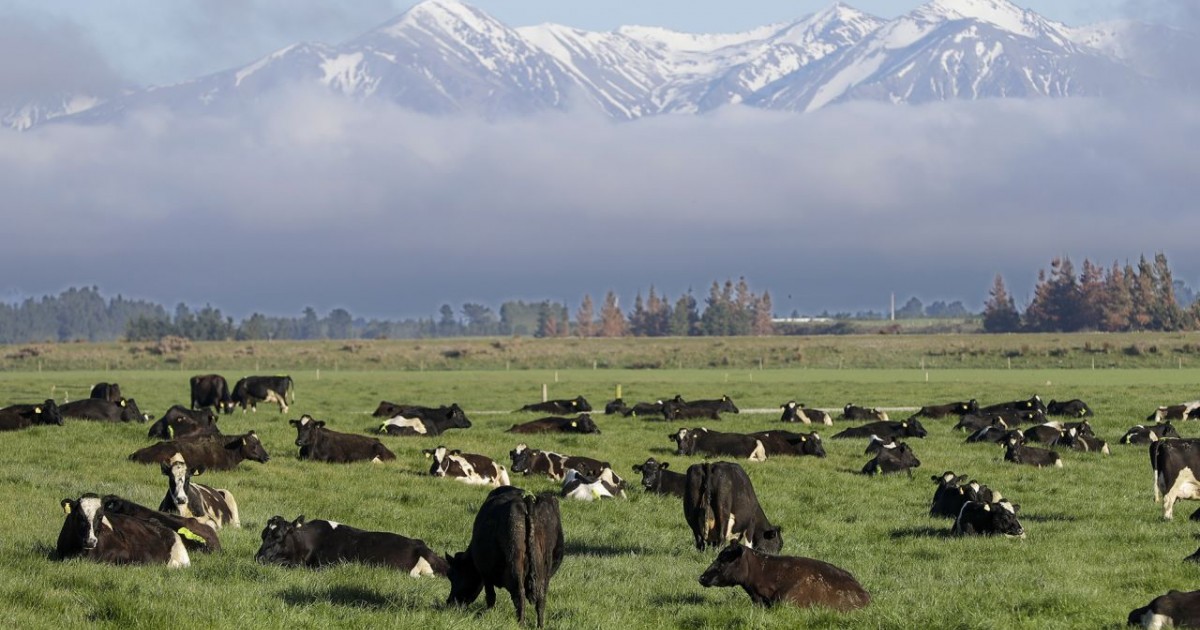
New Zealand's government is proposing taxing the greenhouse gases that farm animals produce from farting and burping, in an effort to tackle climate change. The farmers condemned the plan. New Zealand has pledged to make the country carbon neutral by 2050.
New Zealand Pushes 'Cow Fart Tax' On Farmers To Fight Climate Change
By
Zainab Pervez in
News
On 16th October 2022
advertisement
A burp or fart at the dinner table might make you embarrassed – but if you’re a cow or a sheep in New Zealand, it might make your owner pay a hefty tax bill.
New Zealand's government has proposed taxing the greenhouse gasses that farm animals make from burping and peeing as part of a plan to tackle climate change.
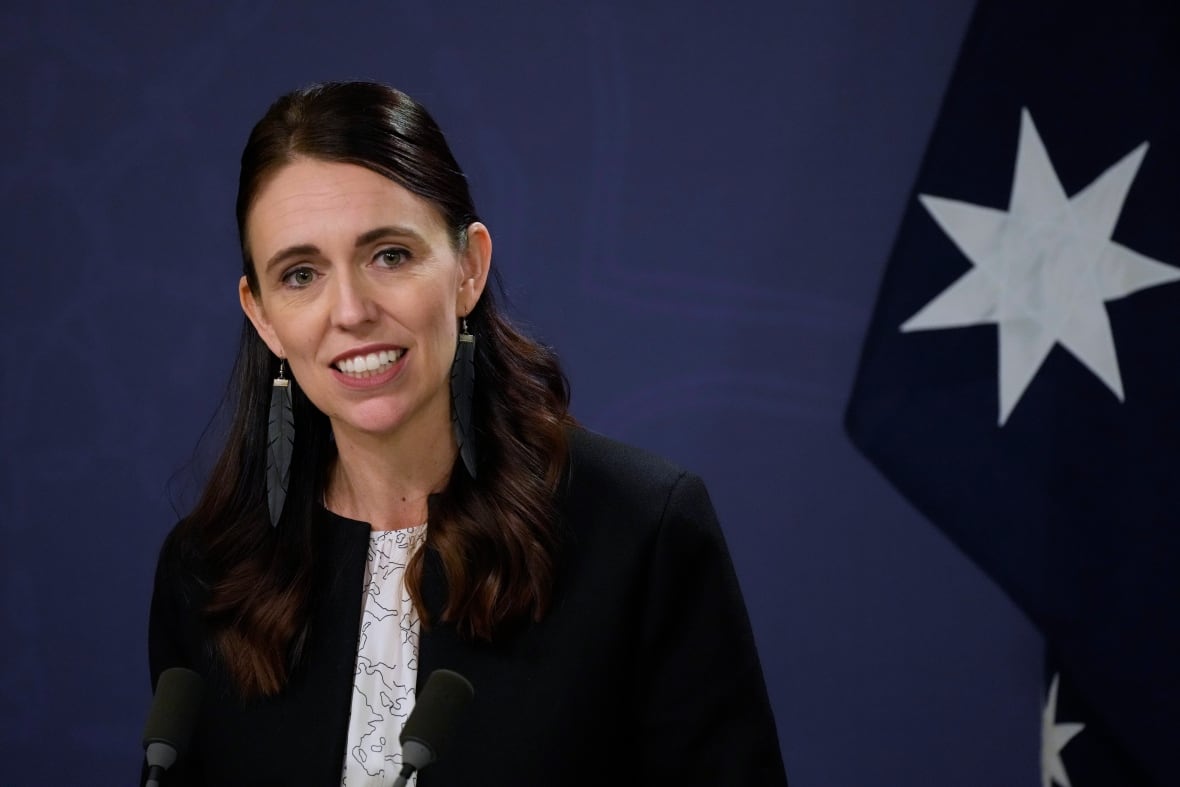
Prime Minister Jacinda Arden confirmed at a press conference on Tuesday that her government will push ahead with a proposal to make farmers pay for their livestock’s emissions in a bid to combat climate change.
“This is an important step forward in New Zealand’s transition to a low emissions future and delivers on our promise to price agriculture emissions from 2025,” Ardern said.
The government said the farm levy would be a world first, and that farmers should be able to recoup the cost by charging more for climate-friendly products.
“The proposal would see New Zealand farmers lead the world in reducing emissions, delivering a competitive advantage and enhancing our export brand,” said the Prime Minister.
Under the government's proposed plan, farmers would start to pay for emissions in 2025, with the pricing yet to be finalized.
advertisement
Prime Minister Jacinda Ardern said all the money collected from the proposed farm levy would be put back into the industry to fund new technology, research, and incentive payments for farmers.
"New Zealand's farmers are set to be the first in the world to reduce agricultural emissions, positioning our biggest export market for the competitive advantage that brings in a world increasingly discerning about the provenance of their food," Ardern said.
New Zealand government has pledged to reduce greenhouse gas emissions and make the country carbon neutral by 2050. Part of that plan includes a pledge that it will reduce methane emissions from farm animals by 10% by 2030 and by up to 47% by 2050.
But farmers quickly condemned the plan. Federated Farmers, the industry's main lobby group, said the plan would “rip the guts out of small-town New Zealand” and see farms replaced with trees.
Federated Farmers President Andrew Hoggard said farmers had been trying to work with the government for more than two years on an emissions reduction plan that wouldn't decrease food production.
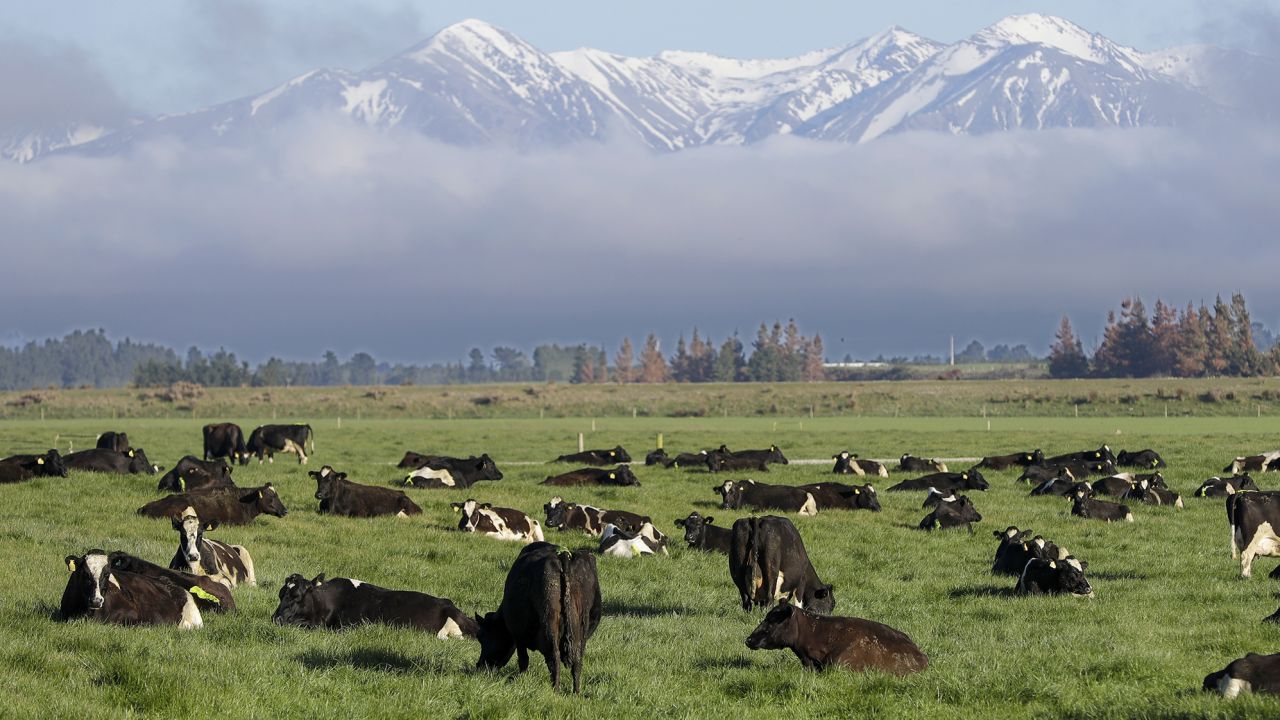
“Our plan was to keep farmers farming," Hoggard said. Instead, he said farmers would be selling their farms “so fast you won’t even hear the dogs barking on the back of the ute (pickup truck) as they drive off.”
advertisement
New Zealand’s farming industry is vital to its economy. Dairy products, including those used to make infant formula in China, are the nation’s largest export earner.
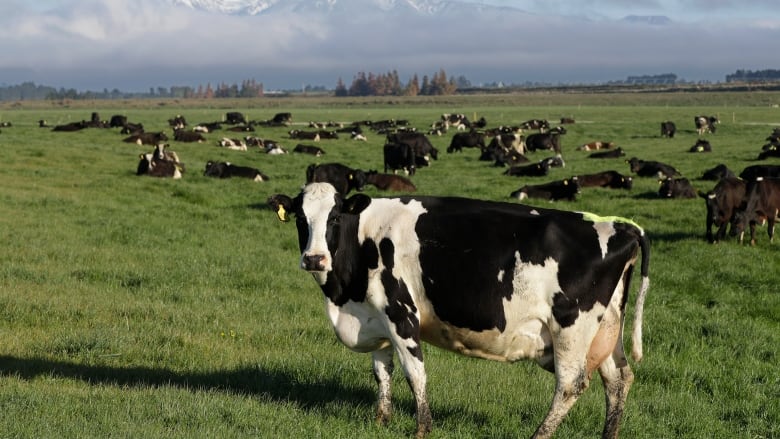
There are just 5 million people in New Zealand but some 10 million beef and dairy cattle and 26 million sheep.
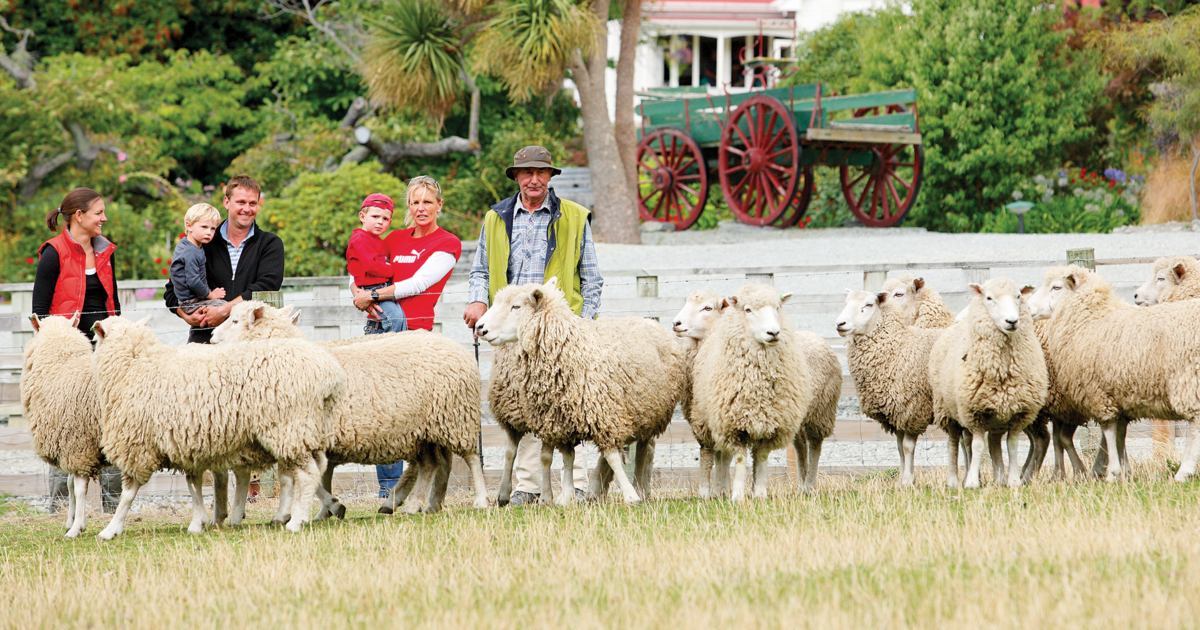
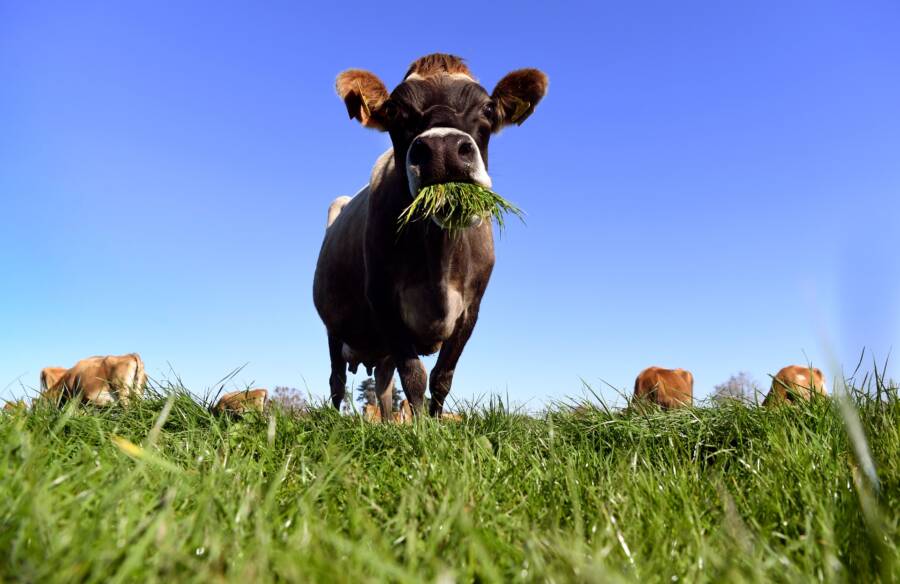
The outsized industry has made New Zealand unusual in that about half of its greenhouse gas emissions come from farms. Farm animals produce gasses that warm the planet, particularly methane from cattle burps and nitrous oxide from their urine.
advertisement
Agriculture Minister Damien O'Connor said it was an exciting opportunity for New Zealand and its farmers.
"Farmers are already experiencing the impact of climate change with more regular drought and flooding," O'Connor said. "Taking the lead on agricultural emissions is both good for the environment and our economy
advertisement
According to opinion polls, Ardern's Labour Party has slipped in popularity and fallen behind the main opposition National Party since Ardern won a second term in 2020 in a landslide victory of historic proportions.
If Ardern's government can't find agreement on the proposal with farmers, who have considerable political sway in New Zealand, it's likely to make it more difficult for Ardern to win re-election next year when the country goes back to the polls.