Certain foods and plants can poison your cat, but have you considered these other dangers?
advertisement
Antifreeze
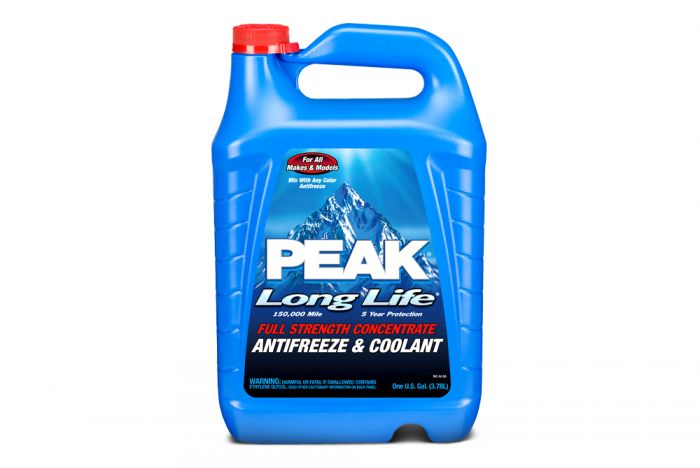
Antifreeze that contains ethylene glycol has a sweet taste that attracts animals but is deadly if consumed in even small quantities; one teaspoon can kill a seven-pound cat. The HSUS recommends pet owners use a safe antifreeze in their vehicles. Look for antifreeze that contains propylene glycol, which is safe for animals if ingested in small amounts. Ethylene glycol can also be found in common household products like snow globes, so be sure to keep these things out the reach of animals.
Human Medications
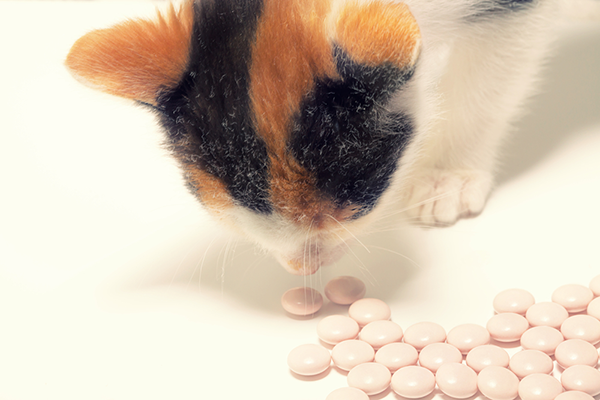
For several years, human medications have been number one on the ASPCA's list of common hazards. In 2009 alone, the ASPCA managed 45,816 calls involving prescription and over-the-counter drugs such as painkillers, cold medications, antidepressants and dietary supplements. Pets often snatch pill vials from counters and nightstands or gobble up medications accidentally dropped on the floor, so it's essential to keep meds tucked away in hard-to-reach cabinets.
advertisement
Garden Products
It may keep your grass green, but certain types of fertilizer and garden products can cause problems for outdoor cats and dogs. Last year, the ASPCA fielded 2,329 calls related to fertilizer exposure, which can cause severe gastric upset and possibly gastrointestinal obstruction. Cocoa mulch can be poisonous when large amounts are consumed usually more of a problem with dogs than cats.
Traps and poisons
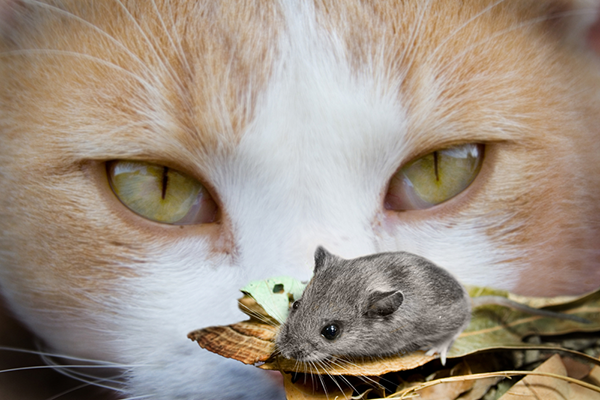
Pest control companies frequently use glue traps, live traps and poisons to kill rodents. Even if you would never use such methods to eliminate rodents, your neighbor might. Dogs and cats can be poisoned if they eat a rodent who has been killed by poison (called secondary poisoning).
advertisement
Cocoa mulch
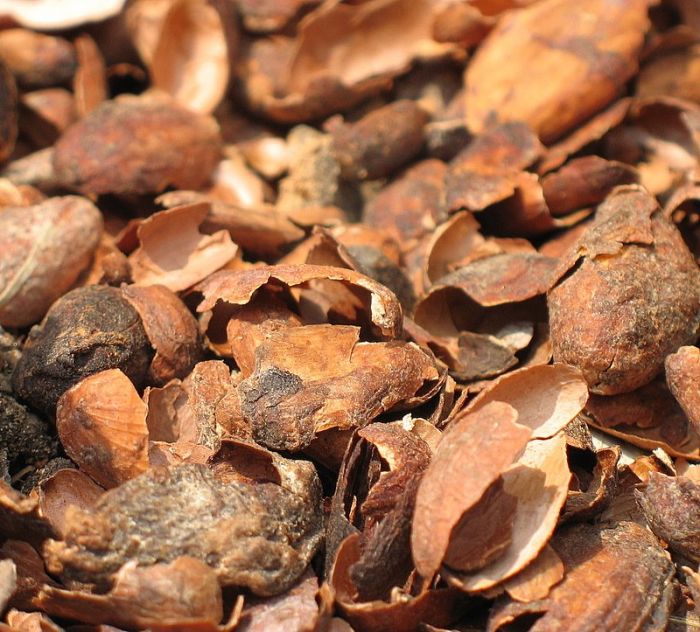
Cocoa mulch contains ingredients that can be deadly to pets if ingested. The mulch, sold in garden supply stores, has a chocolate scent that is appetizing to some animals.
advertisement
Mini Blinds
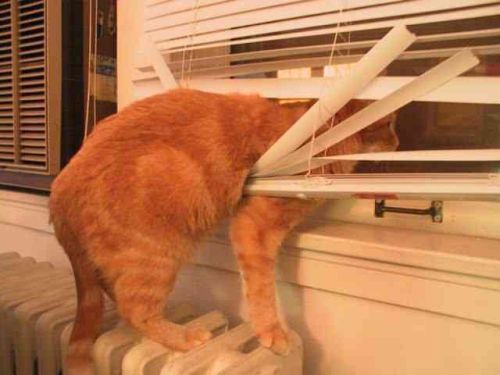
Cats, especially kittens, can easily hang themselves on mini blind cording. Discourage climbing the blinds by firing the squirt gun or shaking a dozen or more pennies-in-a-can.
advertisement
Insecticides
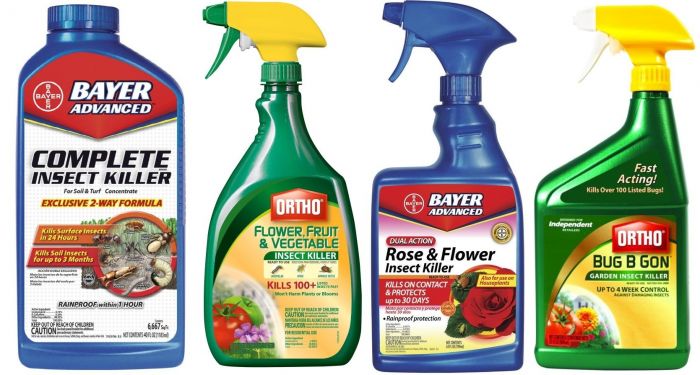
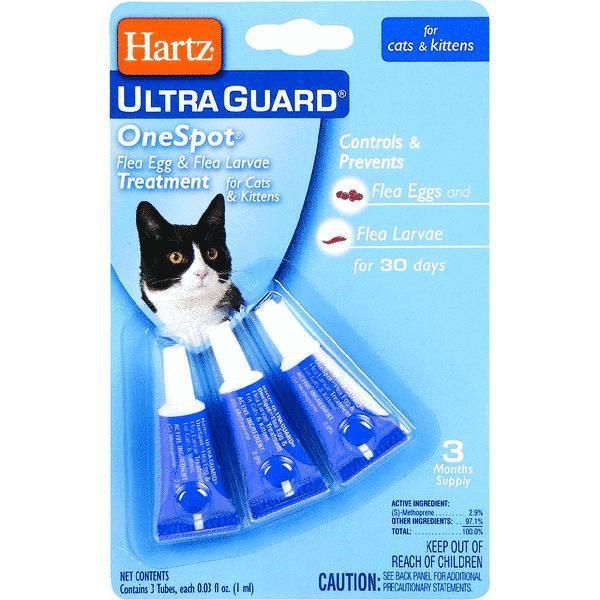
In our effort to battle home invasions by unwelcome pests, we often unwittingly put our furry friends at risk. In 2009, the APCC's toxicologists fielded 29,020 calls related to insecticides. One of the most common incidents involved the misuse of flea and tick products such as applying the wrong topical treatment to the wrong species. Thus, it's always important to talk to your pet's veterinarian before beginning any flea and tick control program.
advertisement
Poisonous household plants
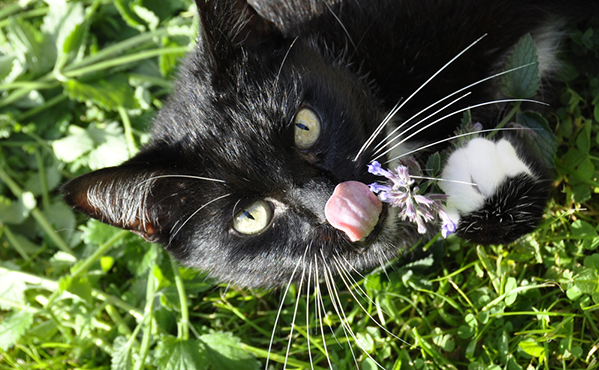
including azalea, dieffenbachia (dumb cane), lilies, mistletoe and philodendron
advertisement
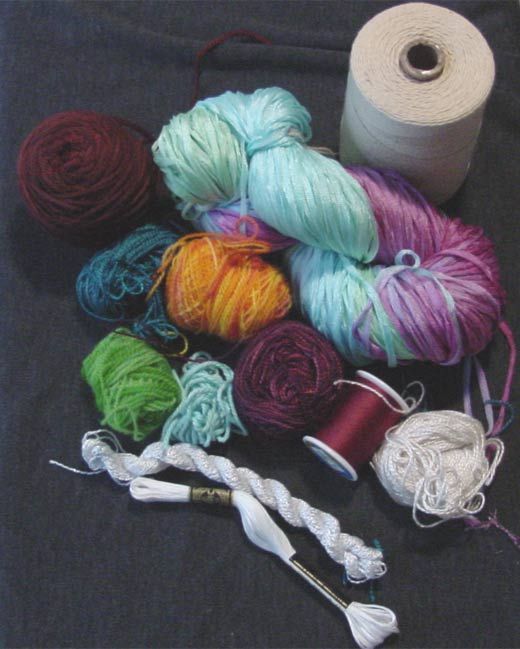
Tinsel, Thread, Dental Floss, Rubber Bands
Cats love string games, and they are quick to pounce on demon string whenever they see it. Fun! However, if your cat swallows some thread, it can cause severe intestinal damage and may require expensive surgery to remove.