

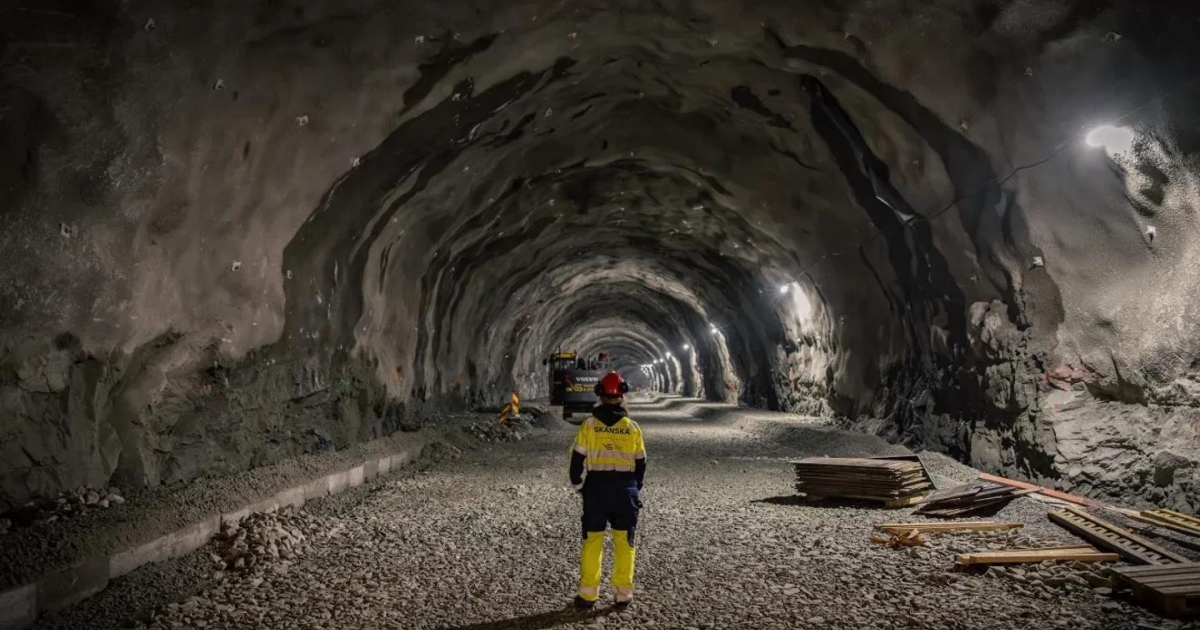
It will reach an incredible 1,286 feet below sea level
advertisement
A European country is moving ahead with plans to build what will soon become the world’s longest and deepest underwater road tunnel, a project expected to cost about $2.4 billion when finished.
The tunnel, known as Rogfast, will measure roughly 27 kilometers (17 miles) from end to end and sit 392 meters (1,286 feet) below sea level once completed.
The goal is to drastically reduce travel time for drivers along Norway’s rugged western coastline, where long trips and ferry crossings have been the norm for decades.
Norway already holds the record for the world’s longest road tunnel with the Lærdal Tunnel, which stretches 24.5 kilometers (15.2 miles).
By the time Rogfast opens in 2033, the country will add another major engineering milestone to its list.
The project is one piece of Norway’s larger plan to build a ferry-free route along the E39 coastal highway, making travel smoother for residents and visitors.
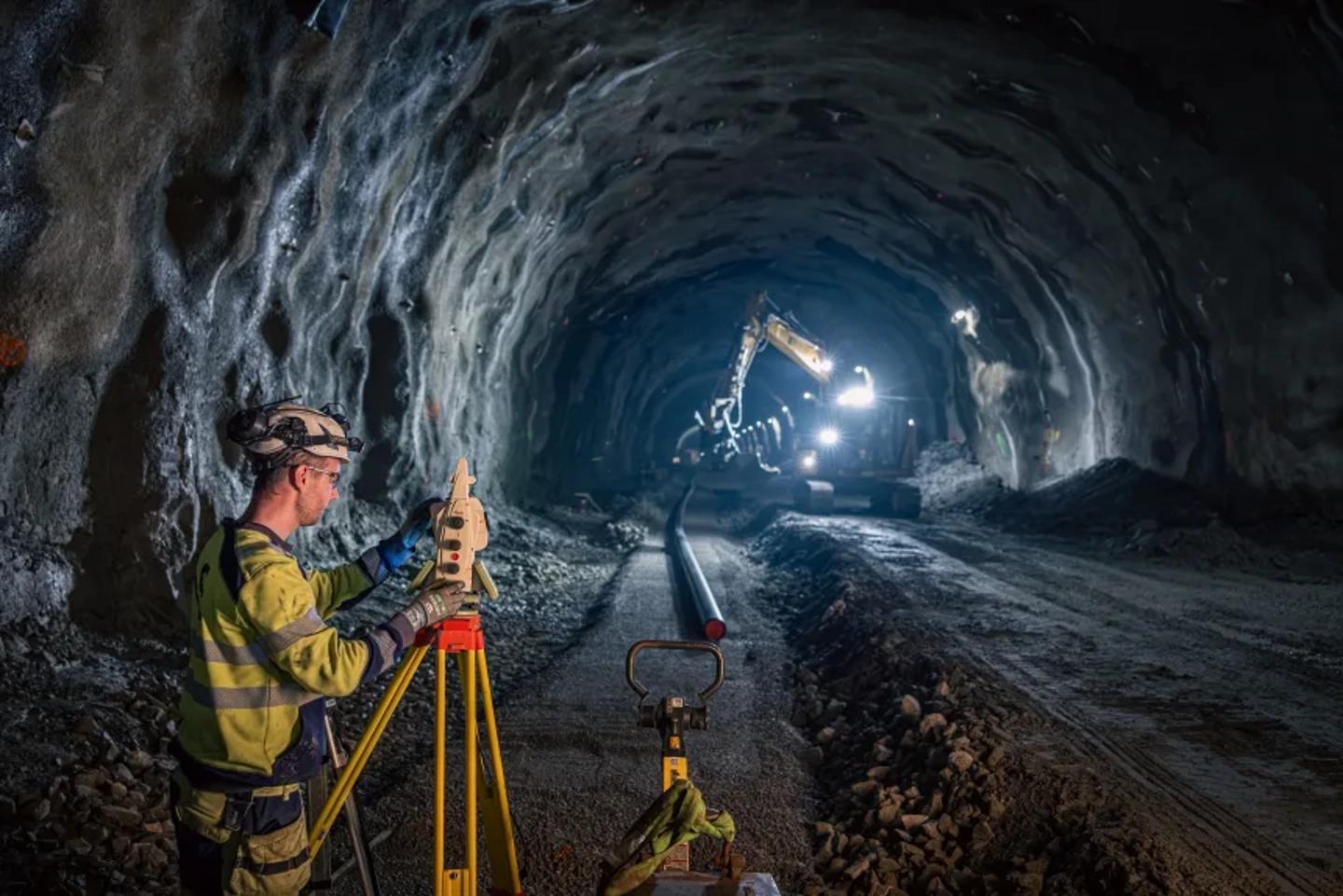
Construction was paused in 2019
Skanska
advertisement
The new tunnel is expected to provide a “faster and more reliable link” between Bergen — often called the gateway to the fjords — and Stavanger, the country’s fourth-largest city. The travel time between the two will drop by around 40 minutes.
The design features two separate tubes with two lanes each, and includes a rare double roundabout placed 260 meters underground, connecting the tunnel to the small island of Kvitsøy.
Construction first started in 2018 but came to a halt the following year due to rising costs, delaying progress.
Work resumed in 2021 and is expected to continue for another 12 years, putting the target completion date at 2033.
The region currently depends on ferries to get people and vehicles across, and while those roles will eventually disappear, Skanska construction project manager Anne Brit Moen told CNN that Rogfast will open the door to other opportunities by improving access to jobs, schools, and local services.
She also noted that better travel routes could help support the local economy, including the seafood industry that many coastal communities rely on.
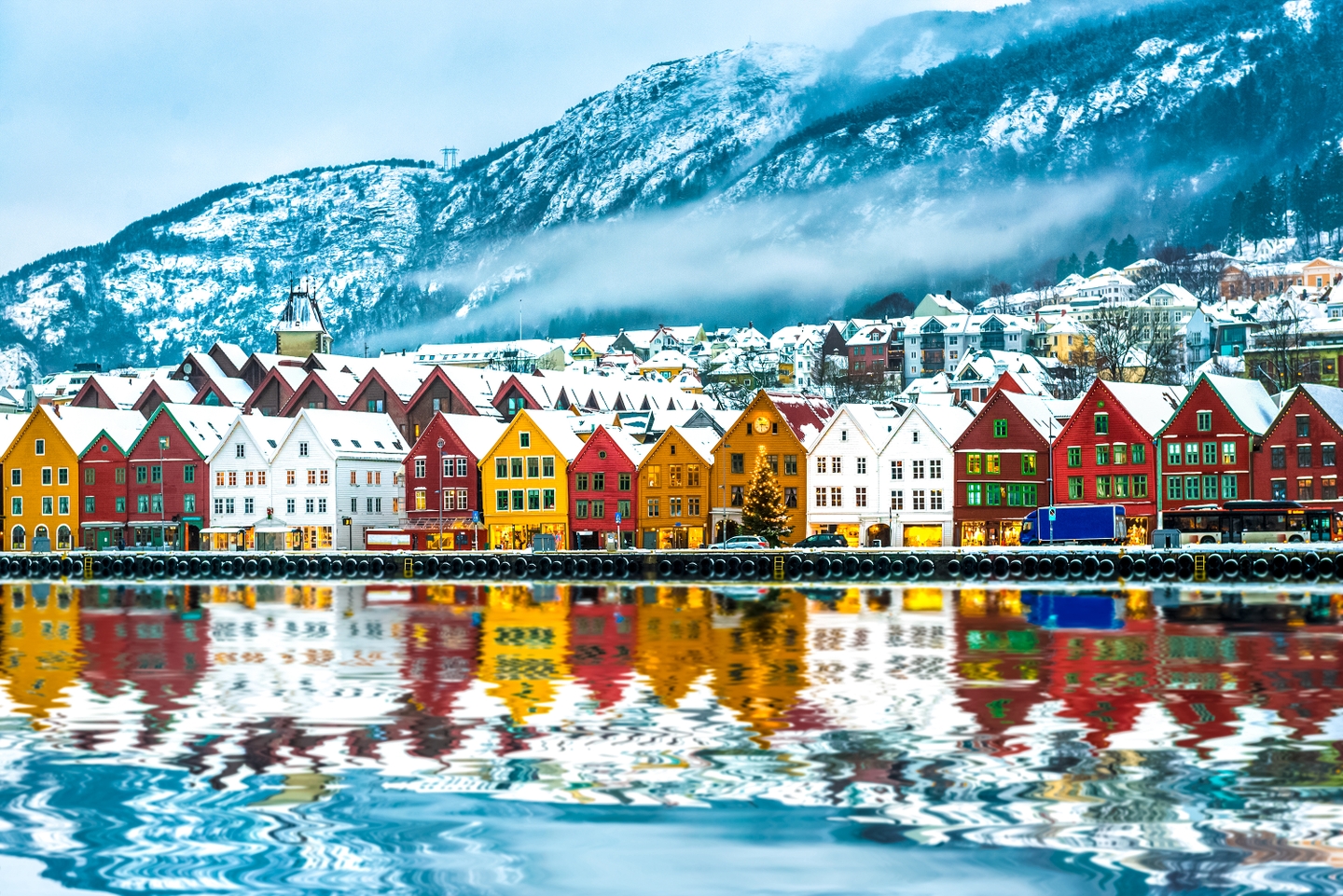
The tunnel will link Bergen with other areas on Norway's west coast (Vychegzhanina/Getty Images)
pictured
advertisement
"The project also creates substantial employment during construction and lays the groundwork for more sustainable and integrated regional development along Norway's fractured western coastline," she added.
Rogfast — short for Rogaland fastforbindelse, which means “fixed link” in Norwegian — forms part of a broader 1,100-kilometer (684-mile) coastal highway upgrade.
The finished E39 route will stretch from Trondheim in the north all the way down to Kristiansand in the south.
advertisement
Right now, traveling the full route can take up to 21 hours by car, and the journey includes seven separate ferry crossings. Yes, seven in one trip.
The updated E39 highway will cut that total travel time roughly in half by replacing ferries with modern tunnels and bridges.
The full E39 redevelopment is a massive undertaking and is not expected to be fully complete until 2050.
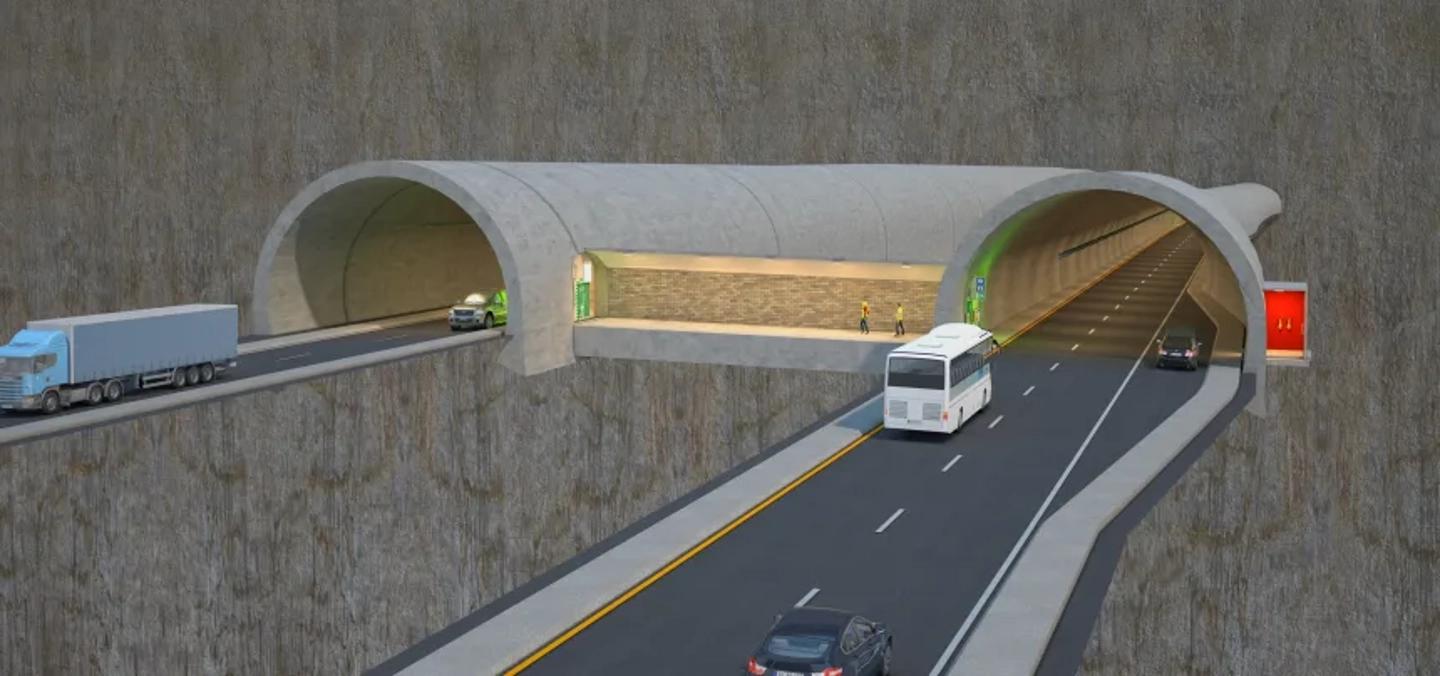
The dual-tunnel system
Skanska
advertisement
Elsewhere in the world, Japan still holds the title for the longest underwater rail tunnel with the Seikan Tunnel, which spans 53.85 kilometers (33.46 miles).
It runs beneath the Tsugaru Strait between Honshu and Hokkaido and reaches a depth of 240 meters (786 feet) below sea level.