

When a nose is picked or plucked, a natural defense against bacteria entering the blood and traveling directly to the brain is breached, according to researchers at Griffith University.

Nose Picking Could Put You At A Risk Of Alzheimer's And Dementia, Says Study
By
Haider Ali in
Health and Fitness
On 3rd November 2022
advertisement
A shocking new medical study has discovered that picking your nose may increase your chances of dementia.
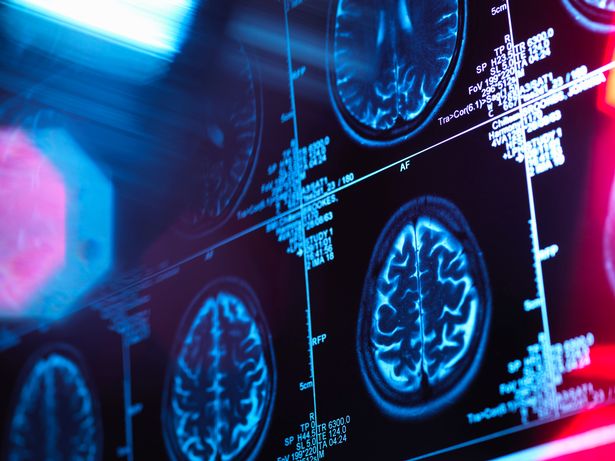
The research, done at Griffith University in Australia, demonstrated that germs can enter the bloodstream through damaged nostril interiors and go straight to the brain.

Getty Images
The nose's mucus and hairs act as a natural barrier to stop the bacteria from entering the brain.
However, some of those natural defenses are removed when someone picks their nose.
Researchers investigated what occurs when Chlamydia pneumoniae, a typically unharmful bacteria that cause sinus problems, is exposed to the nerve that connects the nose to the brain.

Getty Images
advertisement
In the study, mice have been used, and within 72 hours, detectable levels of the bacteria were identified in the brain. A month later, the animals developed clumps of a protein plaque linked to Alzheimer's disease.
Over 900,000 people in the UK have dementia, the most prevalent form of which is Alzheimer's.
Getty Images
Lead study author Professor James St John, from the university, said: "We're the first to show that Chlamydia pneumoniae can go directly up the nose and into the brain where it can set off pathologies that look like Alzheimer's disease.”
"We saw this happen in a mouse model, and the evidence is potentially scary for humans as well."

Getty Images
advertisement
The olfactory canal, which is the fastest route for invaders to travel between the brain and nose, was used by the Griffith University team to infect the mice with Chlamydia pneumoniae.
Other harmful bacteria, including deadly brain-eating amoeba, can also enter the body through this pathway and kill the host.
The olfactory systems of mice were used for the study because they work and are organized similarly to those of humans.
advertisement
When a person becomes infected with Chlamydia pneumoniae, it often results in pneumonia, sore throats, ear infections, sinusitis, and other sinus-related conditions.
Professor St John added: "Picking your nose and plucking the hairs from your nose is not a good idea.”
"We don't want to damage the inside of our nose and picking and plucking can do that.”
"If you damage the lining of the nose, you can increase how many bacteria can go up into your brain."
Professor St John said his team "needs to do this study in humans and confirm whether the same pathway operates in the same way."