

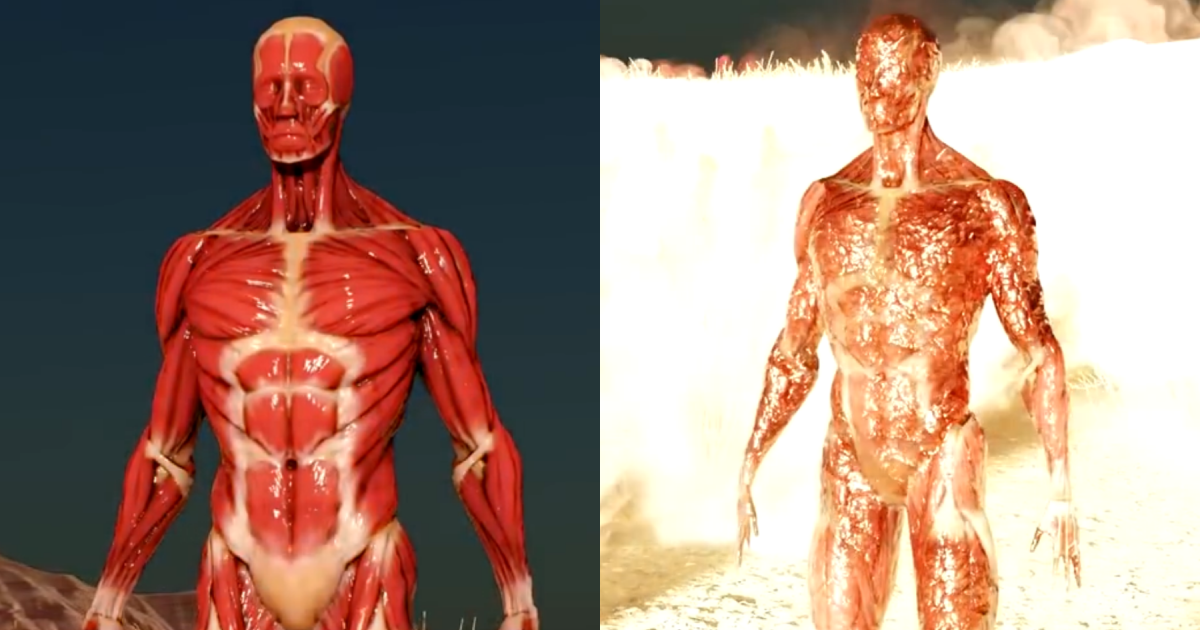
Just in case you were wondering exactly what happens when you get vaporized by a nuclear blast.
advertisement
A disturbing video goes into shocking detail about the specific injuries the human body would endure at various distances from a nuclear explosion.
While it’s obvious that being at the very center of the blast would lead to instant death, being farther away doesn’t necessarily mean you’re safe.
In fact, if you're located a little farther out, the process could be much slower and more agonizing.
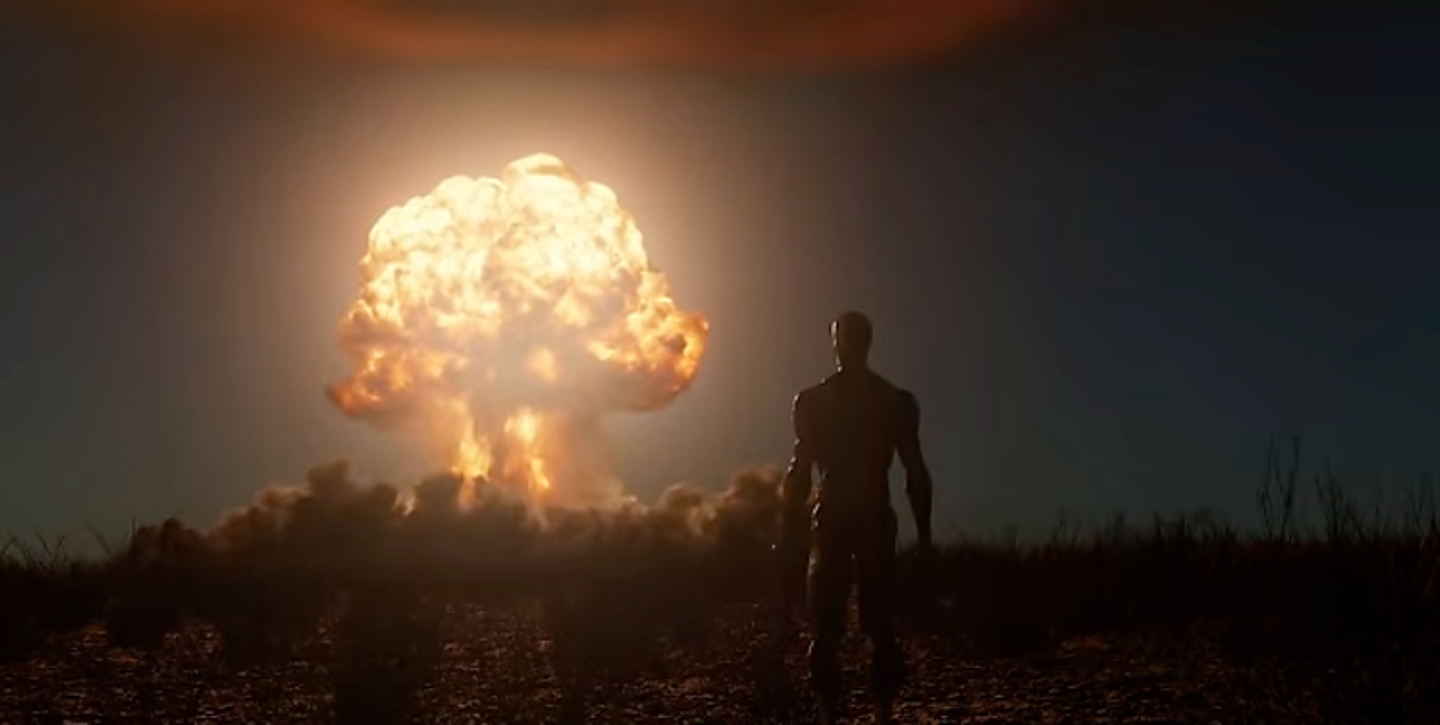
Well, that ain't good
YouTube / atomic marvel
The simulation demonstrates what could happen to someone at different distances from the explosion and gives a rundown of the injuries you might suffer and whether you would survive.
A fair warning, it gets very grim from here on out.
In the video, the example given is the Trinity Test, which was an explosion equivalent to 20 kilotons of TNT—a relatively small nuclear blast, all things considered.
advertisement
It starts with zone 1, located about 1.27 km from the center of the blast, where you would experience what’s termed as 'light blast damage'.
That might sound like a bit of luck, but in reality, it means you could be permanently blinded if you happened to be looking at the explosion, with your retinas burnt out by the intense light.
Before the shockwaves hit, nuclear explosions release an incredible amount of light and heat, which can do serious damage even from a distance.
We’ve seen the effects of this in images from Hiroshima, where the shadows of people caught in the explosion were seared onto the walls behind them.
At this distance, you might also suffer second-degree burns and experience hearing loss.
In zone 2, things get worse with a pulse of thermal radiation that causes third-degree burns along with ruptured eardrums.
advertisement
Third-degree burns are those that destroy your nerves completely, so the silver lining is that you wouldn’t feel pain—but, of course, you wouldn't feel anything else either.
Next, we move into zone 3, where the damage is described as 'heavy blast damage', and survival is highly unlikely.
This zone comes with fourth-degree burns, the most severe kind, along with internal bleeding and traumatic brain injuries.
advertisement
In zone 4, you're closer to the fireball itself, and the result is being incinerated while still alive, torn apart by the shockwave. The only mercy here is that it would be over quickly.
Finally, there’s the fireball, where whatever is left of you gets carried off by the wind, spreading radioactivity to the surrounding environment, including crops and fields.
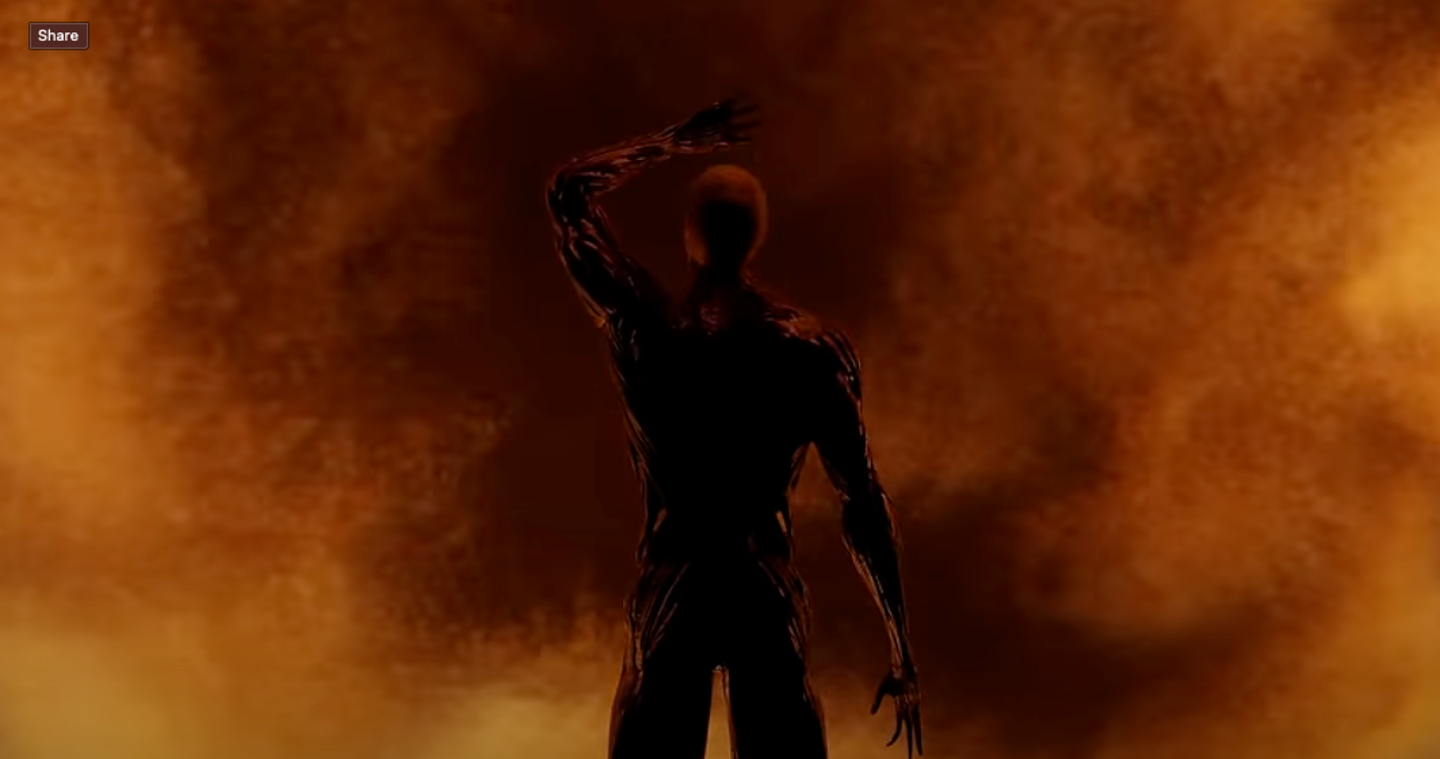
Everything's fiiine
YouTube / atomic marvel
Of course, as shown in excruciating detail in the 1984 British-Australian film Threads, those who are vaporized in the first moments of a nuclear blast may be the lucky ones.
advertisement
The movie delves into the horrors of what happens after a nuclear war, particularly the breakdown of society in the UK following an international nuclear exchange.
In the film, Britain is plunged into chaos, with food riots, military authoritarianism, and even the breakdown of language and communication itself, as education collapses and people are forced into subsistence farming.
The final scene of a woman living in this bleak, post-apocalyptic world, screaming in horror at the sight of her stillborn child, really drives home the point that instant vaporization might actually be the best option in the event of a nuclear apocalypse.