

A nurse has noticed that many people tend to say the same few phrases as they approach their final moments.

Nurse Shares The Four Common Final Phrases She Often Hears Before Patients Pass Away
By
Khadija Pervez in
News
On 9th August 2025
advertisement
A hospice nurse has opened up about a surprising pattern she’s noticed — there are a few common final phrases people say before passing away, and they’re nothing like the dramatic scenes you see in films.
While the thought of life ending can understandably feel overwhelming, those who work closely with the dying say the actual moment is often calm, far less frightening than people expect, and not as dramatic as it’s sometimes portrayed.
Kathryn Mannix, a palliative care doctor and author of With the End in Mind, once explained in a TED Talk that dying is simply “as much a process as the process of giving birth is,” aiming to take away some of the fear surrounding it.
Julie McFadden, a hospice nurse from California who’s known online as Nurse Julie, has been working with patients at the end of life for 16 years. She’s now using her platform to help people feel less afraid of death.
While chatting with NHS surgeon and podcaster Dr. Karan Rajan, she shared that, in some cases, people seem to decide for themselves exactly when they’ll go.
"They basically will say, 'I'm going to die after this date' or 'I'll wait for my daughter's wedding'. I've literally had a patient say; 'I'm dying tonight' and then die even though they weren't actively dying." she told him during their conversation on the Dr Karan Explores podcast.

Apparently, many patients say the same thing before they pass
Getty Stock Image
advertisement
Julie admitted she still doesn’t fully understand how this happens, saying: "They did not take anything, they did not do it. I could not believe it... jaw on the floor, like what the heck?"
While that idea may be comforting — thinking we might get some control over our final moments — she’s also noticed there are a few phrases she hears again and again before people pass.
In an interview with DailyMail.com, she explained that patients will sometimes call out for loved ones who have long since passed away, such as a parent or an old partner they haven’t seen in decades.
Julie says she’s often heard patients softly say “I love you” to the people around them, but she’s quick to point out that it’s very different from what you see in Hollywood scripts.
"It's not usually at their last breath. A lot of people think it's like the movies - a dramatic, last proclamation of something they've always regretted or something they always wanted everyone to know. It's not really like that." she explained.
Other words she hears often include “Thank you,” “I forgive you,” “Please forgive me,” and simply “Goodbye.”
advertisement
Interestingly, she’s also noticed that bilingual patients sometimes switch languages toward the very end.
One example she gave was: "Their first language is Italian but they've been living somewhere where they've been speaking English for 50 years, but when they're getting close to death, they'll revert back to speaking Italian."
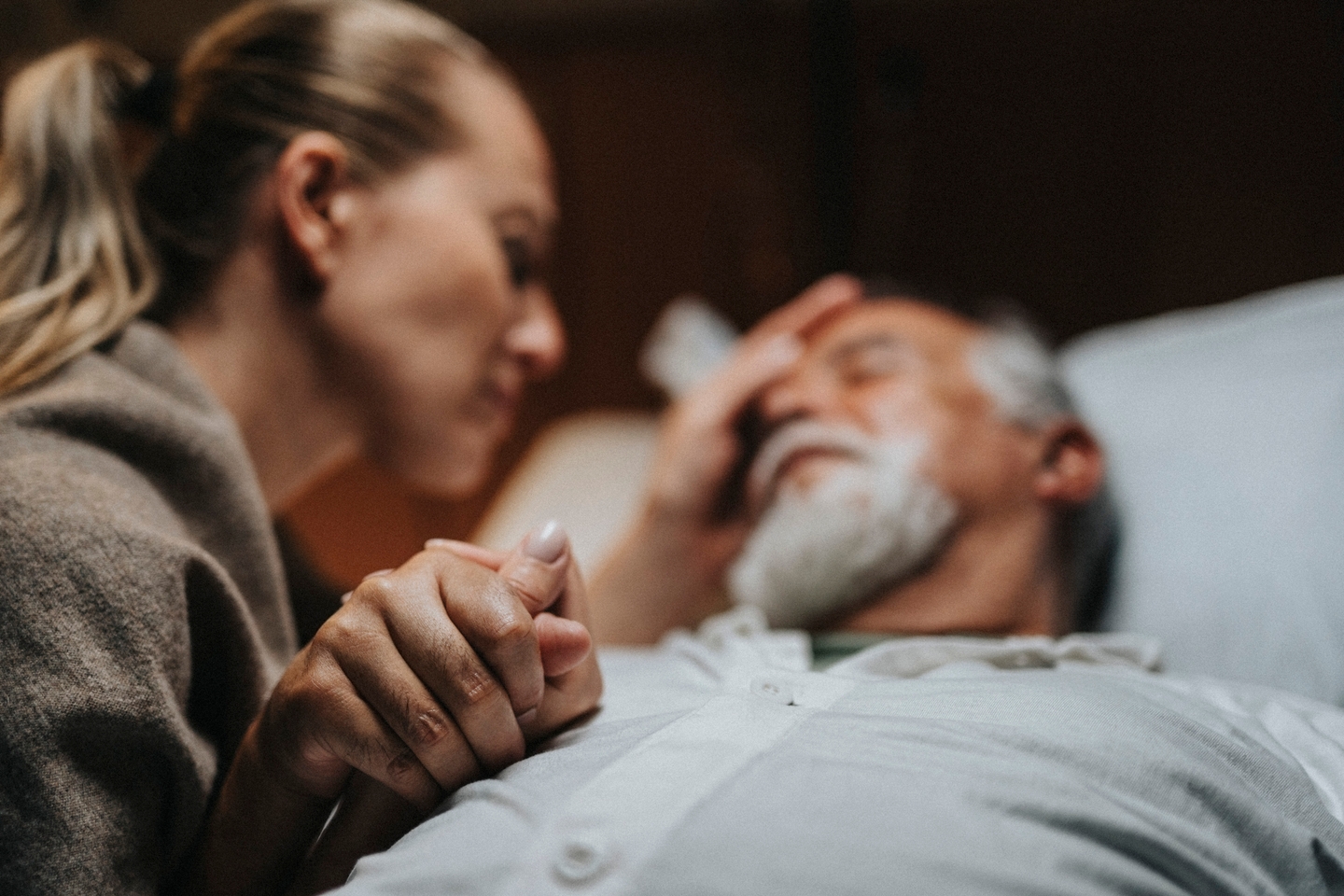
She said patients have been known to suddenly switch languages
Getty Stock Image
advertisement
"And their family hasn't been hearing them speak Italian for years and years and years and now they'll only speak Italian, or only speak some like random Yiddish language from their hometown that they haven't been to and 80 years or something crazy."
"Sometimes they'll say things that just don't make sense. But sometimes, they don't make sense to us, but they might make sense to them. There'll be saying, 'I just need to go home.'"
When people talk about “going home,” she says they may mean it in a spiritual sense, adding: "People constantly talk about home or going somewhere else, or needing to leave they're going on a trip."
advertisement
When it comes to final regrets or reflections, Julie, whose hospice cares for terminally ill patients, shared: "Speaking with people daily who are dying, the biggest thing is not appreciating their health."
"We take a lot of things for granted - being able to see being able to eat, swallow, walk, live completely pain free. A lot of people say they didn't appreciate that and they wish they would have."
She also said many wish they hadn’t spent so much of their life working, and some — especially women — regret years spent dieting or worrying about their appearance instead of simply enjoying life.