If you live in a place that experiences the seasons, then you already know some of the effects different weather has on the body. In the fall, your sleep pattern can change, you can get exhausted from the heat in the summer, and the spring brings with it red eyes and scratchy throats. But the winter? Now that's a whole other beast entirely, and when the cold weather sets in, your body starts to do some strange things. Fall is long behind us, and spring is still months away, so get ready for these weird things your body does when it's cold, because it's going to be happening a lot now. Happy winter.
Odd Things That Happen To Your Body When It’s Cold Outside
By
Editorial Staff in
Health and Fitness
On 18th November 2017
advertisement
#1 Your energy expenditure decreases
The body will inherently source and spend its energy levels differently in order to keep itself warm. During this process, the body will reduce some of its muscle contractions and reallocate the amount of carbohydrates used. As temperatures get a lot colder, your nervous system slows down a little bit and the impulses that move your muscles slow down a little bit. Simultaneously, the body will use more carbohydrates to produce lactic acid. This lactic acid combined with the deceleration of the nervous system will force the body to slow down, so that it can retain heat.
#2 Your nipples get hard
Cold weather can also make your nipples get hard. The small muscles around the hair follicles on your nipples contract in the cold, which makes the nipples themselves protrude outward. Another reason for "beaming" in the cold is that the areola — the colored area around the nipples, for those who missed health class — is one of the most sensitive and easily stimulated parts of the body, so when they get cold, their muscles also contract, which in turn makes the nipple stick outward. No one likes beaming, but hey, it happens to everyone.
advertisement
#3 Blood vessels constrict
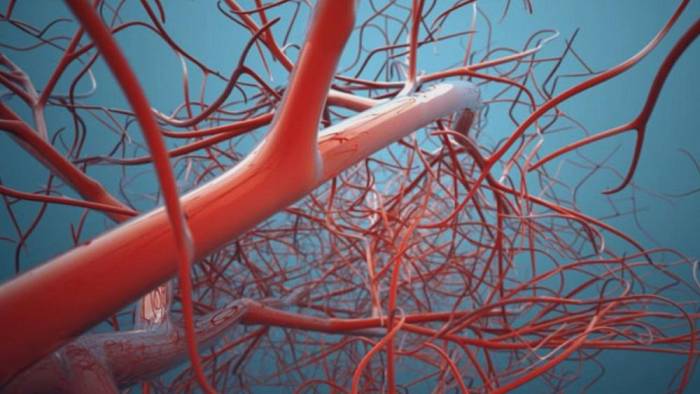
When temperatures hit 50 degrees, your blood vessels narrow to reduce blood flow near the body’s surface. Sometimes the blood vessels dilate and burst, which causes redness. This can also numb your hands.
#4 You shiver
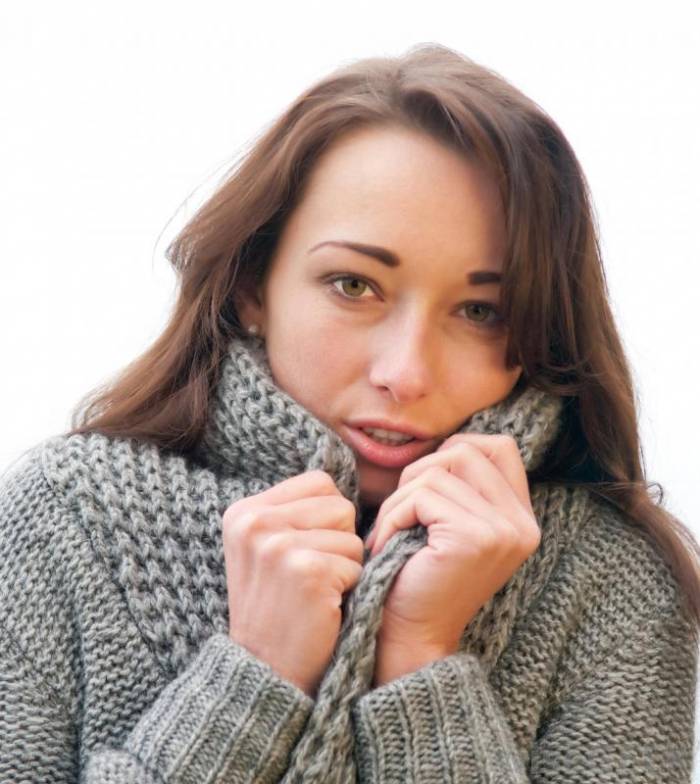
Of course you shiver when it’s cold—duh. But the reason you do is utterly interesting. When vasoconstriction isn’t doing enough to warm you, the hypothalamus tells your muscles to start contracting. One of the byproducts of muscle contraction is heat. Garden-variety shivering produces about 100 watts of heat. If you get cold enough to enter into mild hypothermia, you can produce 400 to 600 watts of heat through shivering.
advertisement
#5 Your brown fat stores increase
Essentially, brown fat, unlike white fat, is preferred because it is metabolically active, meaning it helps maintain body temperatures by burning calories. While white fat is typically useless for anything other than storing energy, you want to increase your stores of brown fat if you’re trying to adapt to cold weather.
The research about changes in resting metabolism was backed up years later through a 2014 study in Diabetes, which examined the relationship between cold adaptation and brown fat stores in humans. During the study, five participants slept in a controlled chamber set at a variety of temperatures for four month-long periods. After a month of sleeping in a 66-degree room, the participants’ brown fat tissue doubled, along with their sensitivity to insulin. Resting metabolism also increased during this cold-adaptation phase. Later, when the participants slept in an 81-degree room for a month, all of these changes were reversed.
advertisement
#6 You get goosebumps
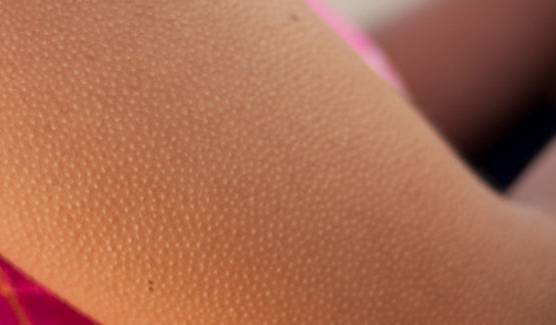
Goosebumps are a defense mechanism that Two people sat in front of a fireplace humans have evolved over thousands of years to protect themselves against the cold. When you get goosebumps, it causes the hairs on your body to stand on end. Many generations ago, when humans were much hairier than they are now, goosebumps helped to trap a layer of air around our bodies and form a protective insulating layer over the skin. Of course, these days most humans have much thinner hair on their arms and legs, so while the goosebumps reflex remains, it’s not really that useful any more.
advertisement
#7 Your vision might suffer
Mind your eyes. Exposure to excessively cold temperatures, cold wind and snow may affect your vision, according to experts. Sun bouncing off snow piles or banks may also pose a risk by potentially causing a cornea injury or burn. Make sure to wear proper eye-wear when participating in snow sports and try to wear sunglasses when you can
advertisement
#8 You have trouble catching your breath
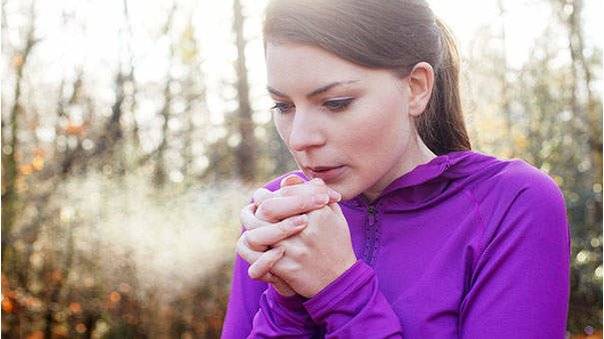
Normally when you inhale air, your nose helps moisten, humidify, and warm it before it moves down to the lungs. But in some people, like patients with asthma, or in some cases where the weather is just so bitter cold, the air doesn’t warm up enough first, which causes the lungs to spasm and constrict, which makes breathing difficult.
advertisement
#9 Men's scrotum shrink
In cold weather, a man's scrotum will change its size and get smaller to help protect the testicles and maintain the right internal temperature required to produce sperm. It might not be the best look, but it's certainly necessary.