We wish we could have just one more meal at these famous restaurants, but they no longer exist.
Once Popular Restaurant Chains That We Loved Growing Up
By
Editorial Staff in
History
On 2nd May 2016
advertisement
#1
Remember growing up and relishing the opportunity to go out to eat dinner at a restaurant? It was a rare occasion to go out to eat and we just loved it when it was our turn to choose. Or if we were travelling and we saw a sign for our favorite spot just up the road, it was always worth the trip. Did you ever try to eat every flavor of ice cream from the Howard Johnsons or collect the Looney Tunes glassware from Carrols? Good times. Sadly, lot of our favorite childhood eateries are no longer around for our children to enjoy.
#2 Howard Jonhson's
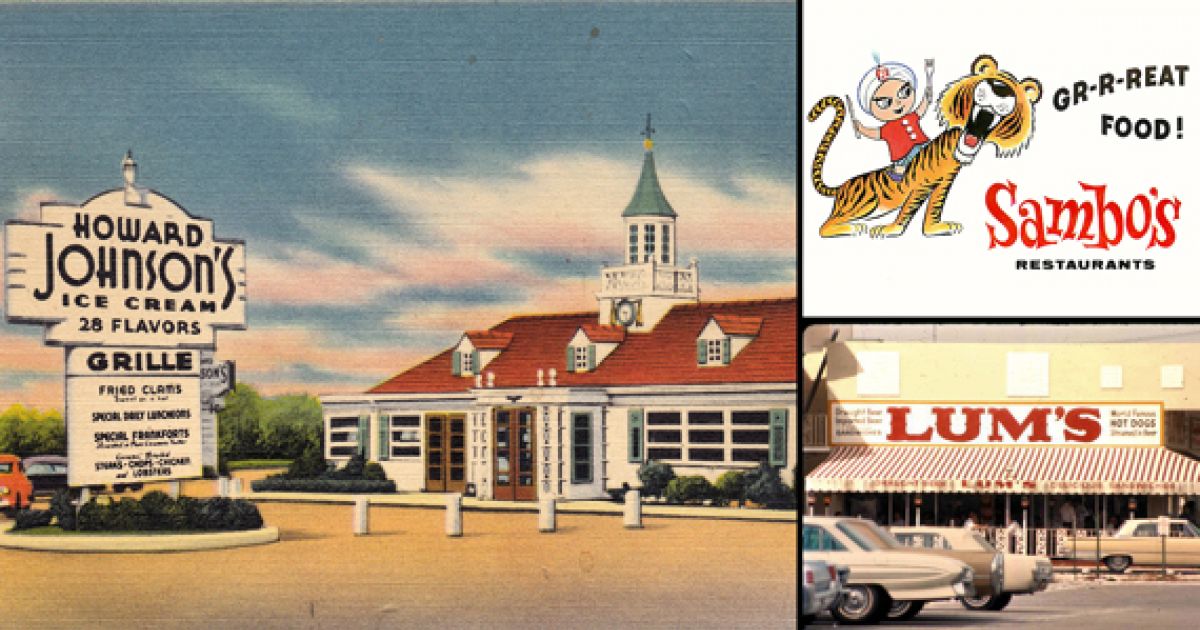
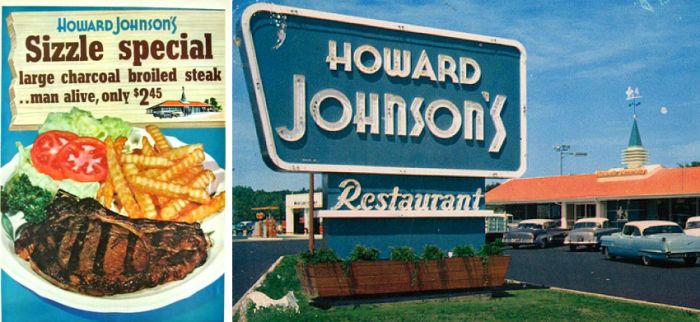
We called it HoJo's. Once the most popular eatery for families in the entire country, you could always find a Howard Johnson's restaurant, and sometimes one with a hotel, when travelling. Known as the place to stop on road trips and for its many flavors of ice cream, HoJo's had over 600 locations around the country at one point, but the rise of fast food chains lead to its demise. Today, only two locations remain. One in Lake George, New York, and the other in Bangor, Maine.
advertisement
#3 Sambo's
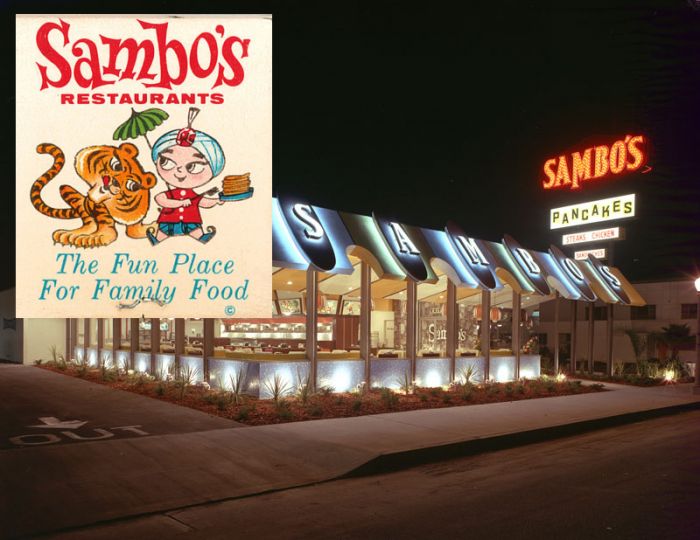
It wasn't as offensive as people believed it was. The chain of eateries was named after its two founders Sam Battistone and Newell F. Bohnett and not the children's book. However, they used a cartoon character fashioned after Little Black Sambo, but he was Indian rather than African, so as not to offend black patrons. The restaurant chain grew to over 1,100 locations in the early 1980s, but bad finances forced the company to file for bankruptcy. With the controversy surrounding the name, the chain went under, with many units becoming Denny's outlets. Only the original location in Santa Barbara remains.
#4 Minnie Pearls Chicken
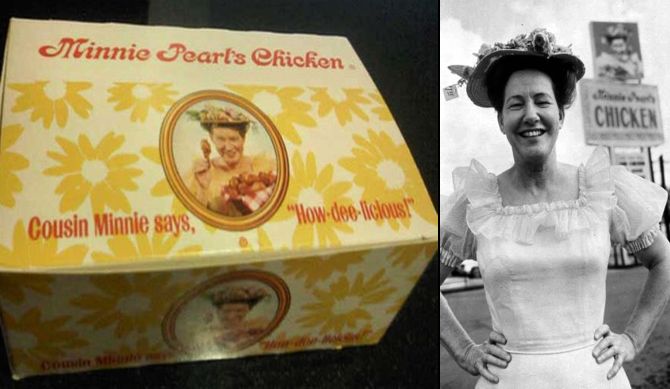
This was a fairly famous franchise of the late 1960s/early 1970s, not for the chicken but for reputedly fraudulent practices by the franchiser. This chain went under during the great shakedown of 1972 and almost took Minnie Pearl's good name with it. She had lent her name to the company but had nothing to do with the business itself, and after growing to 500 locations, the chain lost $1 million in 1968. Not to mention that customers were confused because each restaurant had a different chicken recipe.
advertisement
#5 Carrol's
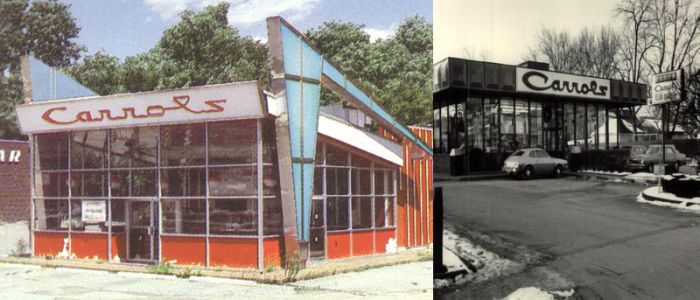
Before McDonald's and Burger King, Carrols was the burger chain that had everyone craving more. McDonald's has the Big Mac and Burger King has the Whopper, but Carrols had the Club Burger. Carrols also sold popular Looney Tunes drinking glasses that can be found in many a local flea market, with plenty more likely tucked away as family keepsakes. The New York based company began losing money in the middle to late 1970's and it's parent company, The Carrol's Corporation bought part of Burger King. Today, the corporation is the largest franchisee of Burger King in the US, operating over 700 Burger King restaurants.
advertisement
#6 Wag's Restaurant
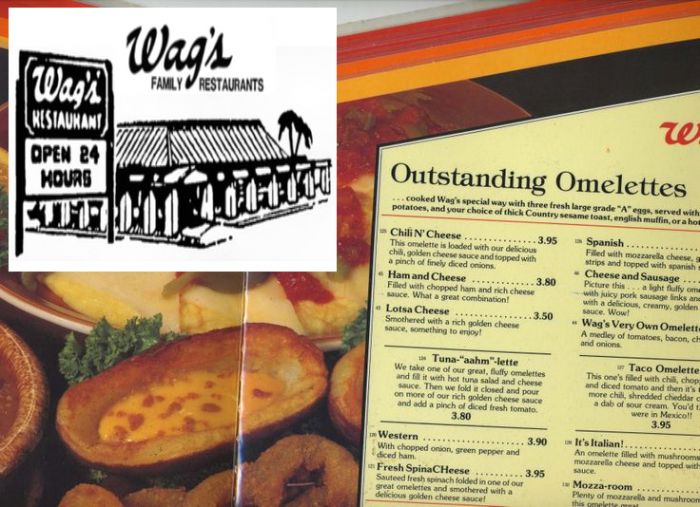
The drug store Walgreen's went into the restaurant business in the 1970's by opening Wag's Restaurants and modeling the locations after Denny's and Big Boy restaurants. The 24-hour diner didn't catch on for some reason and the 90-plus stores were sold to Marriott in 1988. After operating the diners for a few years, the hotel chain attempted to sell off the restaurants in the early '90s. but didn't have a buyer. All of the locations were finally sold off for property in individual sales.
advertisement
#7 Sandy's
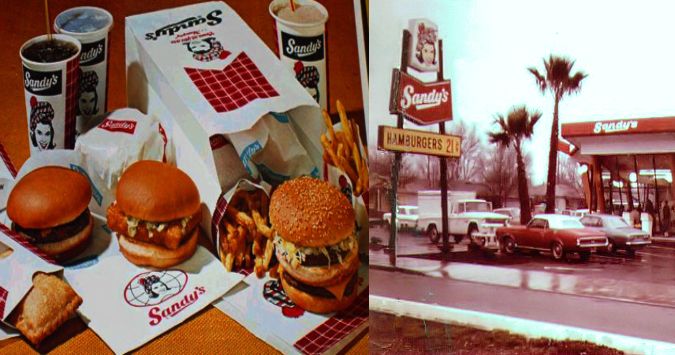
The four founders of Sandy's originally operated some of the earliest McDonald's franchises in the country when they first became available. But after they couldn't open a new location in Peoria, Illinois, they decided to start their own business instead. The Scottish-themed Sandy's opened in 1956, expanding on what McDonald's had done. The owners closed their McDonald's stores and converted them to Sandy's and began a chain of over 375 burger joints. In the early 70s, Sandy's merged with Hardee's, and the brand all but disappeared by 1977.
advertisement
#8 Arthur Treacher's Fish & Chips
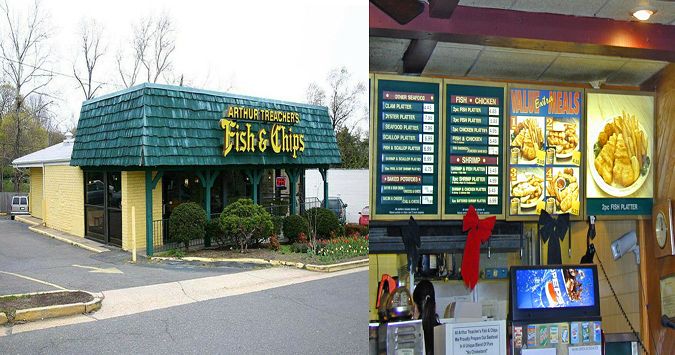
Part of the late 1960s wave that brought us Long John Silver's and H. Salt. They were pretty big at one point judging from the number of their former lamp-shaped signs still standing in cities from Charlotte to Fresno. Most Americans probably had no clue who Arthur Treacher was, which may explain why the chain ultimately didn't do so well, but it DOES still exist. The franchise hit its peak in the early 1980's with 800 locations but that number is slowly dropping. In 2011, they opened 25 new shops but had 37 close that same year. Most of the shops still open are independently owned and not part of the franchise that was started in 1968. For those who don't know, Arthur Treacher was an actor and dancer known for his roles in 2 dozen Shirley Temple films, Mary Poppins, and on the radio as the father of Baby Snooks.
advertisement
#9 Red Barn
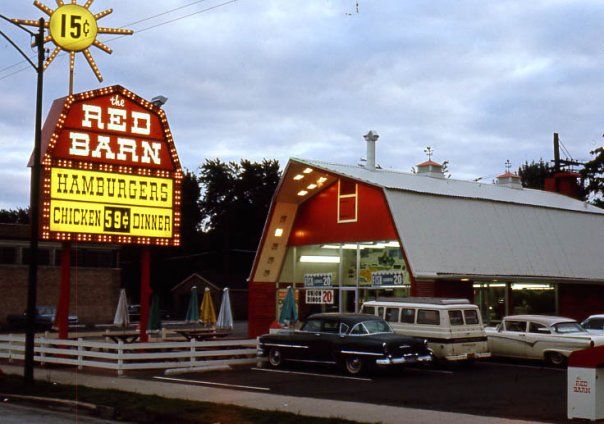
"When the hungries hit, hit the Red Barn." That's exactly what customers did for more than two decades. The fast food chain, founded in 1961, served up "Big Barneys" and "Barnbusters" in 19 states. By the '80s, Red Barn's parent company was bought out by Motel 6, and the chain eventually went defunct. Several of the restaurants were bought out by Wetson's, a NY city based burger joint that copied McDonalds in every way, complete with 15-cent burgers and two clowns for mascots. By the end of the 1980's that chain closed its last shop for good as it was unable to compete in the growing burger field.
advertisement
#10 Steak & Ale
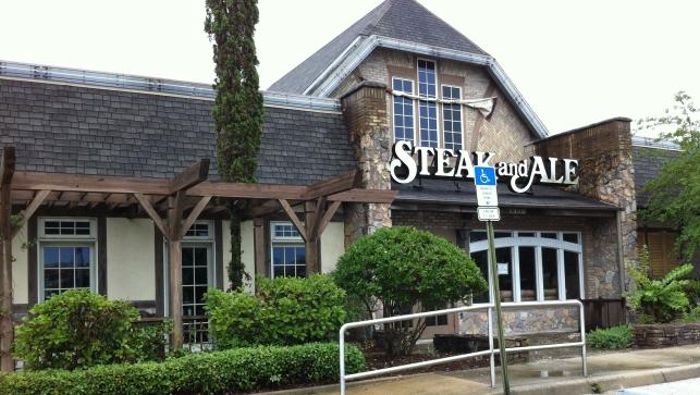
The low prices and great quality of the food helped the casual dining restaurant eventually grow to open over 100 locations across 24 states. But the success of other restaurants like Chili's and Applebees lead to Steak and Ale's decline and eventual closure. In the early days, they offered a filet mignon steak for $2.00 and a seafood and steak platter for $7.00. The chain closed its doors in the early 1990's but was optioned by the company that operates Bennigans, and they are planning to reopen the Steak & Ale restaurants in the future by changing existing Bennigans shops to Steak & Ale then selling new location franchises.
advertisement
#11 Valle's Steak House
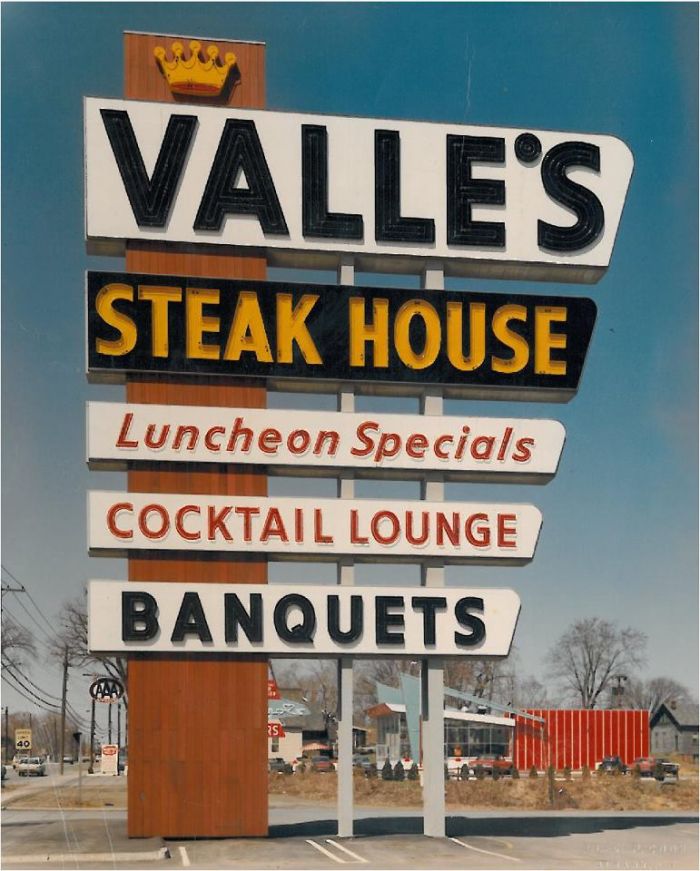
A unique dining experience with quality food was the key to Valle's Steakhouse's success. They had seating at long tables like on a ranch, and the food was served banquet style. Employing over 3,600 people, owning a cattle ranch in Wyoming, and having an exclusive deal with a slaughterhouse in Chicago, the restaurant was on the popularity rise when the owner passed away. With a sizeable inheritance tax after the founder died and left the company in debt, this ended up being the company's ruin. After a forced buyout in the 1980s, the company slowly closed down its locations, with the last one closing in 2000.
advertisement
#12 Lums
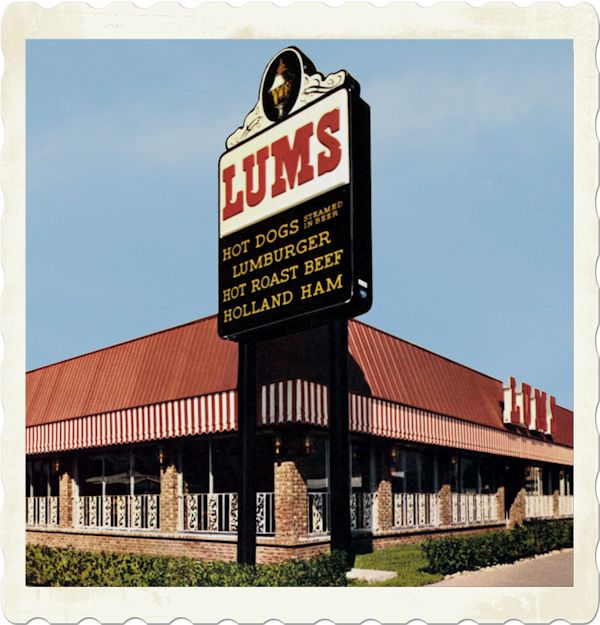
Lum's restaurants were the original Applebee's and TGIFriday's. Offering a simple, low-cost family menu, they had a gay 90's vibe and decor, featuring hot dogs cooked in beer and the famous Ollieburger. The company was based in Miami and opened near the end of the 1950's. By the middle 60's they had grown in popularity and were all over the East Coast. In 1969, the company purchased Las Vegas casino Ceasars Palace and hired Milton Berle as their spokesperson. After changing hands a few times, the company closed down in 1984, leaving a handful of privately owned restaurants still open. Today there are three still running. One in Delaware, and one in Plattsburgh, NY and one in Saratoga, NY.
#13 Kenny Rogers Roasters
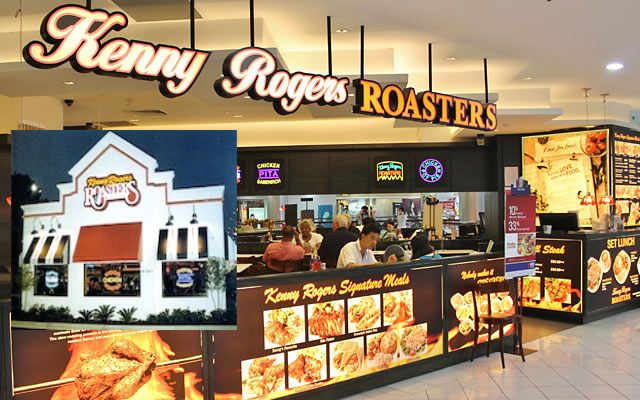
Yet another chicken chain failure, another reason not to mess with KFC. The singer launched this enterprise in the early '90s but didn't know how to keep up the success. After expanding to over 400 locations in only 2 years time, the company folded and was sold in 1998. You can still find over 100 locations in Asia, though. The long list of chicken restaurants that have come and gone is unbelievable. Including Mrs. Winners, Yogi Bear's Honey Fried Chicken, Dixie Lee, Golden Skillet Fried Chicken, and Church's. If you're lucky enough to have a White Castle near you, they purchased Church's Chicken in 2002 and have been adding the chicken to existing restaurants.
advertisement
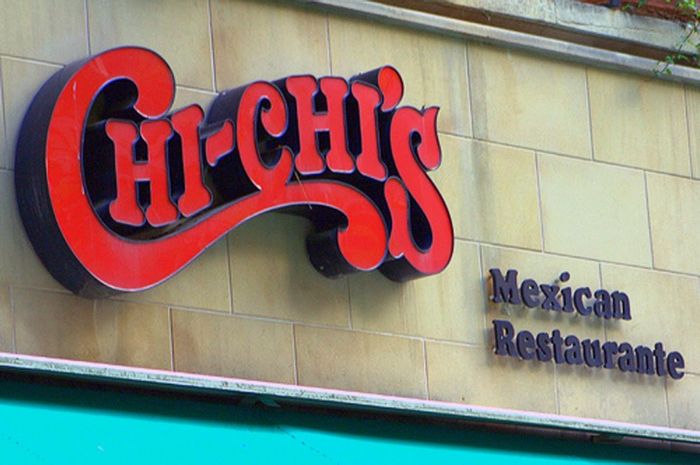
#14 Chi-Chi's Mexican Restaurant
Long before Moe's, Chipotle, and Chilli's, there was a chain of Tex-Mex restaurants called Chi-Chi's that brought the Mexican flavor to the United States in the '70s and '80s by serving up huge portions of intensely flavored food. But declining sales and the largest hepatitis 'A' outbreak in U.S. history forced Chi-Chi's to shut its doors in 2004. Of the 300 restaurants sold, 34 were purchased by South Of The Border restaurant chain and then they closed for good in 2007. Even though you can't eat the food from Chi-Chi's, you can still buy the salsa at your local grocery store,and it's the original recipe used in the restaurants.