

Researchers have used technology to make a breakthrough discovery with a pod of killer whales
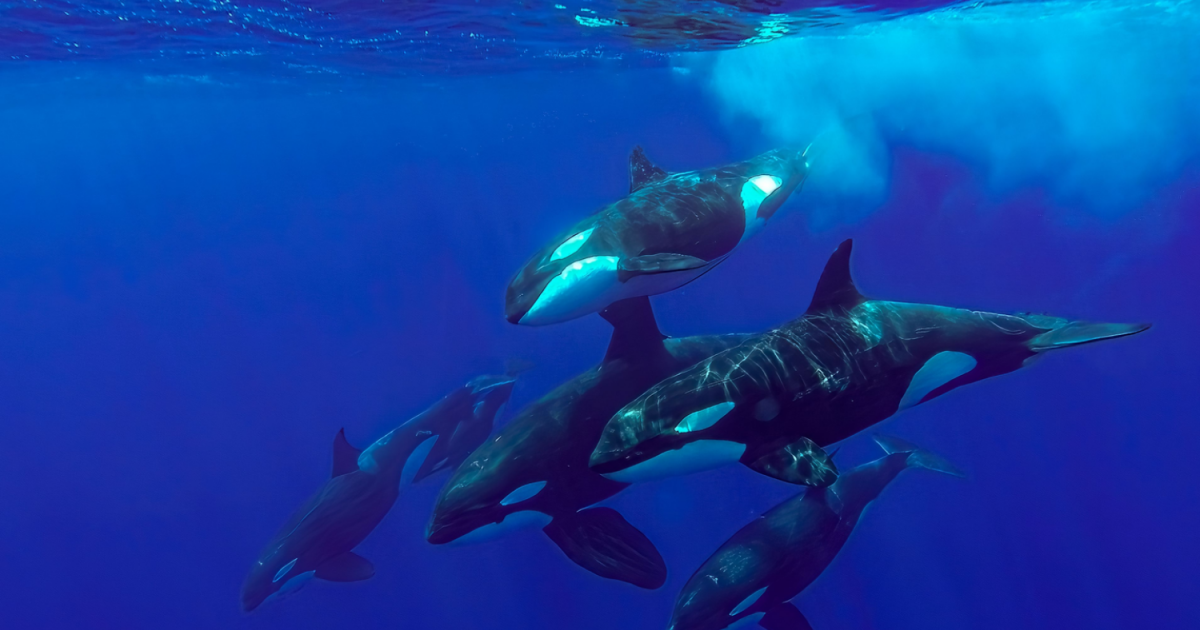
Scientists Stunned As Orcas Caught Using Seaweed Tools In Way Only Humans Were Known To Do
By
Khadija Pervez in
Animals
On 25th June 2025
advertisement
Even with everything we know about nature, there’s still so much left to discover and once again, orcas have managed to leave scientists amazed.
These intelligent whales had already stunned researchers in the past when they were found to mimic human speech. But now, a whole new behavior has been observed, and it’s left experts puzzled.
In a recent study, a group of orcas were seen doing something pretty surprising: using seaweed to groom one another in what looked like a coordinated effort.
This moment is considered a huge breakthrough because it's reportedly the first time marine animals have ever been seen using tools like this in the wild.
Until now, this kind of tool use had only been observed in humans and a few primates—like chimpanzees and tamarins, who’ve been known to use sticks in clever ways.
In this case, the researchers used drones equipped with cameras to track the whales. They saw orcas biting off pieces of bull kelp, a type of large seaweed, and then rolling the strands across their bodies—seemingly using them to scrub off parasites or dead skin, possibly as part of a shared grooming routine.

Scientists have been surprised by a new behavior shown by killer whales
Getty Stock Images
advertisement
This newly observed behavior—which had never been documented before has now been published in the journal Current Biology.
Researchers were keeping an eye on 72 killer whales located in the southern region of the Salish Sea.
In one of the standout moments, a whale was seen pulling off a two-foot length of bull kelp. It then carefully balanced the kelp and moved toward another whale. The orca placed the kelp between them and rubbed itself against it, suggesting a deliberate and shared activity.
At first, scientists thought this might have just been a random or one-time thing carried out by a single whale. But as they kept watching, more whales were seen doing the exact same thing.
Michael Weiss, who leads research at the Center for Whale Research and was the main author of the study, said they soon realized this was happening quite frequently. He described the moment they noticed it wasn’t just a fluke as really exciting.
"We realized we had stumbled across a newly described behavior, which is remarkable." Weiss explained. "You don't even think it is a possibility to find something new like this when you're observing whales."
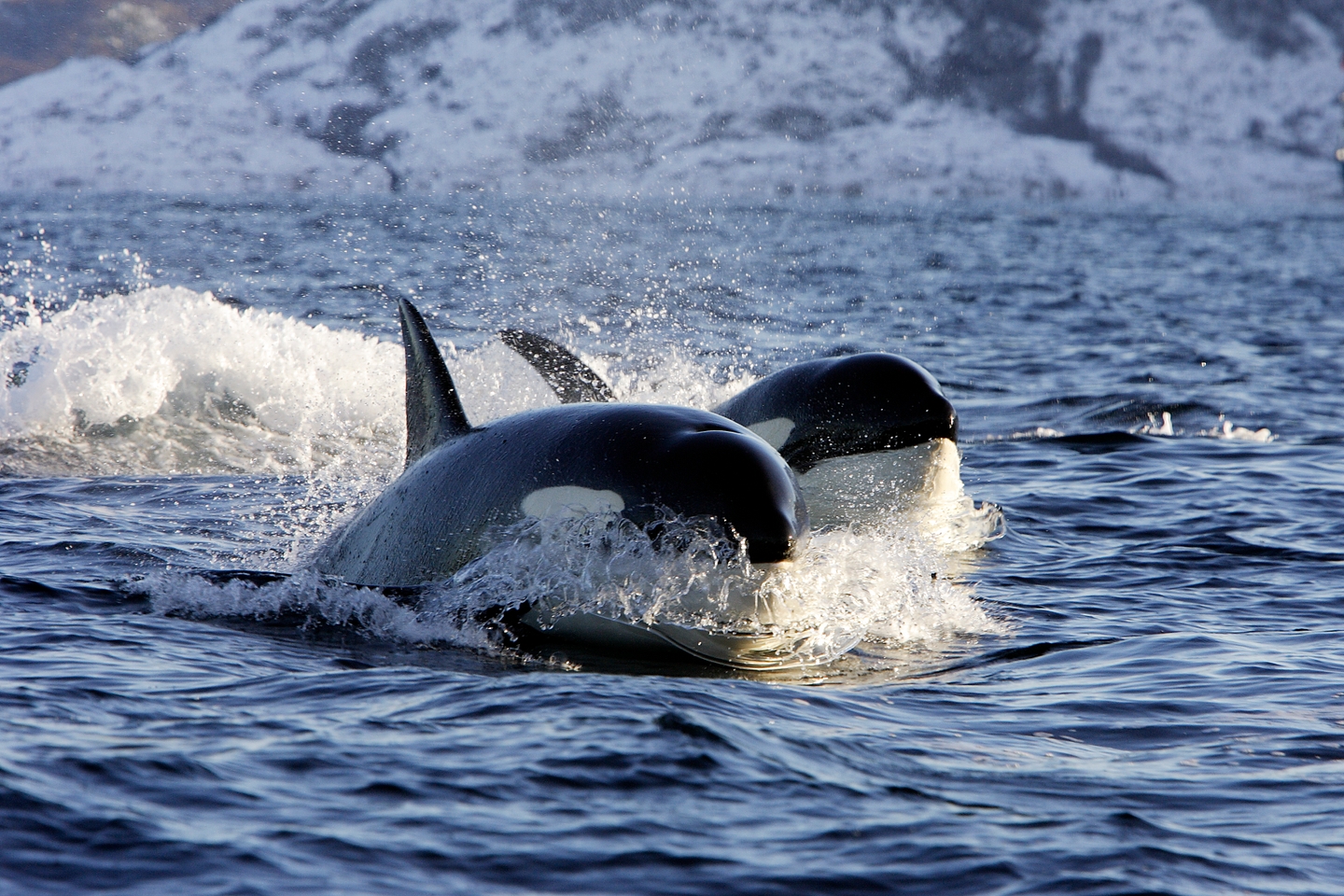
Whales were found to be grooming one another with bull kelp
Getty Stock Image
advertisement
"It doesn't surprise me that they have these intricate social interactions because we know they develop deep bonds between each other, that they are very smart and they figure out problems in their environment."
Whales had been seen interacting with kelp before in what scientists call “kelping,” where they drape it over their bodies. But this new behavior seems much more intentional. The orcas appeared to be carefully selecting, trimming, and sharing the kelp before using it together.
This new version of the behavior has now been given a name—allokelping.
advertisement
The researchers found that this activity mostly happened between whales who were close in age and likely related. It also occurred within the same pod.
These particular whales had a lot of dead skin, which led scientists to believe the kelp use might be a form of exfoliation. It could be helping them clean off dead skin and maybe even keep parasites away, similar to how we use scrubs or brushes to take care of our skin.
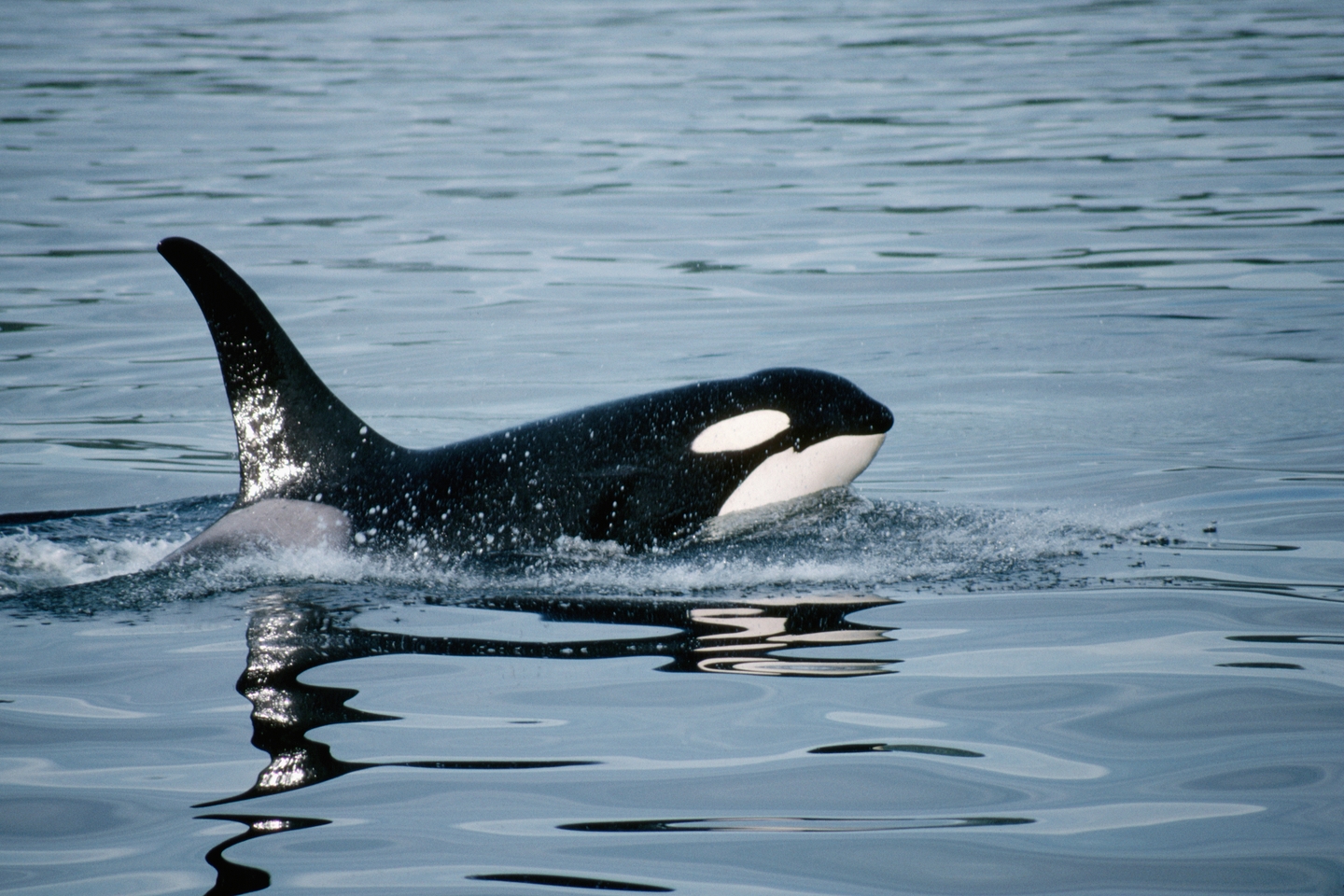
The grooming has been seen to help the whales to bond with one another
Getty Stock Images
advertisement
They also observed that this shared kelp grooming seemed to boost social bonding among the whales. It looked like a meaningful way for them to connect—much like how grooming helps strengthen relationships in monkeys and even humans.
Darren Croft, a scientist at the University of Exeter and the executive director of the Center for Whale Research, explained that physical contact can help ease stress and build trust among animals.
"We know killer whales often make contact with other members of their group, touching with their bodies and fins, but using kelp like this might enhance this experience." Croft said.
advertisement
"It might also be important for skin health. Whales and dolphins have a variety of strategies to help them slough dead skin, and this may be yet another adaptation for this purpose."
Interestingly, orcas are also known to develop unique 'regional accents' depending on their pods, and researchers believe there is still plenty more to learn about how smart and socially complex these amazing animals really are.