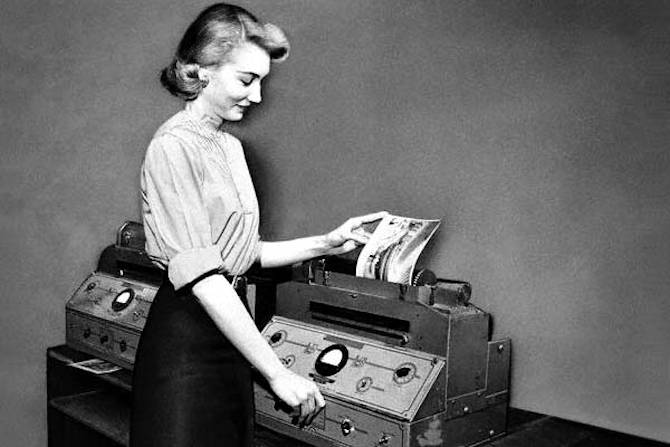
Technology is an ever-changing thing; with so many upgrades every time you turn around, it's no surprise that some are stuck in the comfort of the past. Some of these everyday items have become virtually obsolete as people and technology move on, but others hold fond memories and are being held on to.
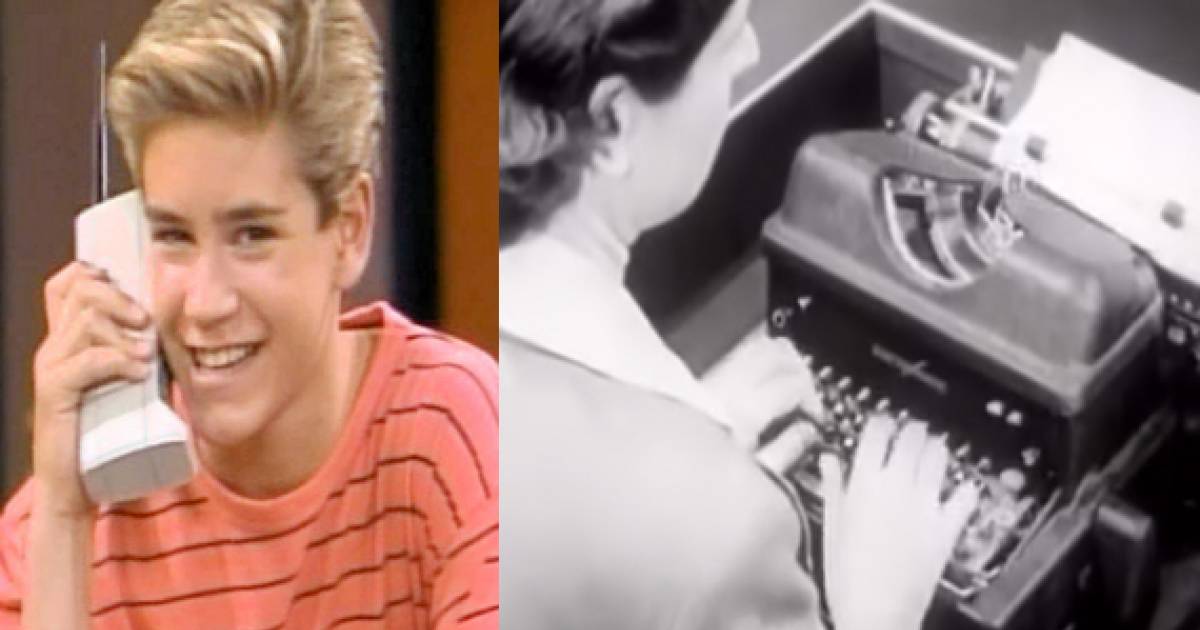
Outdated Technology We Still Use Today
By
Editorial Staff in
Science and Technology
On 22nd July 2016
advertisement
#1 Cathode Ray Tube Televisions
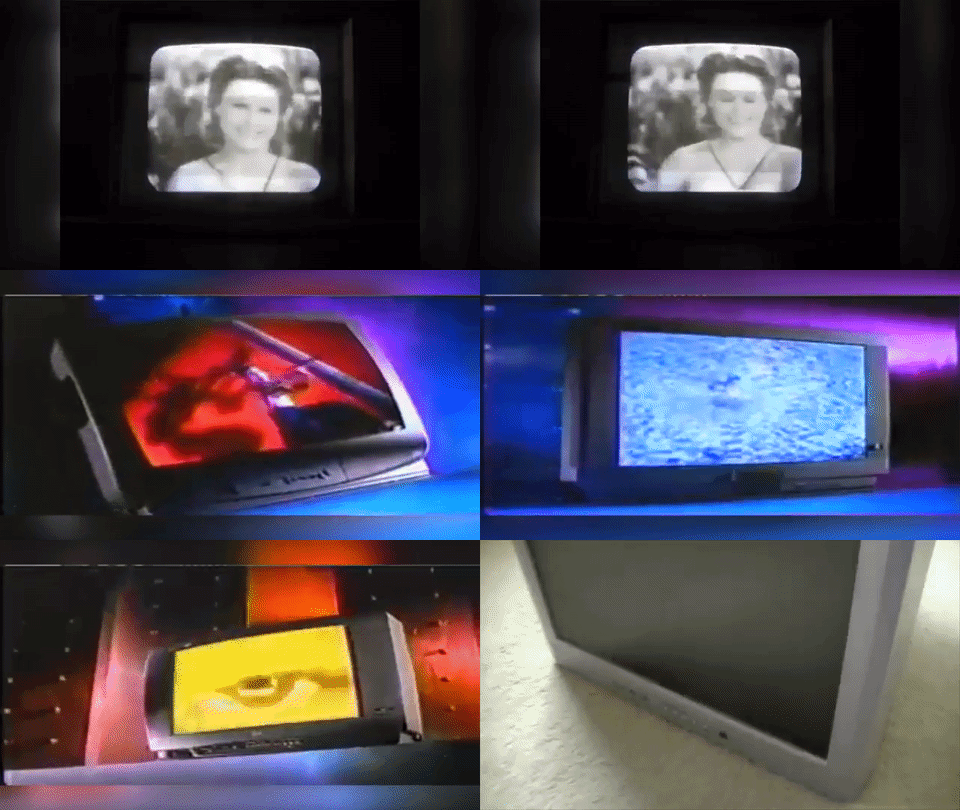
Remember that huge box tv you had that could also be used as a table? The cathode ray tube television, or CRT TV, was first created and marketed for commercial sales, by the German manufacturers, Telefunken, in 1934. By 2015, however, the majority of people have either LCD or Plasma televisions by now.
But there's still a large amount of sales reported every year for CRT model TVs. Still being used to varying degrees throughout the world, the majority of CRT TV's purchased are child themed models - such as Barbie and Cars, yet many others prefer them for their ability to handle multiple resolutions and display colors more accurately than that of an LCD type. They are also particularly popular in South America and Asia, because of their cheaper costs. With many electronics companies ceasing production of CRT TVs and subsequently their parts, these antiquated relics are nothing more than slow rotting corpses of technology past and a difficult to dispose of in dumps or landfills.
#2 Floppy Discs
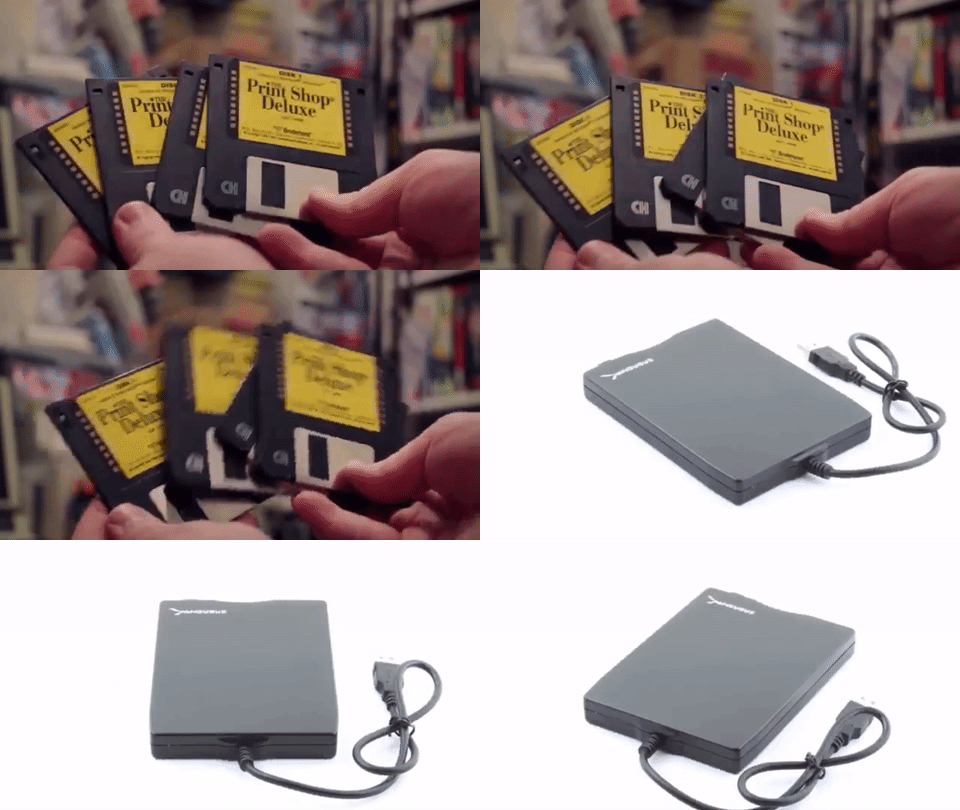
Does anyone remember a time before Compact Disks? It appears as if some people never stopped using them, as you can buy EXTERNAL 3.5" floppy disk drives compatible for any current operating system, and it wasn't until 2010 that floppy drives no longer came standard in new machines. First introduced in 1982, the average floppy disk, which holds 1.44MB worth of data is virtually nothing by today's standards.
advertisement
#3 The Capacity Of The DVD
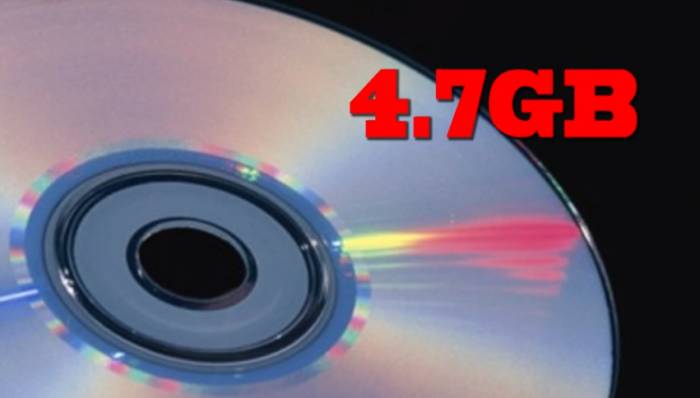
To help understand why the floppy became obsolete, an average blank DVD nowadays will hold roughly 4.7GB worth of data. To get that kind of storage using floppy disks, you'd need 3,264 floppies. Apple says that roughly 250 songs will fit into 1gb worth of data... which would take 695 floppies respectively. The sheer volume of storage space that is required alone makes these little bits of antiquated technology obsolete.
#4 Pagers
Al Gross, a Canadian inventor, and creator of the walkie-talkie, CB radio as well as the pager, first brought the world this device in 1949. The pager was a massive status symbol of the 90's that spoke of your importance, showing the world needed to reach you at any moment; however, this fad would live a very short life among the ever advancing field of technology, and with the growing popularity of cell phones in the early 21st century, came the decline in pager use. The now obsolete fad of technological fashion is still highly used in Northern America though, with many doctors and hospitals still using pagers for supposed "dependability", with a staggering $8 million worth of pagers purchased since 2012. Many restaurant chains use pagers to alert waiting patrons that a table is ready for them. Otherwise, they're OUT!

advertisement
#5 Typewriters
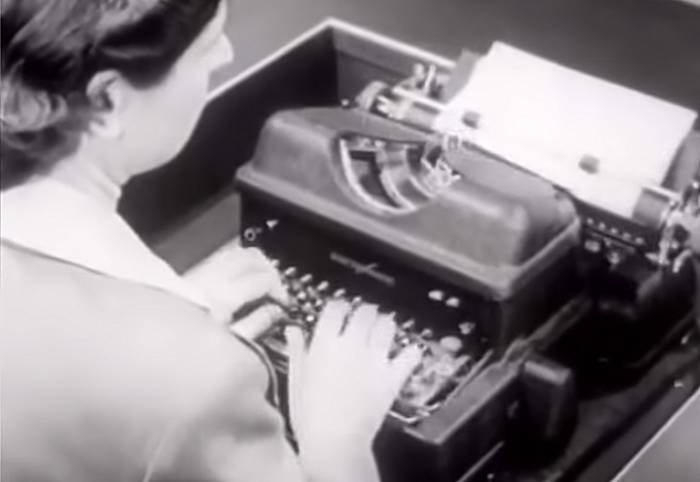
First finding commercial success in 1868, these large, bulky and hearty pieces of tech quickly became the best friends of writers and office workers; until the late 1980's, when they were quickly replaced with word processors and PC's, then portable laptops. Though now, typewriters are thought to be vintage or old fashioned, this is not the case. Used through the various fields of writing, typewriters still have their uses in areas where electricity isn't always a possibility.
advertisement
#6 Still Being Used By Fanatics
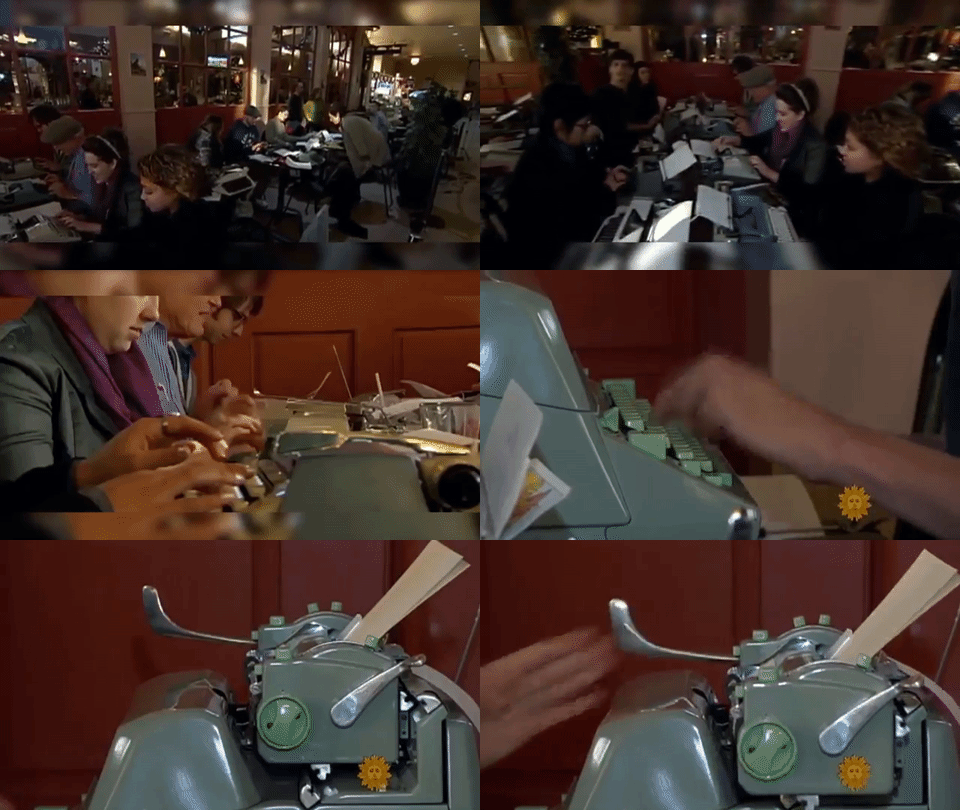
Other writers still use them in a manner comparable to that of Author Will Self, who writes all of his first drafts on a typewriter, claiming that it forces people to think more about what they're writing down as you can't just simply delete your mistakes, and offer a means to write without the distraction of a computer. Countries such as India still make heavy use of them, where their court reporters still use the typewriter for documentation. Many south Asian countries rely on old American typewriters to send and write correspondence, since electricity is a valued luxury.
advertisement
#7 Roll Film
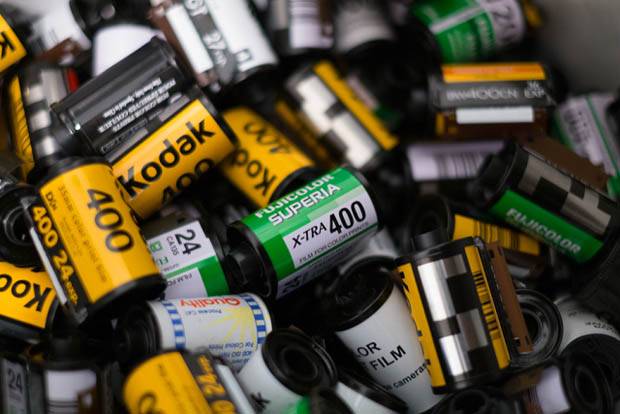
In this day and age where most phones have a built in digital, high-resolution camera that you can just point-and-shoot, it seems almost wasteful to designate so many resources into developing old and outdated film. While with the digital camera the image develops instantly and allows for near instant editing of the photo and massive storage, the old roll-film style images must be developed in a chemical bath, in a darkroom, then developed from negatives, and each time you develop the film, it begins to degrade, making for limited prints. So one would figure, with the extra steps, money and even a designated room required to get such a product, digital film would replace class roll-film, right? Well, you'd be wrong, considering that well over 50 million rolls of film have been sold since 2013. It's difficult to find a shop that develops it however, but photographers still enjoy a photo from an old Kodak camera.
advertisement
#8 Gramophone Records
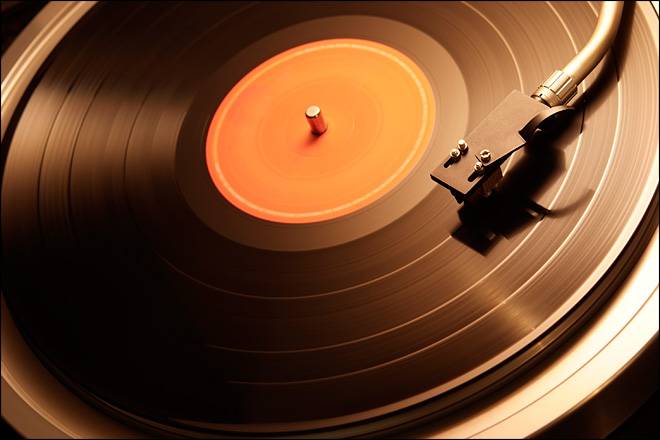
Known more simply as the vinyl record, was first patented by Leon Scott in 1857, and remained the primary medium used for music reproduction until the late 1980's, when digital media would make it obsolete via the compact disc, forcing it from the mainstay in 1991. Even in our world of digital downloads and compact discs, the record is still being produced, and widely sold, especially for DJs and audiophiles, who claim that vinyl carries a cleaner, better sound. With sales of vinyl records being well into the millions each year, and steadily rising; it seems highly unlikely that it will end up going away anytime soon. Soe record companies are putting out versions of their new music on vinyl and seeing high sales, and collectors are always on the prowl for the oldies at used record shops.
advertisement
#9 Dial-Up Internet
Ping, Ping!!
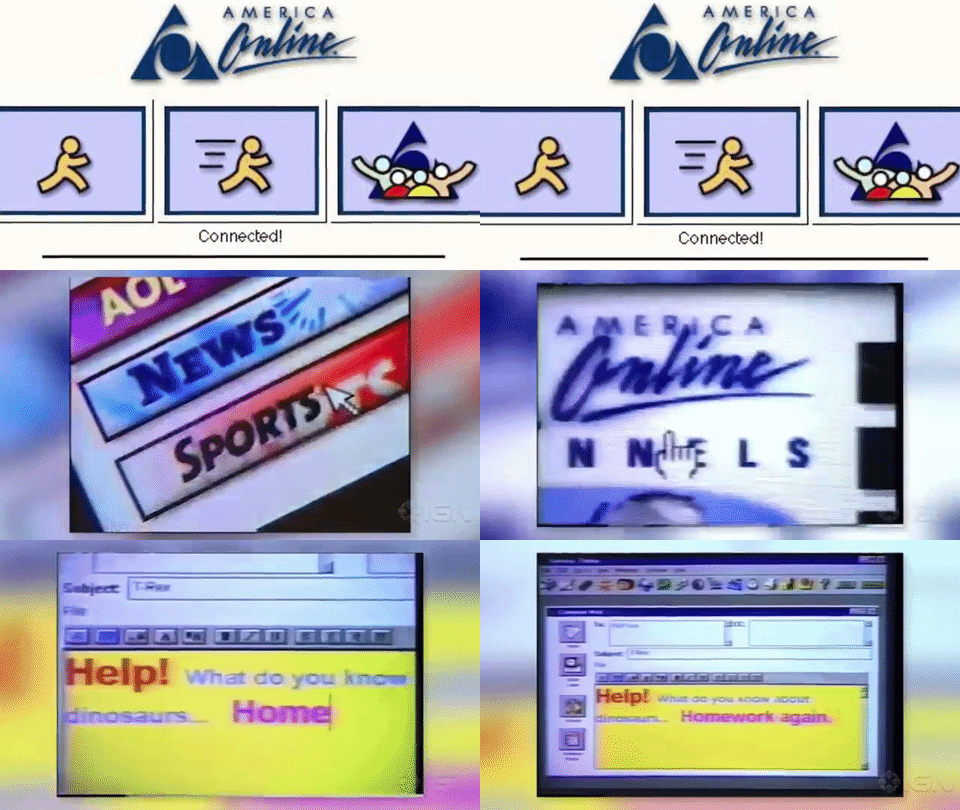
Remember this sound? Ah, the sweet sound of dial-up internet, with the blazing fast 56kbit a second speed; at max capability, and the added perk of not using your phone line you're still paying for, why would we ever wish to switch to high-speed internet access? I mean c'mon, we can download a 6 megabyte MP3 on Napster in about 2 hours! With broadband internet offered almost worldwide, it may come as a shock to learn, there are still a large amount of people still using the old' dial-up method. With an estimated 2.1 million people still using AOL dial-up, yes, still using AOL! It still has a strong presence in the world. While used for the small pockets of areas that don't have broadband service yet, it's said that 75% of AOL subscribers actually do have broadband as well, being unaware that you don't need the dial-up service as well to access the web. It seems that dial-up will be prominent as long as ignorance is too.
advertisement
#10 VHS TAPES
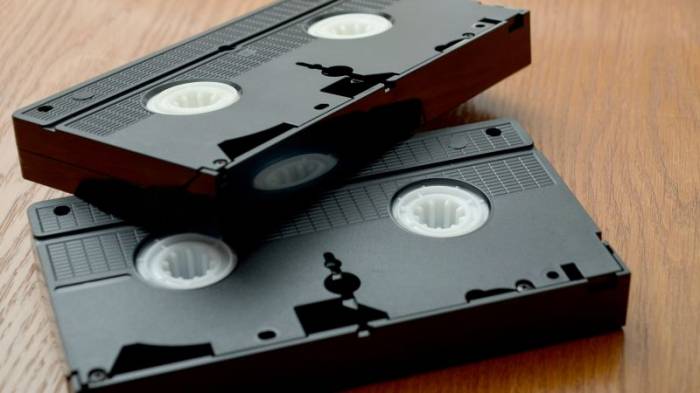
The video home system, or VHS, was developed by the Vitory Company of Japan in the 1970's. The VHS would dominate the home video market in the 80's and 90's, until the release of the DVD in 1997, almost completely replacing the VHS by 2008... almost. As of 2014, according to research, almost 550% of Americans still use VHS players and tapes, though it is a considerable drop from the reported 80% of Americans in 2005. We focus a little heavier on the American users for this outdated piece of technological history, simply because they are still the largest users, and produced their last VHS release in 2007, the movie Eragon. Most other countries almost completely transferred their media use to the superior DVD format, bolstering a better sound and video quality. People collect old VHS movies and scour garage sales and flea markets for popular movie titles.
advertisement
#11 Telephone Books
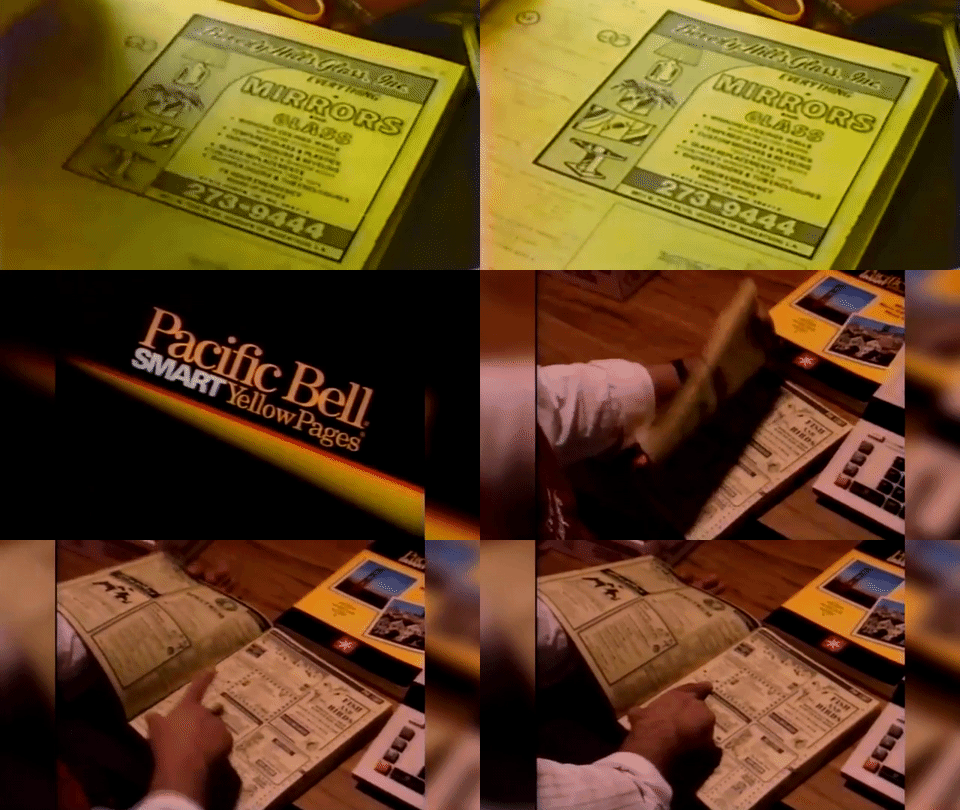
It is a worldwide resource that well.. just isn't that resourceful any longer. With most addresses and phone numbers easily accessible with a quick online search, phone books are rapidly becoming more and more obsolete; and all with good reason. According to research carried out by the Iowa Policy Research Organization, ceasing production of phone books would save roughly 5 million trees a year. Many of the countries across the world still deliver phone books to their entire listed population, though only 2% of those surveyed say they want it. The phone book is a simple piece of technology that the world wants to let die off, but against all of our wishes it simply refuses to do so.
advertisement
#12 Fax Machines
Scottish inventor, Alexander Bain, received his patent for his Electric Printing Telegraph" in 1843. Though fax machines were massively essential office devices during the 1970's, you would figure 40 years later, this wouldn't be the case; but with emails, instant messaging, texting and the ability to send scanned documents through the computer, it's no wonder we don't need Fax Machines anymore. Sadly, the massively clunky, standalone fax machine refuses to completely die off, with more than 1 million of them being sold since 2011. What's keeping them afloat you may wonder? It's due to the fact that in some countries, an electronic signature still isn't recognized as legal in the court of law. There are still some areas in North America where a fax is allowed to be used to contact emergency, police, or 911 centers.