

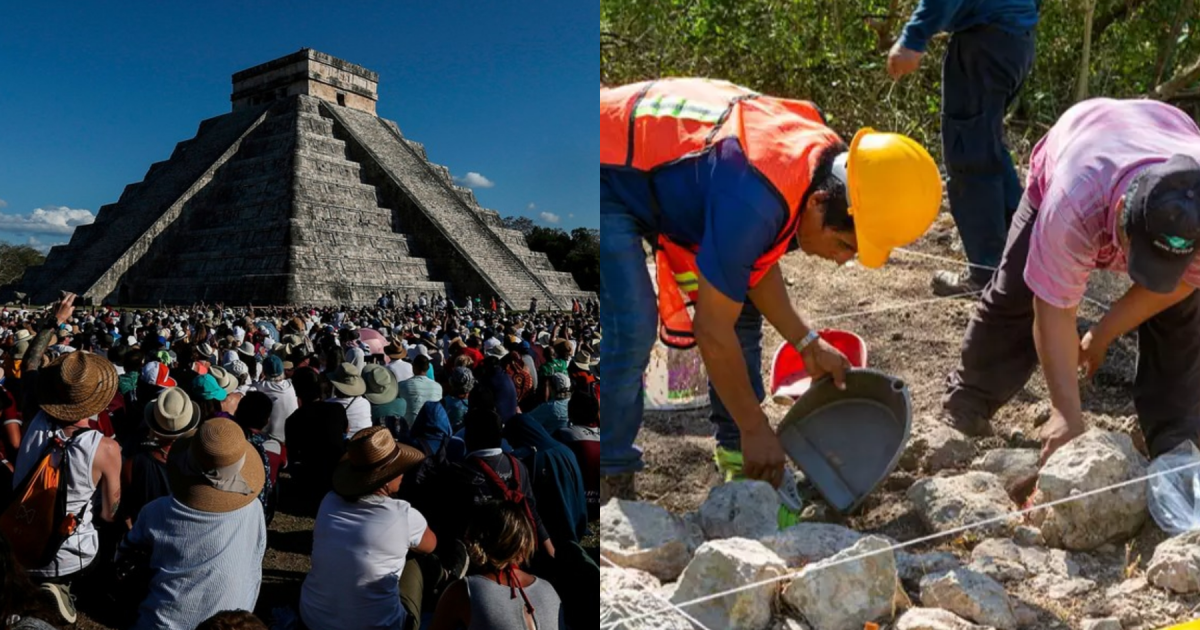
New research has given some clues to the identities of some of the young people sacrificed in the Mayan times.
advertisement
Researchers studying the remains found at a mass burial site have made a grim discovery.
Back in 1967, during the construction of an airstrip near the ancient Mayan city of Chichén Itzá in Yucatan, Mexico, builders stumbled upon a mass grave.
This grave contained the scattered bones of more than 100 children.
Child sacrifice was a significant aspect of the Mayan religion.
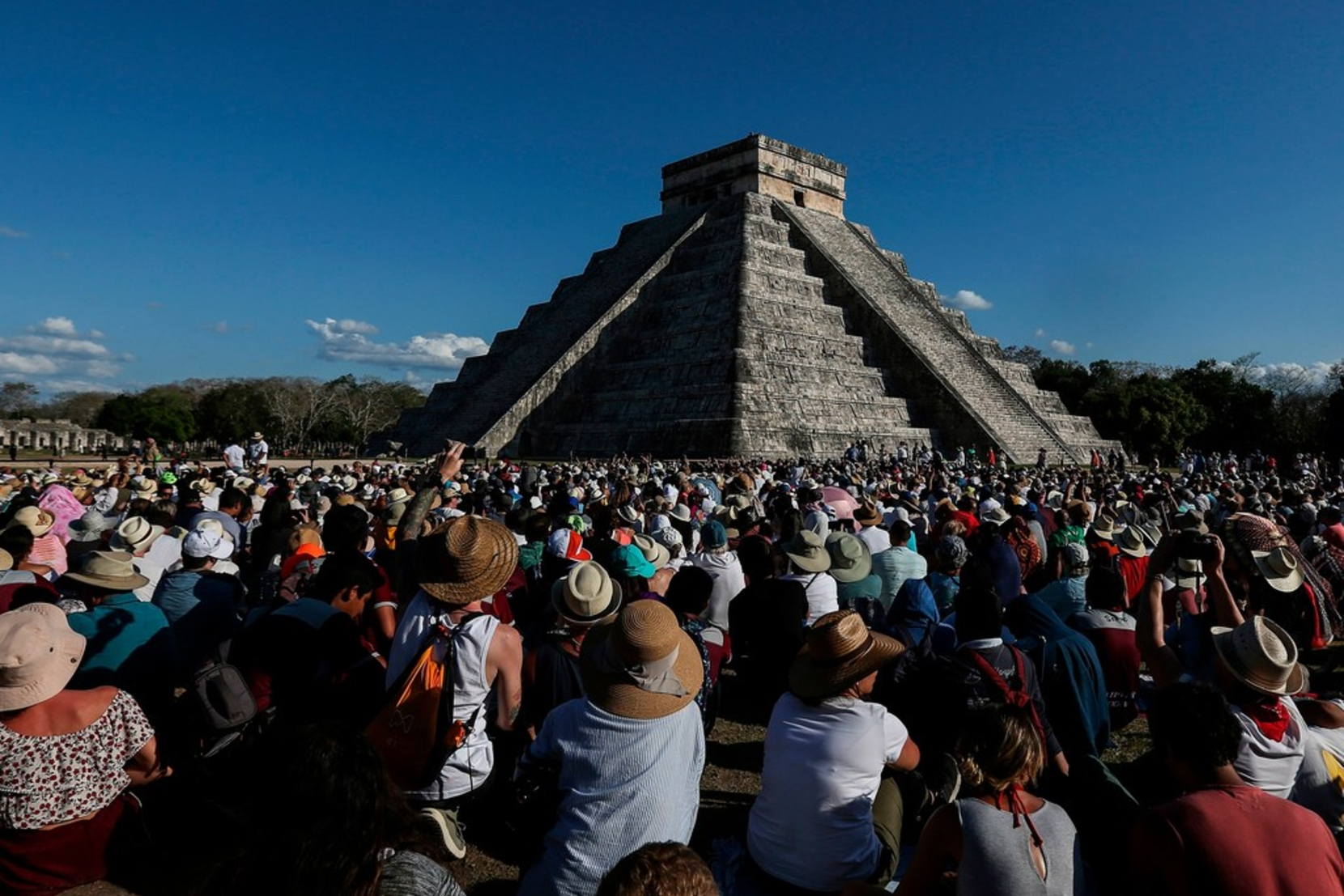
Getty Images
Historically, it is believed that Maya priests in Chichén Itzá sacrificed children to appease the gods and seek blessings for rain and fertile lands.
advertisement
These children were often thrown into sacred sinkhole caves.
Archeologist Guillermo de Anda from the University of Yucatan explained to Reuters in 2008:
"It was thought that the gods preferred small things and especially the rain god had four helpers that were represented as tiny people,"
"So the children were offered as a way to directly communicate with Chaac."
advertisement
Decades after the discovery of these remains at Chichén Itzá, scientists have managed to retrieve and analyze the DNA from 64 of the 106 children found in the 1960s.
The results showed that all 64 children were male.
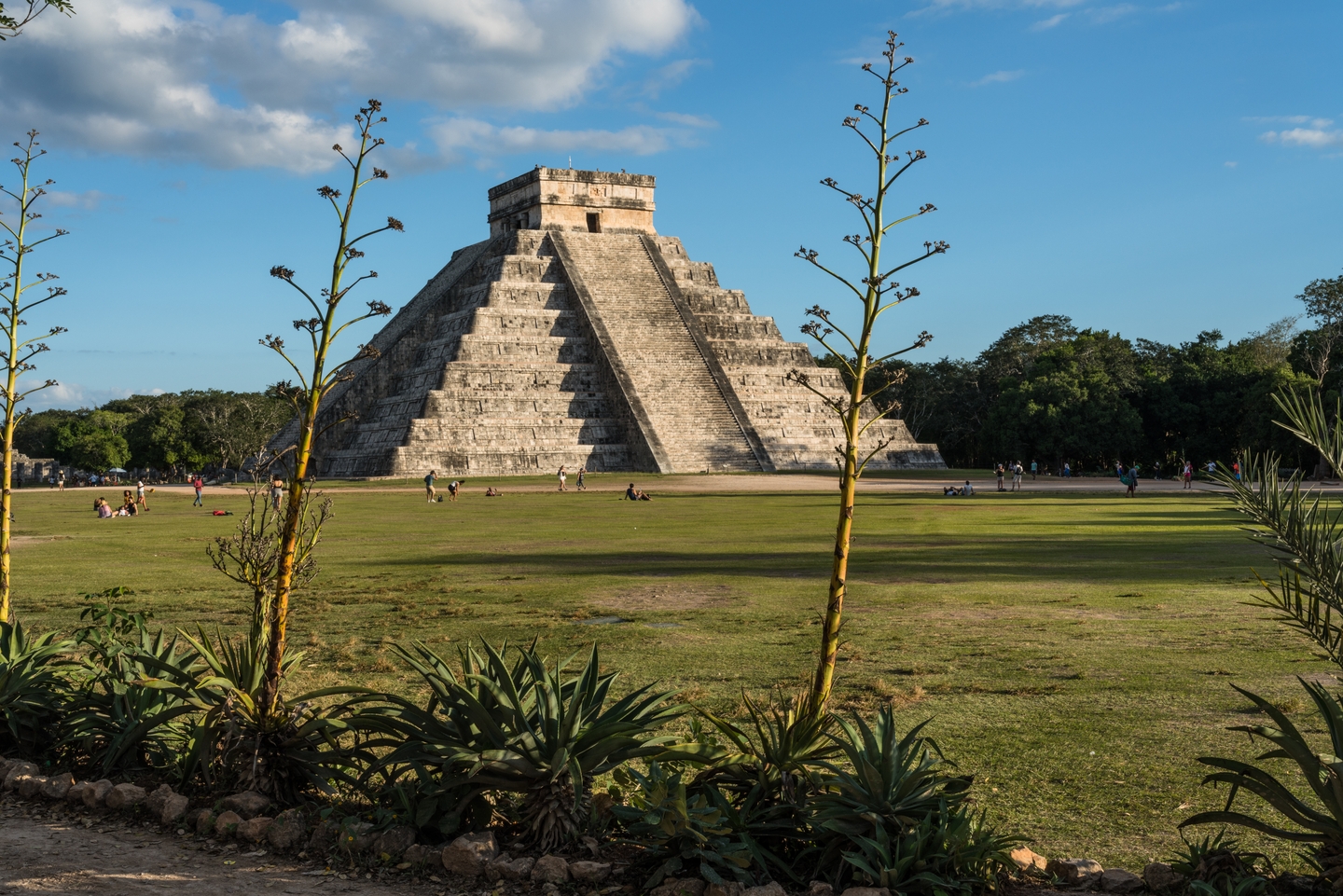
The ruins of the great Mayan city of Chichen Itza.
Getty Images
Additionally, 25 percent of these children had close genetic links to at least one other person in the burial site, which included two sets of identical twins.
advertisement
A study published on June 12 details these findings: "Genetic analyses showed that all analyzed individuals were male and several individuals were closely related, including two pairs of monozygotic twins."
The study further highlights the significance of finding twins:
advertisement
"Twins feature prominently in Mayan and broader Mesoamerican mythology, where they embody qualities of duality among deities and heroes, but until now they had not been identified in ancient Mayan mortuary contexts."
One notable myth mentioned is the 'Popol Vuh.'
advertisement
In it, "the twins Hun Hunapu and Vucub Hunahpu descend into the underworld and are sacrificed by the gods following defeat in a ballgame."
This sets the stage for another set of twins to be born who avenge them by "undergoing repeated cycles of sacrifice and resurrection to outwit the gods of the underworld."
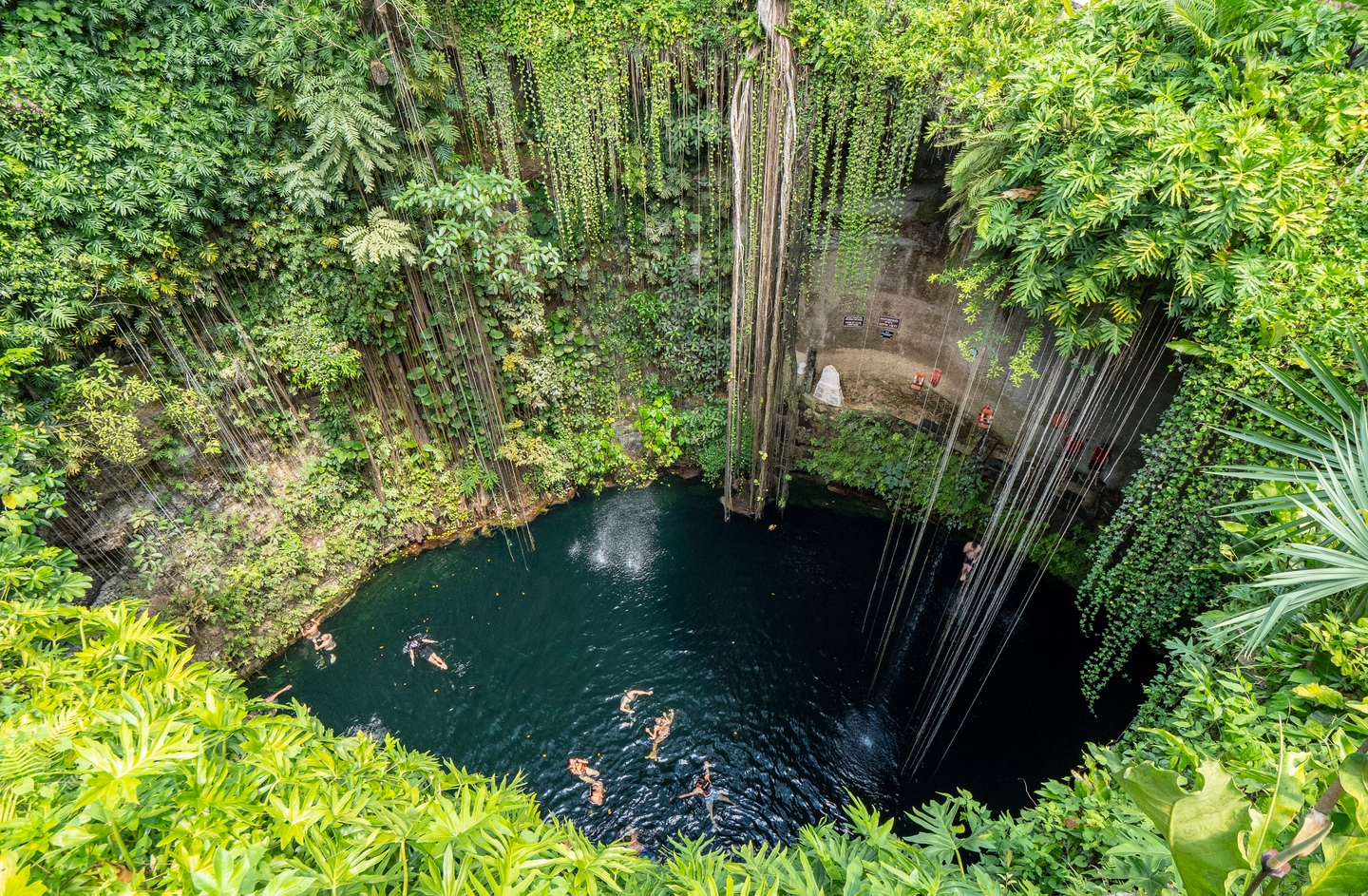
Sarcrificed people were often thrown into cenotes like this one near Chichén Itzá.
Donald Miralle / Getty Images for Lumix
The analyzed bones are estimated to date back to between the 7th and 12th centuries.
advertisement
Further insights reveal that some of the individuals who were related shared similar diets, suggesting they lived together.
Regarding the ages of the deceased, it was found that half of the remains belonged to boys aged between three and six years old.
These children all died over a span of 500 years.