

There are several symptoms to be wary of when it comes to pancreatic cancer

Experts Share Warning Signs In Your Leg That Could Point To Deadly Cancer
By
Khadija Pervez in
Health and Fitness
On 27th March 2025
advertisement
There are more than 200 known types of cancer out there, and pancreatic cancer ranks among the more serious ones.
In the United States, pancreatic cancer accounts for about three percent of all cancer cases. However, it makes up roughly eight percent of all cancer-related deaths, which is a pretty significant jump.
It also happens to be more common in women than in men. According to Cleveland Clinic, it’s the 10th most common type of cancer in American men and ranks as the eighth most common for women.
In its early stages, pancreatic cancer usually flies under the radar without causing noticeable symptoms. But as it progresses, signs can begin to appear.
People might start to feel pain in their stomach or lower back, notice their skin and the whites of their eyes turning yellow (a symptom of jaundice), lose weight without trying, or observe changes in their bowel movements.
For instance, Lee Rawlinson from Essex, UK, felt a nagging ache in his stomach. At first, he assumed it was just stress. Sadly, it turned out to be terminal pancreatic cancer. Now, as a father of two, he’s encouraging others to get checked out if they feel similar symptoms—especially if it involves any type of abdominal pain.
advertisement
But these aren’t the only signs you should be looking out for. There are also some less obvious symptoms that could point to pancreatic cancer.
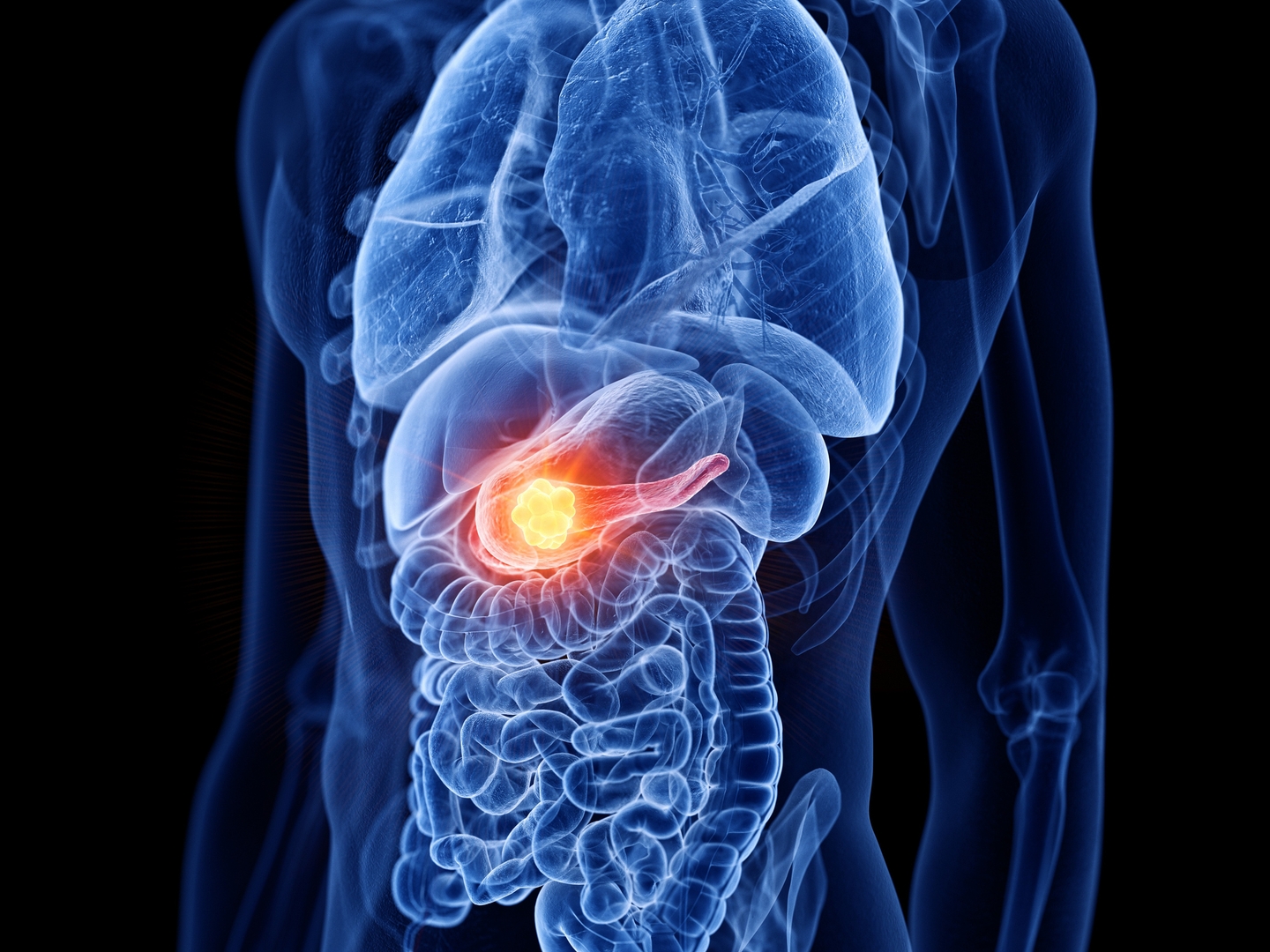
Pancreatic cancer is one of the most common cancers in the United States
Getty Stock
According to Cancer Research UK, additional symptoms can include indigestion, nausea, newly developed diabetes, persistent itching, fever, and episodes of shivering.
Another surprising symptom? Blood clots.
"Occasionally, pancreatic cancer is linked to blood clots," the site explains.
advertisement
"They may form in the deep veins of your body, usually the leg. This is called deep vein thrombosis (DVT). Or blood clots can develop in smaller veins anywhere in the body. Sometimes the clots will disappear and then develop somewhere else in the body."
Even outside of cancer, blood clots on their own can be extremely dangerous and even life-threatening.
If you're aware of a clot and notice that it becomes painful, red, or swollen - especially if the area starts to feel warm to the touch - that's a sign something may be wrong. If you also experience shortness of breath, pain in your chest or upper back, Cancer Research urges you to reach out to your medical team immediately.

Deep vein thrombosis often occurs in a person's leg
Getty Stock
advertisement
Coughing up blood is another serious symptom that could signal a worsening clot. It’s something that definitely warrants a trip to the doctor or emergency room right away.