

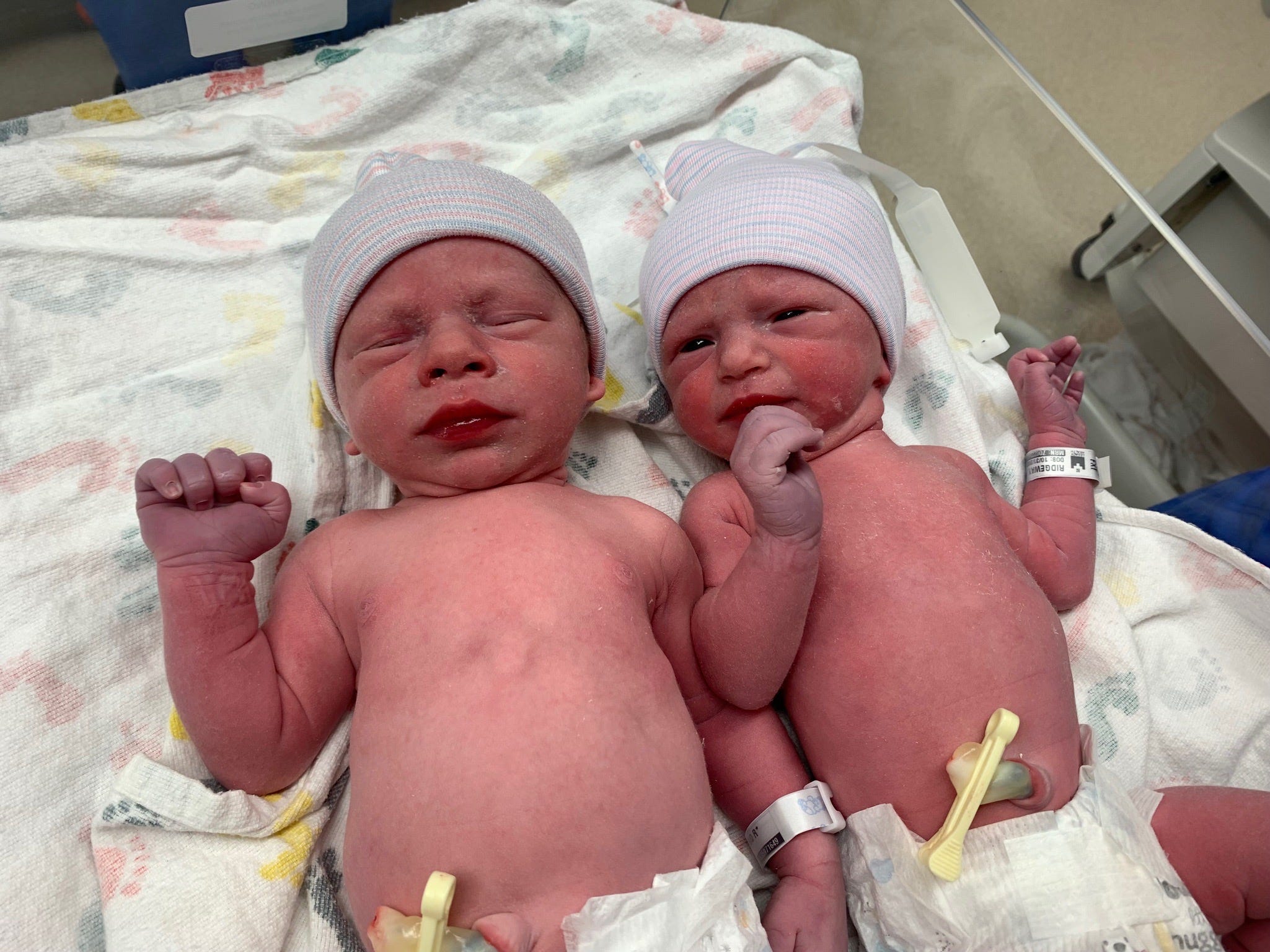
An Oregon couple has welcomed twin babies born from embryos frozen over 30 years ago, setting a new record for the longest-preserved embryos resulting in a successful live birth. They were stored at around -196C (-323F) in liquid nitrogen on 22 April 1992.
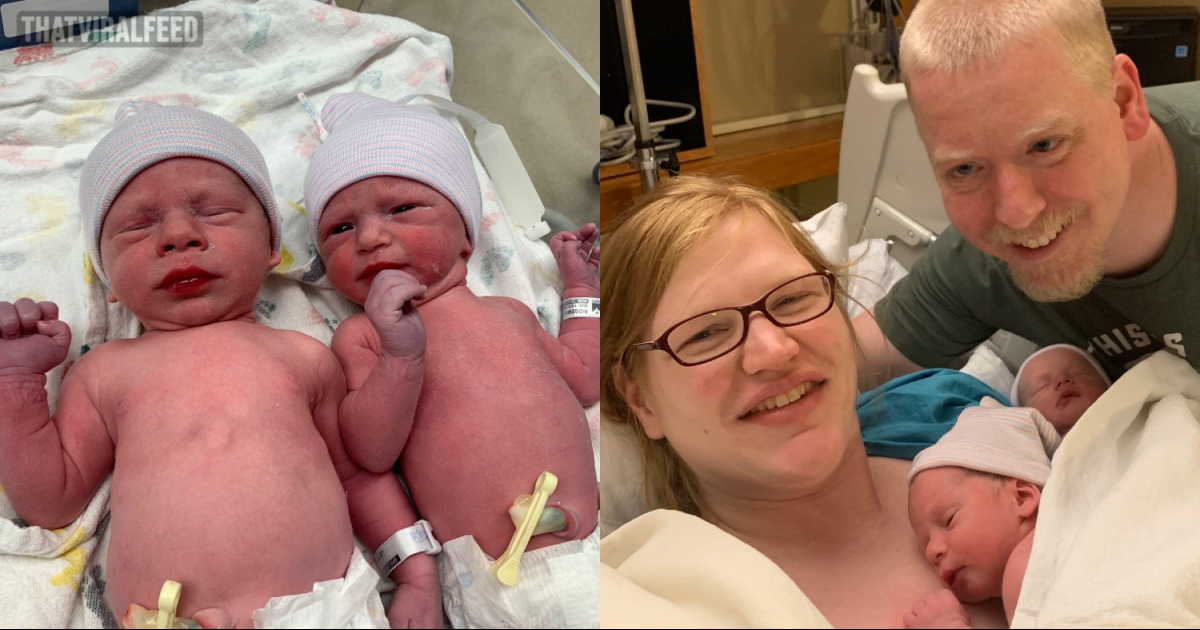
Parents Welcome Record-Breaking Twins Born From 30-Year-Old Frozen Embryos
By
Khadija Pervez in
News
On 12th October 2023
advertisement
Rachel Ridgeway, a mother of six, is incredibly happy that her newborns are technically only three years younger than she is.
These twins are thought to have developed from the oldest embryos ever known to result in a successful live birth.
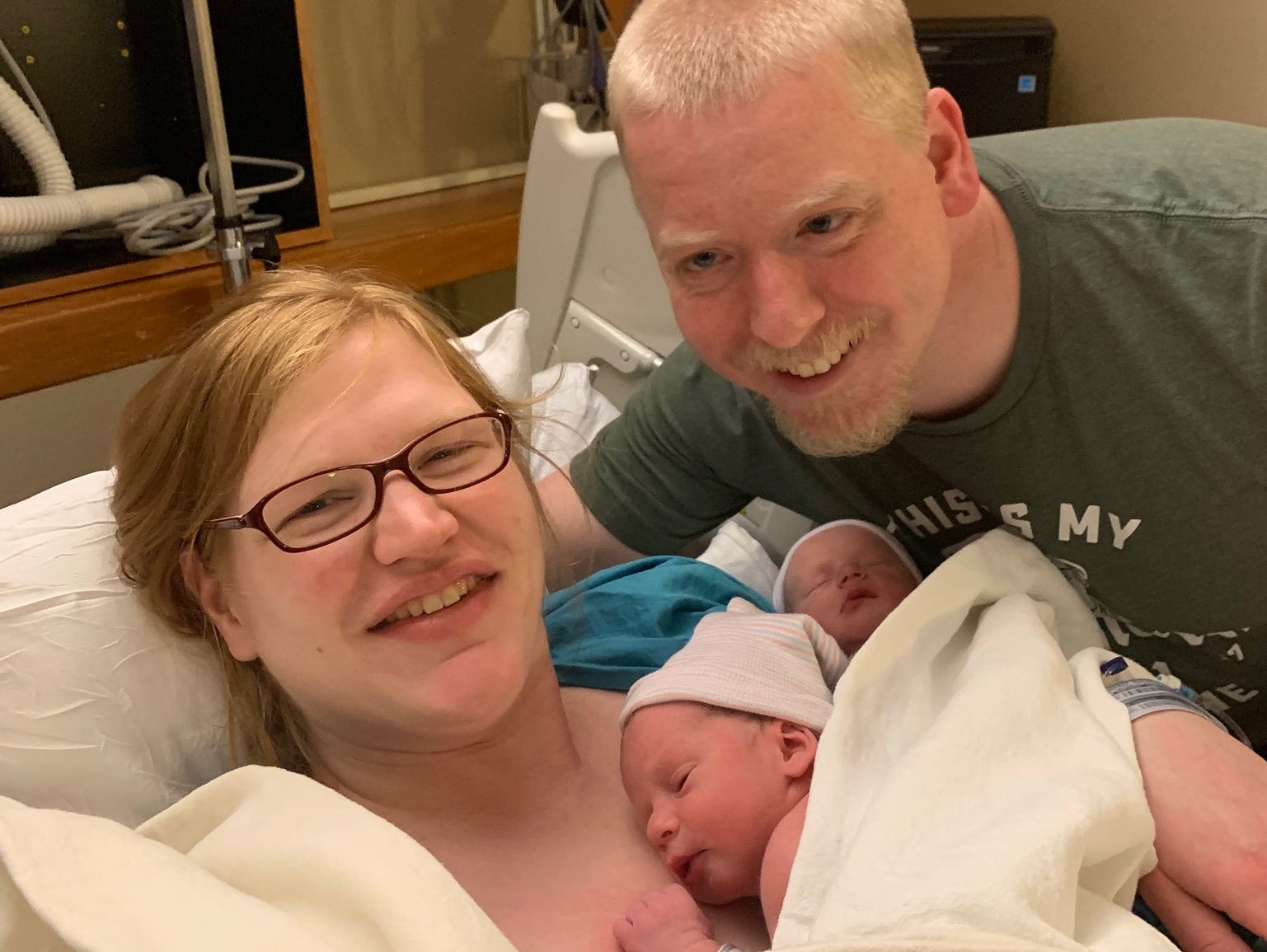
Philip and Rachel Ridgeway
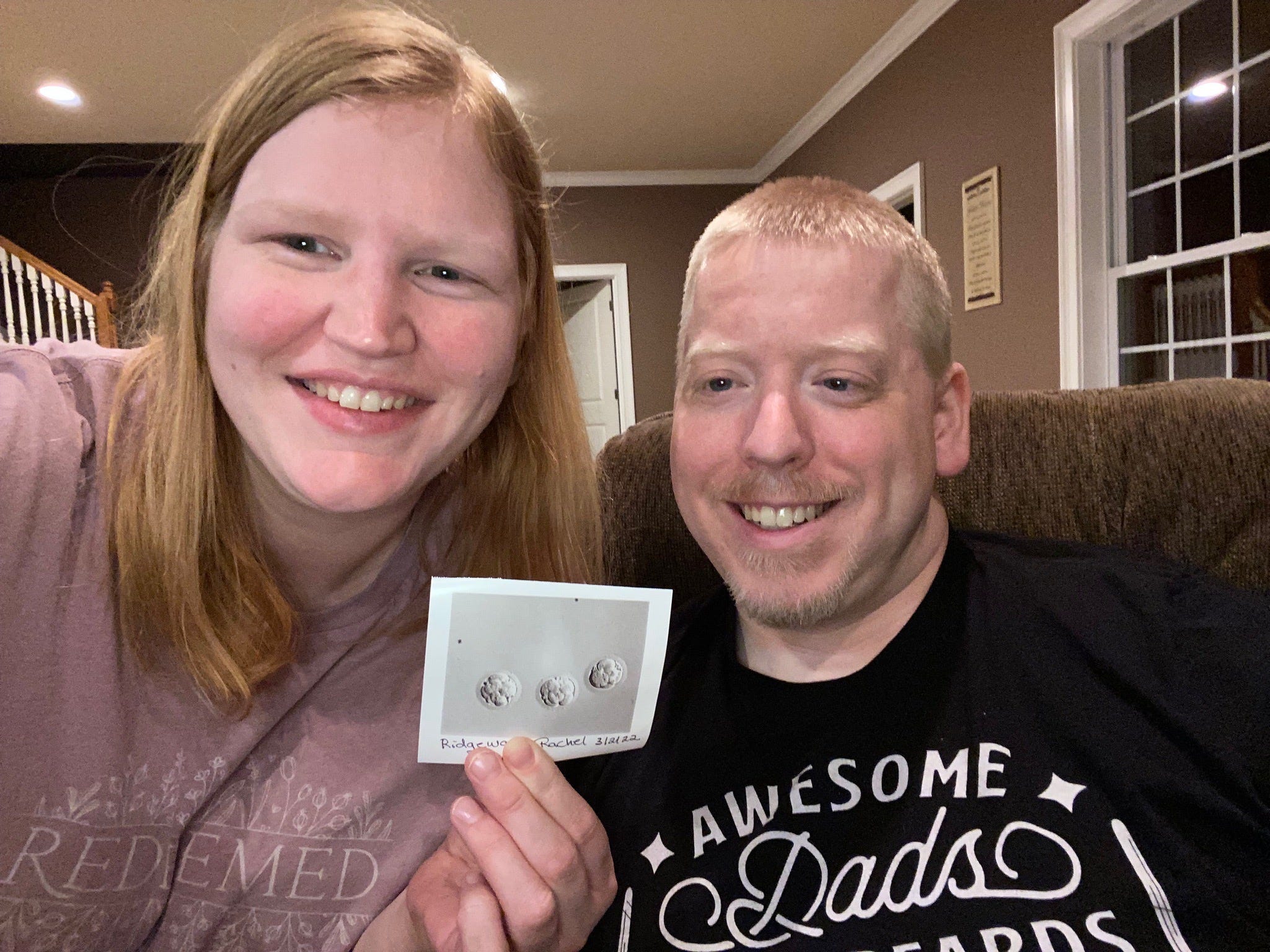
Rachel and her husband, Philip, became pregnant precisely 30 years after their son and daughter, Timothy and Lydia, had their embryos frozen in April 1992.
The biological parents of the infants, who remain anonymous, donated their unused embryos to the National Embryo Donation Center after undergoing in vitro fertilization.
advertisement
Philip and Rachel Ridgeway
This Christian nonprofit offers frozen embryo transfers exclusively to married heterosexual couples who have been married for at least three years. The embryos were stored in liquid nitrogen, alongside thousands of others.
The NEDC was established in 2002 with the purpose of assisting individuals in either beginning their families or, as in the case of the Ridgeways, growing their families.
"I was 5 years old when God gave life to these embryos," Philip, a devout Christian, said.
He pointed out that their birth was even more extraordinary since Rachel was just 3 years old at the time of their conception.
advertisement
Philip and Rachel Ridgeway
"It's mind-blowing to think about," the dad said. "Pretty much everybody we've talked to has trouble wrapping their brain around it."
The Ridgeways, who already had four children ranging in age from 2 to 8, initially reached out to the NEDC in December 2019.
advertisement
"We needed some fertility assistance to conceive our three oldest children," Rachel, who took the hormone-boosting medication Clomid, said.
They were looking forward to welcoming their fourth child in 2020 and decided to adopt a frozen embryo from the NEDC, located in Knoxville, Tennessee.
advertisement
Philip and Rachel Ridgeway
"We decided to put the money that we would normally use for fertility care towards embryo adoption," Rachel said. "We wanted to follow that route."
Their situation took a turn a few months later when they were unexpectedly able to conceive their fourth child, who is now 2 years old. However, their determination to expand their family remained unwavering.
advertisement
They decided to revisit their plan, and Philip mentioned that their religious beliefs played a significant role in their motivation.
"We've always thought, 'Let's have as many kids that God wants to give us,'" the 35-year-old said. "We thought, We're not done yet if that's God's will."
advertisement
Living in Vancouver, Washington, the couple chose their embryos in December 2021 from the "special consideration" section of the NEDC.
"These embryos are often overlooked because they were donated by parents who had a known history of certain genetic disorders," Rachel said.
advertisement
"We found out that these kids are rarely looked at because many parents coming into the process are wondering what they could have," Rachel said.
The mom added: "It didn't really matter to us if they're considered perfect or not."
advertisement
The 34-year-old mentioned that they were informed that the twins' biological father had passed away due to ALS, also known as Lou Gehrig's disease.
"There's a possibility that it could be a genetic disorder that they may or may not have," Rachel said. "But we didn't care."
advertisement
Philip informed Insider that, unlike certain prospective parents, they weren't concerned about the age of the embryos.
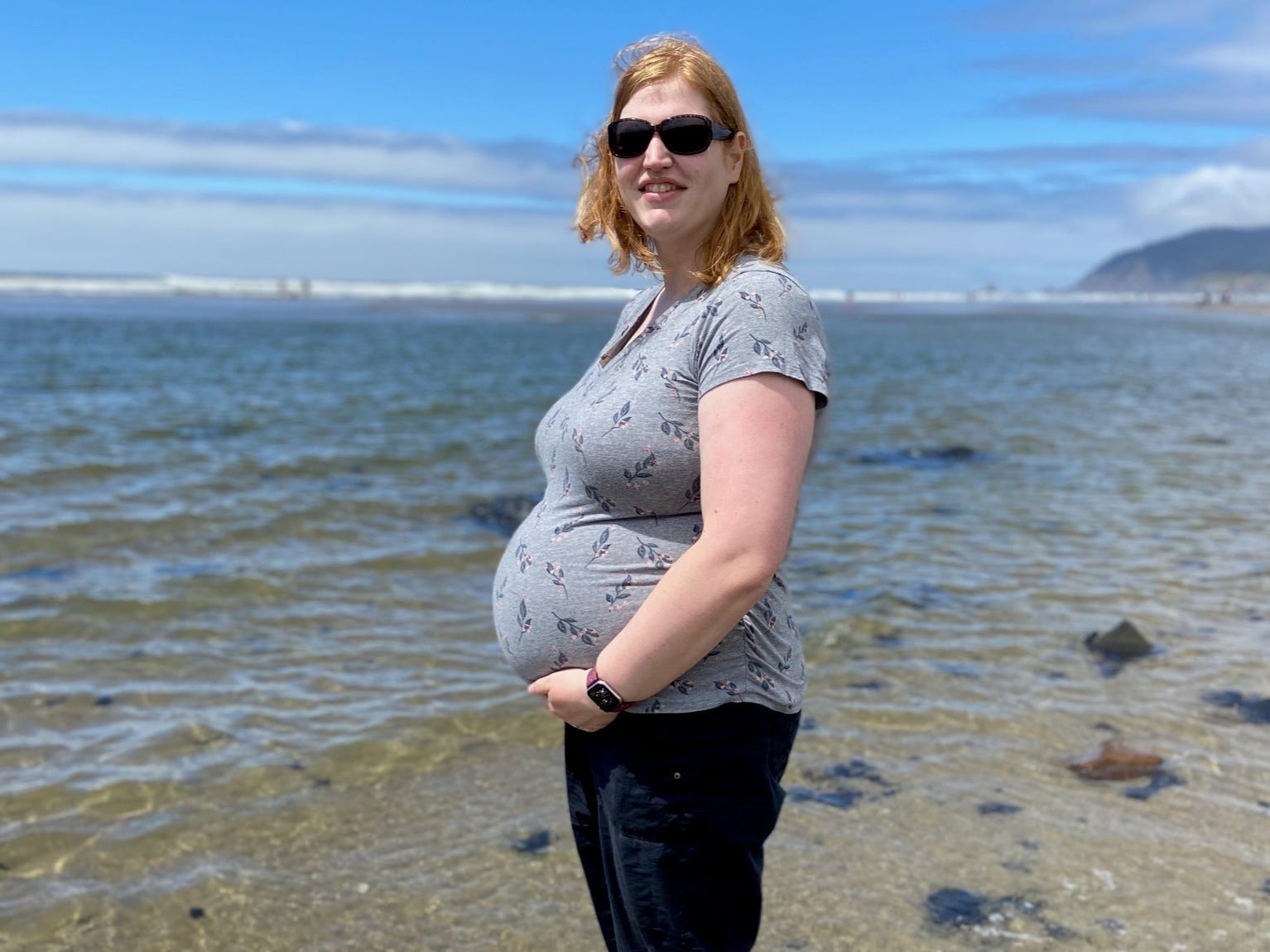
Three of the embryos were implanted, and two of them successfully developed. Rachel, who described her pregnancy as relatively uneventful, delivered the twins on October 31, 2022, at 37 weeks and two days.
Timothy had a weight of 6 pounds and 7 ounces, while Lydia weighed 5 pounds and 11 ounces at birth.
The twins' groundbreaking birth was officially confirmed by the University of Tennessee's Preston Medical Library. The previous record holder was Molly Gibson, born in 2017, whose frozen embryo had been stored for 24 years.
advertisement
As for the Ridgeways, they made it clear to Insider that they didn't select the 30-year-old embryos for the sake of publicity.
They share a common approach to raising their twins. "Our plans for the twins is to make sure their adoption is a part of their story," Rachel said. "We want to keep it as a normal part of their lives."
She mentioned that the family intends to share the story of their origin with the twins once they are old enough to understand it.
"They'll always know that they are adopted," Rachel added. "We want to make sure that they know that embryo adoption makes them special."