

Tattoos, that has been here since around 6000 years, are now being used as powerful therapy. Jessica, 30, shares how tattoos helped her to stop self-harming and became a symbol of her tough past experiences. “The whole process, from planning tattoos to then being able to look at them and know just how much they mean to you, is therapy. I feel it has all contributed to my recovery and helped my mental health.”
People Are Getting Tattoos To Heal From Their Traumatic Past And Help With Mental Health
By
Sumaiya Ghani in
Amazing
On 16th September 2021
advertisement
Not many of you know that but tattoos has been around for at least 6,000 years
“Tattooing enhances self-esteem and self-confidence, which are both central to mental wellbeing and overcoming traumatic experiences,” says clinical psychologist Dr Joanna Livingstone, director of Key Psychology Services.
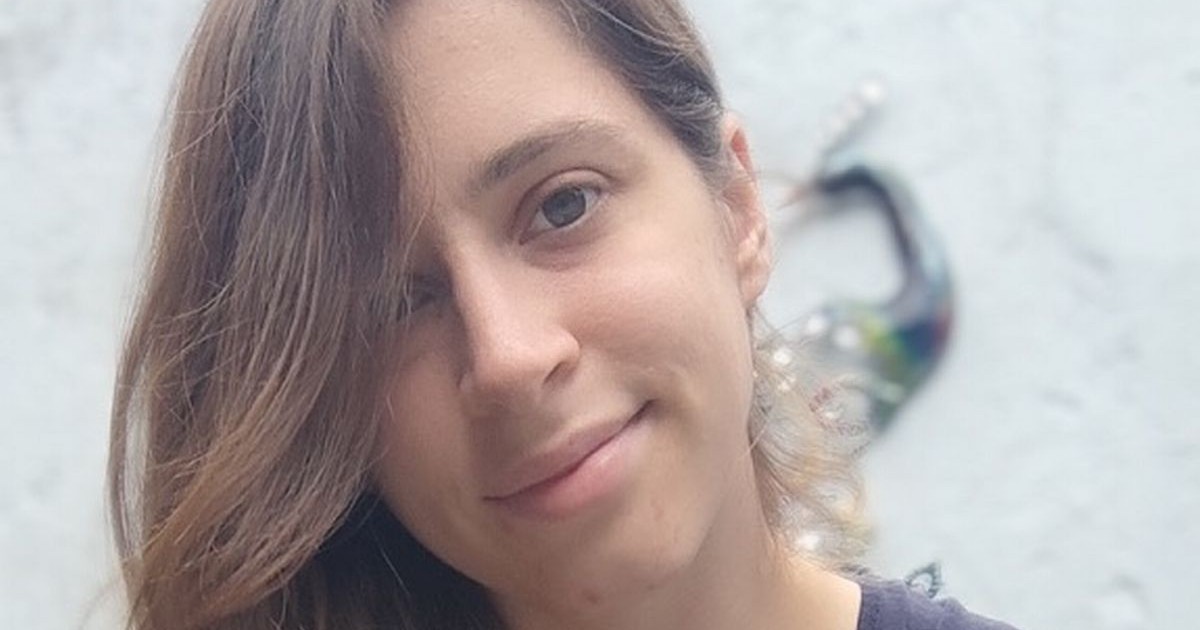
Meet this brave young lady Jessica King, 30, from Bradford, who sees her tattoos as a reflection of how she managed to get out of her tough past. Jessica went through a series of catastrophic events that resulted in her being hospitalised.
“I was 26 when my pet shop business failed, my marriage was falling apart and then my dog died,” told Jessica.
“I was admitted to hospital knowing that if I didn’t go voluntarily I would be sectioned, and I was there for a month. I was at my lowest ebb."
“I started self-harming at 13 after a traumatic event that I had no way of coping with. For as long as I can remember I’ve battled with my mental health, but that hospital stay resulted in a diagnosis of borderline personality disorder, which brought about a real change in me.”
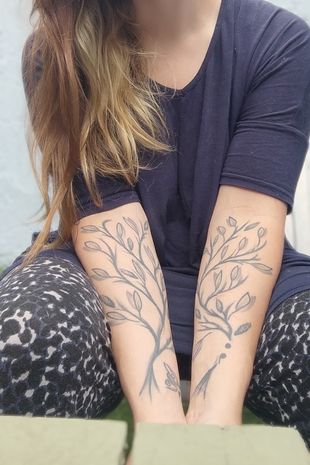
Image: DAILY MIRROR
advertisement
Jessica often wondered why she would cut her arms when feeling stressed out but now things make sense
“It wasn’t an excuse though,” she says. “Instead, I asked myself what I could do about it and while I came out of hospital extremely unwell, I knew I was on the path to recovery."
“However, it was a really hot summer and I didn’t want to go out in short sleeves as everyone would see my scars. I felt really trapped in the house and in my situation.”
Jess knew she had to cover her scars so started looking for options. That is when she found Skinflicted, a tattoo studio in Keighley, West Yorks. Skinflicted also provides tattooing for breast cancer survivors who have undergone mastectomies.
“I phoned and asked if they could cover my scars and was invited in for a chat” she says.
“The tattooist was lovely, really gentle and understanding. She took me into a private room so I felt free to talk, and carefully examined my scars. She then said they needed another couple of months of healing before she could tattoo over them, but I went away feeling reassured and that I had been understood.”
Jess had lost her business so she was worried how she would pay for the £300 tattoo.
“I had a £250 overdraft and set up a funding page online for £50 – but my lovely friends ended up paying the full £300,” she said.
“I was really nervous, but excited, when I went for my tattoos."
“The first arm was the worst in terms of scarring but the process wasn’t that uncomfortable – the second was more painful."
“It took five hours for both arms and when I left I went to a cafe for hot chocolate and cake to celebrate."
Image: Getty Images/EyeEm
advertisement
“Then I took off my cardigan and went to the pharmacist to pick something up. The first thing he said was ‘I love your tattoos’, and it’s hard to describe how that made me feel.
“I was so happy to be able to show off my arms, but it was more than that – a step forward into a new life.”
four years later, Jess says how she hasn’t self-harmed once.
“I know some people say tattooing is like self-harm, but it’s quite different,” she says.
“Self-harm is an instant coping mechanism, but tattoos need to be planned and scars need to be healed to get it done. I made that promise to myself when I came out of hospital and I waited patiently for my scars to heal enough to do it."
“I’m not going to spoil that beautiful artwork, and I see that same determination in the people who come to the charity SCUFF, which I helped set up after getting tattoos.”
SCUFF – Scar Cover Up Freedom Fund (scuff.org.uk) is a beautiful initiative. Jess helped setting it up in 2018, it offers funding for tattoos to cover self-harm scars. It also provides training for those caring for people who are self-harming, and workshops for people who need help to stop.
“There has to be motivation to stop self-harming,” says Jess.
“The application process takes time – three to six months is the bare minimum before tattoos can be done after stopping self-harming. Often it’s nine months to a year."
“The whole process, from planning tattoos to then being able to look at them and know just how much they mean to you, is therapy. I feel it has all contributed to my recovery and helped my mental health.”
advertisement
Tattooist Jo Harrisonfrom Shrewsbury, Shrops, admits that tattoos help people to stop self-harming and that it serves a sa therapy.
“I’ve had many cases of clients booking in whose scars are not healed, but they are using it as a way to stop the self-harm,” says Jo. “It’s so powerful to someone who just needs a little help to lift them out of a dark place.
“Talking about the traumas that led them to self-harming during the tattoo process can help overcome them. Often they’re too ashamed to show their bodies even to those closest to them. To give someone that freedom back is truly magical.
“It’s allowing someone to feel comfortable in their own skin so they are no longer hiding in shame and hating their body.
“A tattoo can turn that area into something they love and are proud to share with the world.”