

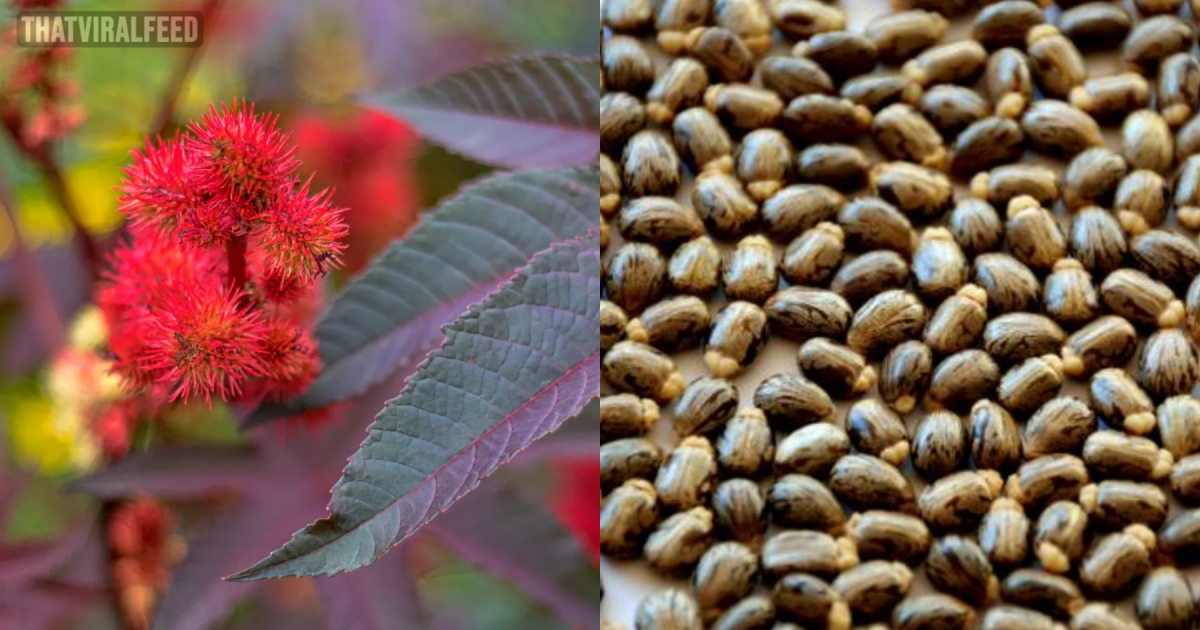
There's another poison which can be found in nature but is far more deadly than Cyanide.
advertisement
Believe it or not, there's a plant out there with a seed that's '6,000 times more poisonous than cyanide'. Kind of makes you double-take, doesn't it?
Just when you thought we had enough on our plates, nature throws us a curveball that's downright terrifying.
And just when the danger of cyanide seems like a lot, imagine a plant that's chilling in possibly your own backyard, with seeds way deadlier than that.
Now, cyanide itself is no lightweight. This chemical compound pops up thanks to some bacteria, fungi, and algae.
Getty Images
It's in tiny amounts in some seeds and fruit stones. You'll find traces of it in car exhaust and cigarette smoke too.
advertisement
Cyanide can be a colorless gas or a liquid—think hydrogen cyanide or cyanogen chloride.
It’s infamous for its use in murders, with the most notorious case being the Nazi regime using hydrogen cyanide in the Holocaust.
But then, there’s a poison out there even more terrifying than cyanide, which hardly anyone knows about.
Just a tiny amount, such as 'as few as four seeds can kill an average-sized adult'.
advertisement
This incredibly dangerous toxin, called ricin, is 'one of the deadliest natural poisons' and is 'estimated as 6,000 times more poisonous than cyanide and 12,000 times more poisonous than rattlesnake venom,' according to The University of Wisconsin-Madison.
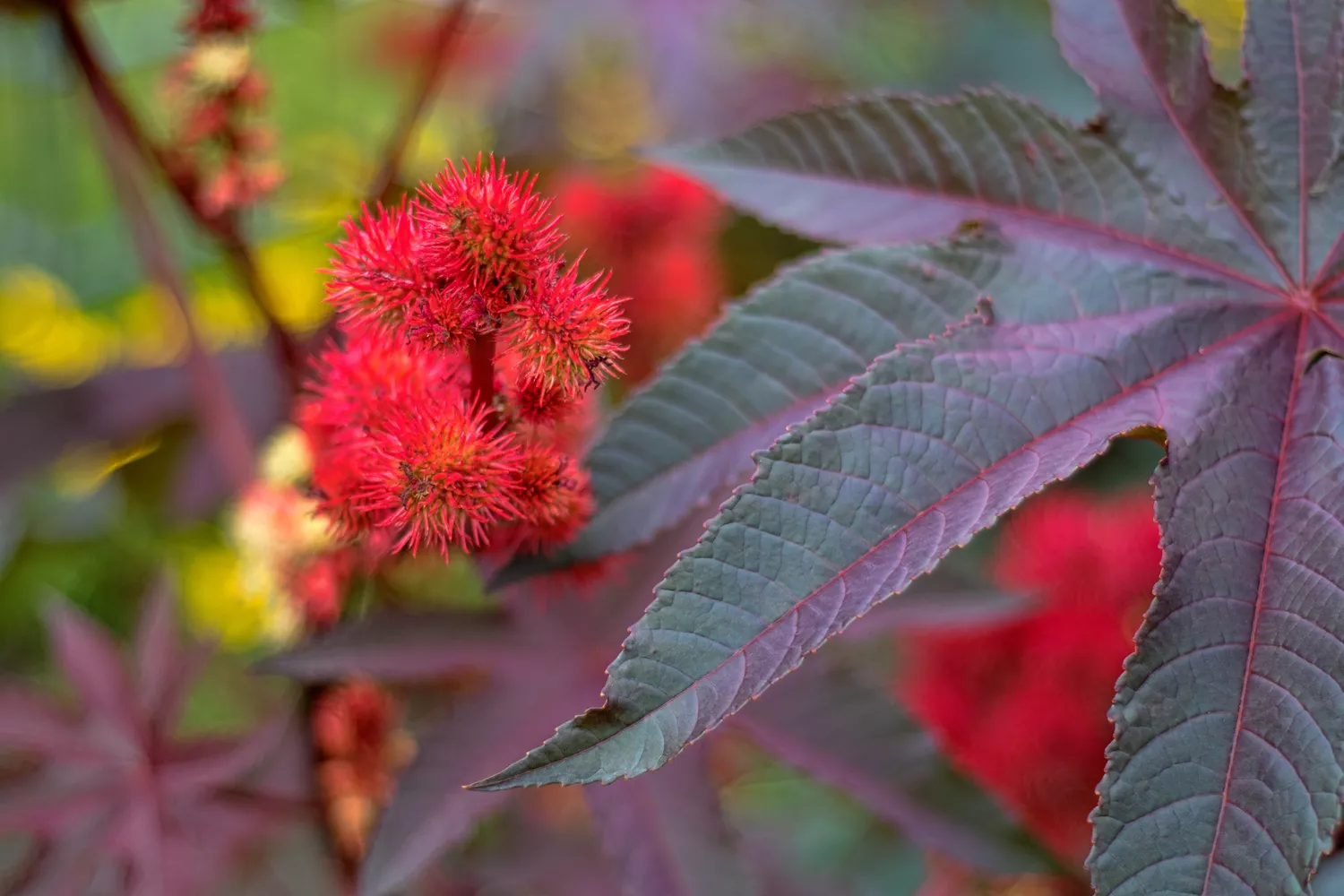
It's found in the seeds of the castor bean plant, also known by its scientific name, Ricinus communis.
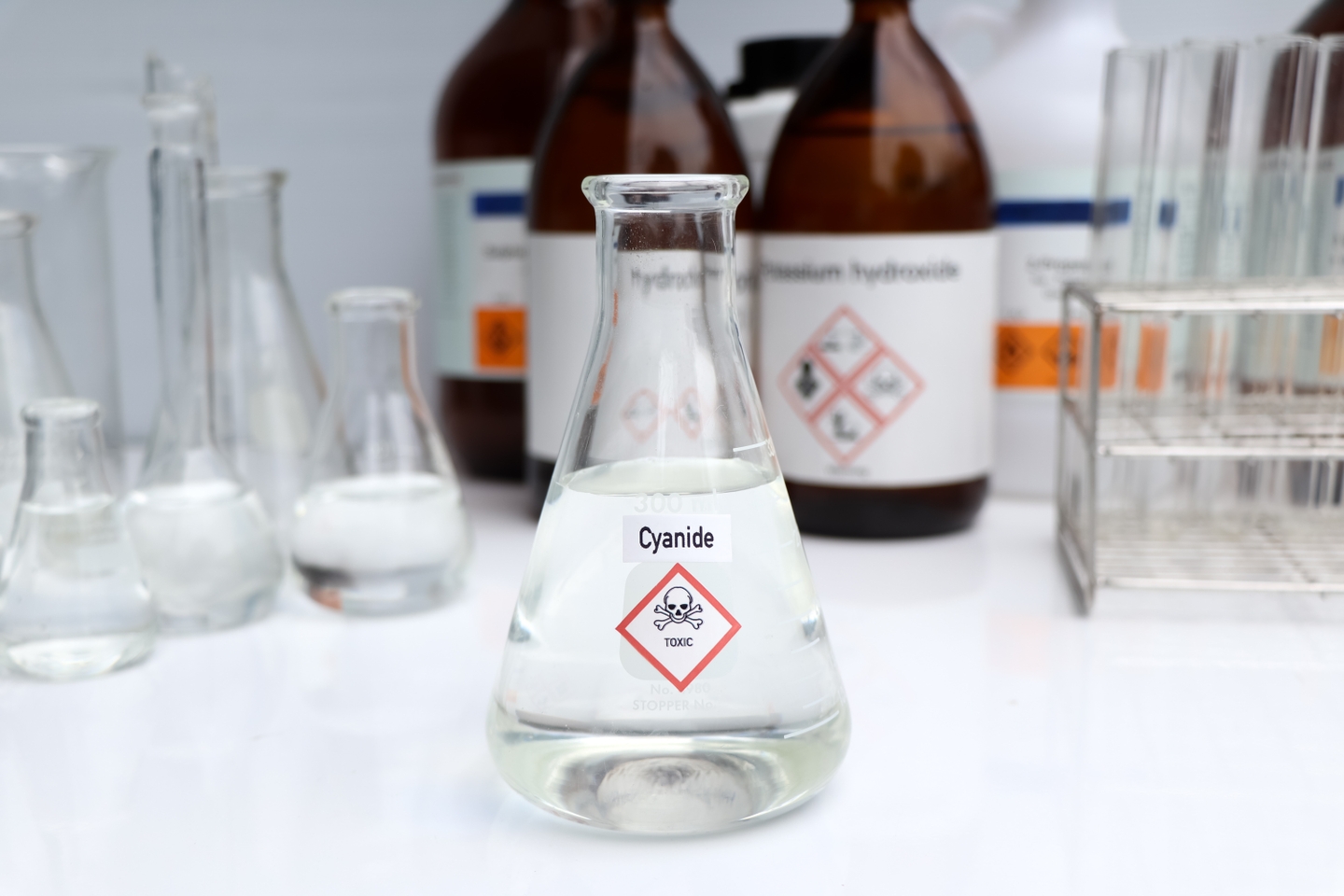
Cyanide is actually around 6,000 times less poisonous than another toxin
Getty Stock Images / Kittisak Kaewchalun
This plant is 'an evergreen herbaceous or semi-woody large shrub or small tree [...] typically found in moist, well-drained soils in disturbed areas, like along river beds and roadsides, or in fallow fields at the edges of cultivated lands' across the US.
advertisement
The university goes on to warn:
"As few as four seeds can kill an average-sized adult, while ingestion of lesser amounts will result in vomiting, severe abdominal pain, diarrhea, and convulsions.
"Livestock and poultry can also be affected if they consume seeds or meal from the seeds."
advertisement
So, what should you do if this plant is growing in your garden?
The best advice is to keep these plants 'out of reach of children' and maybe 'trim off flowering spike if this is a concern'.
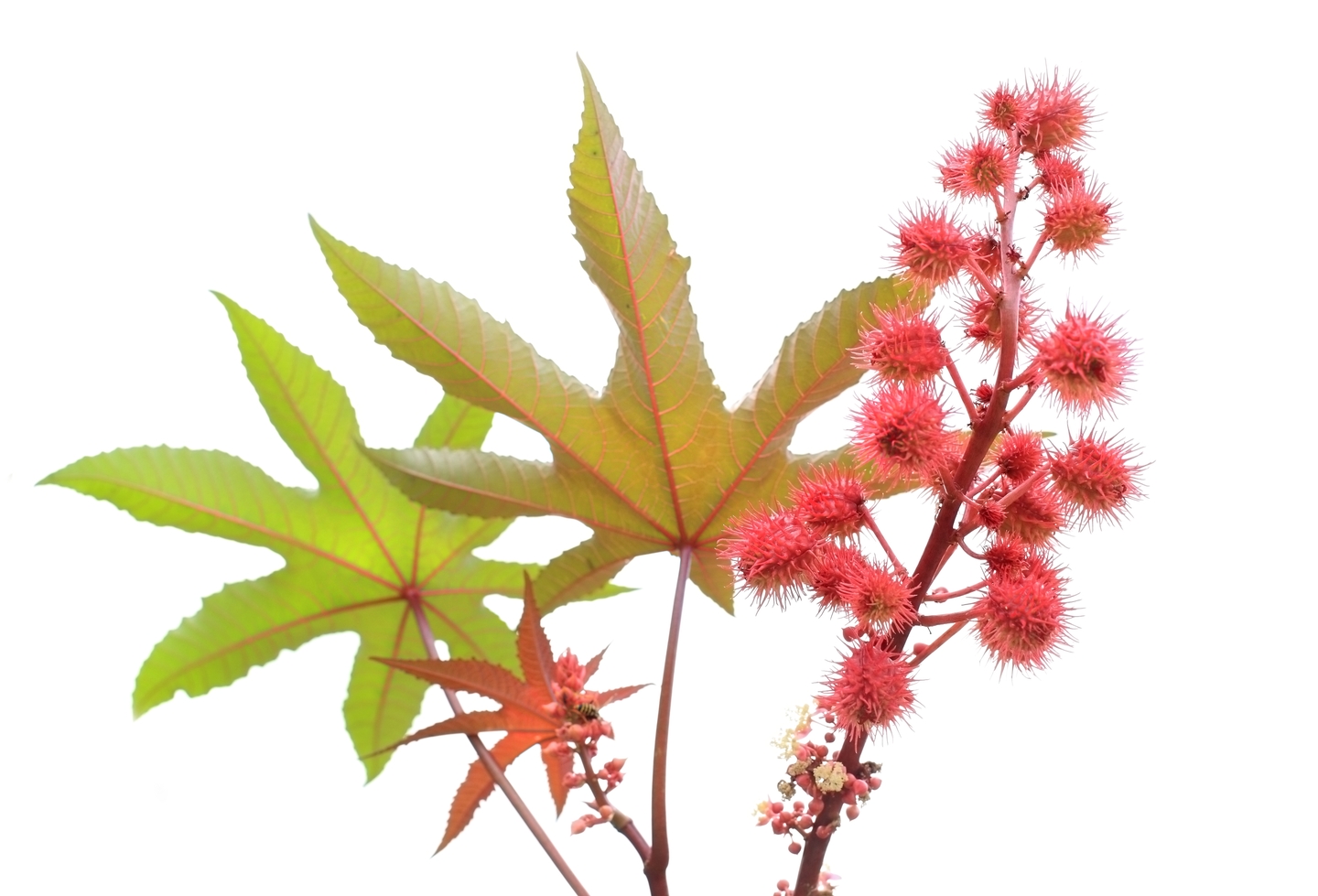
Ricin - found in castor beans - is far more deadly
Getty Stock Images / Narcisa
But what if you accidentally chew and swallow a castor bean? Or what if it enters your system 'in the form of a powder, a mist, or a pellet, or dissolved in water or weak acid'?
advertisement
According to the US Centers for Disease Control and Prevention (CDC), the first symptoms will 'occur in less than six to 12 hours'.
"These initial symptoms are most likely to affect the gastrointestinal system and include nausea, vomiting and abdominal pain.
advertisement
"The symptoms of ricin poisoning are then likely to rapidly progress (generally over 12-24 hours) to include problems such as severe dehydration, and kidney and liver problems.
"This rapid progression of symptoms and illness is noticeably different than what typically occurs with most (but not all) commonly encountered infectious foodborne illnesses, which generally resolve within a day or two," it adds.
advertisement
Their guidance is clear: 'seek medical attention right away'.
Notably, death from ricin poisoning can happen within just '36 to 72 hours of exposure'.