

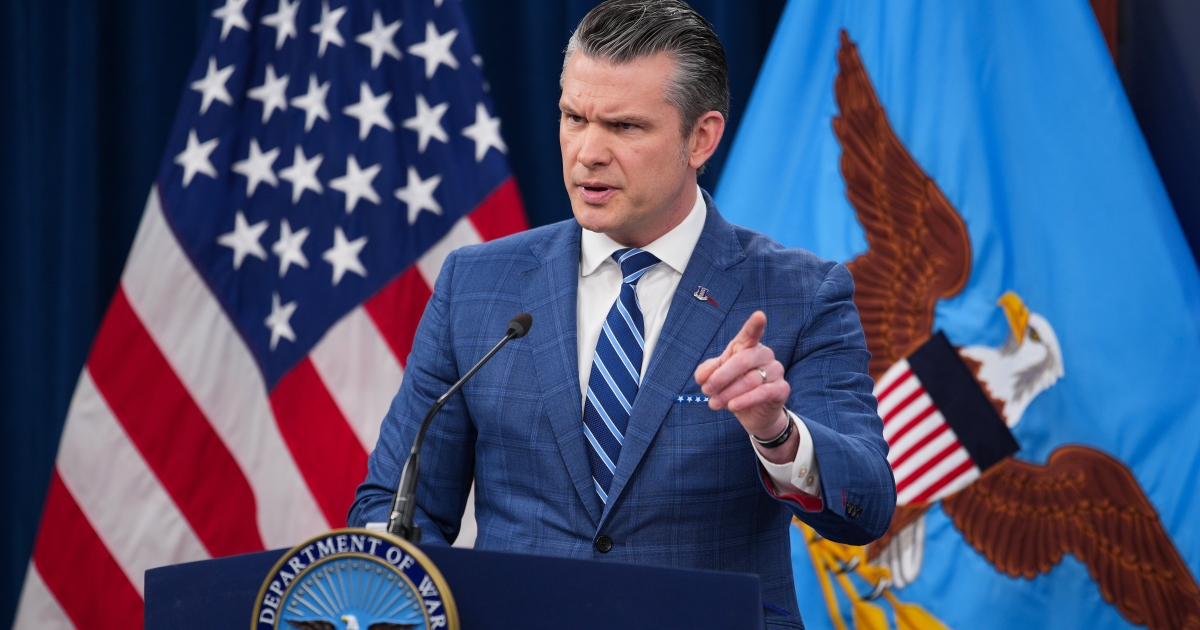
Pete Hegseth came under fire after using lines from Pulp Fiction as if they were scripture.
advertisement
A recent speech by Pete Hegseth took off online for the wrong reasons after he appeared to quote a Bible passage that was actually taken from the film Pulp Fiction. What made the moment stand out even more was that the words were not just mistaken for scripture, but were also presented in a setting where that kind of reference carried extra weight.
Donald Trump's defense secretary was speaking during a sermon event held at the Pentagon Complex on Wednesday, April 16, when he seemed to draw from the Quentin Tarantino movie. The speech quickly caught attention once people started comparing his words to the famous monologue from the film.
Hegseth went on to reference a prayer known as 'CSAR 25:17', which he said had been used as recently as an operation in Iran involving two US Air Force crew members being shot down. That claim gave the quote a military and ceremonial tone, which made the mix-up even more striking once people realized where the wording actually came from.
The issue, though, was that Hegseth was not actually quoting the Bible. Instead, he was repeating language associated with Pulp Fiction, the 1994 film that turned the fake verse into one of its most memorable lines.
The Trump administration official said: "The path of the downed aviator is beset on all sides by the iniquities of the selfish and the tyranny of evil men."
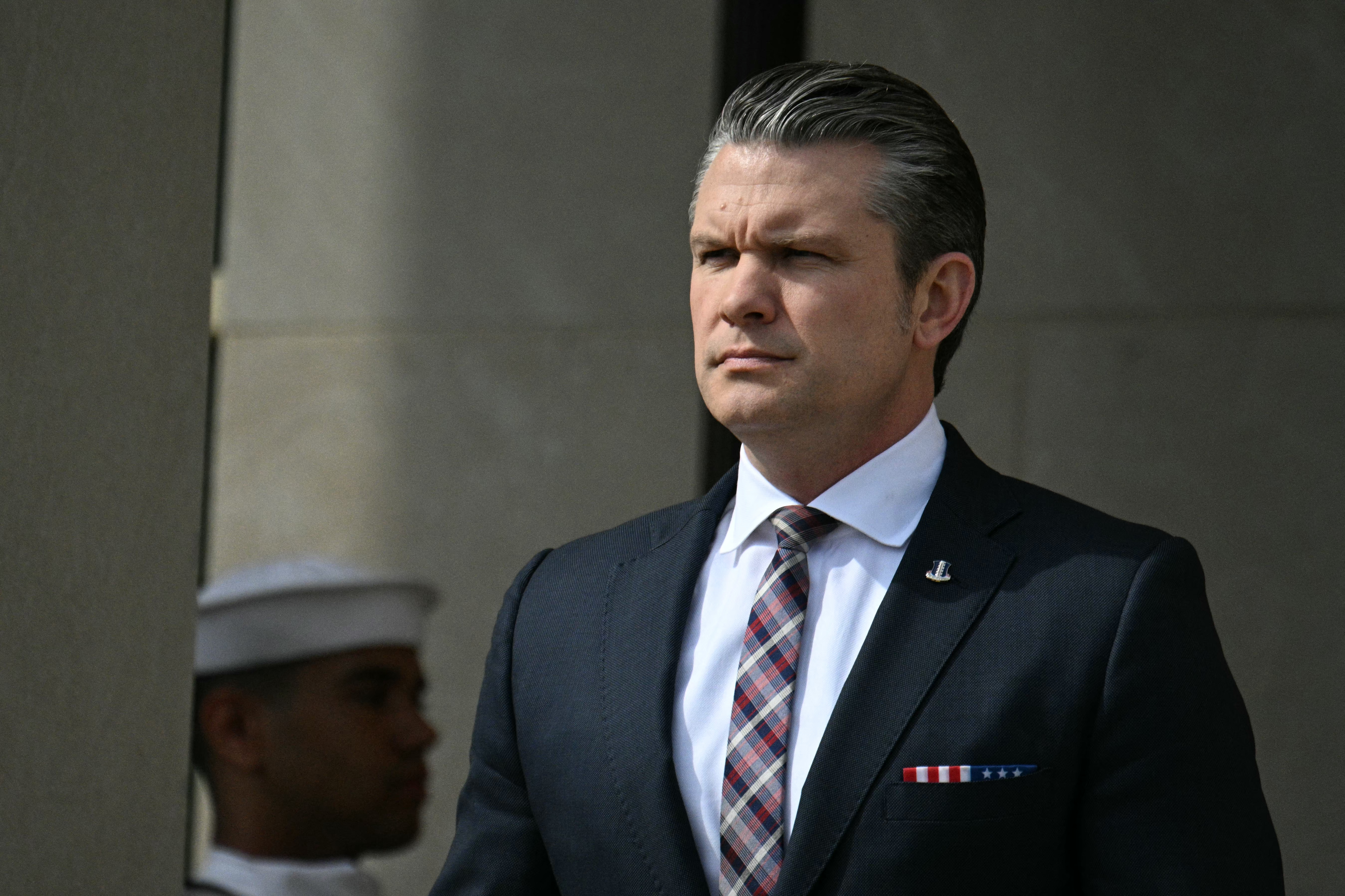
Hegesth cited a fake Bible passage
Jim WATSON/AFP via Getty Images
This was the point where viewers and critics began flagging the speech online. To many, it sounded less like a biblical citation and more like a movie speech being repurposed in a formal government setting.
advertisement
"Blessed is he who, in the name of camaraderie and duty, shepherd the lost through the valley of darkness, for he is truly his brother's keeper and the finder of lost children."
"And I will strike down upon thee with great vengeance and furious anger those who attempt to capture and destroy my brother. And you will know my call sign is Sandy 1 when I lay my vengeance upon thee, and amen."
In the film, Samuel L. Jackson's character famously presents those words as if they come from Ezekiel 25:17, even though that version is not an actual biblical passage. Hegseth's remarks suggested that he may have taken the same line at face value, or at least repeated it in a way that invited that reading.
In reality, those words were written for Pulp Fiction by Quentin Tarantino and Roger Avary. They were created for the movie and only loosely echo the style of biblical language, which is part of why so many people have mistaken them for scripture over the years.
The full quote from Pulp Fiction reads: "The path of the righteous man is beset on all sides by the inequities of the selfish and the tyranny of evil men. Blessed is he who, in the name of charity and good will, shepherds the weak through the valley of darkness, for he is truly his brother's keeper and the finder of lost children."
"And I will strike down upon thee with great vengeance and furious anger those who attempt to poison and destroy my brothers. And you will know my name is the Lord when I lay my vengeance upon you."
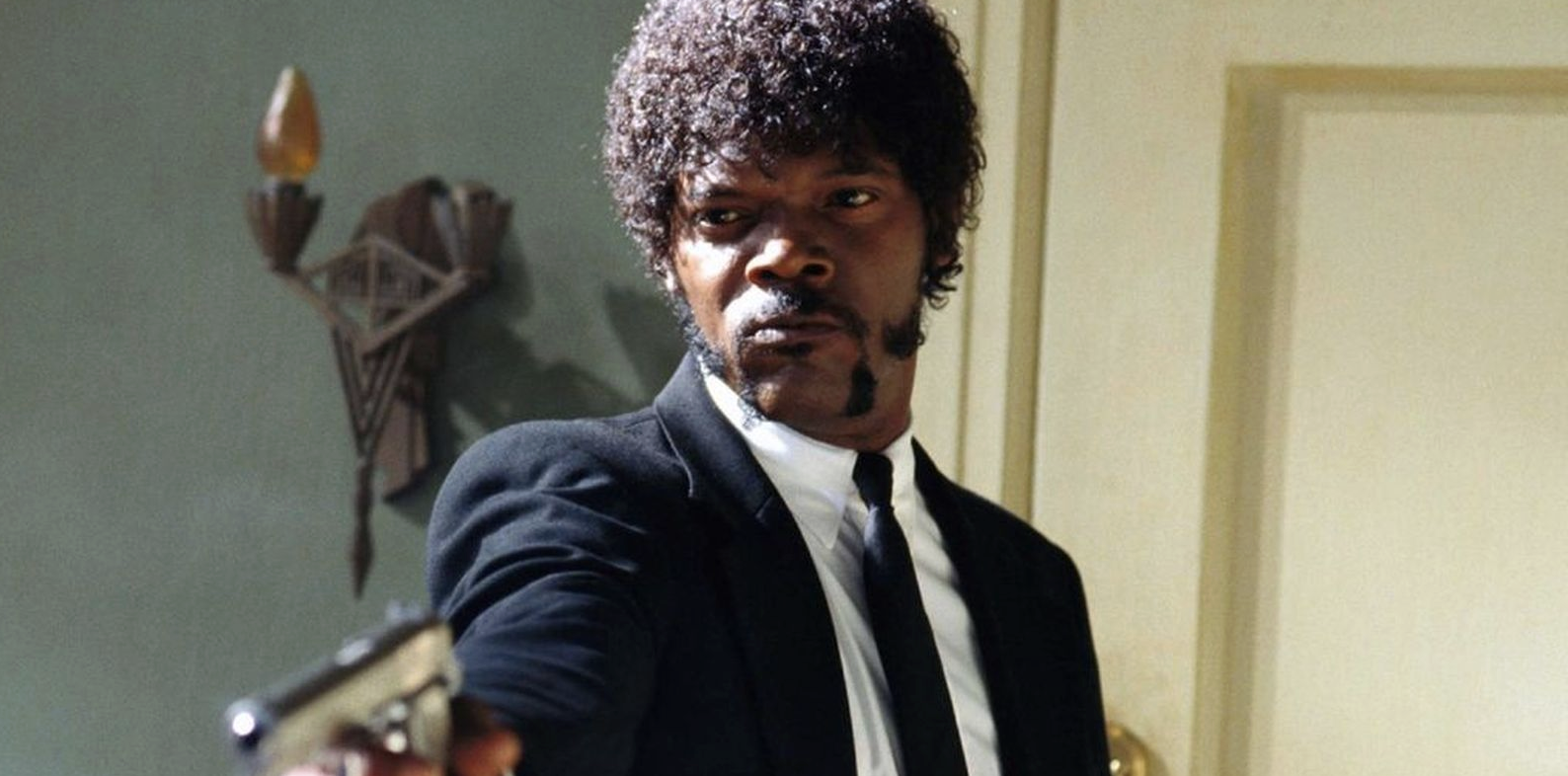
The Trump administration official cited Samuel L. Jackson's character instead of the Bible
Miramax Films
advertisement
How the movie quote differs from the real verse
The confusion around this line is not new. For years, people have repeated the Pulp Fiction speech as if it were a direct Bible verse because it sounds dramatic, old-fashioned, and close enough to scriptural language to feel believable at first.
But the film version adds a lot of material that does not appear in the Bible. It turns a much shorter and more direct verse into a long monologue about vengeance, brotherhood, and moral judgment, which helped make it iconic on screen but also far easier to misremember as real scripture.
That is why the speech stood out so much once Hegseth used it. People were not just reacting to a small wording error. They were reacting to a well-known movie invention being treated like a sacred text.
advertisement
Although there are some surface similarities between the Pulp Fiction version and the actual passage from the Bible, the differences are hard to miss once the two are placed side by side. Hegseth appeared to blur those lines in a way that many people online quickly picked up on.
Part of Ezekiel 25:17 in the Bible reads: "And I will execute great vengeance upon them with furious rebukes; and they shall know that I am the Lord, when I shall lay my vengeance upon them."
Plenty of people rushed to social media to comment on the defense secretary's mistake. One person joked: "By now, everyone has long figured out that Donald Trump and his crew are shooting a documentary-style sequel to Pulp Fiction 2."
advertisement
A second person added: "I feel like I'm watching a poorly scripted reality show when it comes to pretty much everything Trump administration related."
The online response made clear that many people saw the moment as more than just a simple slip. For critics, it reflected the kind of confusion and theatrical tone they already associate with Trump-era political messaging.
In the end, the speech became a viral talking point not because of the religious message Hegseth may have intended, but because the words he used were instantly recognizable to movie fans. What was presented like scripture ended up sounding a lot more like Samuel L. Jackson in a Quentin Tarantino scene.