

A hidden detail sheds new light on how Captain Jack Sparrow became known as the worst pirate
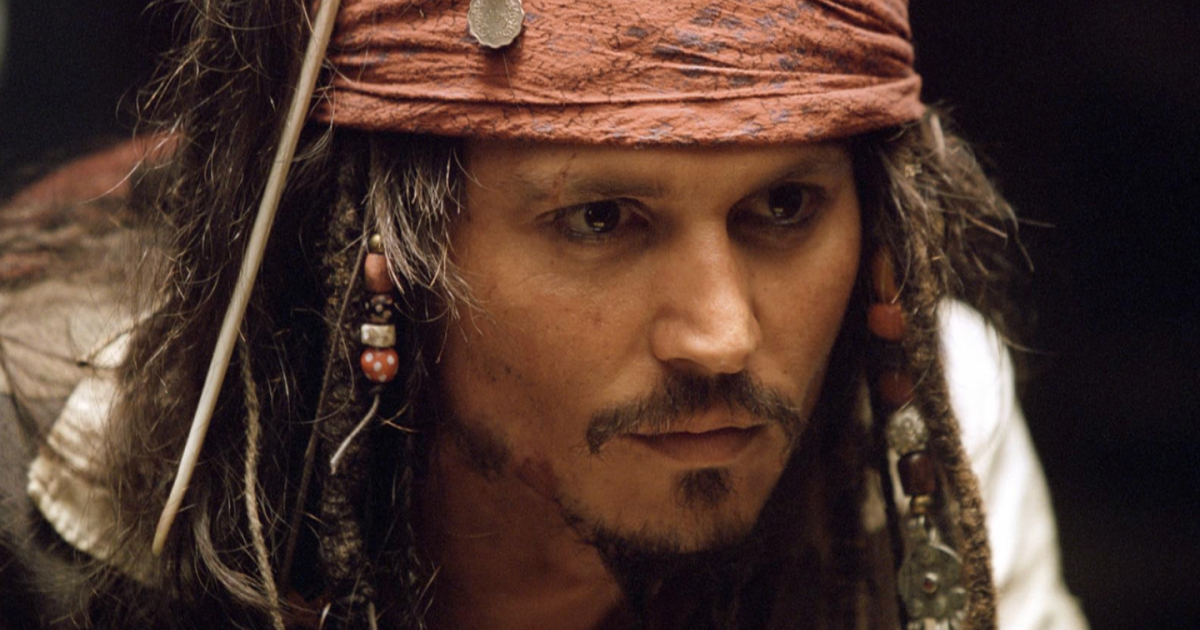
Pirates Of The Caribbean Fans Are Only Just Discovering The Surprisingly Dark Backstory Behind Captain Jack Sparrow
By
maks in
Movies & TV
On 23rd December 2025
advertisement
There is a surprisingly dark backstory tied to Captain Jack Sparrow that many Pirates of the Caribbean fans are only now beginning to piece together.
The Pirates of the Caribbean franchise first arrived in theaters with The Curse of the Black Pearl in 2003, quickly building a devoted fanbase and eventually expanding into five films packed with major stars such as Johnny Depp, Orlando Bloom, and Keira Knightley.
Even though it has been more than eight years since the most recent installment, Dead Men Tell No Tales, was released, viewers have recently realized that Jack Sparrow, famously portrayed by Depp, carries a hidden past that explains why other characters repeatedly label him as a “bad” pirate, despite the films never spelling it out directly.
According to Corner of Film, a deleted scene from the franchise offers key insight into why Sparrow is constantly branded as the “worst pirate” throughout the story.
Across the films, Jack is often mocked or dismissed as the worst of his kind, even though he consistently shows skill in core pirate abilities such as sailing, navigating dangerous waters, and surviving situations that would sink most others.
One of the earliest examples comes right at the start of the series, when Commodore Norrington describes him as “the worst pirate [he's] ever seen,” setting the tone for how Jack is viewed.
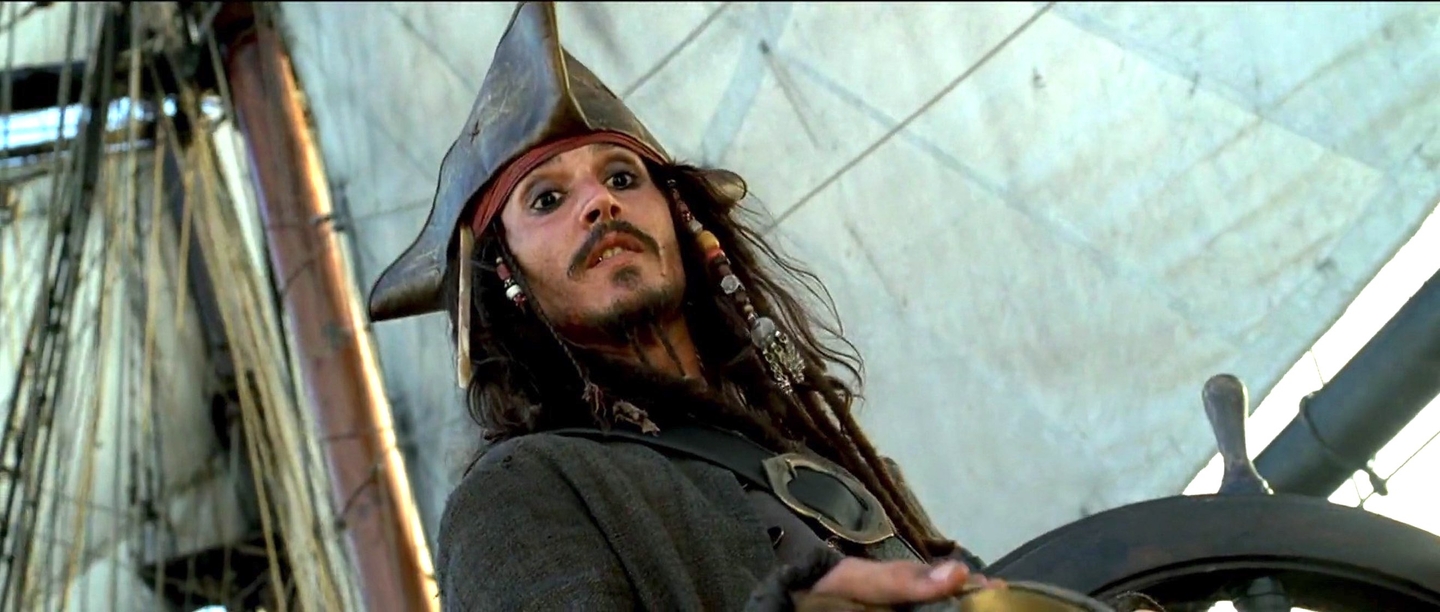
It has finally been revealed
Walt Disney
advertisement
However, the outlet suggests that the label may not be the insult it initially appears to be.
A major clue lies in a conversation between Jack Sparrow and Cutler Beckett, which hints at a very different reason for Jack’s reputation.
Before becoming a full-time pirate, Sparrow worked as a privateer for the East India Trading Company and was tasked with transporting a ship called the Wicked Wench, along with its supposed “cargo.”
Jack later discovered that the cargo consisted of 100 enslaved people, prompting him to free them and flee with the ship instead of completing the job.
In the deleted scene, Sparrow confronts Beckett and tells him: "People aren't cargo, mate."
Beckett’s career took a serious hit as a result of Jack’s actions, leaving him furious and determined to retaliate.
advertisement
In response, Beckett ordered Jack’s beloved ship to be burned and sunk to the bottom of the sea.
In the deleted scene, he coldly remarks after seeing the ship sail once more: "The last I saw of that ship she was on fire, a blackened hulk sinking beneath the waves."
Jack refused to let the Wicked Wench remain lost, going to extreme lengths to bring it back by striking a deal with Davy Jones, the near-immortal captain who ferries souls to the afterlife, agreeing to a grim bargain that demanded 100 souls in return.
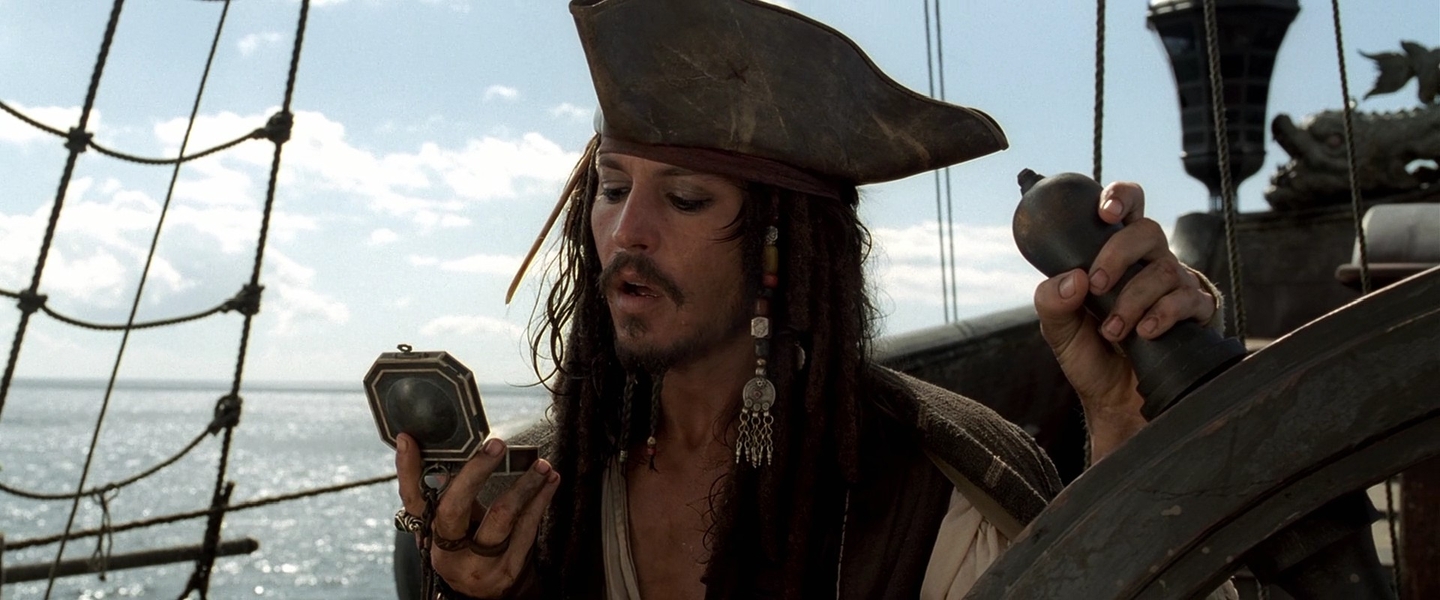
He's often called a 'bad' pirate in the movies
Walt Disney
advertisement
After being salvaged, the ship’s hull was permanently scarred by fire, forcing Jack to rename it the Black Pearl and push fully into a life of piracy.
Seen in this light, Jack’s reputation as a “bad” pirate takes on a very different meaning, especially considering that he chose to free enslaved people rather than profit from them.
Fans now believe he earned the label not because he lacked skill, but because he failed to live up to what ruthless pirates expect, choosing principles over plunder and refusing to exploit others for personal gain.
advertisement
The renewed interest in Jack Sparrow’s backstory comes as rumors continue to swirl about a possible sixth Pirates of the Caribbean film.
Last summer, a producer hinted that the franchise could return, expressing hope that familiar faces like Keira Knightley and Orlando Bloom might once again step into their iconic roles.