

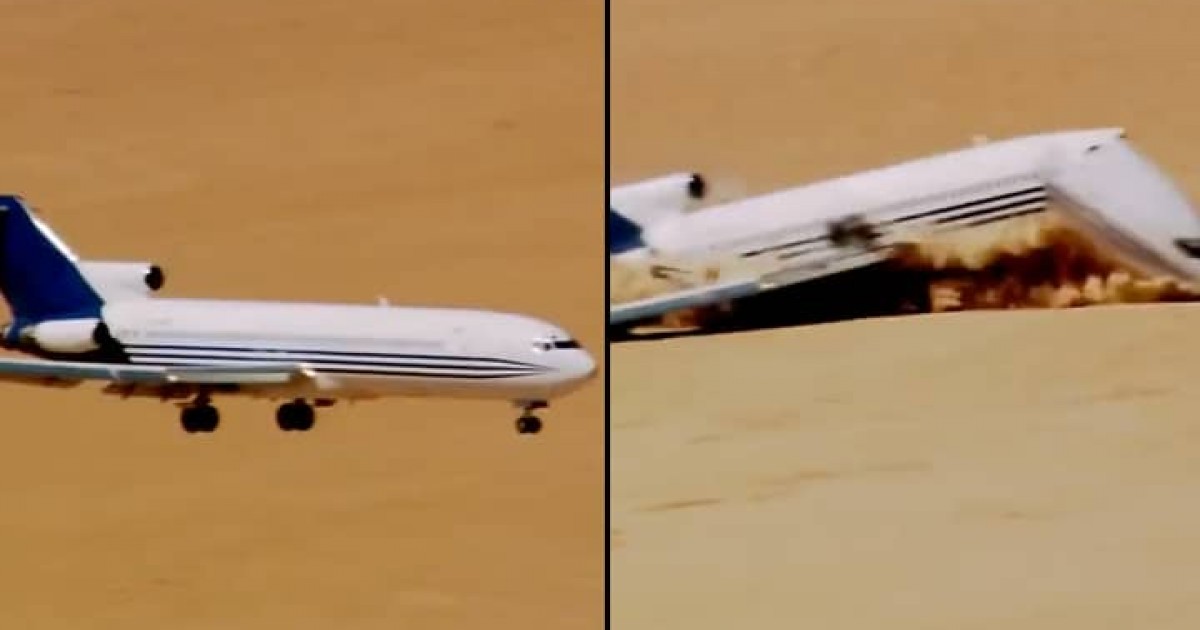
Plane crash is the worst fear each and everyone carries with us. It is possibly the worst way anyone can die. To understand the best chances of survival, scientists did an experiment, and while the results might surprise you a bit, know that it depends on how the plane crashed.
advertisement
It is reported scientists once crashed a huge passenger plane into the ground deliberately to find which seats on board have the best chance to survive in case of a plane crash.
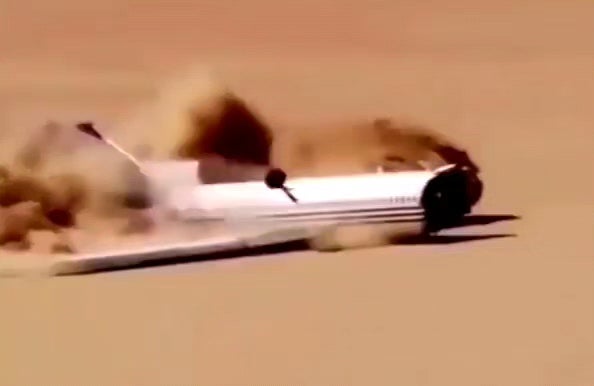
Youtube
Researchers and scientists are always on the quest to find out the answers to questions no one knows about.
For some, they might be considered trivial, but this experiment was anything but a joke for them. It aimed to find which seat passengers have the highest chance to survive in case a plane crash happens.
So, where do you think has the best chance of survival?
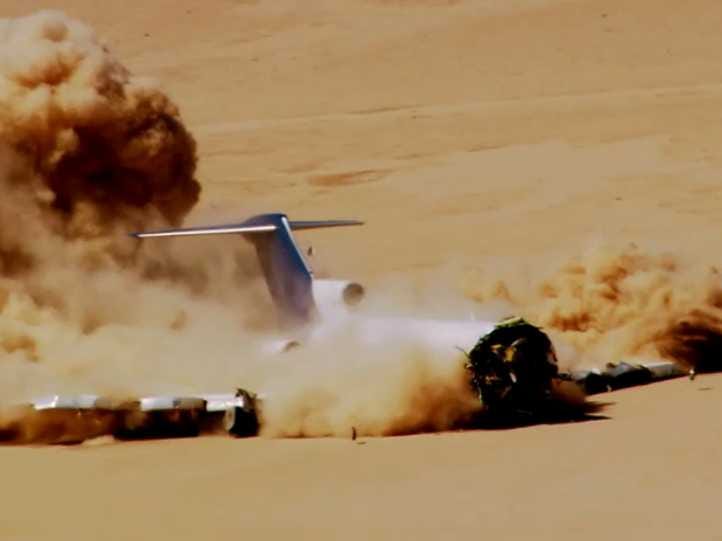
Youtube
advertisement
The test - which was looked into on Channel 4's The Plane Crash - drew in a bit of controversy because the US government refused to let the company in charge, called Broken Wing, attempt the experiment on their land.
They eventually convinced the Mexican government to let them do it, choosing a big dry lake for their site in the end.
What’s more, there were other hoops that had to be jumped through.
The idea was to fly the plane remotely before then crashing it into the big desolate space on purpose in order to complete their simulation.
But since the plane had to fly over populated areas too, the Mexican authorities demanded that the plane be flown for that time by a human pilot.
advertisement
That meant that Captain Jim Bob Slocum had the job of flying the plane into the wilderness before leaving the aircraft – presumably via a parachute – and leaving it to be remotely crashed by another pilot.
On April 27 2012, the Boeing 727 plane took off from an airport in Mexicali, before flying into the desert and being deliberately crashed into the floor at 140 miles per hour.
But you must be wondering about what results came out of this expensive experiment?
advertisement
Well, it might not surprise you to learn that the people at the front of the plane would be the most likely to die in a real crash.
Then, those who were seated over the wings of the plane would most likely receive survivable but serious injuries – broken bones and the like – whereas most of the test dummies at the back of the plane remained intact, meaning that those passengers could very well have survived.
advertisement
But we should note that had the plane crashed tail first the circumstances would likely have been reversed.
advertisement
The test also found that the brace position – which is the subject of much speculation – would likely have prevented head and spinal injuries, but would have created more pressure on legs, which could have resulted in more breakages there.
advertisement
To conclude, there is no ideal place in a plane crash.
What’s more, evacuation could have been a problem too, as bits of the plane had moved into the passenger compartment during the collision, creating potential hazards and evacuation blockages.
advertisement
Let’s not forget that planes carry a lot of fuel, too.
That could cause further issues.
The whole thing was also filmed for a TV show called Curiosity as well, in case you want to get a more in-depth look into what actually went on.
After the experiment, the site was cleaned up and the debris was removed and left next to the road, where they were still situated as of May 2022, reports claim.