

Sadly, the beautiful event turned to disaster.
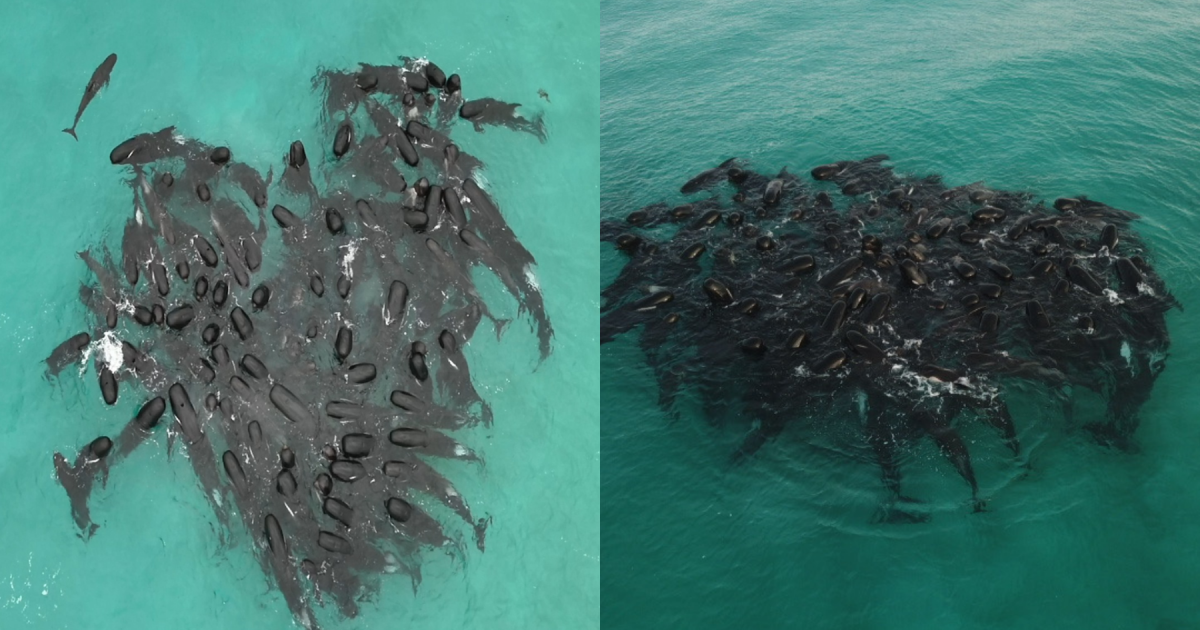
Pod Of Almost 100 Whales Gathered In A Heart Shape Before Tragedy Struck
By
Harsh Rana in
News
On 29th June 2024
advertisement
A pod of nearly 100 whales was seen huddling together in a heart shape off the coast of Australia, just before a tragic event took place.
These breathtaking images were taken last July off the coast of Cheynes Beach in southern WA.
The spectacular photos, shared by the Parks and Wildlife Service, captured the whales unknowingly forming a heart shape in the ocean.
Once this unusual formation was noticed, the DBCA Parks and Wildlife Service Albany District quickly attended the scene to monitor the pod’s movements.
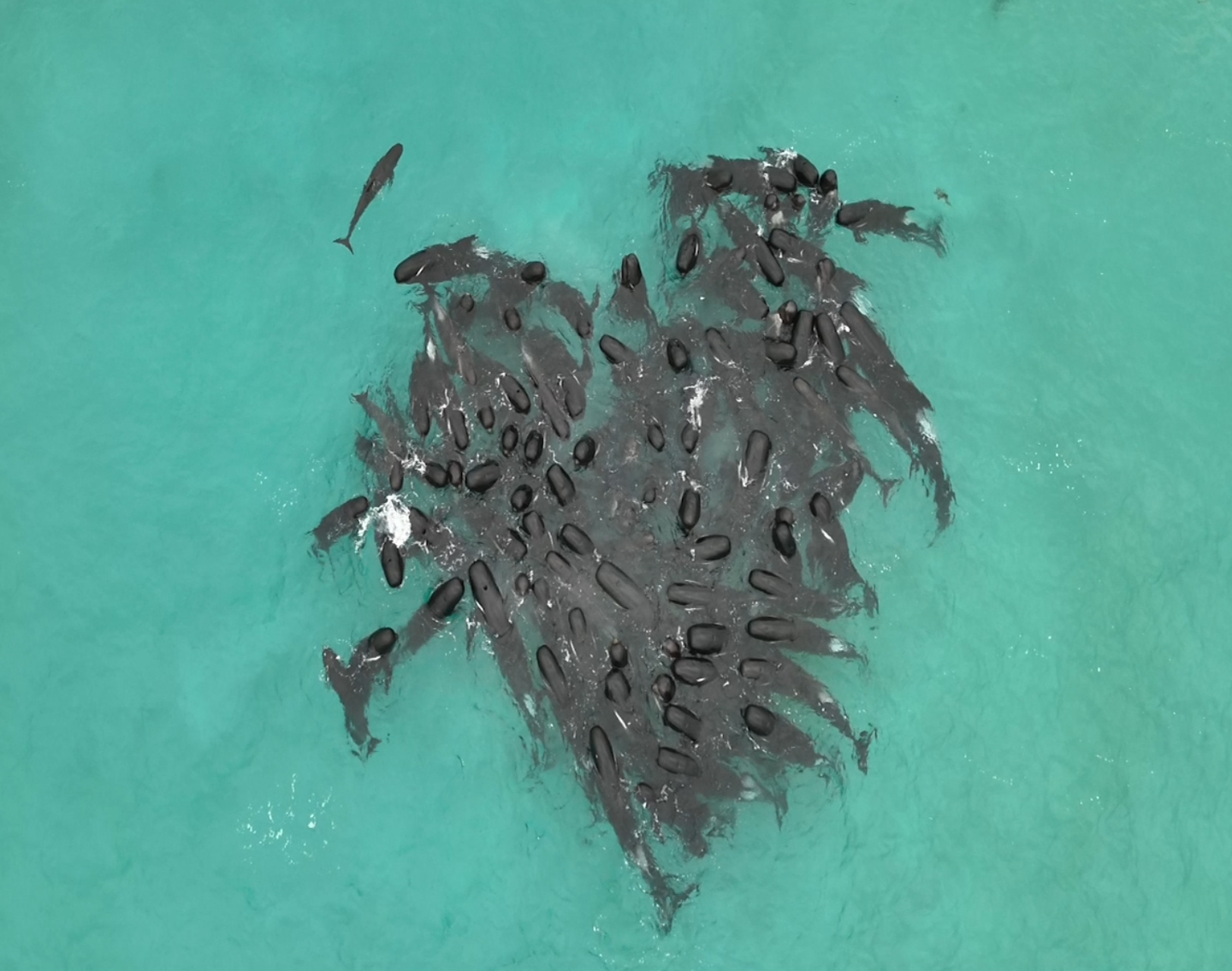
The whales formed a heart in the water
Allan Marsh and DBCA/Facebook
They advised the public to keep their distance and not to get too close to the whales, ensuring both the animals' safety and that of the people.
advertisement
Sadly, the beautiful and serene moment turned into a disaster when the whales started moving toward the beach and became stranded on the sand.
DBCA officers responded immediately to manage the incident.
Numerous volunteers also stepped forward to offer their assistance in helping the whales.
Additionally, a team of experienced staff, including veterinarians from Perth Zoo and marine fauna experts, was sent to the site to provide their expertise.
advertisement
Marine biologist Dr. Vanessa Pirotta told Sky News that the pod was an ‘incredible sight’, but admitted that experts have ‘no idea’ why the whales deliberately came up on to the beach.
She remarked, “I personally have never seen anything like this. Pilot whales are largely an offshore species."
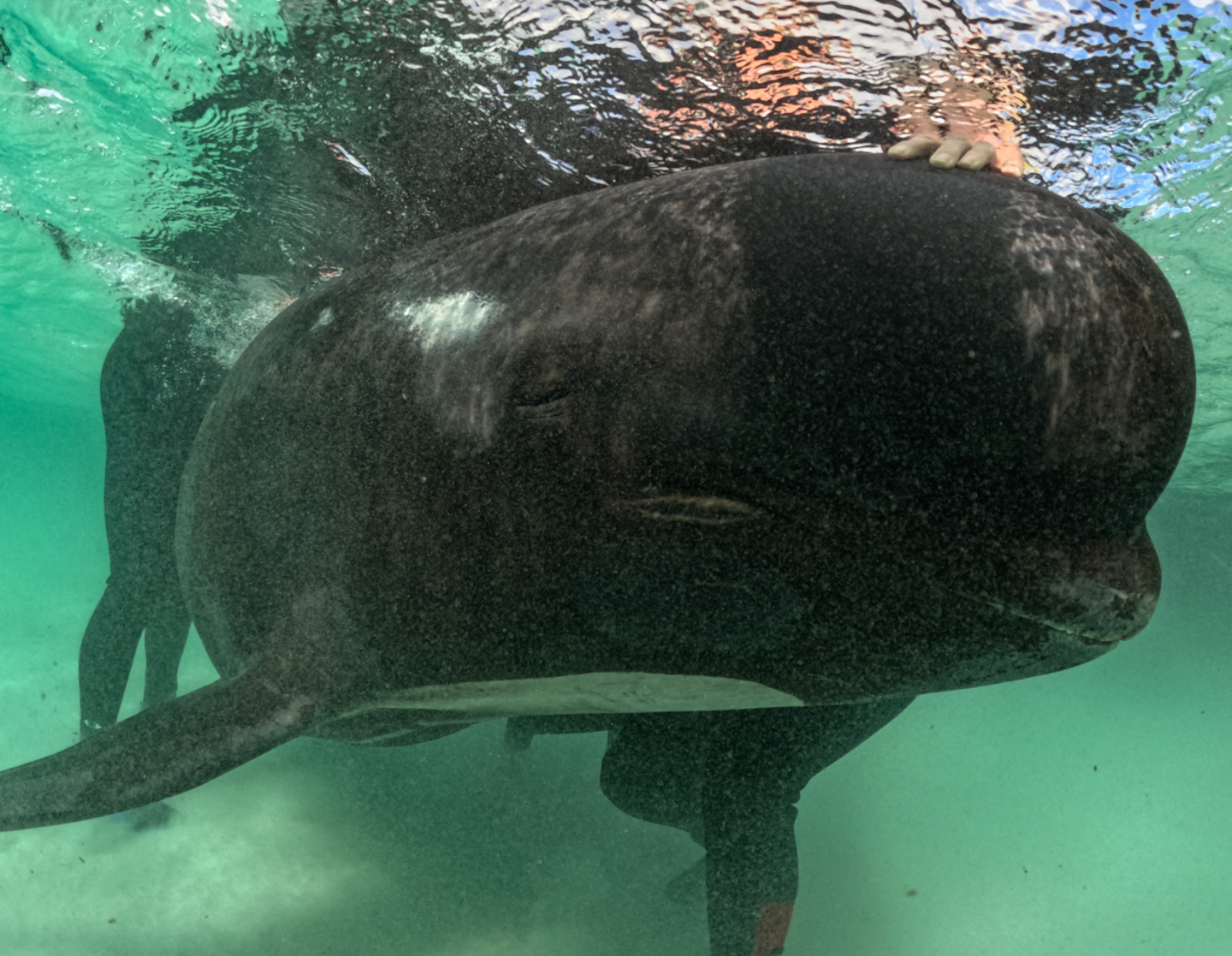
Numerous experts and volunteers came to help the whales
Facebook/Parks and Wildlife Service, Western Australia
"They are very social. They hang out together. But like this? This is super unusual."
advertisement
The response teams were equipped with specialized tools, including vessels and slings, in an attempt to rescue the whales.
Despite their efforts, 51 whales unfortunately died during the incident.
advertisement
The Parks and Wildlife Service shared on Facebook, "Parks and Wildlife Service personnel are working in partnership with registered volunteers and other organizations to try to return the remaining 46 whales to deeper water during the course of the day."
They also expressed their gratitude for the support received, stating, "Thanks so much for the messages of support.
advertisement
The Parks and Wildlife Service has been overwhelmed with hundreds of offers of help to rescue the stranded whales, and we now have enough registered volunteers."
For safety reasons, the public was urged to stay away from the beach.
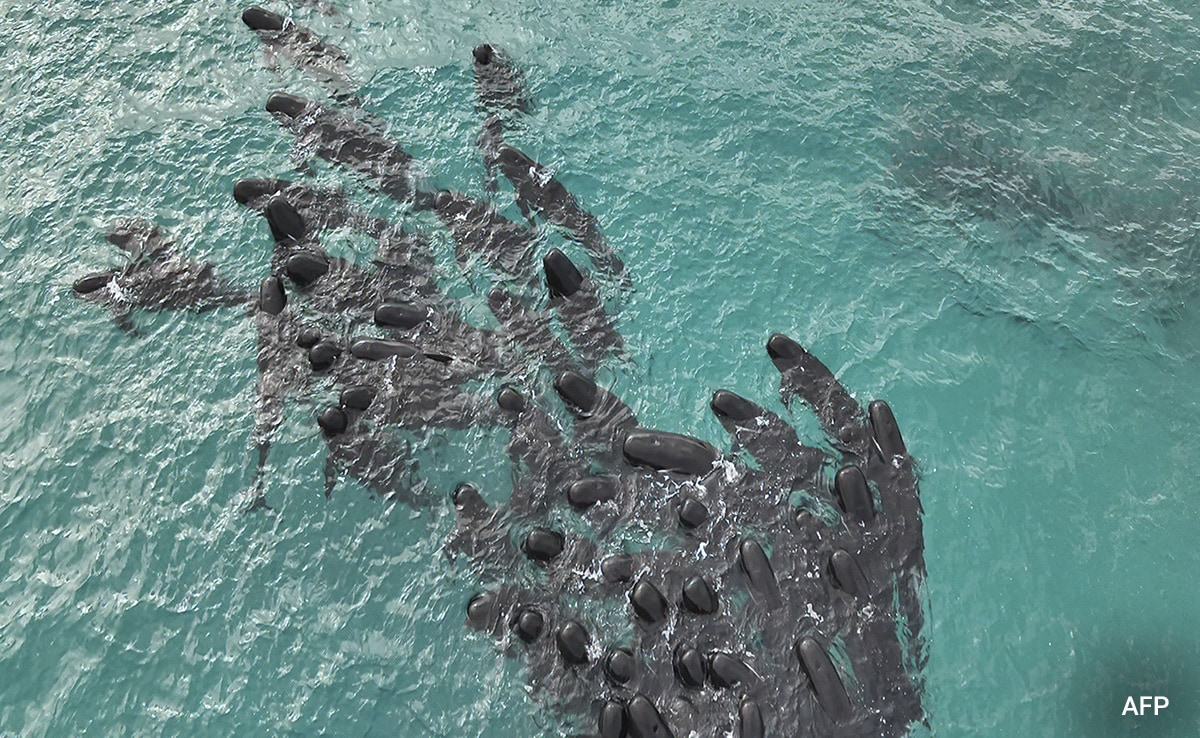
Scientists do not fully understand why mass strandings occur
WA department of biodiversity, conservation and attractions
"The priority focus of the Incident Management Team is to ensure the safety of staff and volunteers and the welfare of the whales," they continued.
advertisement
"The response zone has a range of hazards, including large, distressed and potentially sick whales, sharks, waves, heavy machinery, and vessels."
Dr. Pirotta spoke to ABC about potential reasons for the stranding.
advertisement
She suggested that the whales might have gathered around a sick member of their group, become lost due to navigational problems, or moved to avoid orcas hunting nearby.
Despite these possibilities, the exact cause remains a mystery, adding another layer of intrigue to this unusual and heartbreaking event.