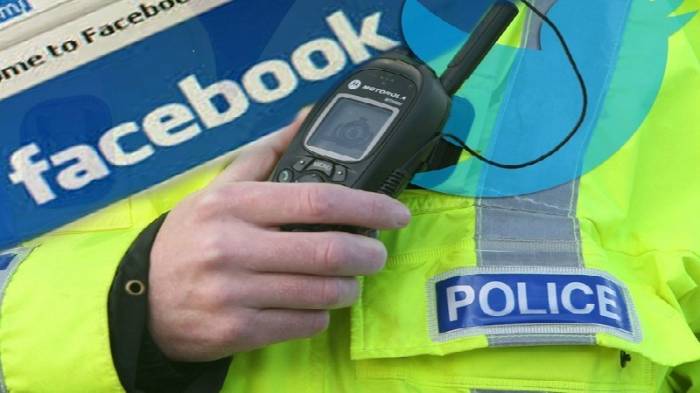
Police from around the country are taking predictive crime prevention to a whole new level by making fake accounts and pretending to be real people in order to gain information about local events and crimes according to Tech Mic.
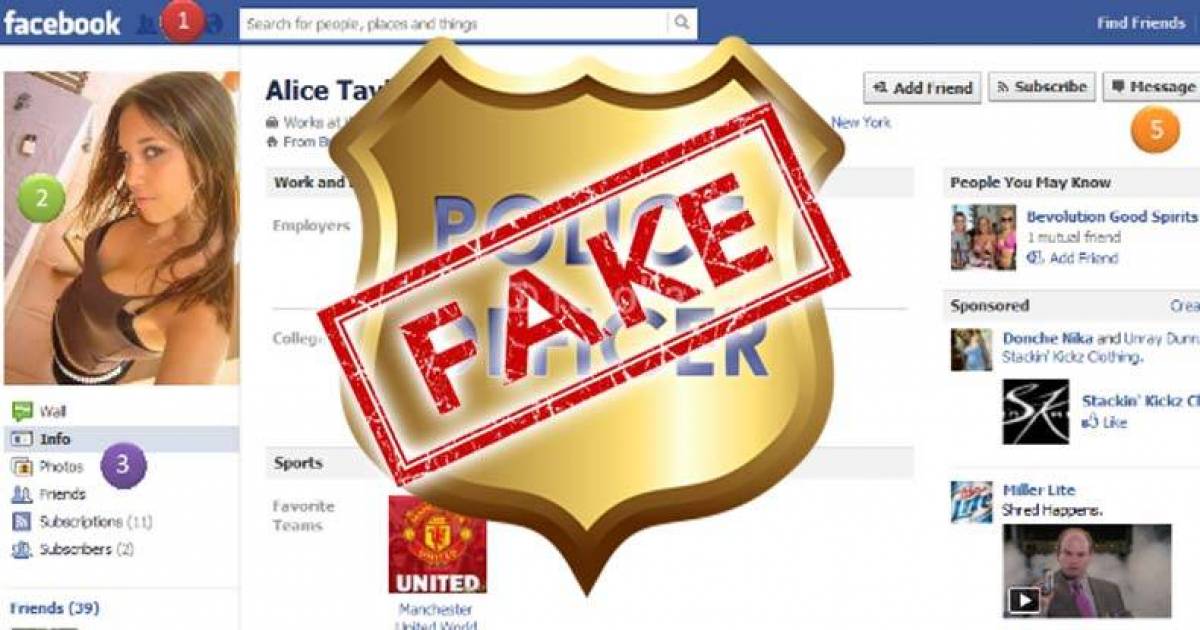
Police Are Making Fake Facebook Accounts To Watch You — This Is How To Spot A Fake Account
By
Michael Avery in
Bizarre
On 28th April 2017
advertisement
#1
Law enforcement agents are now putting on digital masks to pose as members of the community in order to gather personal information regarding suspects that they consider at high risk of being involved in a crime in the future or already have existing charges.
#2
In a new social media guide for police and other law enforcement officers published by the US Justice Department, it is explained how police have begun to create fake profiles even though Facebook policy does not allow the practice.
advertisement
#3
Many Police Departments are now starting to use predictive analytical policing software, which allows officers to patrol certain neighborhoods based on posts made on the social network giant. If people are upset or overly emotional and post about it on social media, the program places a label on the neighborhood marking it as high risk and alerting law enforcement to survey those areas.
#4
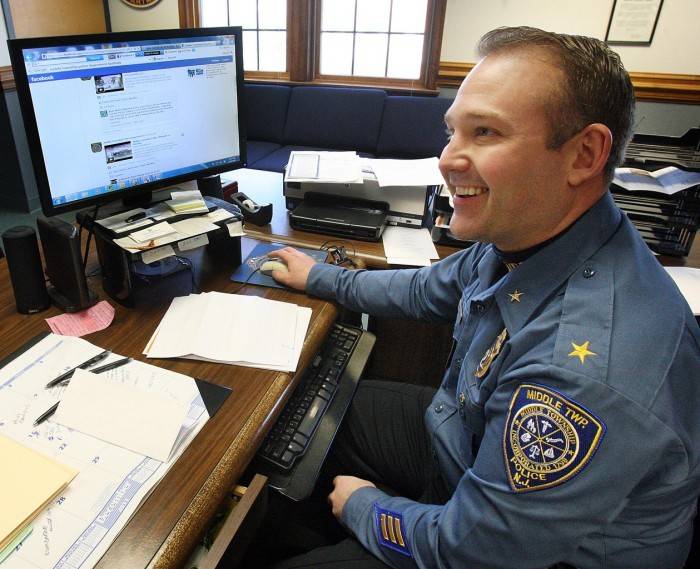
One cop that was featured in an article published by Business Insider answered a LexisNexis survey by stating that he “was looking for a suspect related to drug charges for over a month. When I looked him up on Facebook and requested him as a friend from a fictitious profile, he accepted,” and “he kept ‘checking in’ everywhere he went, so I was able to track him down very easily.”
advertisement
#5
Another officer commented, “Social media is a valuable tool because you are able to see the activities of a target in his comfortable stage. Targets brag and post … information in reference to travel, hobbies, places visited, appointments, circle of friends, family members, relationships, actions, etc.”
advertisement
#6
Over 1,221 state, federal, and local law enforcement use social media today. Out of that number over 80% of the officials who responded said that social media was a very powerful tool for crime-fighting and that “creating personas or profiles on social media outlets for use in law enforcement activities is ethical.”

advertisement
#7
The NYPD, in particular, has gone to such an extreme that they use pictures of young sexy females on social media to spy on gang members, as reported by the New York Times. It is unclear at this time if the agencies that make these accounts are using the photographs with or without the consent of the individual in the images.
advertisement
#8
Attorney and social media expert, Bradley Shear, says he isn't sure how the courts will handle challenges brought up against this type of policing. He did note that “police often pose as prostitutes or drug dealers to catch criminals.” It is also well known that the government hires agents for its notorious Operation Mocking Bird Program whose sole purpose are to change political opinion.
advertisement
#9 This is how to easily identify a fake account on Facebook.
1. The account was made recently.
2. The account has no history published in earlier years, but the account has
been a member for a long period of time.
3. Most fake accounts only feature 1 image or don't feature a photo of the
person at all. Most fake accounts only have a few photos posted over a long
period of time. A real user would have more. A fake account may also add 7-
10 photos on the same day.
4. If the user has very few friends it may be a fake account.
5. There is almost no interaction with their friends. No likes, no comments or
responses featured on their timeline.
6. Their profile picture seems way too good to be true. If a hot model added
you today you should be wary. If she messaged you and is interested in you,
throw up the red flag.
7. If you are not sure, reverse image search them. Take their picture to
Google and find out if the picture is really them.
8. This is the most important one. If you have any doubt over someone being
legit just deny their request.
We hope these tips help you avoid being spied on by the police.