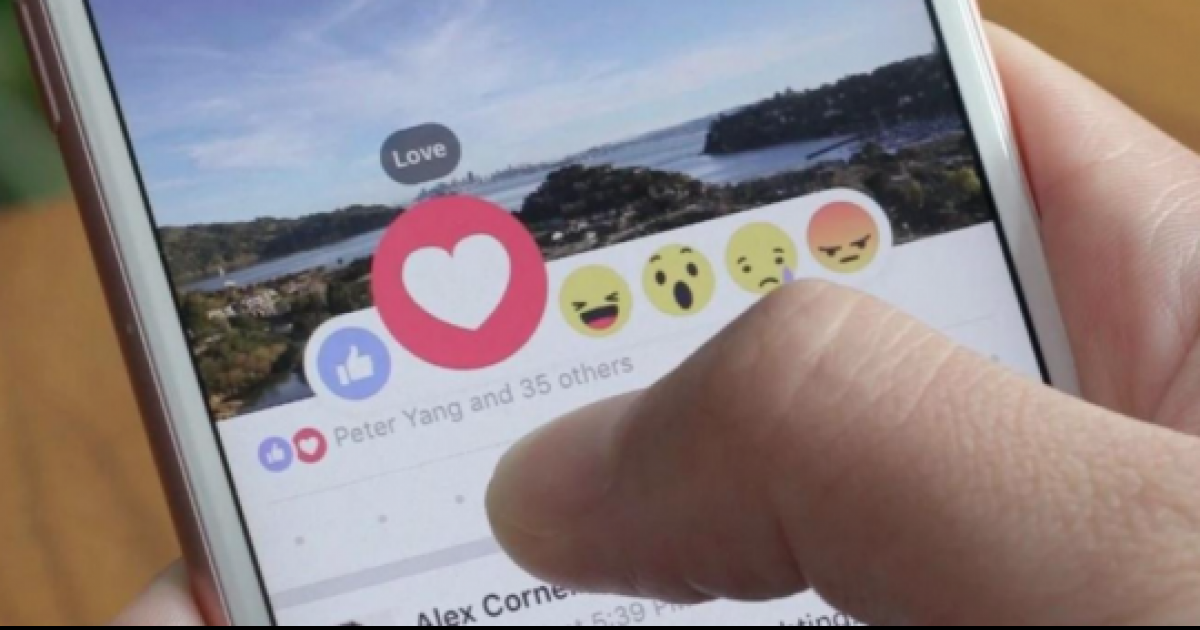
Police Warn Facebook Users Not To Use The New "Reaction" Icons
#1 When Facebook launched its new Reactions feature back in February, we were all overjoyed.
For years, users had called for a "Dislike" button, which would allow people to showcase their feelings for a post without seeming to endorse what had been said. For example, when somebody would post, "Grandpa died last night. May he rest in peace", it got mega awkward when Stephanie from eighth grade English "Liked" it.

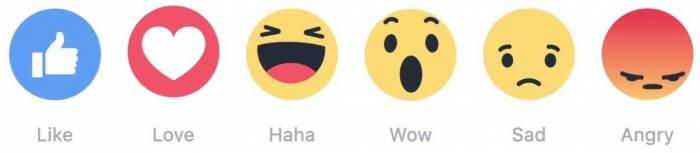
#2 The new reactions allowed users to express their Like, Love, Haha, Wow, Sad and Angry.
However, Belgian police have warned citizens to steer clear of the new Reactions. But why on earth would the Belgian police be telling us this? Well, it turns out that this is some fairly solid advice.
#3 The Belgian police force have stated that Facebook’s Reaction icons are being used to harvest our private information.
A post on their official website describes how "the icons help not only express your feelings", but how they "also help Facebook assess the effectiveness of the ads on your profile". They claimed that Facebook are able to use the tool to find out when their users are likely to be in a good mood, and that is when they will decide to show us the most ads on our newsfeeds.
The post continues:
"By limiting the number of icons to six, Facebook is counting on you to express your thoughts more easily so that the algorithms that run in the background are more effective. By mouse clicks you can let them know what makes you happy."
"So that will help Facebook find the perfect location, on your profile, allowing it to display content that will arouse your curiosity but also to choose the time you present it. If it appears that you are in a good mood, it can deduce that you are more receptive and able to sell spaces explaining advertisers that they will have more chance to see you react."
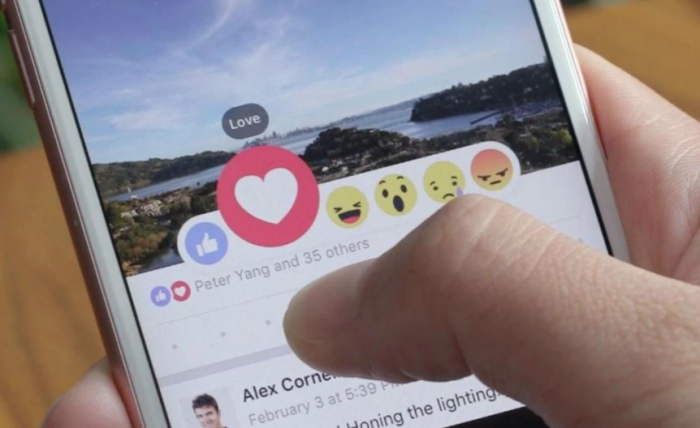
#4 People have pointed out that Facebook’s Reactions tool has been beneficial to potential advertisers since it was first launched.
In addition, soon after the feature was first launched, Facebook confirmed that reacting angrily to a post would be treated as any other kind of engagement with it. Since Facebook treats engaging with a post as an indication that users want to see more things like it, that means that reacting angrily could lead to seeing similar posts and could be sold to advertisers, too.
So, if you've been disliking all those posts about Donald Trump, that could be why you're seeing so much of him on your newsfeed. Either that, or you need to perform a Facebook friend cull.