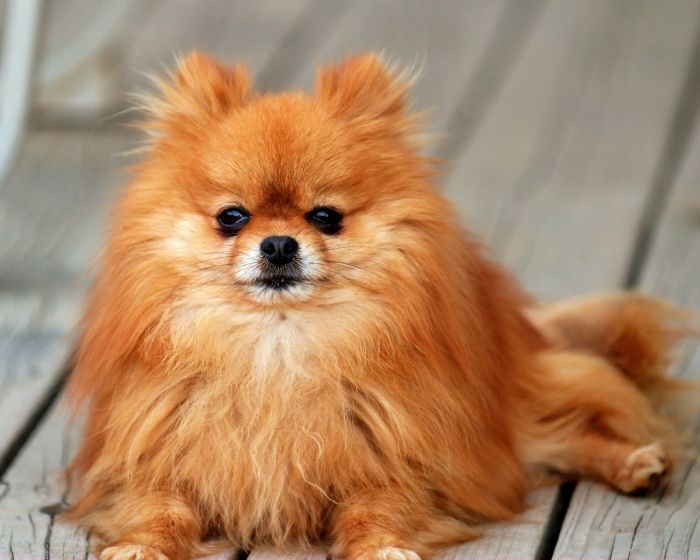
Descended from large sled dog breeds, the now-tiny Pomeranian has a long and interesting history. The foxy-faced dog, nicknamed "the little dog who thinks he can," is compact, active, and capable of competing in agility and obedience or simply being a family friend.
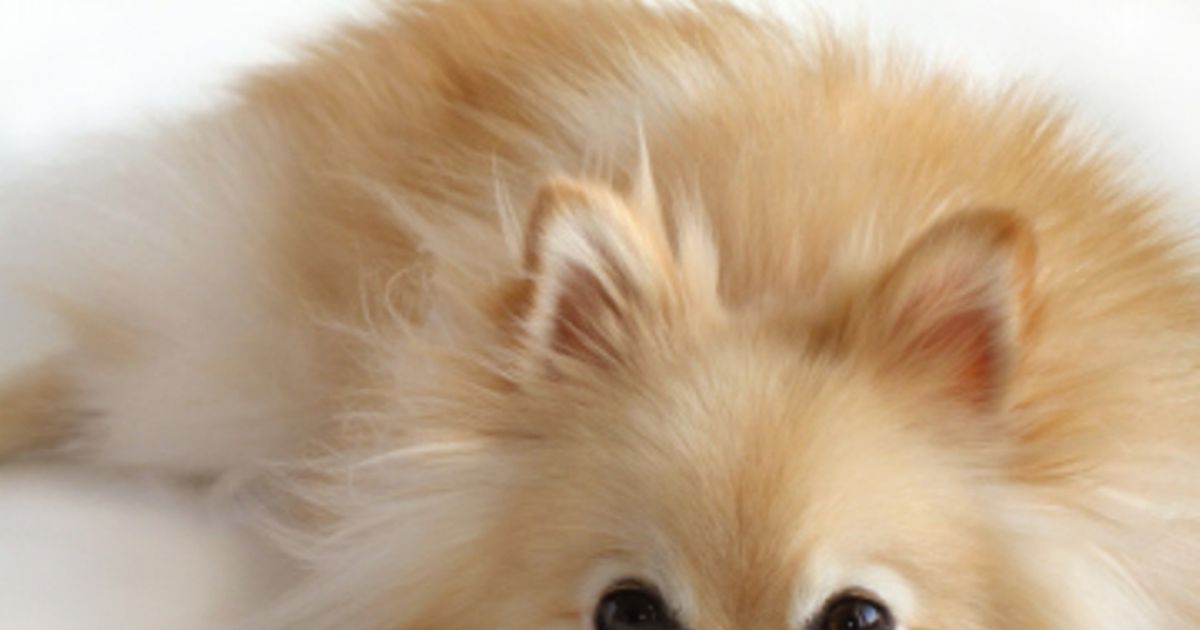
Pomeranians, Little Dogs With “Big Dog” Personalities
By
Editorial Staff in
Nature
On 7th January 2016
advertisement
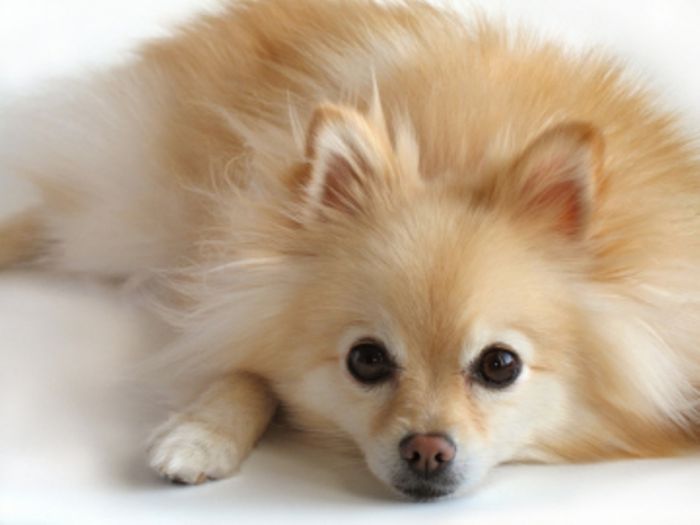
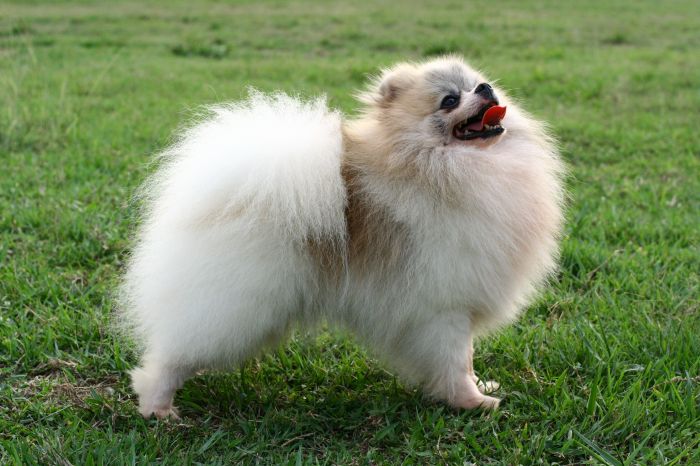
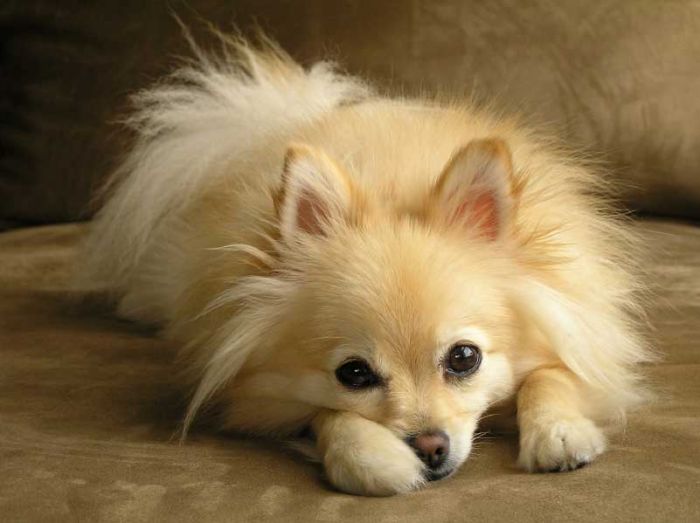
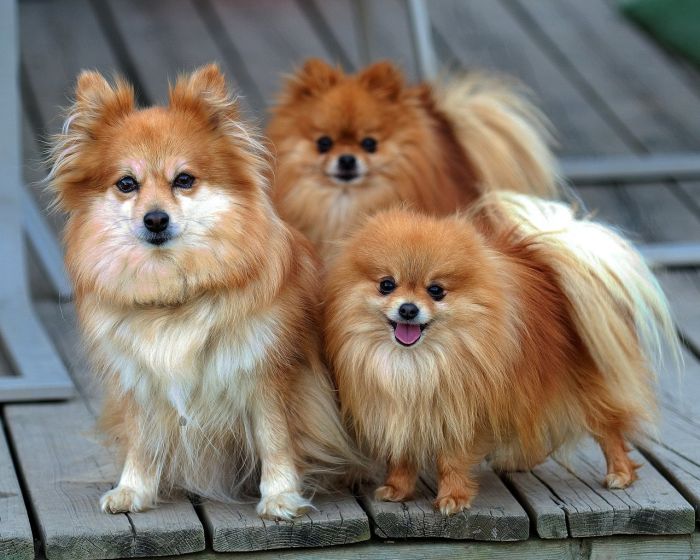
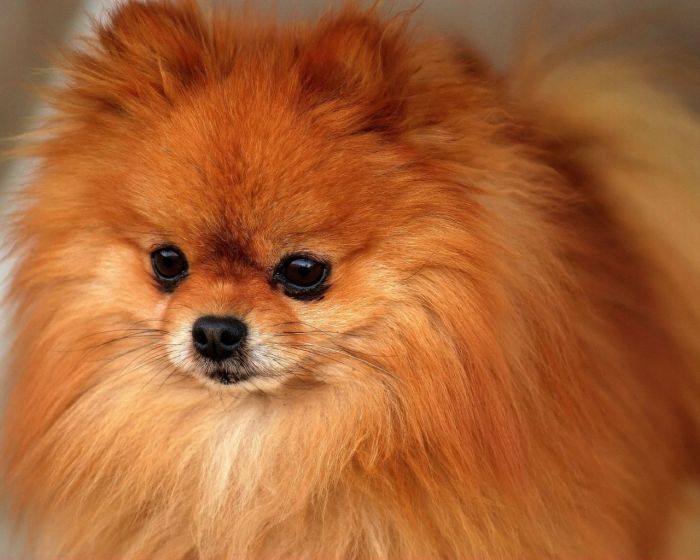
The Pomeranian is a small, toy-sized dog. The head is wedge-shaped and in proportion with the body. The short muzzle is straight and fine. The stop is well pronounced. The color of the nose varies with coat color. The teeth meet in a scissors bite. The almond-shaped eyes are dark and medium in size. The small, erect ears are set high. The feathered tail lies straight and flat over the back. Dewclaws are sometimes removed.
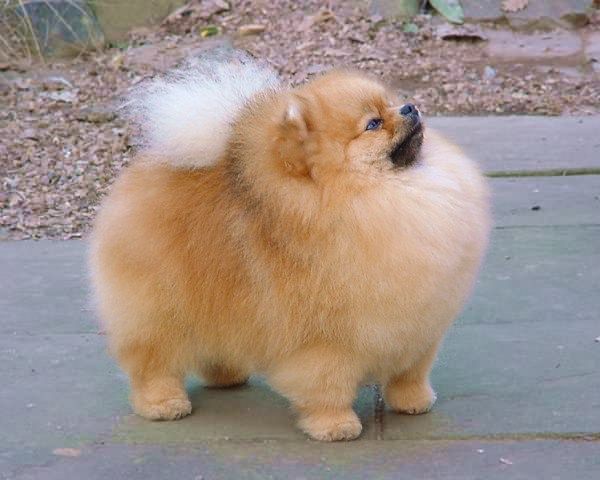
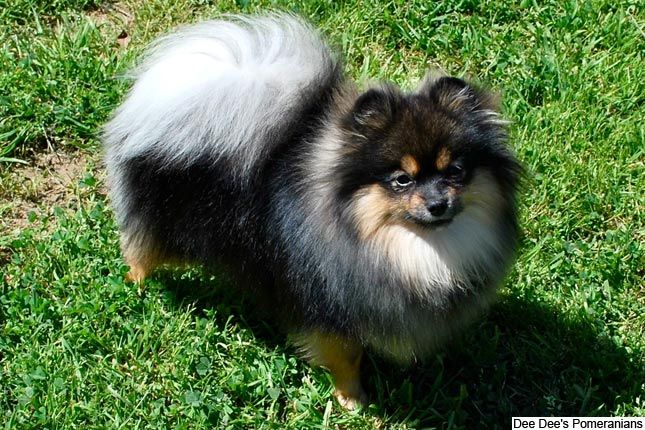
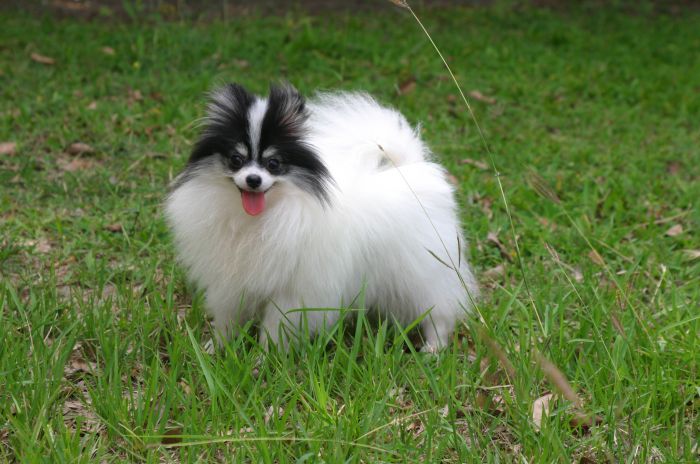
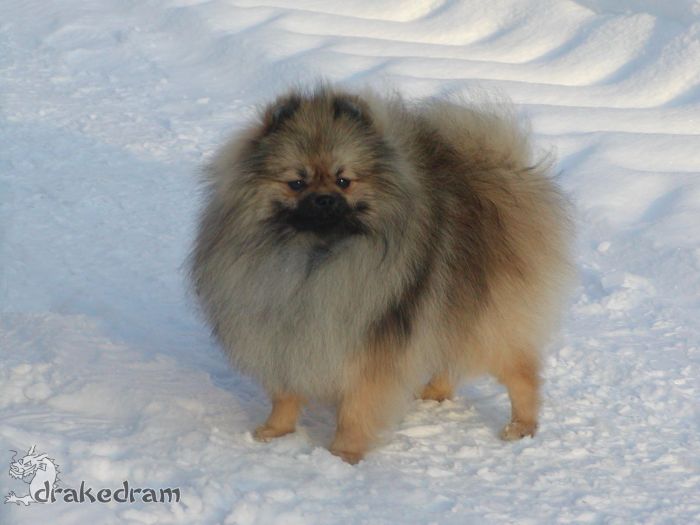
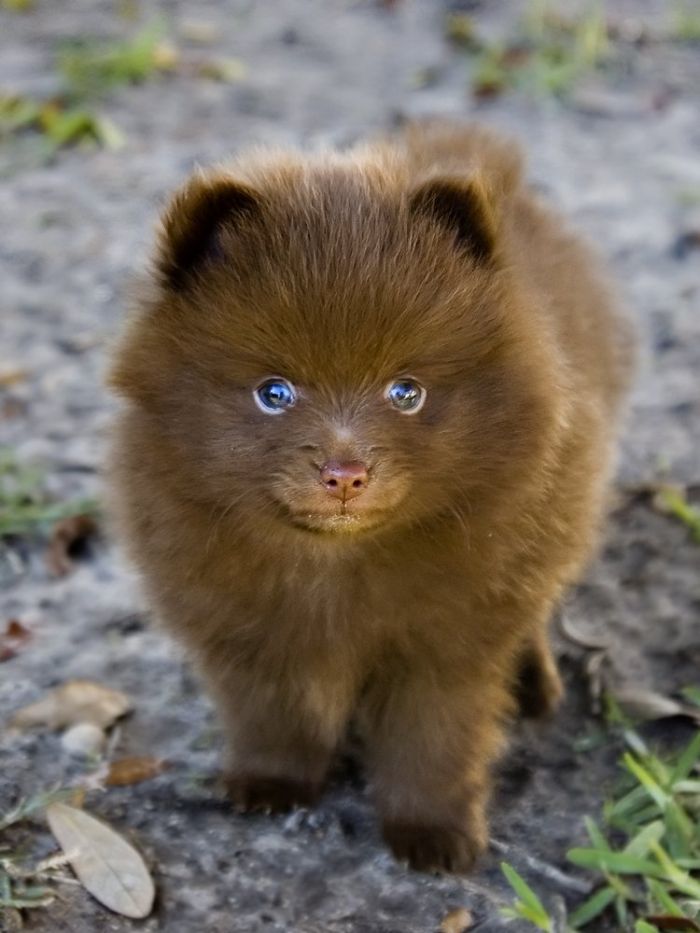
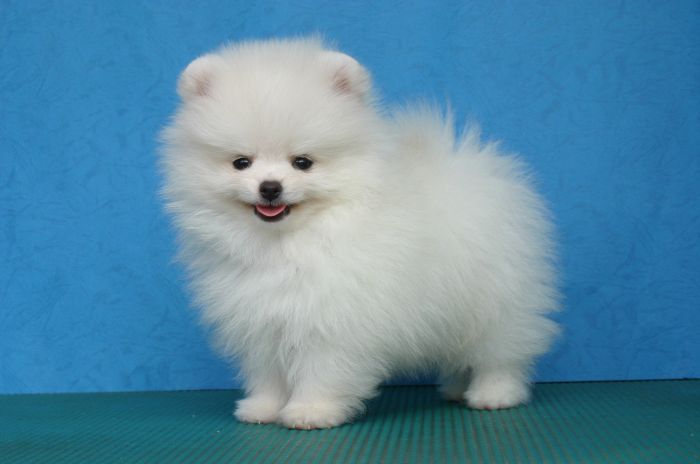
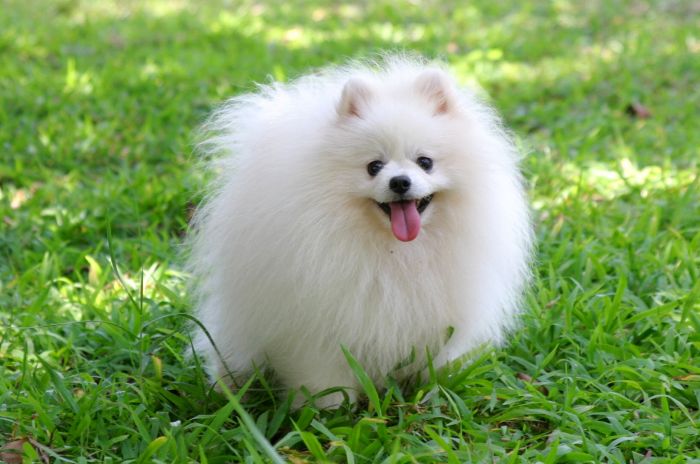
The Pom has a thick, double coat. The outer coat is long, straight and harsh in texture, while the undercoat is soft, thick and short. The coat is longer around the neck and chest area. Comes in a variety of coat colors and patterns including red, orange, white, cream, blue, brown, black, black and tan, wolf sable, orange sable, brindle and parti-color, which is white with colored markings.
advertisement
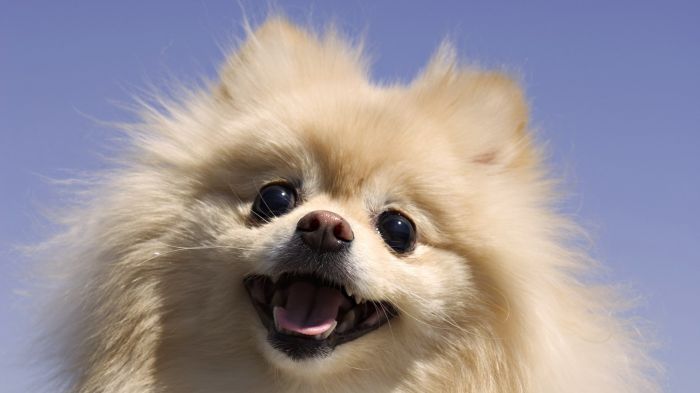
The Pomeranian is a proud, lively little dog. It is intelligent, eager to learn, very loyal to its handler and family. The Pom is a wonderful companion and show dog. The breed's docile temper and affectionate nature endear it to many. It is alert, inquisitive and active: one of the most independent of the toy breeds, it needs a firm, gentle hand. Its liveliness and spirit make it well-liked by persons who do not usually care for toy dogs.
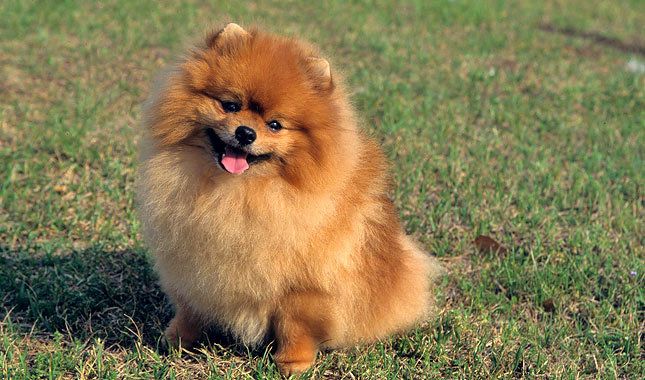
If they are properly introduced they usually get along with other dogs and household animals without any problems. Poms make good little watchdogs. Teach this dog early that it may bark a couple of times when the doorbell rings or when there are visitors, but then to keep quiet. Be very consistent about this. Poms have a delightful nature and do not cling to their handlers. This happy pup is good at learning tricks. Pomeranians need to see their owners as boss or they will become very demanding
advertisement
The AKC Standard says the Pomeranian is "buoyant in deportment... inquisitive by nature... cocky, commanding, and animated."
advertisement
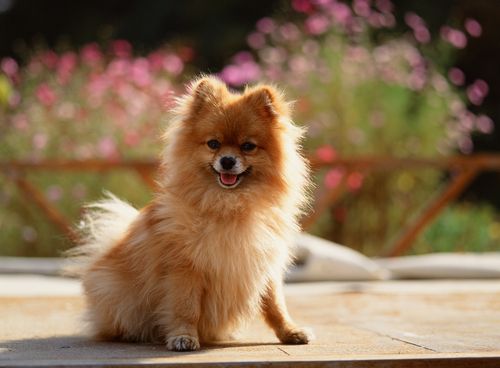
That he is. Vivacious and spirited, bold and brash, the typical Pomeranian thinks he's "hot stuff."
advertisement
He is a sharp-eyed busybody who must check out every sight, sound, and activity and preferably tell you what he thinks about it. He is delightfully alive and aware of everything going on around him.
advertisement
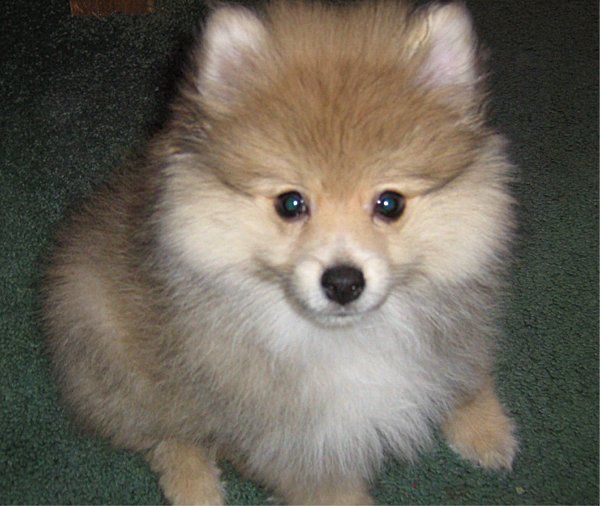
Pomeranians can sometimes be stubborn and willful, and they can easily dominate a weak-willed owner. A firm but friendly hand is needed day-to-day, especially when it comes to their barking. Pomeranians love to bark and bark and bark, sometimes for arbitrary reasons. If taught at an early age to limit the noise, they will.
advertisement
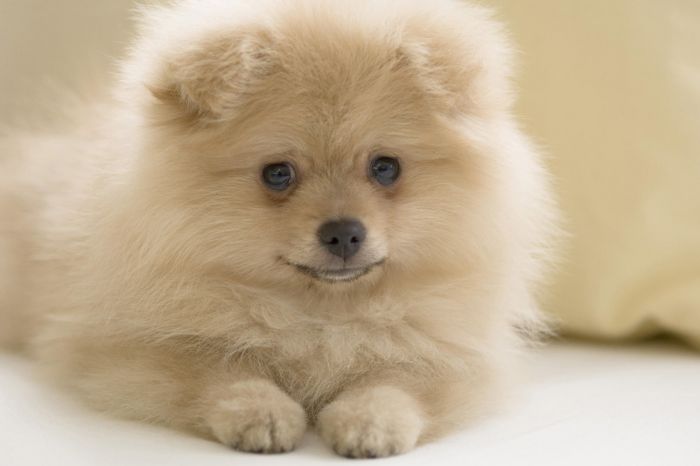
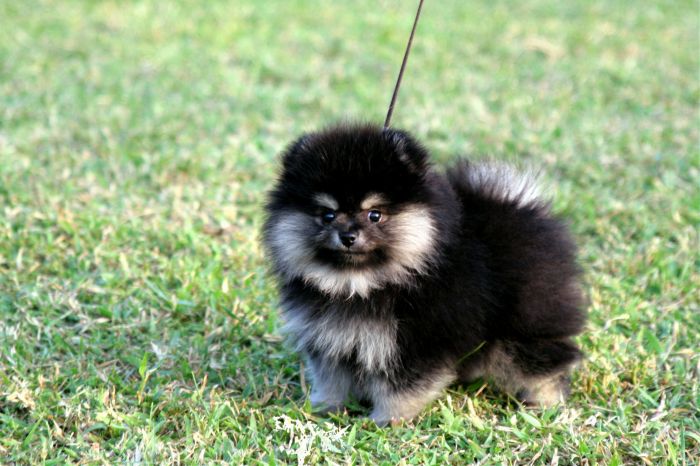
Always keep Poms on a leash. Like other proud and small breeds, they are blissfully unaware of their size. They have the tendency to “take on” larger dogs, so always keep them close and protect them from conflict.
advertisement
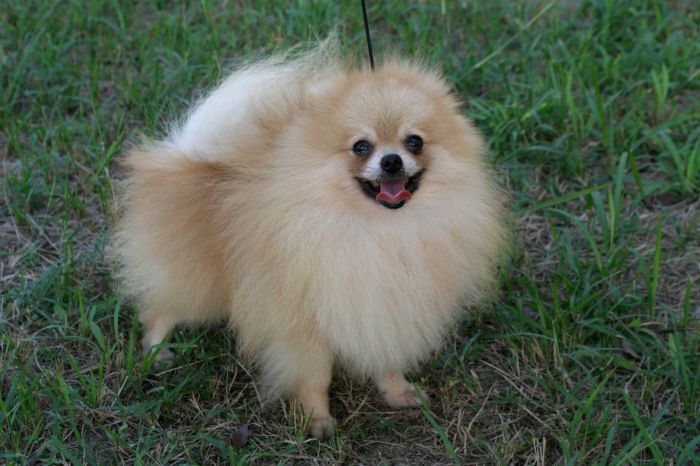
Pomeranians can shed quite a bit and need daily brushing to prevent tangling. Check their ears and ears regularly, and make sure they get scheduled visits to the dentist—Pomeranians’ teeth tend to gather tartar easily. They are very happy living in apartments as long as they get regular exercise and human interaction.
advertisement
A healthy Pomeranian can live as long as 15 years. Common health issues include eye problems, dislocated kneecaps, tooth loss and molting.
advertisement
Descended from the Spitz family—specifically the sled dogs of Lapland and Iceland—Pomeranians were originally big, sturdy herders of sheep. Over time, they were bred down to a smaller size, becoming cherished pets of Marie Antoinette, Mozart and (famously) Queen Victoria, whose preference for small Pomeranians created a worldwide demand. During the late 1800s they came to the U.S., and the American Pomeranian Club held its first show in 1911. Ever since, their good temper and small size have made them an enduring favorite in the U.S.
The Pomeranian is the smallest member of the Spitz family of dogs, which includes the Samoyed, Alaskan Malamute, and Norwegian Elkhound, among others.
advertisement
Poms take their name from the province of Pomerania, in Germany. They became especially popular when Queen Victoria allowed some of her Pomeranians to be shown in a conformation show, the first Pomeranians ever to be shown.
Pomeranians make excellent pets for older people and those who are busy, because they aren't an overly dependent breed. They are also good for apartment dwellers or homes that don't have a backyard. Because of their small size, they aren't recommended for families with small children who might injure them accidentally.
advertisement
In 1761, the appeal of Pomeranians moved to England when Sophie Charlotte, a 17-year-old Princess of Mecklenburg-Strelitz (a neighboring province of Pomerania) married the English prince who was to become King George III. She brought with her a pair of mostly white dogs named Phebe and Mercury that weighed more than 20 pounds, which was standard at that time. Although they were popular in royal circles, the new breed didn't catch on with the public.
All of that changed during the reign of Queen Charlotte's granddaughter, Queen Victoria. During her 64 years as the Queen of England, Queen Victoria bred more than 15 different breeds of dogs. In her later years, she was especially fond of Pomeranians, which she first saw in 1888 during a trip to Italy. She fell in love with a sable and red Pom named Marco who weighed only 12 pounds. Today, many believe that he was the inspiration to breed smaller Pomeranians.
advertisement
The popularity of the Pom spread across the Atlantic. In 1888, a Pomeranian named Dick was the first Pom entered into the American Kennel Club (AKC) stud book. In 1892, the first Pom was entered in a dog show in New York. After the AKC recognized the breed in 1900, Pomeranians quickly grew in popularity in the United States. In 1909, the American Pomeranian Club was accepted as a member club of the AKC and designated as the Parent Club for the breed. By mid-century, Poms were one of the most popular dog breeds in America. Today they rank 14th among the 155 breeds and varieties registered by the AKC.
Unstable temperaments. Pomeranians are a dime a dozen, and most of them are bred and offered for sale by people who don't have the slightest idea of how to breed good-tempered dogs. Obedience instructors and behavioral consultants see LOTS of Pomeranians with neurotic behaviors, including biting, sharpness, extreme fearfulness, moodiness, and general nastiness.
advertisement
Fragility. Too many people acquire a toy breed puppy without understanding how incredibly fragile a toy breed is. You can seriously injure or kill a Pomeranian puppy by stepping on him or by sitting on him when he's curled under a blanket or pillow, where he frequently likes to sleep. And Pomeranians can seriously injure or kill THEMSELVES by leaping from your arms or off the back of your sofa. A larger dog can grab a Pomeranian and break his neck with one quick shake. Owning a toy breed means constant supervision and surveillance of what's going on around your tiny dog. Pomeranians must always be kept indoors, in a safely fenced yard, or on-leash -- they are just too easy to injure when not under your complete control.