

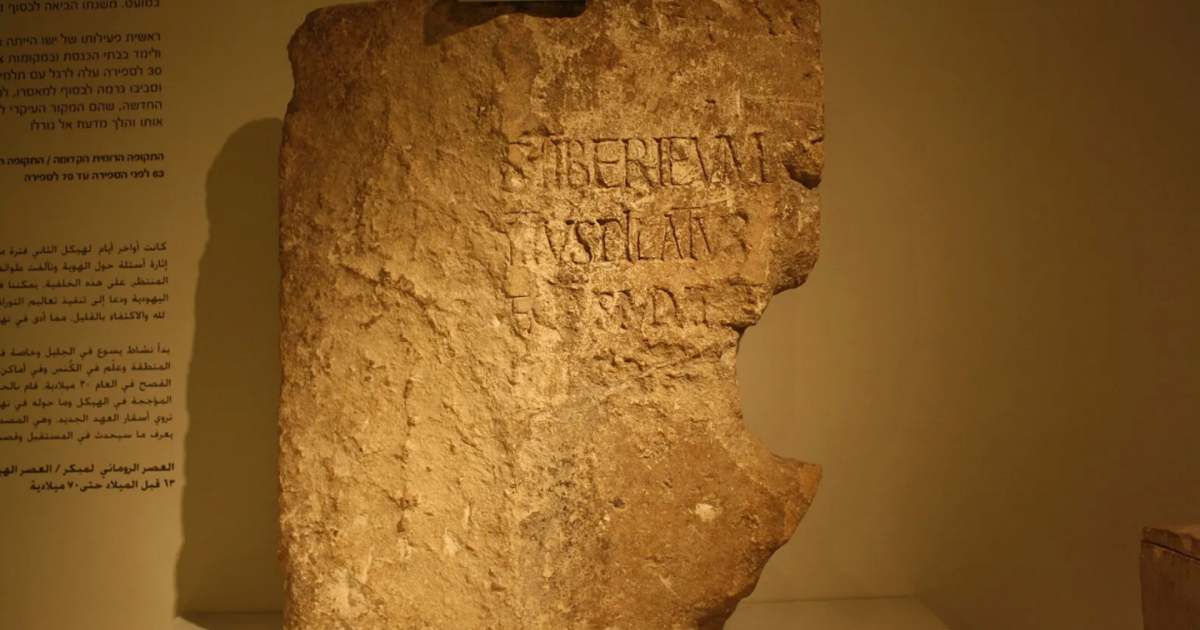
A discovery made in 1961 confirmed Pontius Pilate, the man known in the Bible for sentencing Jesus to death, was a real historical figure
advertisement
The unearthing of a carved stone back in 1961 turned out to be one of the most important pieces of evidence proving that the man named in the Bible as sentencing Jesus Christ to death truly existed.
Pontius Pilate had long been mentioned not only in the Bible but also in other ancient writings, yet for centuries historians lacked solid archaeological proof that confirmed both his name and his position.
While the Romans were known for keeping detailed records of their leaders and governors, the documentation around Pilate was surprisingly thin, with only scattered mentions from historians. For almost two thousand years, his existence remained something of a mystery without physical proof.
That changed when archaeologists excavating the remains of an ancient theater stumbled upon a stone fragment.
The slab carried a partially preserved inscription, which immediately caught the attention of experts working at the site.
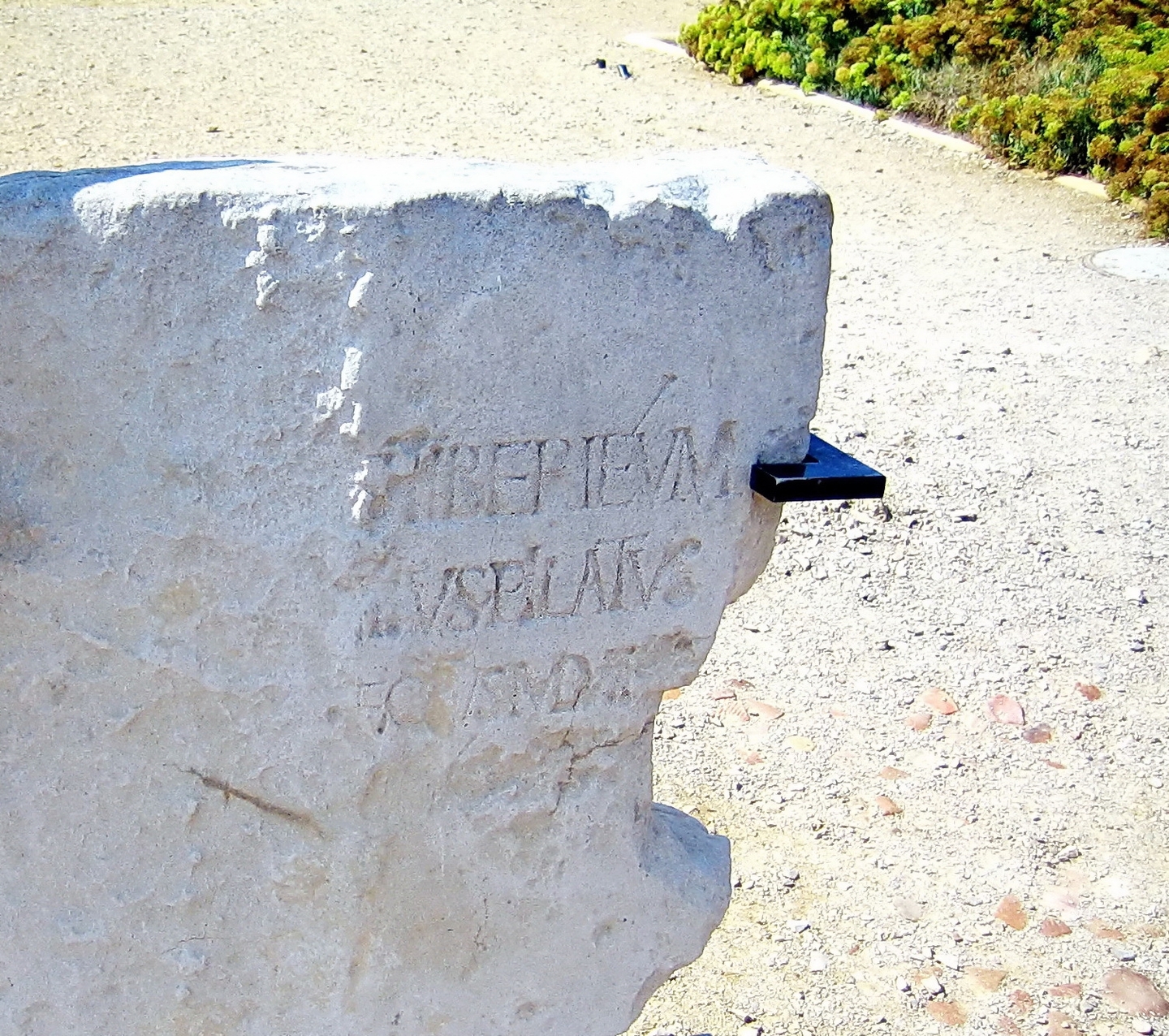
His name was quite literally carved in stone
flik47/Getty Images
advertisement
The inscription read: "S TIBERIÉUM, US PILATUS, ECTUS IUDA E, E."
Although only part of the original text survived nearly two millennia, specialists were able to reconstruct what the full dedication would have looked like.
The complete version would have read: "DIS AUGUSTIS TIBERIÉUM, PONTIUS PILATUS, PRAEFECTUS IUDAEAE, FECIT DEDICAVIT,", which translates to "To the Divine Augusti Tiberieum, Pontius Pilate, Prefect of Judea, dedicates this".
Essentially, this was a dedication plaque, much like the ones often placed outside important public buildings. In this case, Pontius Pilate, the Prefect of Judea, had ordered the structure to be dedicated to Emperor Tiberius and his family.
The discovery, now famously known as the 'Pilate Stone,' provides undeniable proof that Pilate was a real figure and that he ruled over Judea. This firmly places him in the exact historical position described in the Bible, as the man who sentenced Jesus to death.
Pilate is also remembered for the symbolic act of washing his hands after delivering the sentence, a gesture that has lived on as a way of showing someone wants no further involvement in a matter.
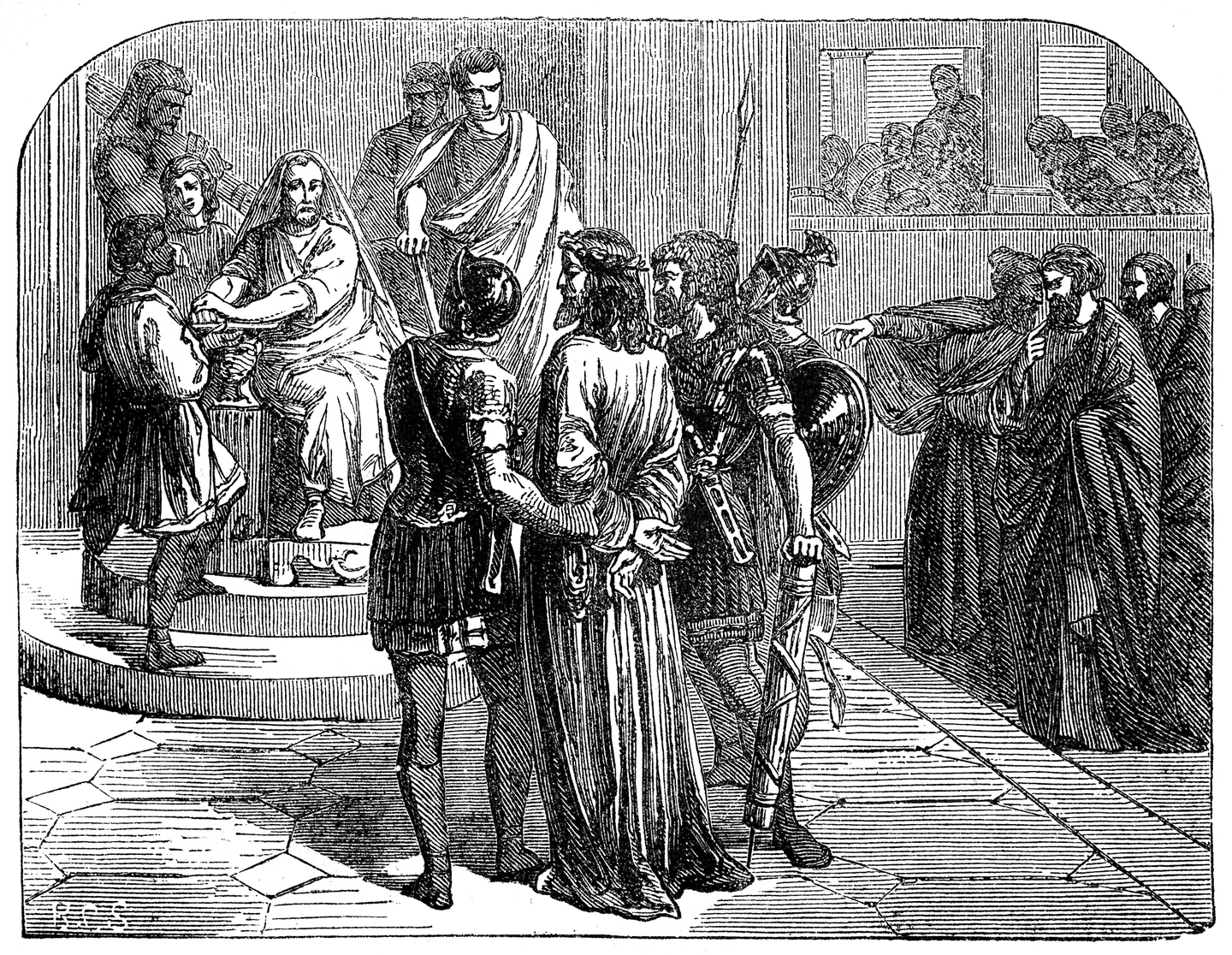
"Wouldn't it be strange if my entire life was remembered for this moment? Anyway, guilty."
1863 Ilustración Artística/Getty
advertisement
Having his name literally carved into stone offers strong verification of other written accounts about him. It strengthens the historical case for details recorded in both biblical and non-biblical texts.
Following the events involving Jesus, records state that Pilate was later removed from his position after ordering the killing of a group of Samaritans who were searching for sacred relics of Moses. Their complaints reached higher Roman authorities, who dismissed him from his post and sent him back to Rome to face judgment by Emperor Tiberius. However, the Emperor died of old age before a trial could take place.
advertisement
It remains uncertain whether Pilate faced punishment under Tiberius' successor, Caligula, though sources agree that he was never reinstated to his former office. One account even claims that he took his own life after losing his position.
After that, he vanishes from most historical records of the period, leaving behind only scattered references and the archaeological discoveries like the Pilate Stone that keep his story alive.