

If you've ever stared at the bowl in alarm after flushing, you’re definitely not alone
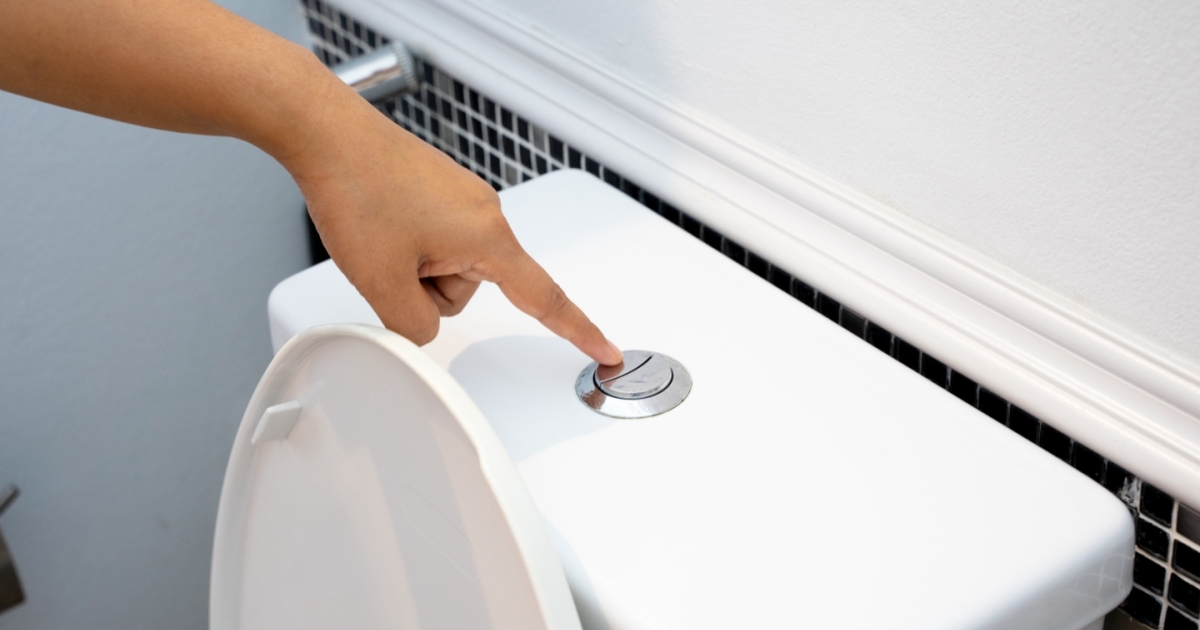
Expert Breaks Down Why Your Poop Might Stick To The Toilet Bowl And When It Could Signal A Bigger Issue
By
maks in
Health and Fitness
On 28th November 2025
advertisement
Many people have had this moment, even if they would rather pretend it never happened. You finish up in the bathroom, hit the flush, and then notice a stubborn streak of brown still clinging to the side of the bowl. It is not exactly something you want to discuss out loud, but the experience is more common than most would admit.
You might try flushing again and again, hoping the water will somehow wash it away. Instead, the mark stays put, leaving you feeling desperate enough to reach for the toilet brush and whatever cleaning spray you can find. It becomes a small but memorable reminder that your body sometimes keeps you humbled.
It is not a pleasant task to deal with, even though most people only face it once in a while. Still, when it does happen, it is natural to wonder what might be going on with your body to cause it.
However, an expert has explained that if you often notice a muddy streak left behind in the bowl after using the bathroom, it may be a sign that something is off with your digestion. She noted that these repeated marks can point to changes happening inside your gut.
According to certified nurse practitioner Bryn DeSantis, who works with patients dealing with digestive issues, there are several possible reasons for this. She added that understanding the cause can make it easier to decide what steps to take next.

No-one likes being in this position
Olga Rolenko/Getty
advertisement
Fat in your diet
Everything you eat eventually works its way through your body, so it makes sense that your diet can influence what ends up in the toilet. The foods you choose each day play a direct role in how your stool looks, smells, and behaves once it hits the water.
If your meals are heavy in fat, your body may not absorb all of it. Some of that fat can end up passing through your system and into your stool, which can create smearing or streaking in the toilet bowl. This can be surprising if you have never noticed it before.
DeSantis says: "Fatty stools tend to be pale, loose and buoyant — they often float."
So if this keeps happening, you may want to take a closer look at your diet. Foods like fried chicken, fast-food fries, or anything cooked in a lot of oil might be worth cutting back on for a while. Making small changes can help your body process fat more easily.
advertisement
Mucus
Most people do not like thinking about mucus showing up in their stool, but it can be a useful clue. When your stool looks sticky or coated, it may be your body’s way of signaling that something is happening inside your digestive tract.
"Sticky stool with visible mucus is very common in people with irritable bowel syndrome or IBS," DeSantis advises.
This type of change can also point toward issues like lactose intolerance, hemorrhoids, or even cystic fibrosis. If you notice mucus repeatedly, or you start feeling unwell, it is always best to talk with a healthcare professional who can help figure out what is going on.
If it's happening too often that might be a cause of concern
Antonio Hugo Photo/Getty
advertisement
Ulcer
Unfortunately, a sticky stool can sometimes indicate something more serious. When you notice that your stool looks black, thick, or tar-like, that may point to bleeding somewhere in your digestive system. This type of stool has a very distinct appearance that should not be ignored.
DeSantis said: "Bleeding in the upper GI tract can lead to stools with a tar-like color and consistency, as well as a stronger odor."
This type of bleeding can come from several causes, but one possible explanation is a stomach ulcer. Because ulcers can lead to complications, seeing this type of stool is a good reason to schedule a visit with your doctor as soon as possible.
advertisement
Pancreas
This issue can also connect back to the problem of fatty stool. When your stool looks greasy or pale and seems difficult to flush, your pancreas might be involved.
Your pancreas creates enzymes that help your body break down fats in your meals. So if you notice these changes but you are not eating a particularly fatty diet, it may be a sign your pancreas is not producing enough enzymes.
"People with pancreatic insufficiency don't make enough digestive enzymes to break down fats and other essential nutrients from foods," said DeSantis. "The stool is often yellow and may cling to the toilet bowl, leaving a yellow stain."
Who knows what horrors lurk in the bowl
Ekaterina Demidova/Getty
advertisement
When to be worried and what happens next
To start, if you only find yourself scrubbing the bowl once in a while after using the bathroom, DeSantis says this is usually nothing to stress over. Occasional streaking can happen to anyone and often has a simple explanation.
But if you notice it happening again and again, that pattern may be worth paying attention to. Frequent changes in stool can sometimes reveal what is happening inside your digestive system.
When you visit a doctor, they may run a range of tests to understand the cause. These tests help identify whether there is an underlying condition and what treatment, if any, might be needed.
advertisement
Stool tests are the most common first step, and your doctor may also order bloodwork or imaging scans. These tests help build a clearer picture of what your body is doing and how well your digestive tract is working.
If there is concern about something more serious, including the possibility of cancer, your doctor may recommend a colonoscopy. That involves inserting a small camera to examine your colon more closely.
Finally, they might take a biopsy, which is a small tissue sample, so specialists can analyze it and check for any further issues.