

Researchers identified a specific type of food that could be harmful
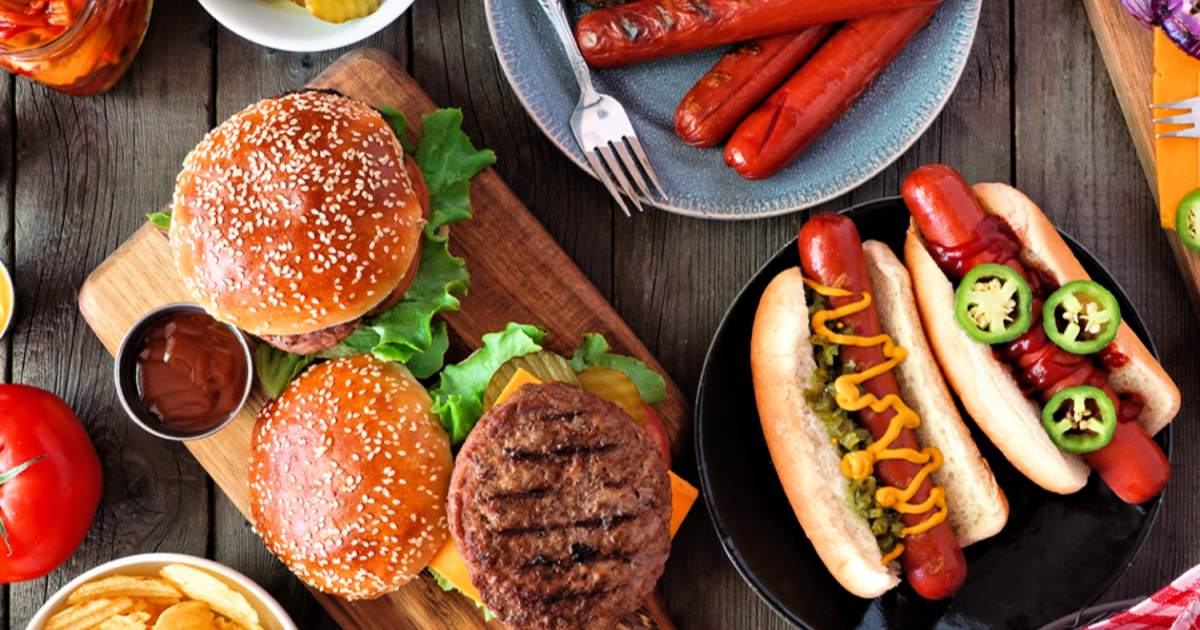
Shocking Study Reveals Eating This Popular Food Daily Raises Type 2 Diabetes Risk By 11%
By
Khadija Pervez in
Health and Fitness
On 9th July 2025
advertisement
A new study has delivered some pretty unsettling news about one food group we all probably eat more than we should. The research shows that eating certain processed foods on a regular basis could increase the risk of developing Type 2 diabetes quite a bit.
In the United States, about one in every ten people lives with diabetes. Type 2 diabetes happens to be the most widespread type.
When left untreated, this condition can lead to serious, long-term health issues. These include problems like heart disease, kidney failure, nerve damage, strokes, and even vision loss or amputations in severe cases.
So, it’s definitely in our best interest to do what we can to lower the risk. While genetics can play a role, things like our eating habits, body weight, and how active we are have a major impact too.
Now, a new study published last month took a closer look at some common foods and drinks that are staples in many American diets and what they found might make you think twice at your next grocery trip.
Researchers at the University of Washington dug through more than 60 previous studies focusing on processed meats, sugary beverages, and trans fats. Their analysis pointed out that regularly consuming even small amounts of these could increase the risk of several serious health conditions, including type 2 diabetes, heart disease, and colorectal cancer.

The study highlighted diet can play a factor in diabetes risk
Getty Images
advertisement
What really stood out was the finding that eating something as simple as one hot dog a day or any similar processed meat can bump up your risk of developing type 2 diabetes by a striking 11 percent. It also raises the risk of colorectal cancer by seven percent.
And it doesn’t stop there. The study also found that eating 50 grams of processed meat daily (which is about the size of a typical hot dog) was tied to a 30 percent increase in the likelihood of type 2 diabetes, and a 26 percent higher chance of colorectal cancer.
"The monotonic increases in health risk with increased consumption of processed meat suggest that there is not a 'safe' amount of processed meat consumption with respect to diabetes or colorectal cancer risk." the study authors, including lead researcher Dr. Demewoz Haile, stated in their findings.
But hot dogs aren't the only culprits here. If you're someone who regularly sips on sugary drinks like soda, the study’s results won’t sound much better for you either.

Hot dogs and other processed meat crank up the risk of Type-2 diabetes
Getty Images
advertisement
The study also found that drinking just one 12-ounce sugar-sweetened beverage every day could raise your risk of developing Type 2 diabetes by eight percent. It also slightly increases the chance of ischemic heart disease by two percent.
Similar to processed meat, the researchers noted that the more often people drank these sugary beverages, the higher their disease risk became. They called for greater public health efforts to help reduce or completely avoid these drinks in daily diets.
Another related study from the University of Michigan revealed something equally shocking. It estimated that a single can of soda might reduce your life expectancy by 12 minutes, while a beef hot dog could take off as much as 36 minutes.
advertisement
"This current research has shown, yet again and consistent with prior research, that to achieve health gains it is best to avoid or minimize the habitual consumption of each of processed meat, sugar-sweetened beverages (SSBs) and industrially produced trans fatty acids (TFAs)." Dr. Nita Forouhi from the University of Cambridge said, according to Earth.com.
Doctors and health experts agree that cutting down on sugary and processed foods is a smart move to protect your health. But they also say that going to extremes isn’t necessary.

Sugary drinks also don't help matters
Getty Images
advertisement
Dr. Gunter Kuhnle from the University of Reading added his thoughts, saying: "The goal shouldn't be perfection but rather a healthy and sensible dietary pattern that allows room for enjoyment."
"My general advice: don't panic." he added. "Food is not just a source of nutrients – it plays a central role in culture, pleasure, family life, and social connection."
"Reducing it solely to a list of health risks misses the bigger picture."