

For many of us, our smartphones are indispensable, but what if these very devices became tools for criminals? Kieran Burge, a security consultant at Prism Infosec, reveal common mistakes that could allow him to gain unauthorized access to your smartphone within seconds.
Professional Hacker Reveals Reasons Why Your Phone Might Not Be As Secure As You Believe
By
Khadija Pervez in
Science and Technology
On 7th December 2023
advertisement
Getty Stock Image
In today's world, it seems like almost everyone owns a smartphone, and many of us would likely acknowledge that we tend to use them excessively.
The functionality of these devices has expanded far beyond their original purpose of making calls and sending texts.
Nowadays, our cell phones serve a multitude of purposes beyond basic communication.
They allow us to browse the internet and even tackle the often-dreaded task of Christmas shopping, all within what we perceive to be the safety of this advanced piece of technology.
advertisement

LinkedIn
While mobile devices are commonly viewed as secure, a professional hacker warns that they may not be as safe as we think.
Keiran Burge, a security consultant at Prism Infosec, shared insights with the Daily Mail, revealing common mistakes that could expose our devices to hackers in just seconds.
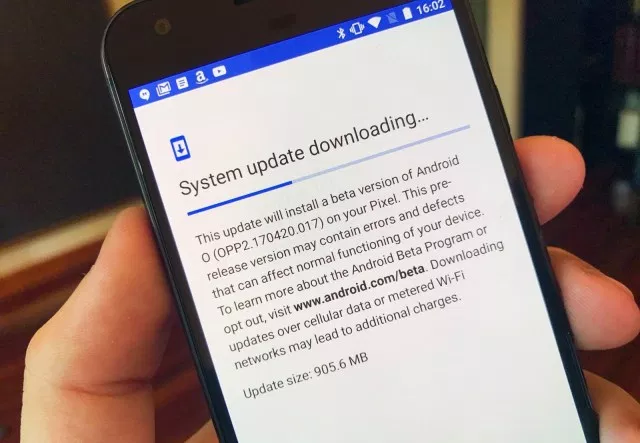
Burge, who tests companies' cybersecurity to uncover vulnerabilities before criminals do, emphasizes the importance of keeping your device's software up-to-date.
This is one of the initial things hackers target when planning an attack, according to Burge.
advertisement
Seeromega
"Out-of-date software is a really big issue because, if the software has been updated, it's probably because there is a security issue," he told the Mail Online.
If you haven't updated your software, Burge says "people can get in and steal really sensitive information and even sometimes take control of the software."
advertisement
Another critical practice to avoid is reusing passwords, as this habit is a common avenue for hackers to gain access to valuable information.
Using the same password across multiple accounts increases the risk of a security breach and compromises your sensitive data.
advertisement
Scyther5 | Getty Images
"No matter what site you're giving information to you, you don't know what they're going to do with that information or how they're going to protect it," Burge explained.
Furthermore, if a single website is compromised and you use the same password across multiple accounts, hackers can exploit this vulnerability.
advertisement
This means that once they gain access to one account, they could potentially unlock other accounts, putting your various online profiles at risk.
Burge said: "As soon as a company is breached there's usually a big database dump that gets put on the darkweb."
advertisement

Getty Images
Another crucial aspect highlighted by Burge is the importance of being mindful about the amount of information you share online.
Oversharing personal details on the internet can inadvertently provide hackers with more information than they need, potentially increasing the risk of targeted attacks or identity theft.
advertisement
"On a personal level, for someone in their day-to-day activities one of the most important things that people need to think about is how much information they're sharing online," the hacker noted.
So, there you have it - some of the best ways to ensure the safety of your mobile device.