Through history, as natural selection played its part in the development of modern man, many of the useful functions and parts of the human body become unnecessary. What is most fascinating is that many of these parts of the body still remain in some form so we can see the progress of evolution. This list covers the ten most significant evolutionary changes that have taken place – leaving signs behind them.
advertisement
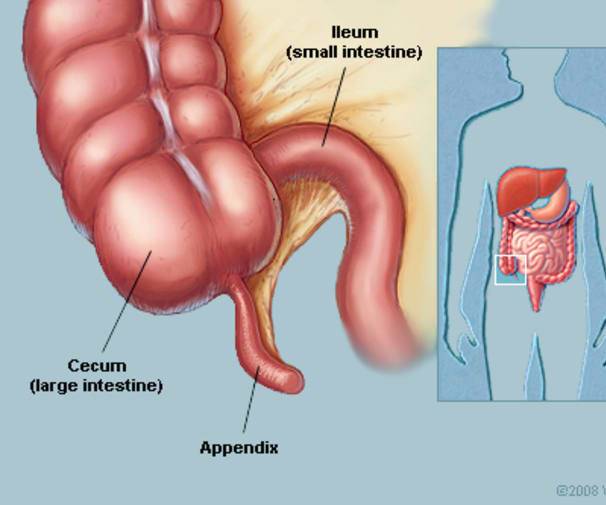
The appendix is a clear sign of natural selection.
The appendix once served as a way to process cellulose when humans ate a mainly plant-based diet. As our diet changed to incorporate more animal-based food, this organ became useless.
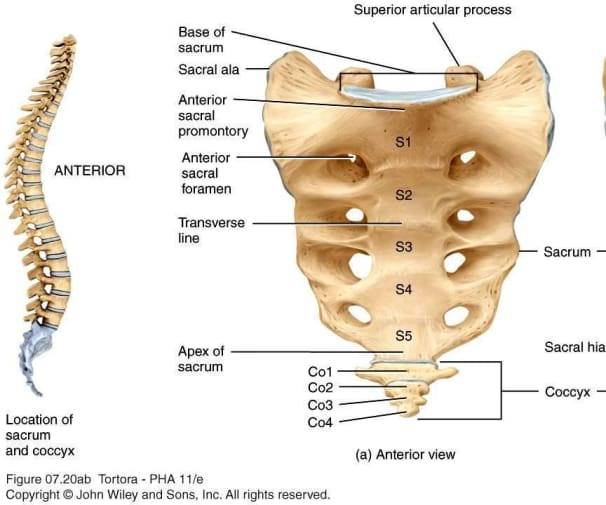
Our coccyx is a sign of evolution.
Humans once had a tail. The coccyx is evidence of this. The coccyx still serves a purpose as support for a person as they sit or lean, but the human tail has disappeared.
advertisement
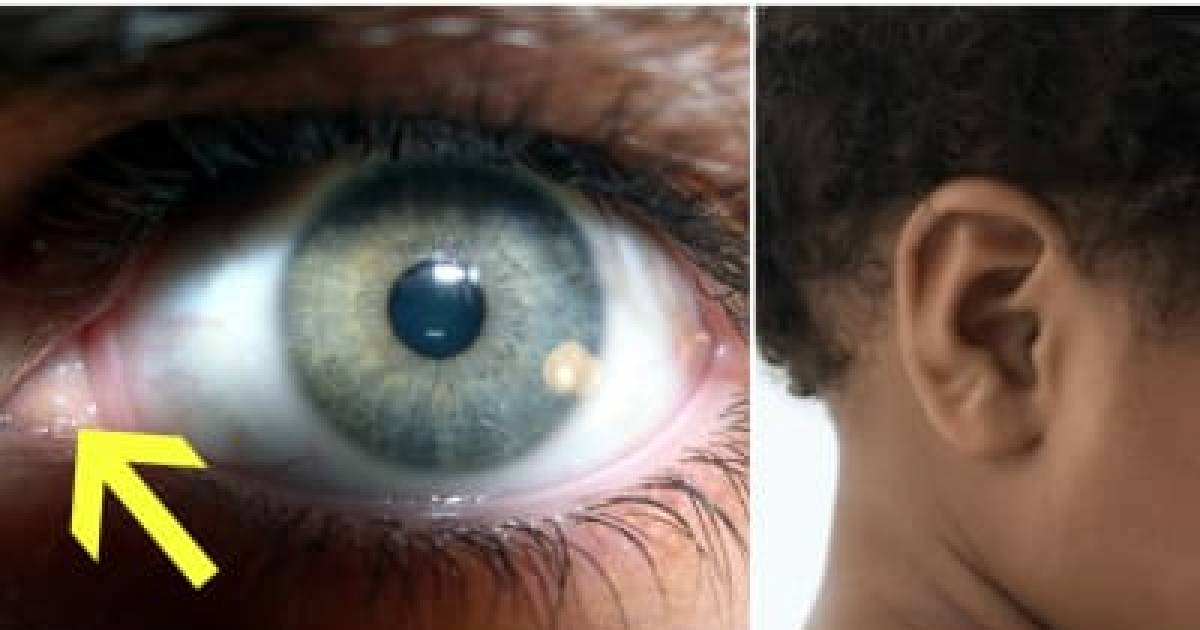
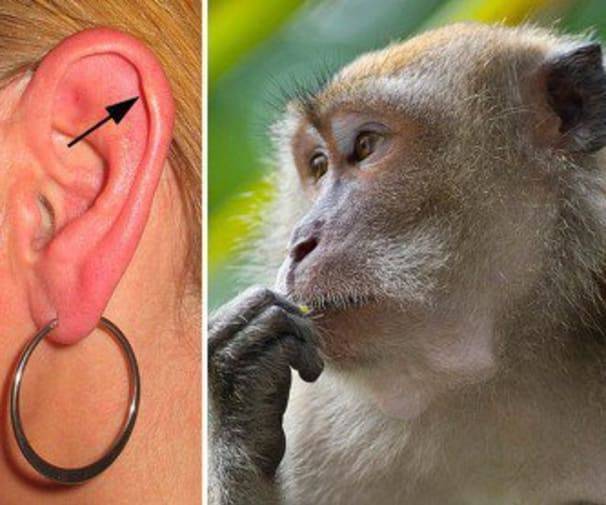
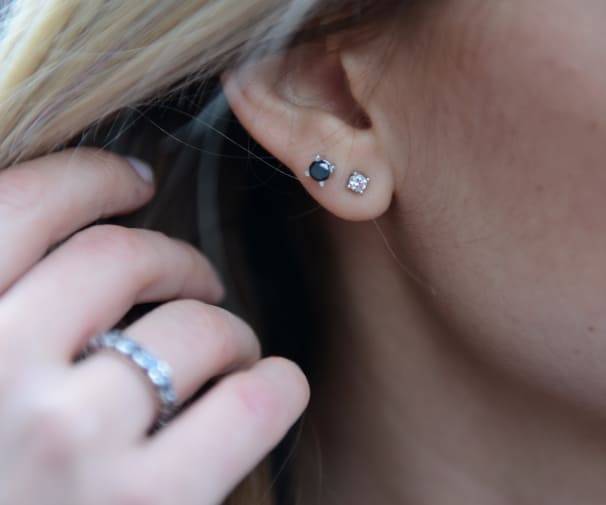
Darwin's point is a spot on the ear that proves evolution.
This point helps focus sound in mammals. Humans, however, don't need this point anymore. Approximately 10 percent of people still have this spot on the ear.
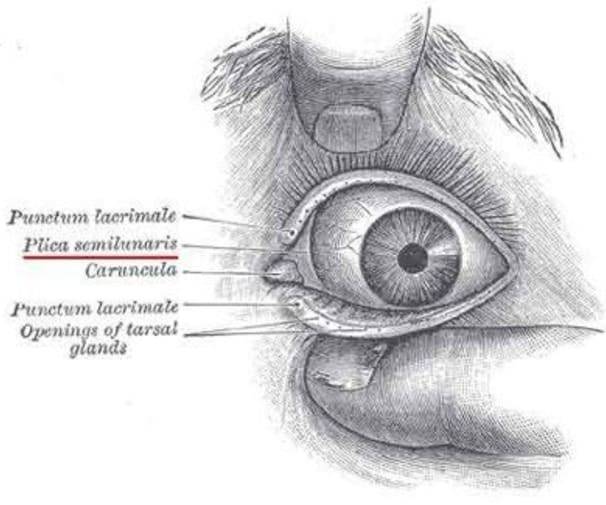
The Third Eyelid on humans is another piece of evidence for evolution.
Like cats, humans actually had a functioning third eyelid. It's still there, but it's very small and no longer serves a purpose.
advertisement
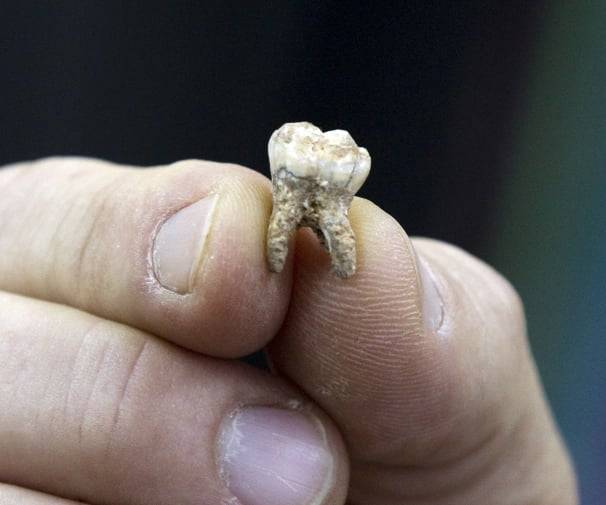
Wisdom teeth used to be vital for ancient humans.
These teeth are remnants of our old diet. Humans needed an extra set of molars in order to consume all the plant-based foods we needed to consume in a given day. As our diets changed, the need for these teeth disappeared, but the teeth remained.
advertisement
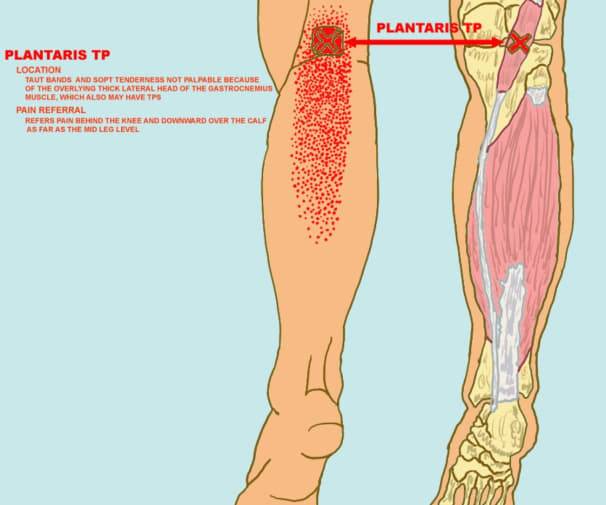
The Plantaris Muscle is another sign of human evolution.
This muscle in the knee was once used to grip with our feet. As humans evolved, this muscle became unnecessary. It is still in our bodies, but is so underdeveloped as to be practically worthless. As a further sign of natural selection, nine percent of people are born without this muscle and that number grows with every generation.
advertisement
Humans also have an extra ear muscle that we no longer use.
These are called extrinsic ear muscles. They are used by animals to move their ears to independently of the head in order to focus on particular sounds. We still have the muscle, but it's very weak. If you can wiggle your ears, these are the muscles that you use.
advertisement
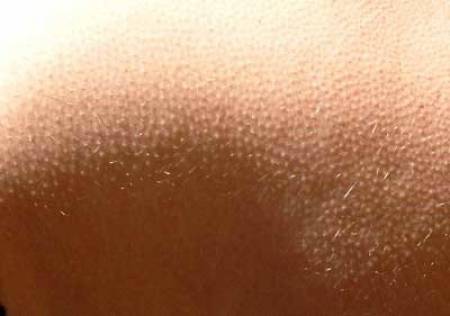
Goose Bumps are another clear sign of evolution.
Humans get goose bumps when they are cold, frightened, angry, or in awe. Many other creatures get goose bumps for the same reason, for example, this is why a cat or dog's hair stands on end and the cause behind a porcupine's quills raising. In cold situations, the rising hair traps air between the hairs and skin, creating insulation and warmth. In response to fear, goose bumps make an animal appear larger hopefully scaring away the enemy. Humans no longer benefit from goose bumps and they are simply left over from our past when we were not clothed and needed to scare our own natural enemies. Natural selection removed the thick hair but left behind the mechanism for controlling it.
advertisement
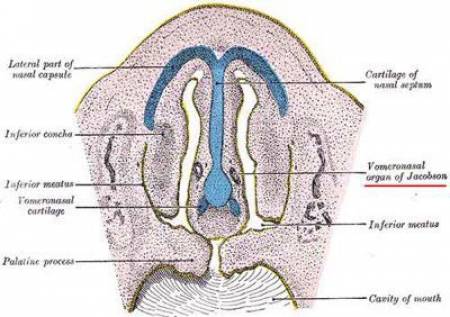
Humans have an organ that was once used to sniff of mates called Jacobson’s Organ.
Jacobson's organ is a fascinating part of animal anatomy and it tells us a lot about our own sexual history. The organ is in the nose and it is a special "smell" organ which detects pheromones (the chemical that triggers sexual desire, alarm, or information about food trails). It is this organ that allows some animals to track others for sex and to know of potential dangers. Humans are born with the Jacobson's organ, but in early development its abilities dwindle to a point that it is useless. Once upon a time, humans would have used this organ to locate mates when communication was not possible. Single's evenings, chat rooms, and bars have now taken its place in the process of human mate-seeking.
advertisement
Humans have what is called "Junk DNA"
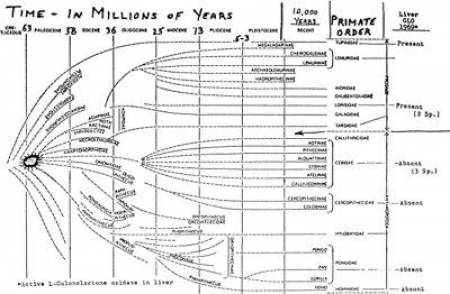
While many of the hangovers from our "devolved" past are visible or physical, this is not true for all. Humans have structures in their genetic make-up that were once used to produces enzymes to process vitamin C (it is called L-gulonolactone oxidase). Most other animals have this functioning DNA but at some point in our history, a mutation disbled the gene whilst leaving behind its remnants as junk DNA. This particular junk DNA indicates a common ancestry with other species on earth, so it is particularly interesting.