Proven Health Risks Might Urge You To Quit Eating Cultured Tilapia Immediately
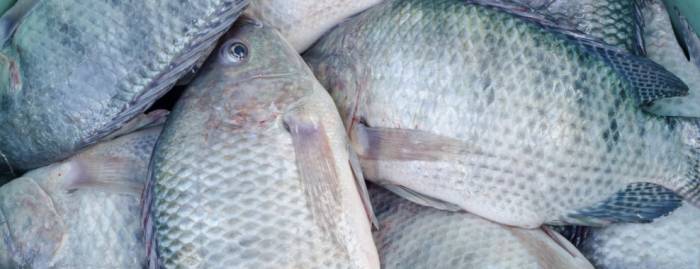
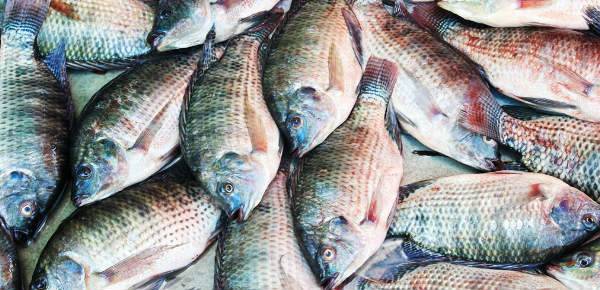
Tilapia that are raised in the Philippines are consumed locally. Americans and Europeans, on the other hand, love eating such fish because they consider it as “white meat”. Some chefs from different parts of the world even prefer serving tilapia because its meat is undeniably tender.
While most of us think that eating tilapia is a good diet, new findings reveal otherwise! Not all edible fishes are healthy after all. Tilapia can actually be good for our health if raised and prepared right, otherwise, it can become nothing but a health risk.
#1 Tilapia is America's universal go-to for fish.
It's inexpensive, it lacks a particularly fishy taste, it's boneless, skinless, and you really can't mess it up overcooking it. But could there be a dark side to tilapia? Forget the foreshadowing. Yes.
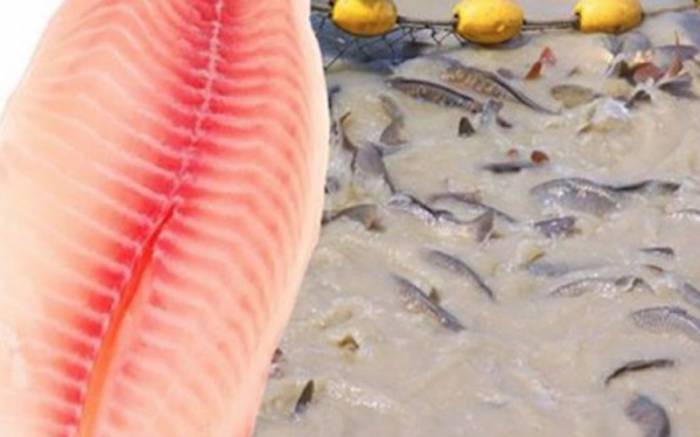
In the wild, tilapia eat a delicious diet of algae and various plants, but most of the tilapia in the store doesn't come from the wild - they come from factory farms.
At these farms, tilapia are fed an unnatural, unhealthy diet of GMO corn and soy pellets. But what's the big deal?
#2 The environment angle
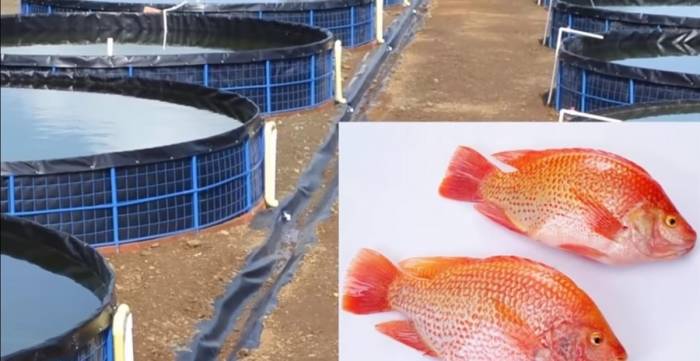
Fish farms, when not properly managed, are infamous for having adverse effects on the environment, which include the polluting of water and the spread of disease to wild fish when farmed fish escape their pens. Overseas tilapia farms, like salmon and shrimp farms, tend to have a bad reputation, though new regulations and certification programs may slowly be changing that.
According to the Monterey Bay Aquarium’s Seafood Watch Program—which makes recommendations for purchasing seafood that’s fished or farmed in environmentally sustainable ways—farmed tilapia from the U.S., Canada, and Ecuador are “best choices.” And though much (if not most) fish from Asia get a red light, Seafood Watch upgraded tilapia produced in China and Taiwan from its “avoid” list in 2011 to its “good alternative” list in 2014. These fish are still not considered a “best” choice, however, because of continuing concerns about waste management and the use of chemicals. Similarly, the Seafood Selector from EDF (Environmental Defense Fund) gives tilapia from the U.S. and Ecuador a “best” eco-rating and lists tilapia from China and Taiwan as “okay.”
#3 Water Pollution
Tilapia farms in the U.S. and Canada rate well because they typically use closed recirculating tank systems, which alleviate problems of water pollution and fish escapes. In Ecuador, tilapia are typically farmed in freshwater ponds at low density (meaning the fish are not crowded), which reduces disease, the need for chemicals, and water pollution.
#4 The nutrition angle
Tilapia is a white-fleshed freshwater fish that’s mild in flavor, which makes it appealing to people who don’t like “fishy” fish. It’s relatively low in calories (130 per 3.5-ounce serving, cooked) and rich in protein (26 grams). But if you’re looking for a lot of heart-healthy omega-3 fats, tilapia is not a good choice. It has very little fat—2 to 3 grams per serving, of which less than 0.2 grams is omega-3s (in contrast, both wild and farmed salmon have more than 1.5 grams of omega-3s per serving). Farmed tilapia is particularly low in omega-3s because its diet is predominantly corn- and soy meal-based, in contrast to the omega-3-rich algae and other aquatic plants that wild tilapia feed on.
#5 The contaminant angle
What about drug residues, a major concern with most imported seafood? Tilapia is not exempt from contamination, though this depends on where and how it’s farmed. As we previously reported, veterinary drug residues were detected in tilapia (and other fish) that were inspected by the U.S., Canada, and the European Union between 2000 and 2009, according to a 2011 paper in Environmental Science and Technology.
And a 2014 paper in the Journal of Hazardous Materials found antibiotic residues in farmed fish purchased in the U.S., including tilapia from Panama and China. Though levels were relatively low, the authors note that the use of antibiotics in fish farming could nonetheless be contributing to the growing public health problem of drug-resistant bacteria.
On the other hand, an analysis in the open-access Journal of Food Processing & Technology in 2013 reported that of 36 samples of imported tilapia—mostly from Latin America—none tested positive for anti-microbials (chloramphenicol, malachite green, and gentian violet), though results may have differed, the researchers said, had more samples from Asia (particularly China and Vietnam) been included. This study also looked at mercury, cadmium, arsenic, and lead in tilapia. All samples had detectable residues of at least one of these heavy metals, but at levels well below safety action thresholds set by the FDA.
#6 Increased Risk of Cancer
Between wild and farmed tilapia, the latter can carry about ten times as many carcinogenic pollutants as the other. This all comes back to the industrial diets of farmed fish, where toxic GMOs and soy substitutes are used in place of real food. As it turns out, chicken feces may even be a primary ingredient in fish feed – along with duck and pig waste as well. Remember, “you are what ‘what you eat’ eats.”
#7 Increased Risk of Inflammation
Eating farmed tilapia can lead to a range of inflammation related illnesses, such as asthma, heart disease, arthritis, and more. While some people eat tilapia to get a source of omega-3s in their diets, they may want to hold off even more if their heart health is poor.
#8 While scientists are warning people about the inflammation risks associated with hamburgers and bacon, some are letting tilapia slip by
Did you know that this fish has even more inflammatory potential than what you pull out of a burger joint?
#9 Increased Exposure to Antibiotics and Pesticides
Not surprisingly, the meat from farmed fish also tends to be treated with more pesticides and antibiotics than natural sources. Remember that this is pretty much the case for a number of meats on today’s market. Because of the terrible diets and harsh living conditions that farmed fish have, many of them are at risk of developing serious illnesses that could spread to others. To combat this, farmers flood the fish with antibiotics to fatten them up and keep them alive so that they can make it onto your dinner plate. The biggest problem about this is that the antibiotics then end up inside of you.
This issue pertains to farmed fish in general, but because of how cheap and available tilapia is in the seafood market – it’s a prime cause of all these health risks. Do your best to find wild fish options that don’t pack along chemicals and carcinogenic properties. They’re the last things you and your family need on their dinner plates.