

The results of the study 'contrast' greatly to previous findings...
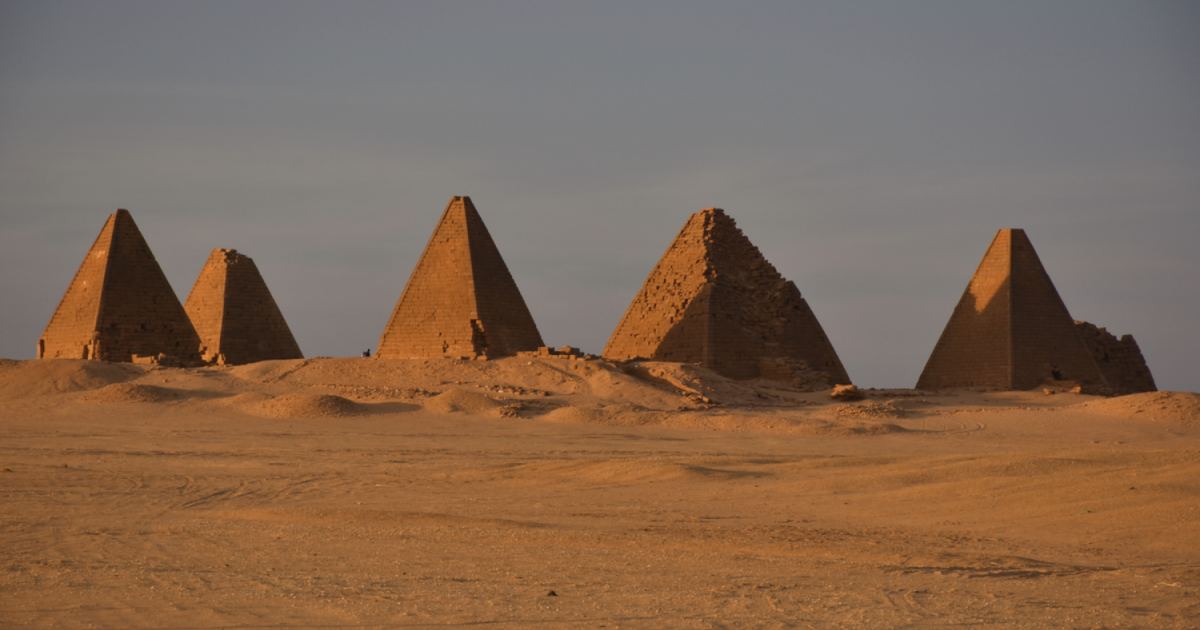
Skeletons Discovered Inside Egyptian Pyramids Might Change What We Thought We Knew
By
Khadija Pervez in
News
On 22nd March 2025
advertisement
A fresh study has put forward a surprising new theory about who exactly was buried in pyramid tombs at the site of Tombos.
Earlier archaeological and bioarchaeological research suggested that Egyptians and Nubians, an Indigenous group from what is now northern Sudan and southern Egypt, once coexisted in this ancient colonial settlement called Tombos.
What did the new skeleton pyramid research study?
Published in the Journal of Anthropological Archaeology, the study, titled Daily life in a New Kingdom fortress town in Nubia: A reexamination of physical activity at Tombos, challenges earlier ideas about the community. Previously, it was believed the people living there were generally healthy, showing few signs of physical strain in their skeletal remains, thanks to relatively easy work within an imperial system.
But new evidence has researchers rethinking that story.
The team took a deeper look at skeletons recovered from various types of graves at Tombos - such as chamber tombs, pyramid and chapel shaft burials, pits, and tumulus graves using more than a decade of excavation data and modern biomolecular testing.
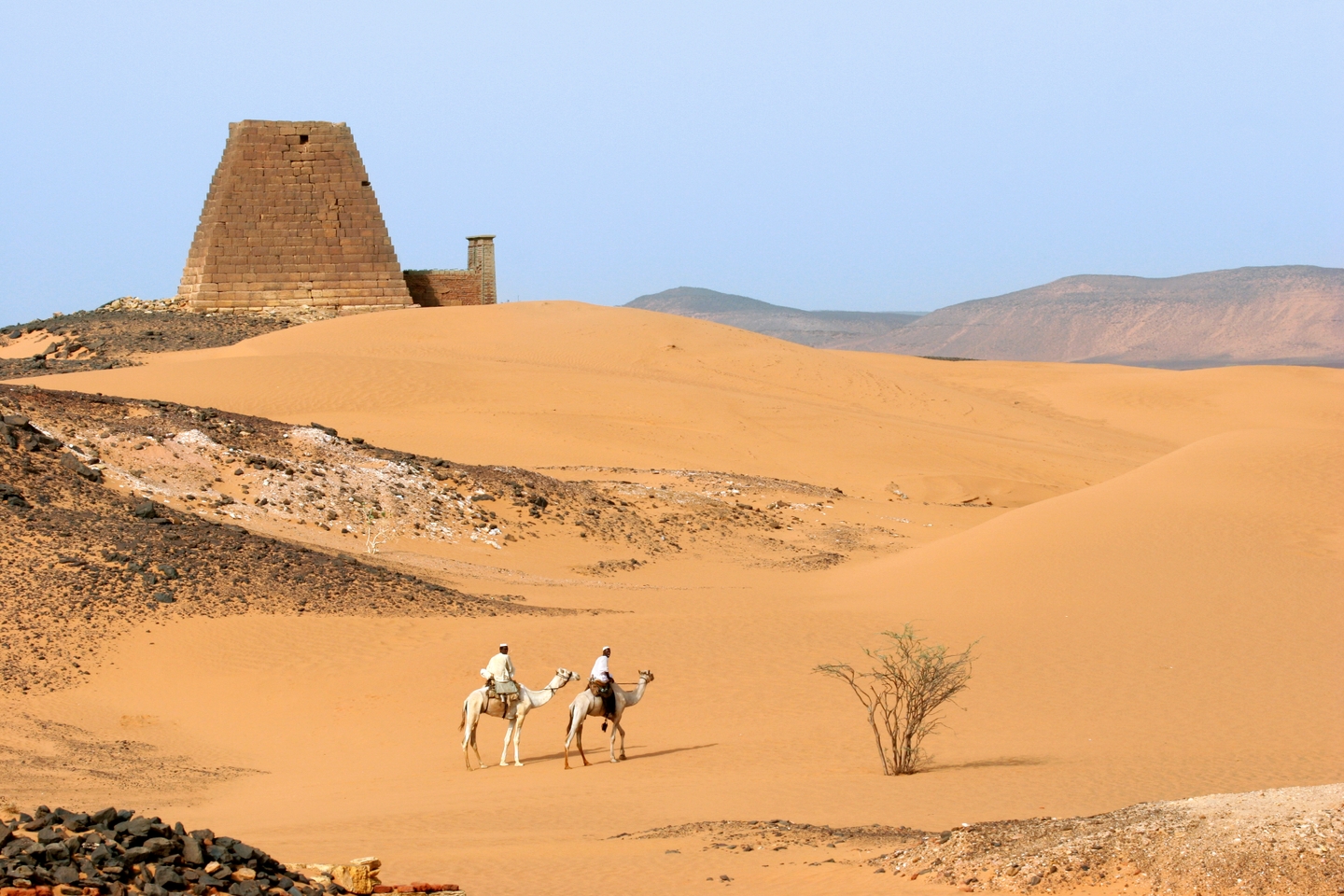
The study looked at an area in Nubia
Arterra/Universal Images Group via Getty Images
advertisement
One key part of the study was examining entheseal changes, which refer to how muscles and ligaments attach to bones. These changes show how much a person's body was used for physical tasks.
If someone performed strenuous or repetitive work, their bones would show distinct crests and ridges where the muscles were attached, revealing a physically demanding lifestyle.
Researchers examined 17 different points on the upper and lower body of each skeleton and rated the wear and tear using a severity scale ranging from 1 to 6.
Understanding these physical changes is key because they give insight into the cultural practices, values, and daily habits of people who lived in Tombos.
To round out their findings, researchers also studied burial styles, artifacts placed with the deceased, and body positions.
This helped them piece together clues about each individual’s social status and the broader economic and occupational patterns of this ancient community.
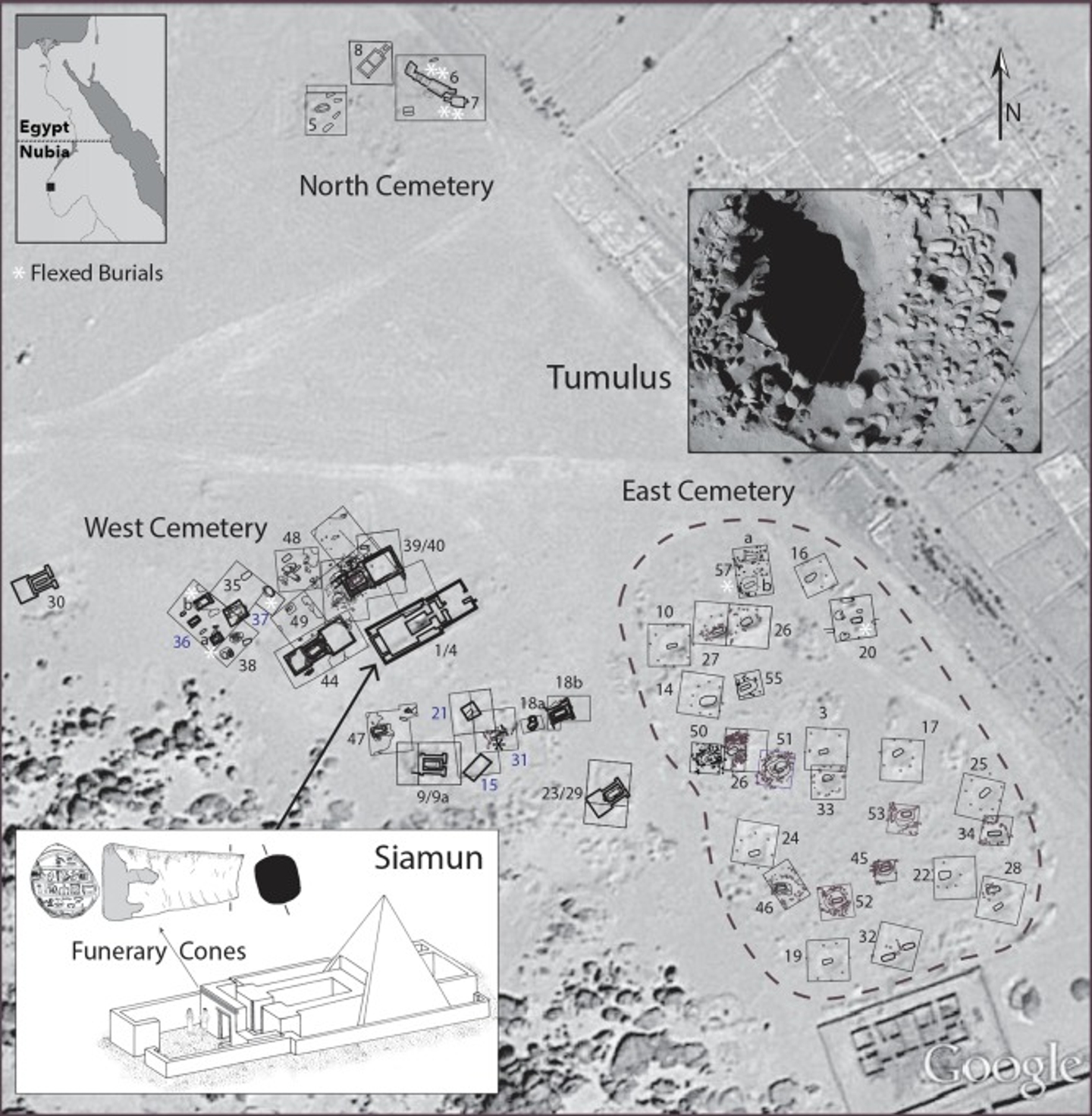
The study reanalyzed previous findings
Journal of Anthropological Archaeology
advertisement
What did the new research into skeleton pyramids find?
Interestingly, the results revealed that the people buried at Tombos generally showed low levels of skeletal wear, indicating that most of them did not lead physically grueling lives.
"Author Sarah Schrader suggested that the population of Tombos may have been composed of minor officials, professionals, craftspeople, and scribes," the study noted.
This allowed researchers to take a closer look at social identity, comparing the elaborate Egyptian-style pyramid burials, including chapels and shafts, with simpler chamber and pit tombs, as well as Nubian-style tumulus graves.
advertisement
"Tumuli are mounded structures, often with a irregular stone circles superstructure, and a burial shaft with chamber niche substructure. Social status might be indicated by association with tomb type, but also burial practice, in particular the provision of grave goods and burial containers in the form of wooden or ceramic coffins, reed mat work, or wrapping in linen with no container. The presence of several flexed burials of women suggests a different social status and/or identity for these individuals," the study continued, suggesting burial styles could hint at someone's status or role within society.
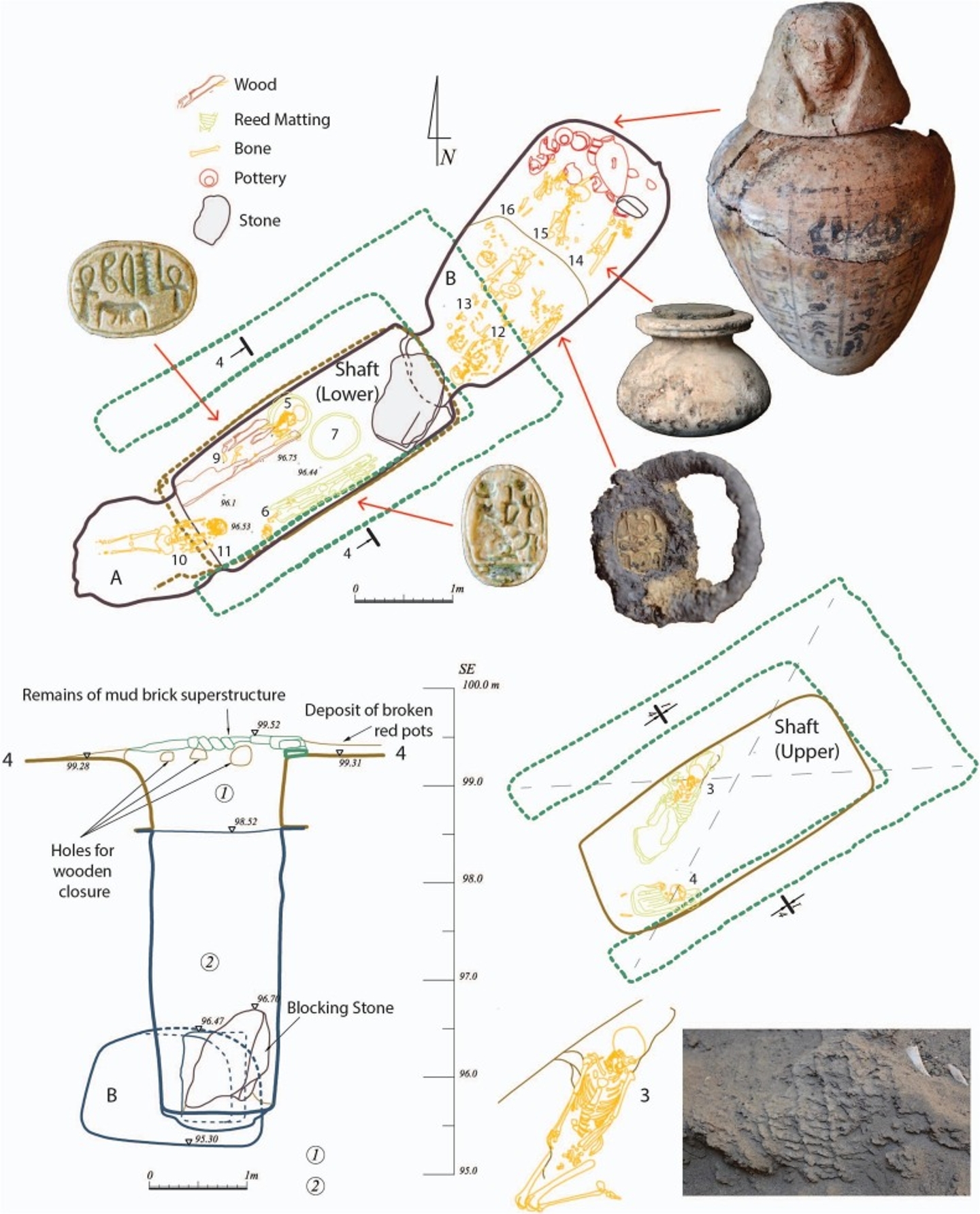
The study throws into question previous findings
Journal of Anthropological Archaeology
advertisement
What do the research findings mean?
The findings stand in sharp contrast to previous beliefs that most people at Tombos lived easy, non-physically demanding lives.
Instead, this study paints a more layered picture of the community, showing both highly active and less active individuals.
The researchers concluded: "Our findings suggest that pyramid tombs, once thought to be the final resting place of the most elite, may have also included low-status high-labor staff."
advertisement
"This study speaks to the importance of reanalyzing data; with continued excavations, dating, and biomolecular analysis, interpretations of lived experience in the past can be completely altered."