Members of this Italian family can suffer burns and broken bones without noticing.

Rare Genetic Mutation Causes This Italian Family To Feel No Pain
By
Sughra Hafeez in
Bizarre
On 26th January 2018
advertisement
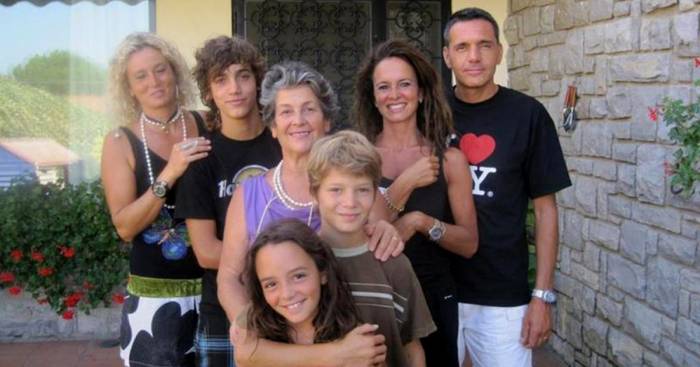
Fifty-two-year-old Letizia Marsili and her mother, two sons, sister, and niece have had low sensitivity to pain since childhood
They can suffer burns and broken bones while feeling virtually no pain, meaning they often do not notice injuries.
The Marsili family are afflicted with a type of rare condition known as congenital analgesia or congenital insensitivity to pain (CIP).
For people with this disorder, cognition and sensation are otherwise normal; for instance, patients can still feel discriminative touch (though not always temperature), and there are no detectable physical abnormalities.

advertisement
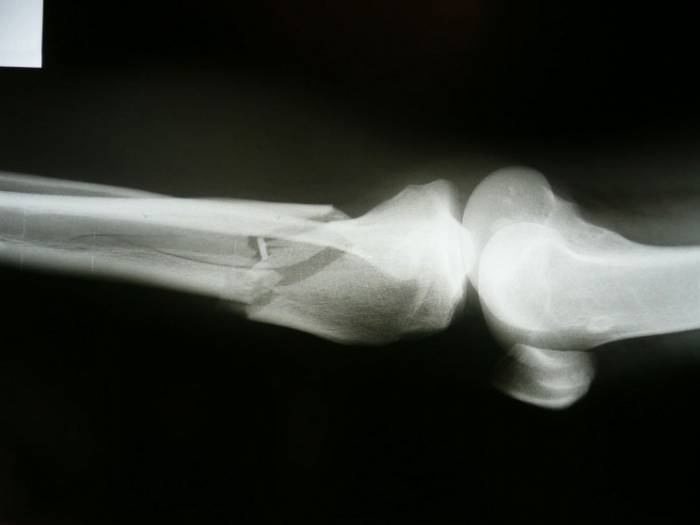
Because children with the disorder cannot feel pain, they may not respond to problems, thus being at a higher risk of more severe diseases.
Children with this condition often suffer oral cavity damage both in and around the oral cavity (such as having bitten off the tip of their tongue) or fractures to bones. Unnoticed infections and corneal damage due to foreign objects in the eye are also seen.
A research team, lead by scientists at University College London (UCL), have conducted a genetic study into the family.
To determine the genetic root of the condition, how insensitive the family is too different types of pain, and whether the findings can be used to develop a new treatment for chronic pain.
advertisement
The results of the study were published in the journal Brain.
The researchers hope the findings could be used to identify new treatments for chronic pain.

advertisement
The study's lead author, Dr. James Cox (UCL Wolfson Institute for Biomedical Research), said:
"The members of this family can burn themselves or experience pain-free bone fractures without feeling any pain. But they have a normal intraepidermal nerve fiber density, which means their nerves are all there, they're just not working how they should be. We're working to gain a better understanding of exactly why they don't feel much pain, to see if that could help us find new pain relief treatments."

advertisement
The UCL team clarified the family's "superpowers"
They're particularly insensitive to hot temperatures and capsaicin, the active component of chili peppers that makes them spicy.

advertisement
Letizia Marsili, the 52-year-old family member with the condition, spoke to BBC News explained
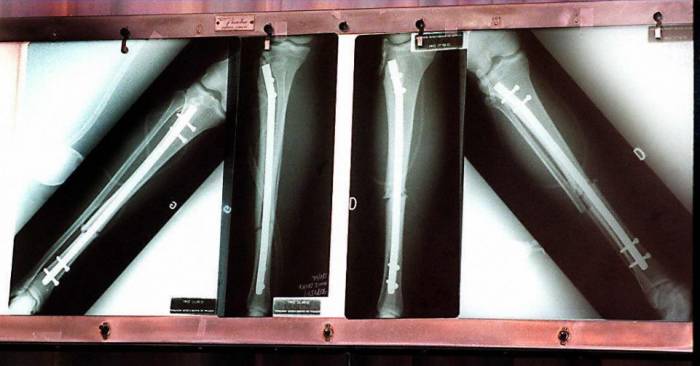
How they have never seen the condition as a negative, although it does have its downsides. For one thing, they often damage the roof of their mouths on hot drinks because they are unaware they are burning themselves. Similarly, her 24-year-old son has extremely delicate ankles due to numerous microfractures acquired while playing soccer.
advertisement
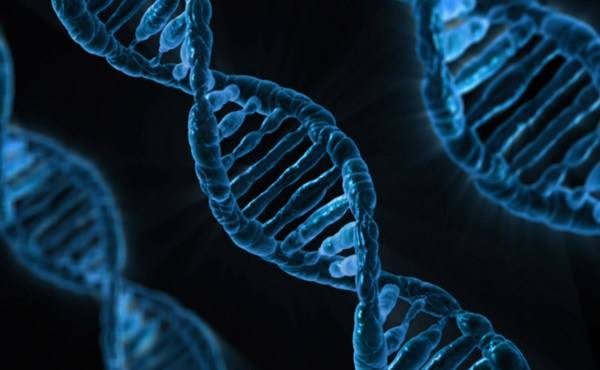
A study found that Letizia and her family have a rare mutation in the ZFHX2 gene.
Surprisingly, this gene is normally very consistent across a wide range of species, and the team found that it is connected to other genes that are involved in pain signaling. Scientists eventually named the mutation after the family, calling it the Marsili Syndrome.
advertisement
While they may have unique abilities, Letizia says that they do not really differ from other families.
Now that we know about our syndrome, we are more careful and attentive to ourselves. Even if it were possible, I would not want to get rid of this feature. Eventually, one day, research will lead to a discovery that will push science forward and help humanity.