

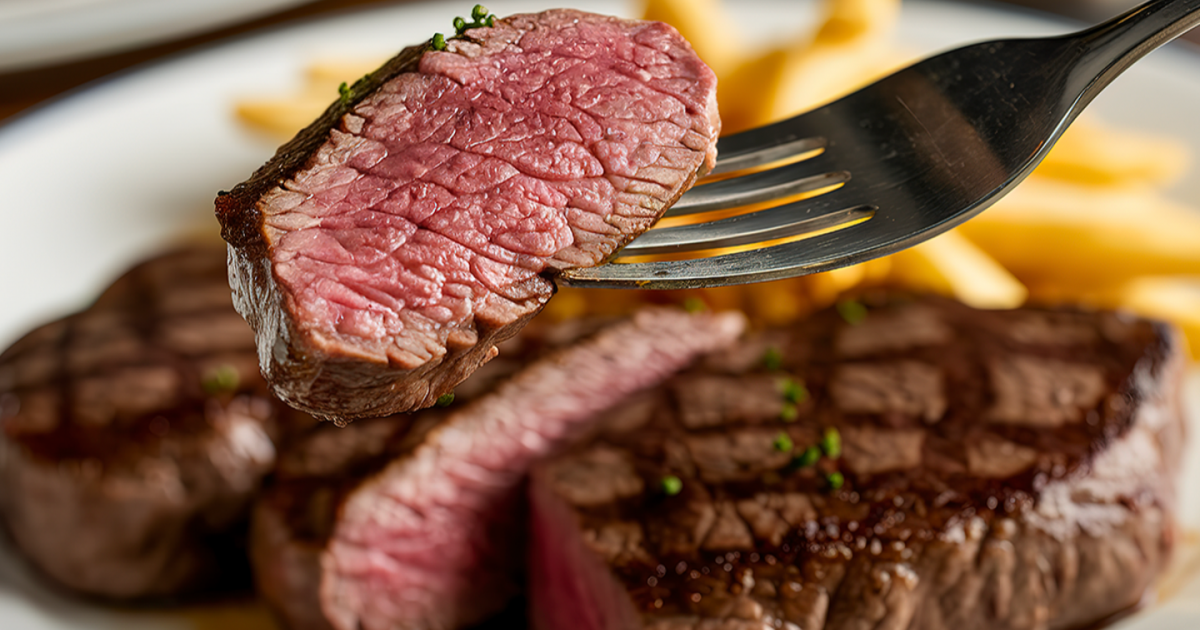
Plenty of people enjoy their beef cooked rare or medium rare, but poultry is a whole different story.
advertisement
Food experts have broken down why it’s considered safe to eat steak rare but extremely risky to do the same with chicken. The difference comes down to how the meat is structured and where harmful bacteria can actually live.
If you’ve ever wondered why a juicy medium-rare ribeye is fine on your plate while undercooked poultry could make you seriously ill, there’s a scientific explanation behind it. For years, chefs and health professionals have pointed out this important contrast between red meat and poultry.
With beef, it really comes down to personal taste. Some diners prefer a pink, tender center, while others can’t bring themselves to eat anything that isn’t cooked through until completely brown. Either way, beef offers a bit more flexibility in how it’s safely prepared compared to chicken.
When it comes to chicken, though, there is no safe shortcut. Poultry needs to be cooked all the way through until the meat is white and the juices run clear, which is the only way to ensure it is safe to eat.
This raises the natural question: why can the two types of meat be treated so differently in the kitchen?
The answer lies in the anatomy of the cut. A steak is essentially one solid piece of muscle, which means any bacteria are usually found on the outer layer. Once that surface is seared with heat, the germs are destroyed, making the inside safe even if it’s rare.
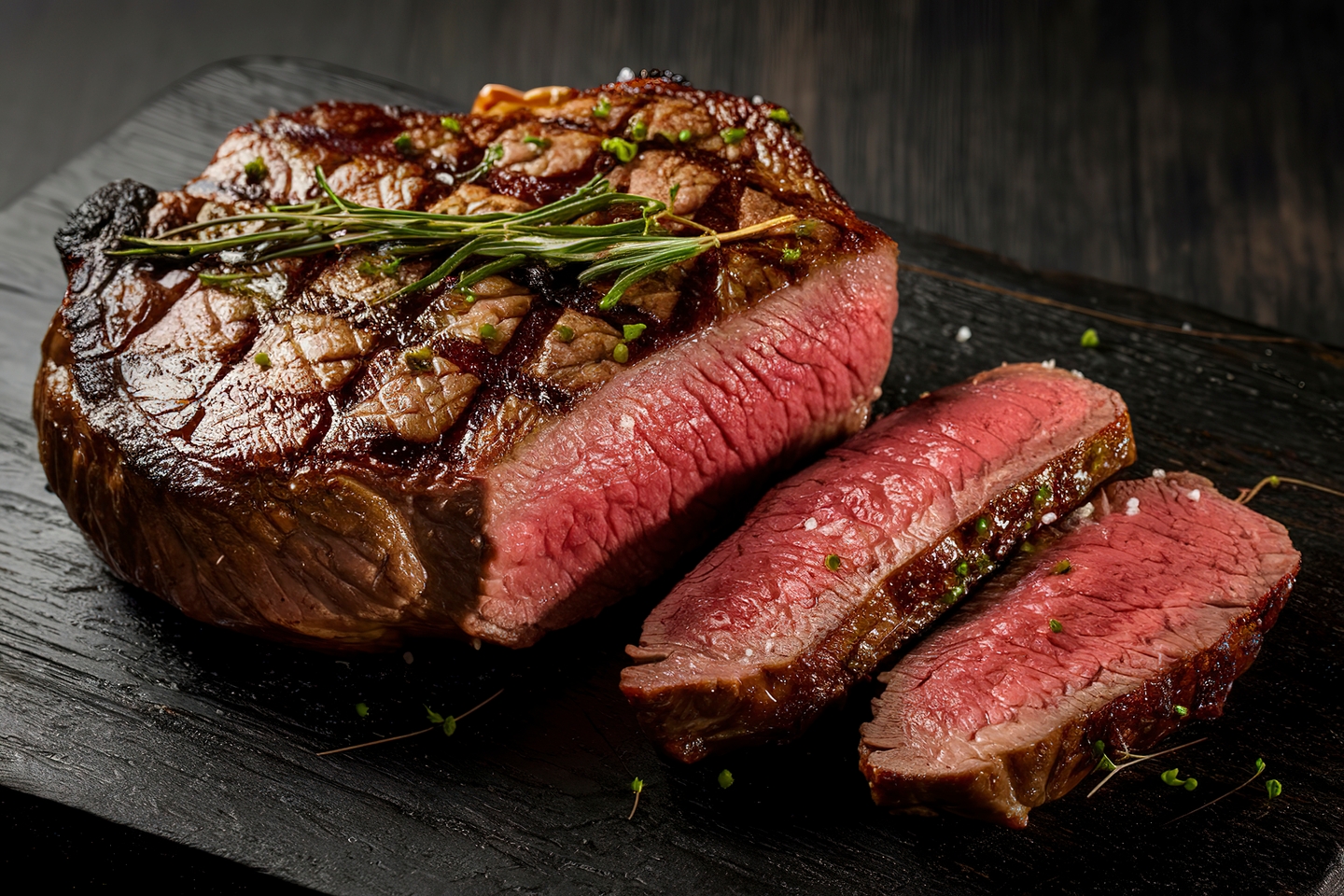
Many people eat beef rare
Getty Stock Photo
advertisement
Chicken, on the other hand, is much more vulnerable. As the Centers for Disease Control and Prevention explains: "When cooked, chicken can be a nutritious choice, but raw chicken can be contaminated with Campylobacter, Salmonella, or Clostridium perfringens germs."
Unlike beef, chicken meat is less dense, which makes it easier for bacteria found on the surface to reach deeper inside. That’s why the danger is not just on the outside but also in the interior of the meat.
Cooking it thoroughly to the proper temperature kills off harmful bacteria and ensures it’s safe for consumption.
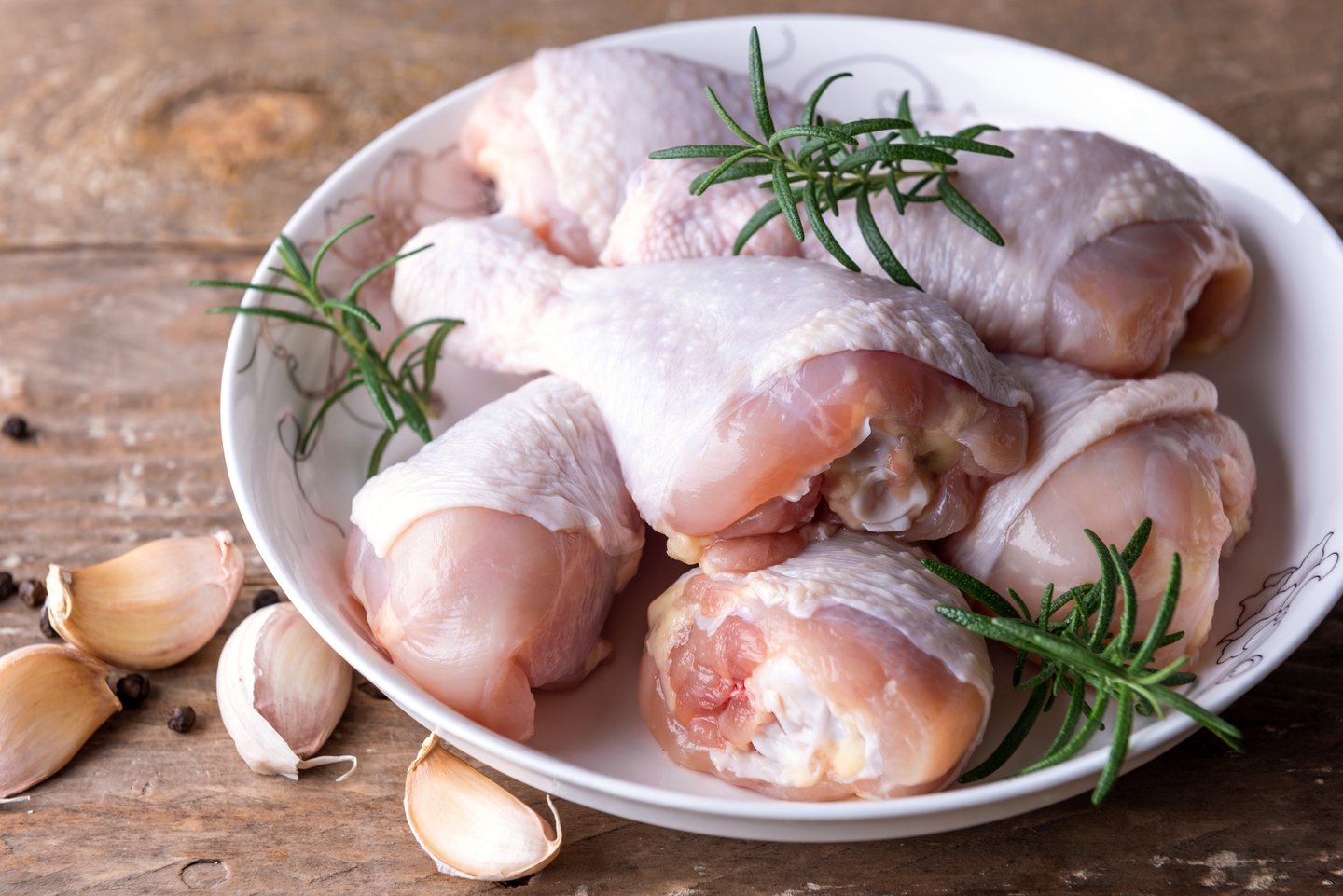
Chicken must be cooked through
Getty Stock Photo
Skipping this step and serving chicken undercooked can put you at serious risk of food poisoning. This is why public health agencies strongly warn against eating chicken that hasn’t been fully cooked through.
The CDC has noted that Salmonella remains the leading cause of foodborne illness in the U.S. and is a constant concern when it comes to handling poultry.
They explain it clearly: "If you eat undercooked chicken, you can get a foodborne illness, also called food poisoning. You can also get sick if you eat other foods or beverages that are contaminated by raw chicken or its juices."
advertisement
"CDC estimates that every year in the United States about 1 million people get sick from eating contaminated poultry."
"Chicken is a major source of these illnesses. In fact, about 1 in every 25 packages of chicken at the grocery store are contaminated with Salmonella."
To stay safe at home, the CDC advises people to store raw chicken on the bottom shelf of the refrigerator so juices don’t drip onto other foods. They also recommend washing hands with soap and warm water for at least 20 seconds after touching raw poultry.
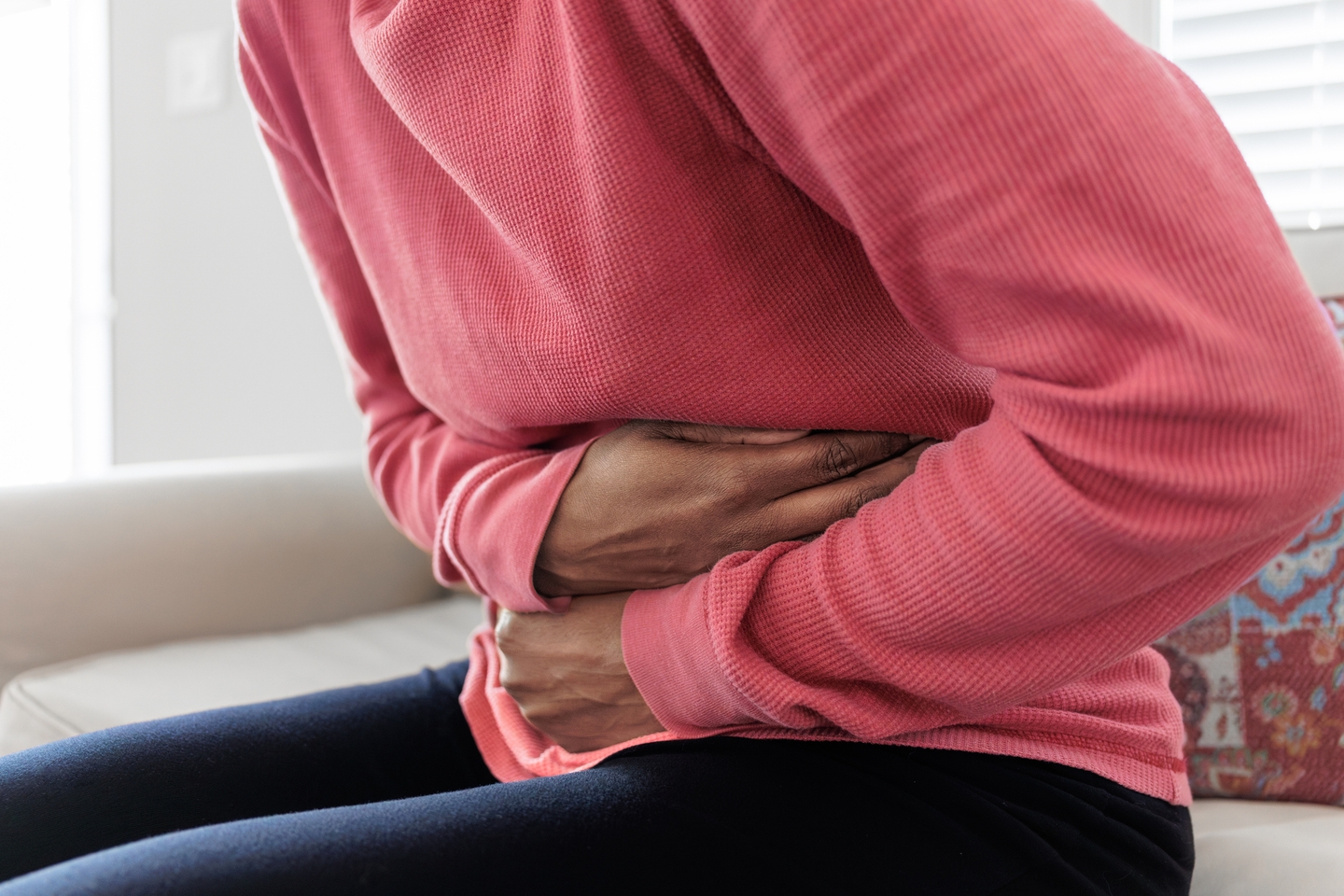
Undercooked chicken is a major source of food poisoning
Getty Stock Photo
advertisement
When someone does get sick with salmonella, the infection can show up with a wide range of uncomfortable and sometimes severe symptoms. These can include:
- Diarrhea
- Stomach cramps and abdominal pain
- Fever
- Nausea
- Vomiting
- Chills and shivering
- Headaches
- Blood present in stool
Most cases will last anywhere from a few days to about a week, but in some situations it can take much longer for bowel habits to fully return to normal.
advertisement
If symptoms continue for several days without relief, are accompanied by a high fever, bloody stools, or cause signs of dehydration, health experts say it’s important to seek medical treatment right away. Proper care can prevent complications and speed up recovery.