

Doctor O'Donovan, a YouTuber and licensed UK physician, explains what these symptoms might really mean
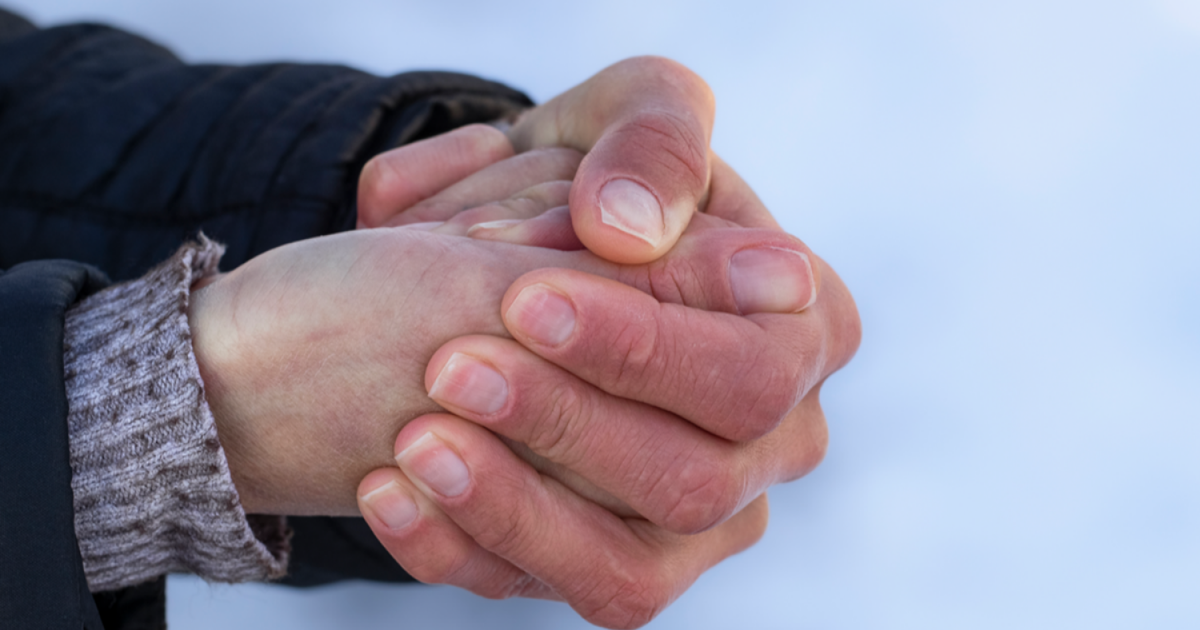
Doctor's Warning To People Whose Fingers And Toes Change Color And Feel Numb In The Cold
By
Khadija Pervez in
Health and Fitness
On 20th March 2025
advertisement
A doctor who is also a well-known YouTuber has shared a serious warning. If your hands and feet start to change color and go numb in the cold - not just feeling a little chilly - you might be dealing with a specific medical condition.
Doctor O'Donovan, a practicing physician in the UK, posted a video to raise awareness about a condition that can affect different areas of your body, not just when it’s cold, but also in situations where you might feel stressed.
Most of us know what it feels like to have cold fingers or toes, especially on a freezing day. But this condition triggers much more than just feeling cold, according to the doctor.
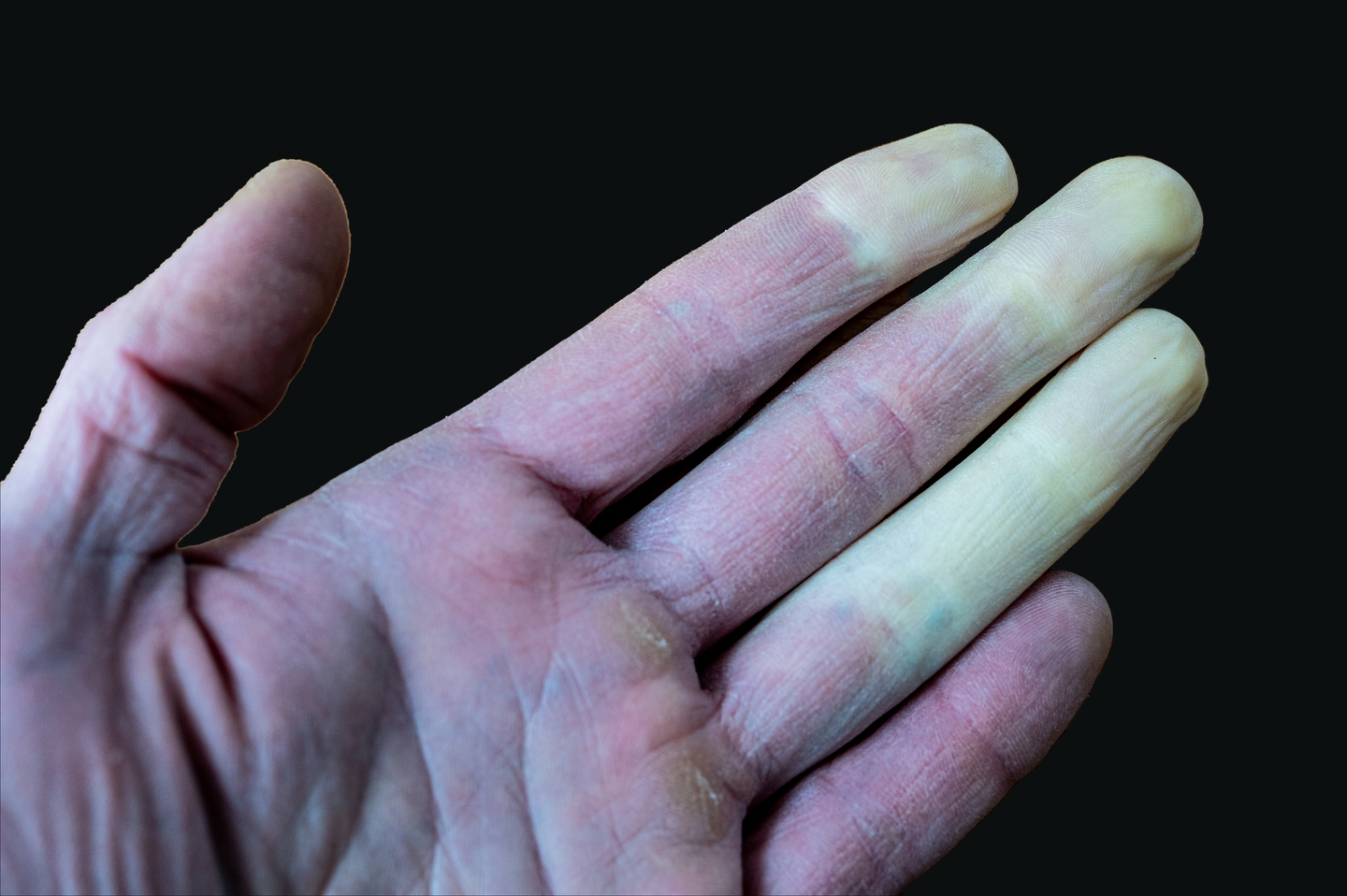
Raynaud's disease can cause your fingers to change color
Getty Stock Photo
What is Raynaud's disease?
Doctor O'Donovan explained that Raynaud's disease occurs when the small arteries in your body narrow, typically as a reaction to cold temperatures or stress. This narrowing limits the flow of blood to specific areas, usually fingers or toes, causing them to first turn white and then blue. Along with the color change, people might notice these areas feeling unusually cold or even experience a numb and prickly sensation.
Once blood flow returns to normal, these spots may start to tingle or swell.
Experts still don’t know exactly what triggers Raynaud's. However, it often flares up after exposure to cold environments like stepping outside on a cold day, handling frozen items, or putting your hands in chilly water.
advertisement
There are two main types of Raynaud's. Primary Raynaud's is not linked to any other health issue, while Secondary Raynaud's is tied to an underlying condition, like artery diseases, connective tissue disorders, or even high blood pressure.
While Primary Raynaud's is more common, Secondary Raynaud's is rarer and tends to show up later in life, usually after someone turns 40.
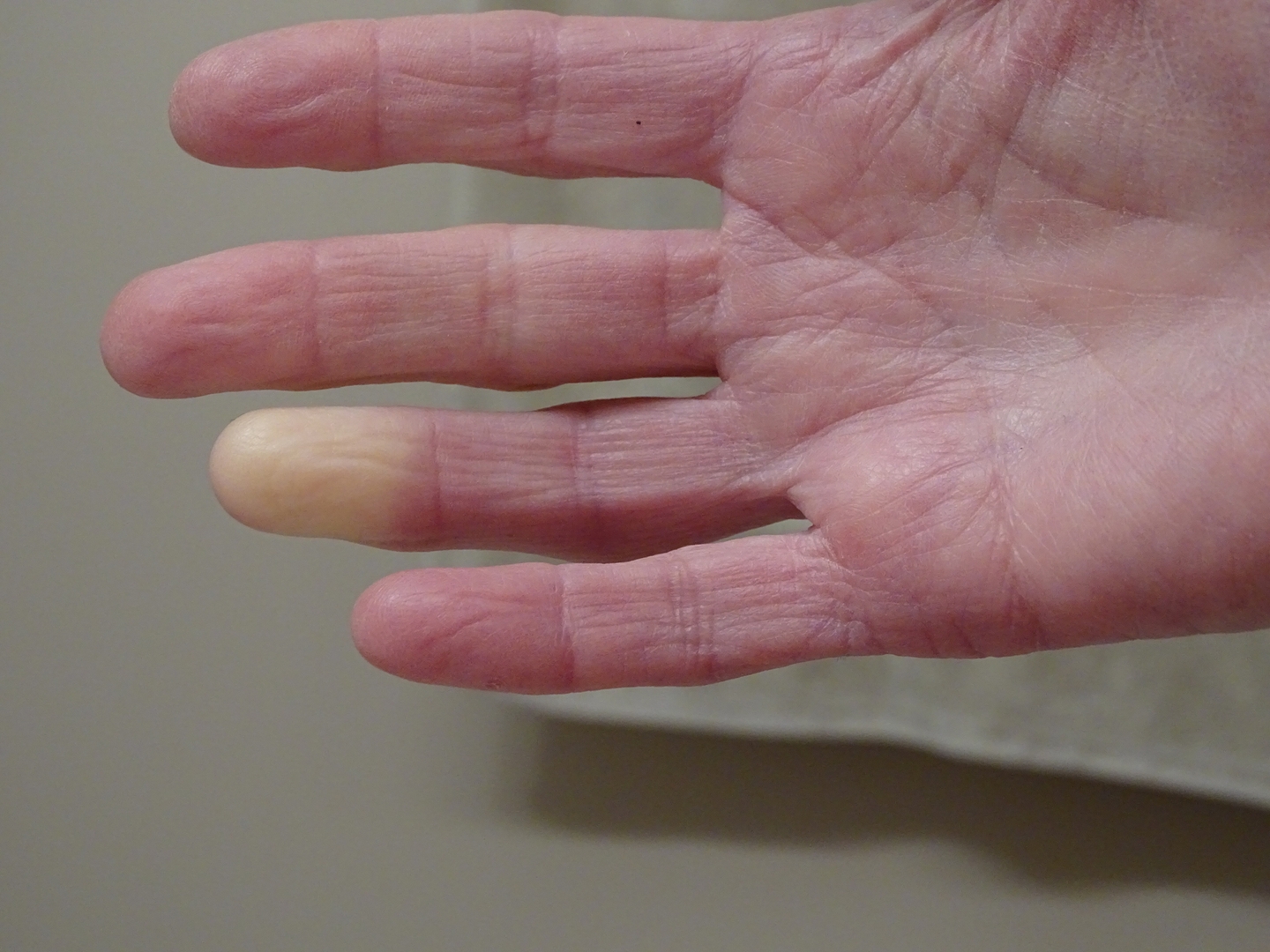
Raynaud's symptoms can be prevented by attempting to keep warm
Getty Stock Photo
What are the risk factors associated with Raynaud's?
In his YouTube video, Doctor O'Donovan mentioned that Raynaud's is more frequently found in women. Primary Raynaud's usually begins between the ages of 15 and 30, and it tends to affect people living in colder climates more often.
There’s also a genetic element to consider. If someone in your family has Raynaud's, you might be at a slightly higher risk of developing it as well.
As for Secondary Raynaud's, risk factors include having a job that puts repeated strain on your hands or feet. For example, constant typing or using vibrating tools can increase your chances.
advertisement
Other risk factors include smoking, which can narrow blood vessels, and taking certain medications that affect circulation and blood flow.
advertisement
advertisement
How can you prevent and treat Raynaud's?
To help avoid triggering Raynaud’s symptoms, it’s a good idea to layer up in cold weather. Wearing warm accessories like a hat, gloves, and a scarf can really help keep your body temperature stable.
Doctor O'Donovan also shared that if symptoms are starting to worsen, there are medical treatments available. He recommends seeing a healthcare provider if you notice your symptoms interfering with your daily life or becoming more frequent.