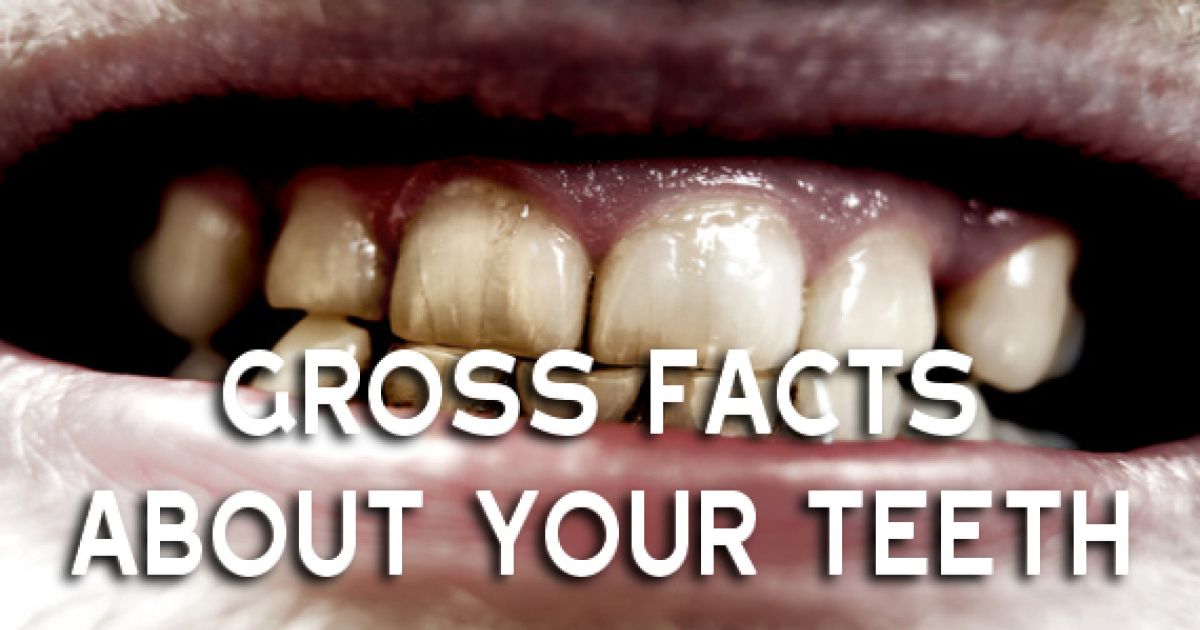
It’s easy to forget how INSANELY DIRTY our mouths can get.
advertisement
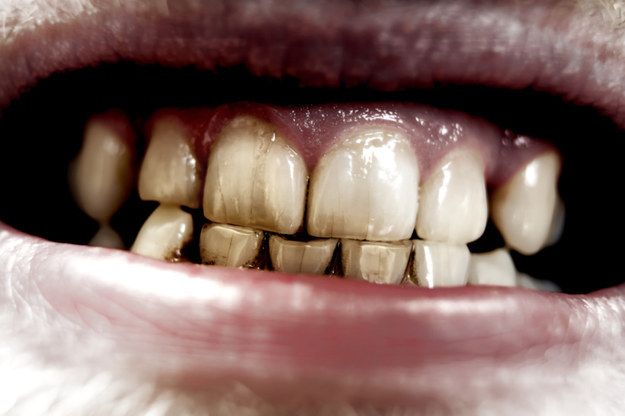
#1 It’s easy to forget how INSANELY DIRTY our mouths can get.
Even if you take great care of your teeth, your mouth is constantly full of bacteria that's trying to eat away at your teeth and cause disease, and it can be sort of gross.
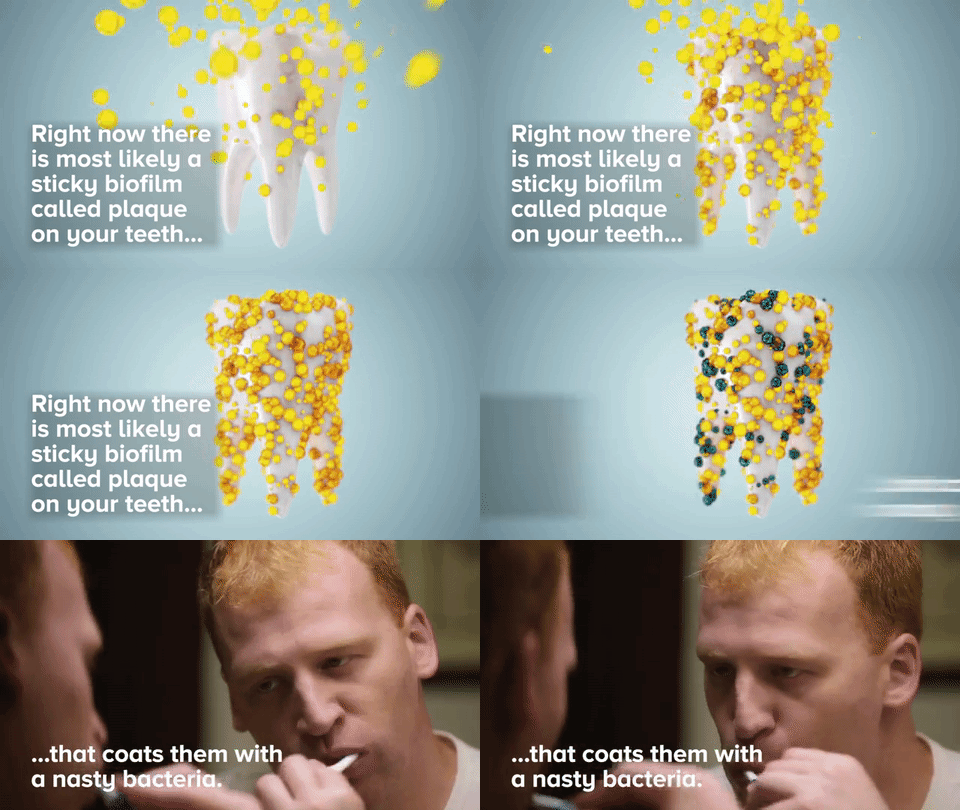
#2 Right now, there’s a super sticky biofilm called plaque that’s coating the surfaces of your teeth with bacteria.
That bacterial plaque sticks to the front, back, side, in between, and right under gums. Plaque isn't very thick, so your teeth can actually feel relatively clean even when they're coated in it. But it's actually the root of decay and many other dental diseases, so it's good to understand that it builds up all over your teeth every day, which is why brushing is so important.
advertisement
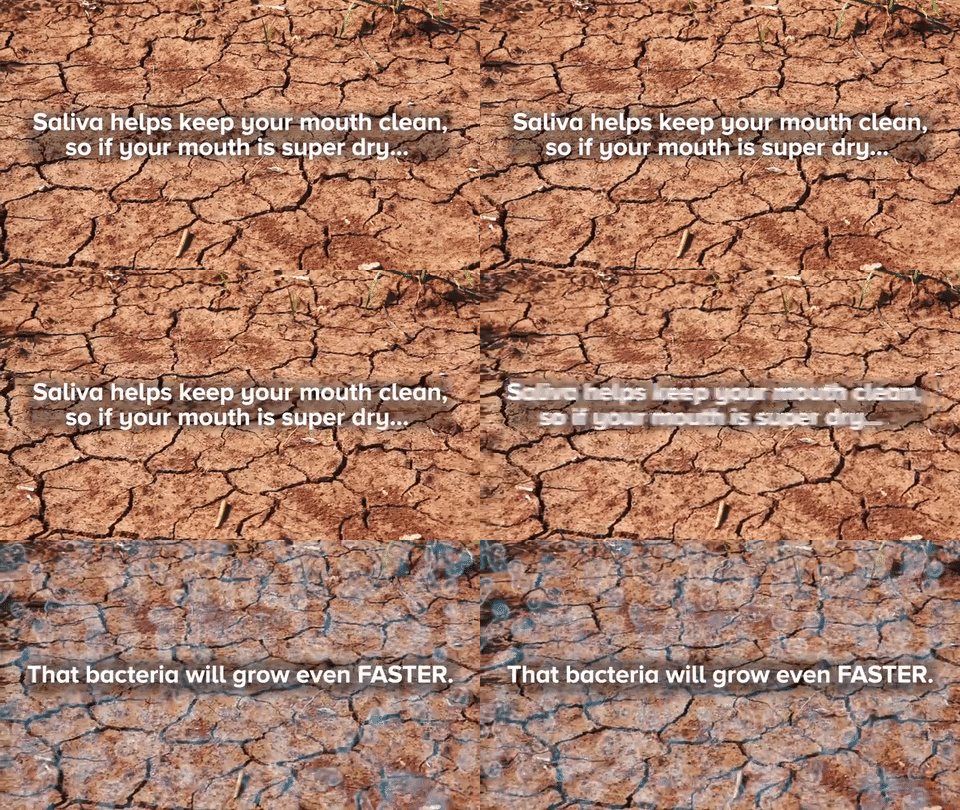
#3 If your mouth is super dry, that bacteria grows even faster.
Many people don't know how important saliva is for cleaning our teeth and fighting cavities. Saliva obviously helps physically wash away food residue, but it also has antibacterial properties, neutralizes acids that eat away at enamel, and helps repair and restore teeth. So if you suffer from dry mouth (often caused by certain medications), that can be bad news for your teeth.
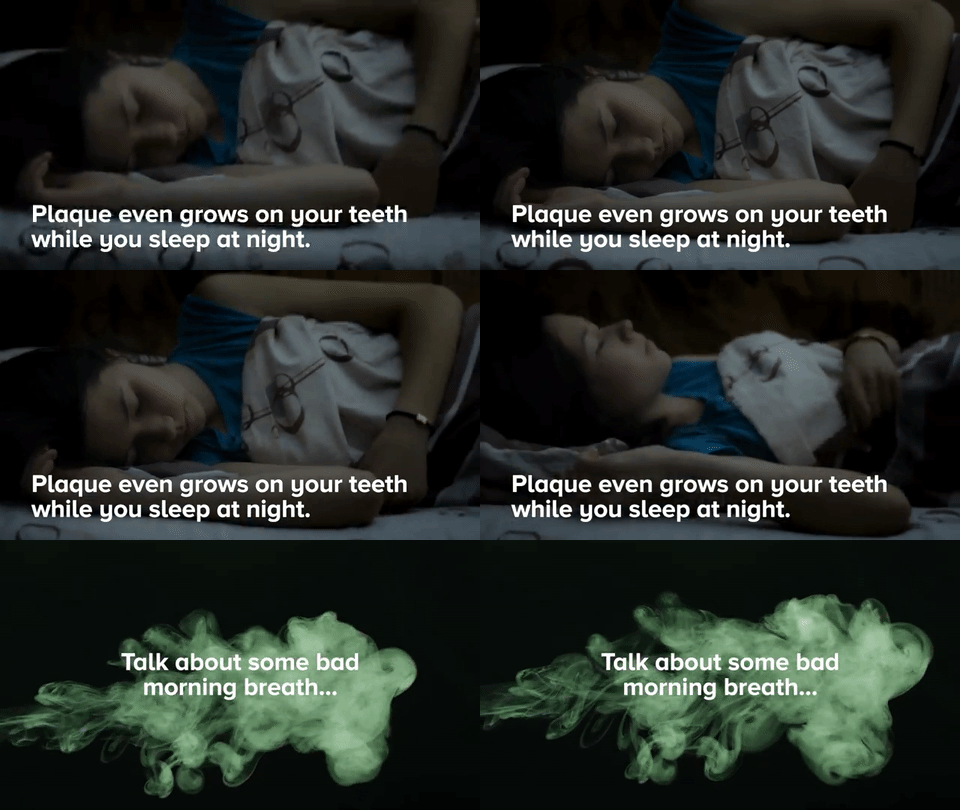
#4 Plaque also grows on your teeth at night, which is why it’s pretty gross to forget to brush and floss in the morning.
Even though you don't eat in your sleep and your teeth probably feel super clean in the morning if you brushed them before bed, plaque is still coating your teeth during all hours of the night. Hence morning breath. Brushing in the morning is just as important as at night, especially if you're a mouth-breather, which dries out saliva.
advertisement
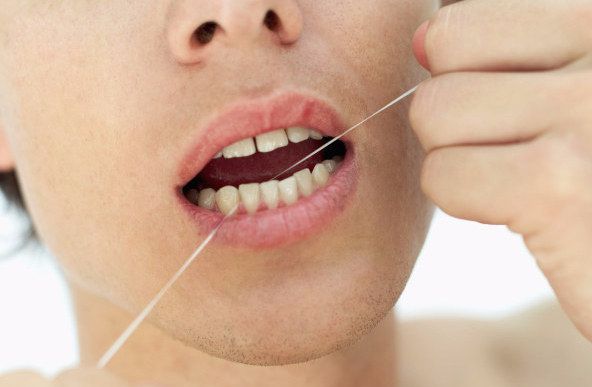
#5 Plaque can only be removed manually by brushing and flossing or else it will literally just sit there FOREVER.
Plaque covers every single surface of the teeth, including the surfaces you can't see or reach with a toothbrush. If people understood plaque, they'd be flossing twice a day but they really don't. Without flossing, the sticky plaque bacteria will just sit there. One-third of your teeth's surfaces are covered by other teeth so you need interdental cleaners like floss, tiny brushes, or water picks to physically clean plaque away.
advertisement
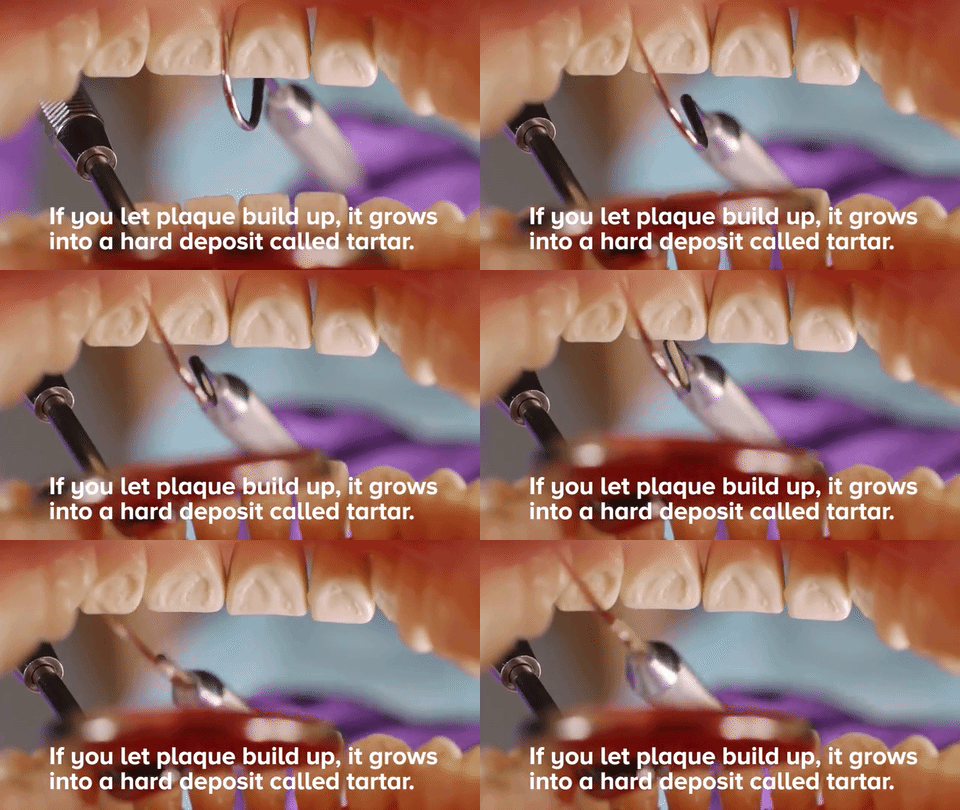
#6 Over time, that plaque will turn into super hard white stuff called tartar, which a dentist usually needs to remove.
If the plaque just sits there, over time it picks up minerals from the saliva and hardens into tartar. This usually happens on the inside of teeth because this area if often neglected by brushing and flossing. Unlike normal plaque, you actually need to go to a dentist to get tartar removed. Using a tartar-control toothpaste can help, but if it gets really bad you'll need a professional.
advertisement
#7 And eventually, bad dental hygiene habits can turn into gum disease, which is obviously painful and annoying.
Plaque also builds up just under the gums around your teeth, and if it isn't removed by brushing, those gums become inflamed, which is called gingivitis, or periodontal (gum) disease.

advertisement
#8 Sever gum disease can become very painful, and eventually lead to loss of the tissue that holds your teeth in place.
The inflamed gums then pull away from the teeth, so if left untreated, bacteria can build up and cause tartar, infections, and even loss of the tissues and bones that support your teeth.

advertisement
#9 There is a wrong way to floss, and you might be doing it.
You can never floss too often, but you can floss too hard and incorrectly, which damages your gums. So many people just pop the floss through their teeth and punch it up and down hard. Not only does this fail to remove plaque, it also really hurts the little part of gum in between teeth, which can lead to bleeding, irritation, and swelling.

advertisement
#10 The correct way to floss your teeth is from side to side of each tooth without irritating the gums.
Instead, try to hold the floss at an angle so it wraps around the tooth and removes plaque when you move it up and down. Think of it as gliding the floss gently along the two sides of each tooth. It's easier to do this using normal threaded floss, but it's possible with floss picks, too.

advertisement
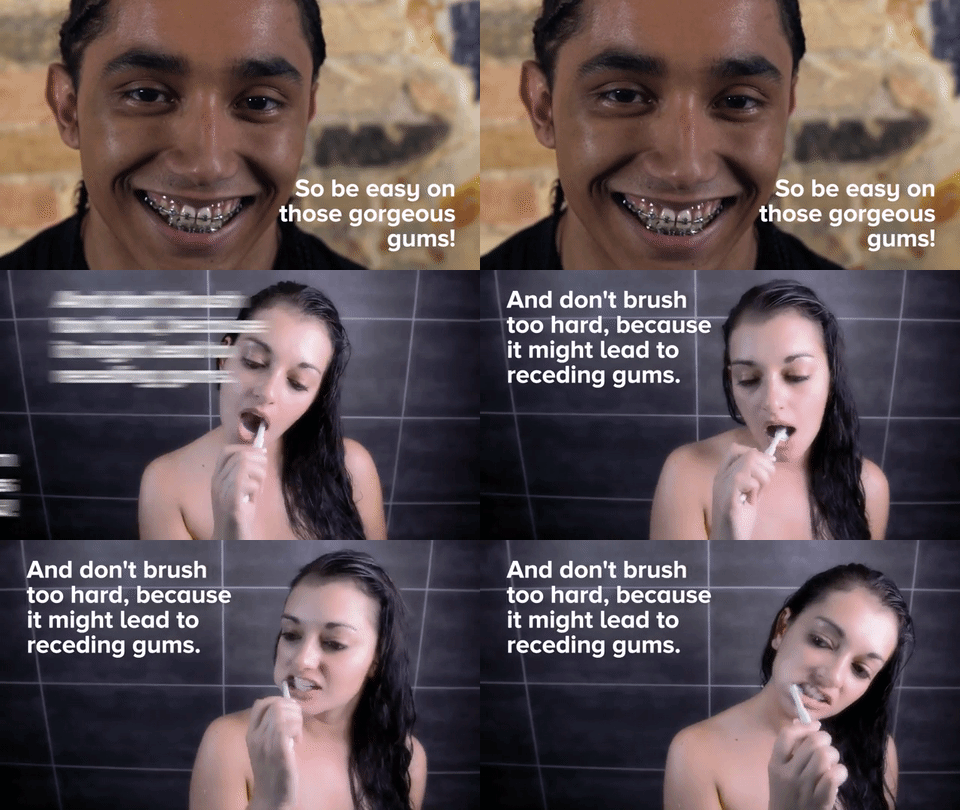
#11 And you definitely don’t want to brush too hard, which can lead to receding gums.
Even though it might feel like you're cleaning your teeth better, brushing too hard literally wears away surface of teeth and gums. It's basically like sandpaper. As we age, our teeth go through a lot of wear and tear so you don't need to add to this with bad brushing habits that end up exposing the super sensitive roots. Dentists suggest using a soft brush, and brush in cicular motions instead of up and down.
advertisement
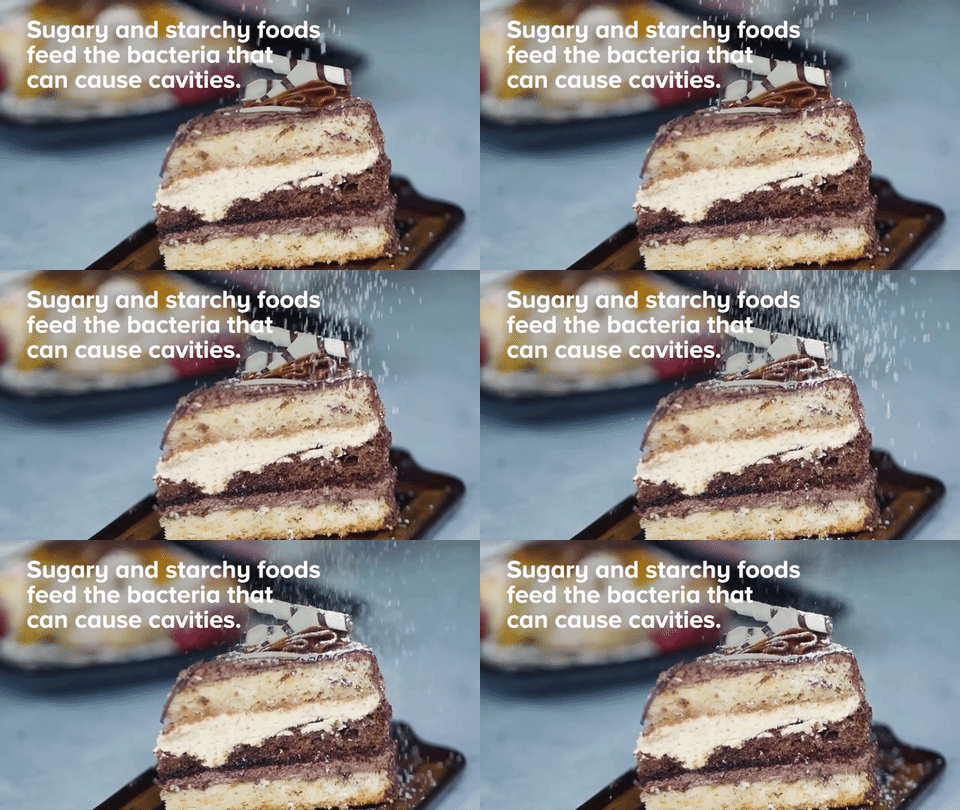
#12 Sugary and starchy foods literally feed the bacteria that eat away at your enamel and cause cavities.
When it's metabolized it becomes acid that attacks your teeth, causing tooth decay and gum disease. So you're really eating for two when you munch on those Sour Patch Kids or chug a Coke. But It's not as simple as avoiding all sweets fruits can be huge culprits, too. And actually dark chocolate isn't so bad, since it contains flavonoids, polyphenols, and tannins, which promote dental health. Things that don't harm your teeth as much include cheeses and dairy, which rinse off easily, and non-acidic vegetables and meat.
#13 If you don’t get fluoride from water or toothpaste, you risk getting 20-40% more cavities.
There's a lot of debate about fluoride, but researchers have proven that fluoride prevents decay. The best way to get fluoride is ingesting it in water because it gets in your bloodstream and works from inside the tooth. Ingesting fluoride and using fluoride toothpaste or rinses has been proven to reduce up to 40% of tooth decay. Levels of decay are significantly higher in regions where the water lacks fluoride.

advertisement
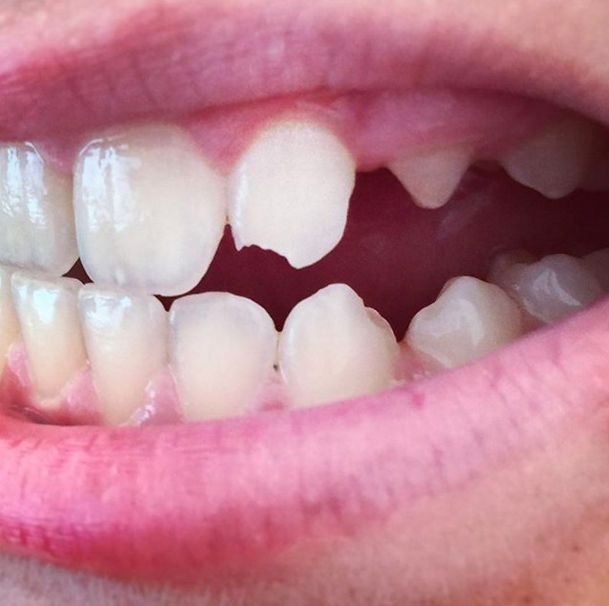
#14 A chip in your teeth, no matter how small, is super vulnerable to tooth decay.
When the tooth chips, the dentin a softer bone-like tissue that covers root becomes exposed. Unlike enamel, which is our tooth's natural defense against decay, dentin will rapidly decay when bacteria gets inside the chipped part of the tooth. Even if the chip is tiny, please do not ignore it get it fixed right away or else it will become 10 times worse before you know it.
#15 Poor dental health can affect your overall health, too.
Gum disease, cavities, and tooth loss are obviously painful and uncomfortable conditions, but losing any kind of function of your teeth also makes eating and using your mouth more difficult. There's been research that links gum disease and low-birth weight babies, and some studies which show a connection between gum disease bacteria and heart disease. Overall, having a healthy mouth and teeth is critical to having good health in general.
advertisement
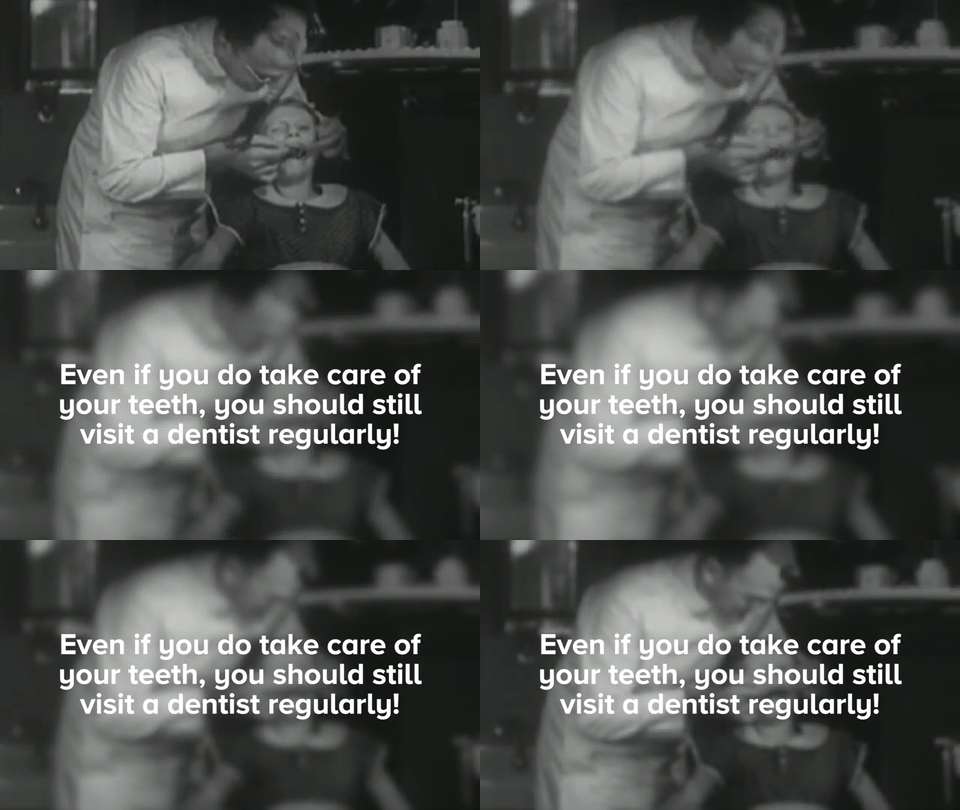
#16 And even if you take great care of your teeth, you still need to see a dentist regularly.
Even if you are a fabulous brusher and flosser and it looks like you have amazing teeth, most of us aren't ‘perfect'. Dentists can see a lot of things you can't (including the inside of your teeth with X-rays) and more importantly, they can help you address your own needs. Everyone is different and requires a somewhat unique cleaning routine or products depending on their problems.
#17 Keep up the good dental hygiene and show the world your pearly whites!
It's not just what you eat, but how often you eat that influences teeth decay. Every time you eat, you create an environment for bacteria to attack your teeth because they also eat that food residue and produce acid.
So if you're snacking all day or sipping on that big iced coffee you're hardly giving your teeth a rest from little "acid attacks". Instead, sticking to a normal four-meal schedule and finishing sugary drinks or coffee within 30 minutes, then switching to water. Keep brushing, flossing, and visit your dentist regularly for a healthy smile and overall great feeling.