

Scientists funded by the Department of Energy found a massive reserve of "white gold" (lithium) under California's Salton Sea, revealing the world's largest such deposit. The study aimed to determine the extent of this potent yet soft white metal, with researchers making the discovery without prior expectations.
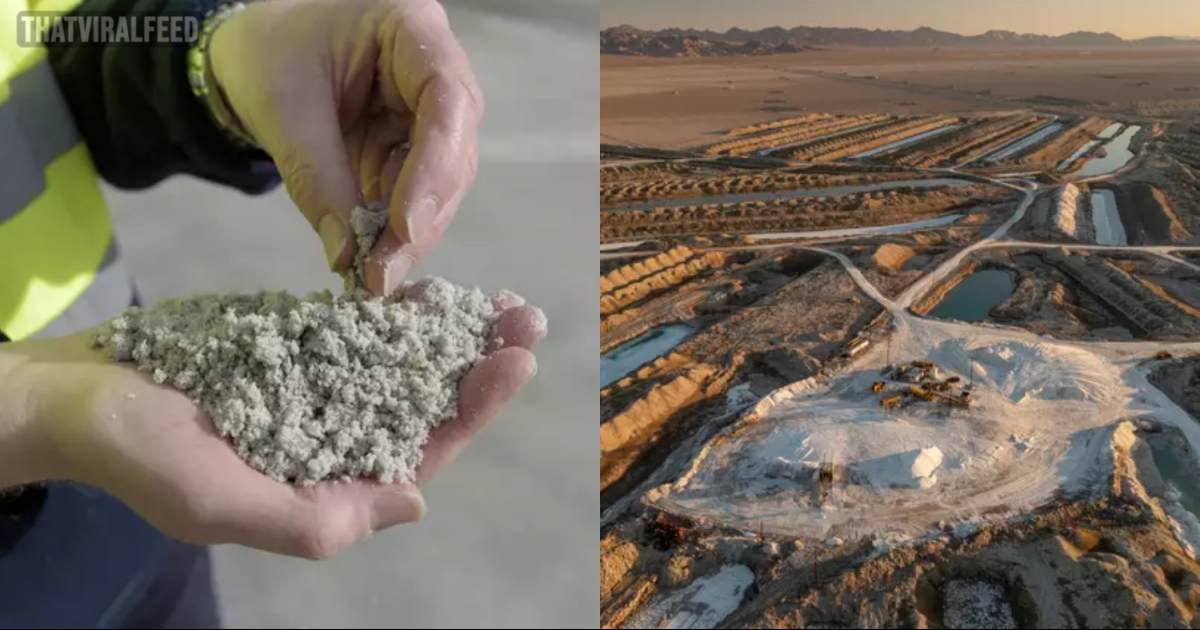
Reason Why Extracting $540 Billion Of White Gold Discovered Under Giant Lake Will Be Extremely Dangerous
By
Khadija Pervez in
News
On 9th December 2023
advertisement
Carla Gottgens/Bloomberg
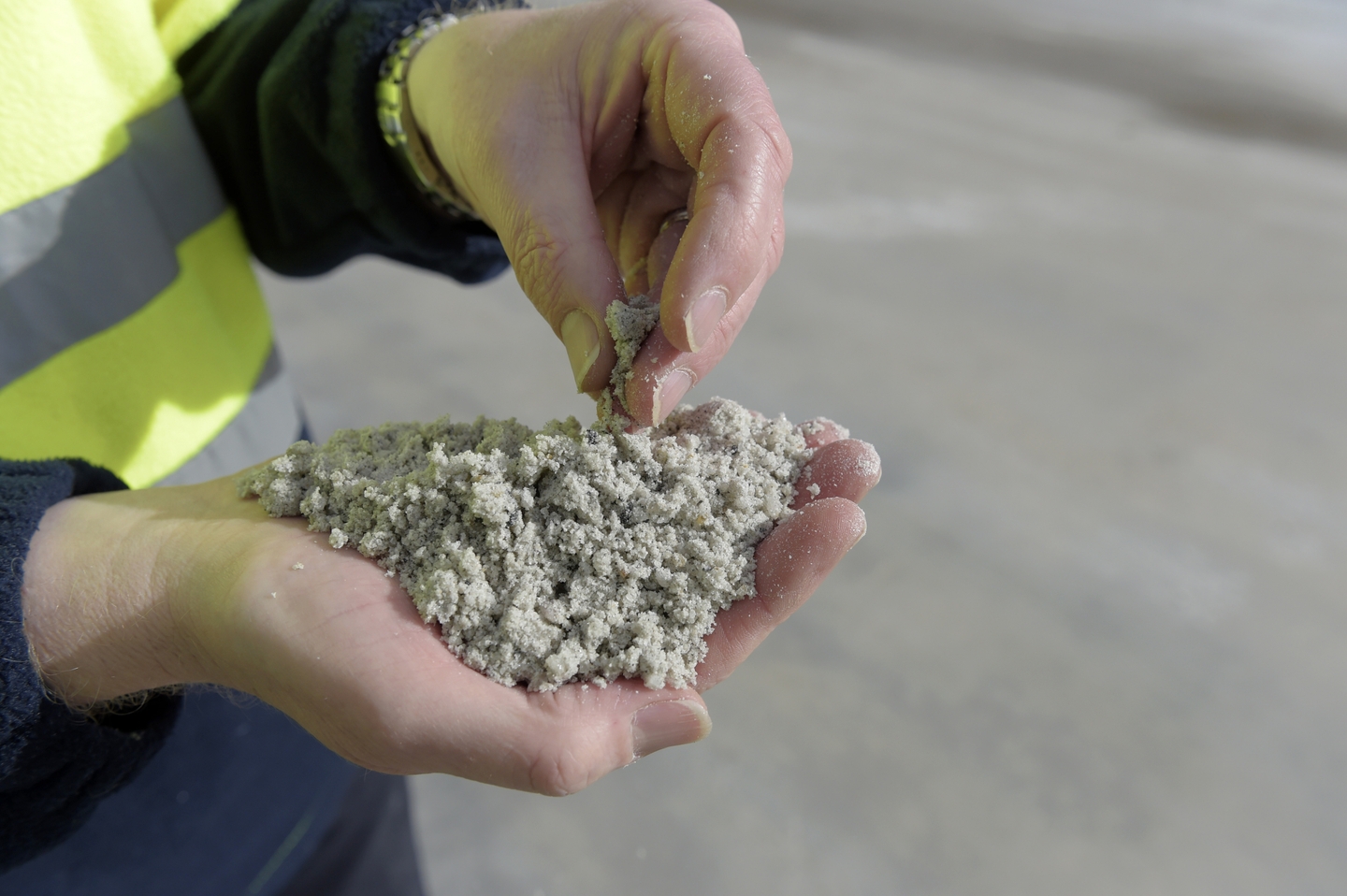
Not everyone is happy about finding $540 billion worth of 'white gold' under a California lake.
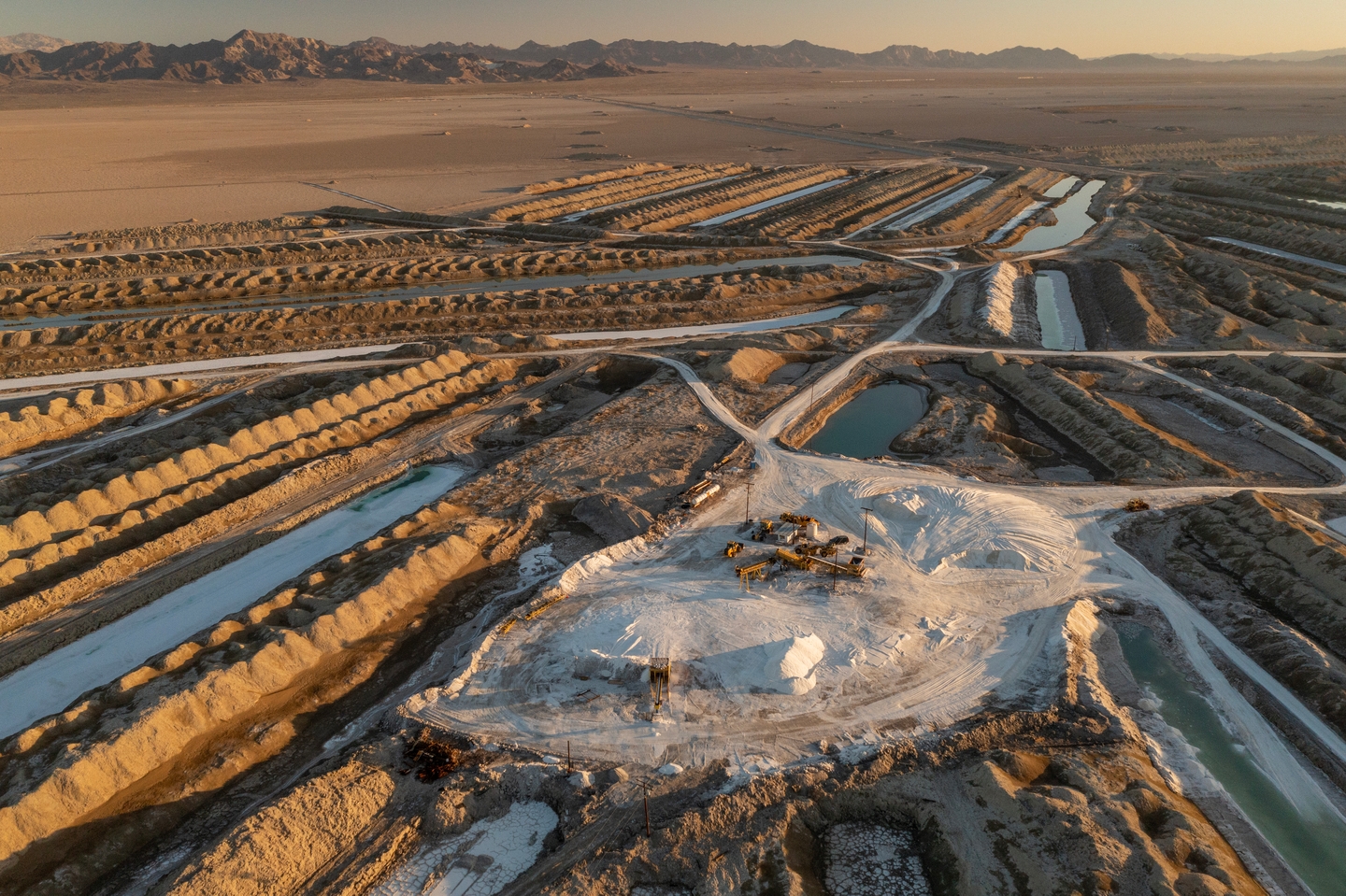
People already knew there was a lot of lithium under Salton Sea, but now, thanks to a new study, scientists can say exactly how much.
From the ongoing drilling, they've already confirmed four million tons of this chemical. And guess what? The total amount of lithium might be way more – a huge 18 million tons!
The value of this discovery is immense – up to $540 million. That's enough to power more than 380 million electric car batteries.
advertisement
David McNew/Getty Images
Considering the global shift towards electric vehicles and away from traditional petrol and diesel cars, some people are calling this discovery "huge" and very promising.
Sammy Roth, climate columnist for the Los Angeles Times, said on KJZZ radio's The Show: "They found that there's potentially enough lithium down there to supply batteries for 382 million electric vehicles, which is more, more vehicles than there are on the road in the United States today. So, if we could get all that lithium, that'd be huge."
But in might not be beneficial for everyone - those who live in the immediate vicinity in particular.
Getting lithium from 1,500 feet below the Earth's surface is quite a challenging job.
advertisement
RJ Sangosti/MediaNews Group/The Denver Post via Getty Images
To reach this 'white gold,' special wells, known as geothermal production wells, are used. These wells extract lithium-rich brine from thousands of feet below the Earth’s surface.
After the lithium is taken out of the brine, the remaining liquid is then pumped back underground. This process is how they recover the valuable lithium.
advertisement
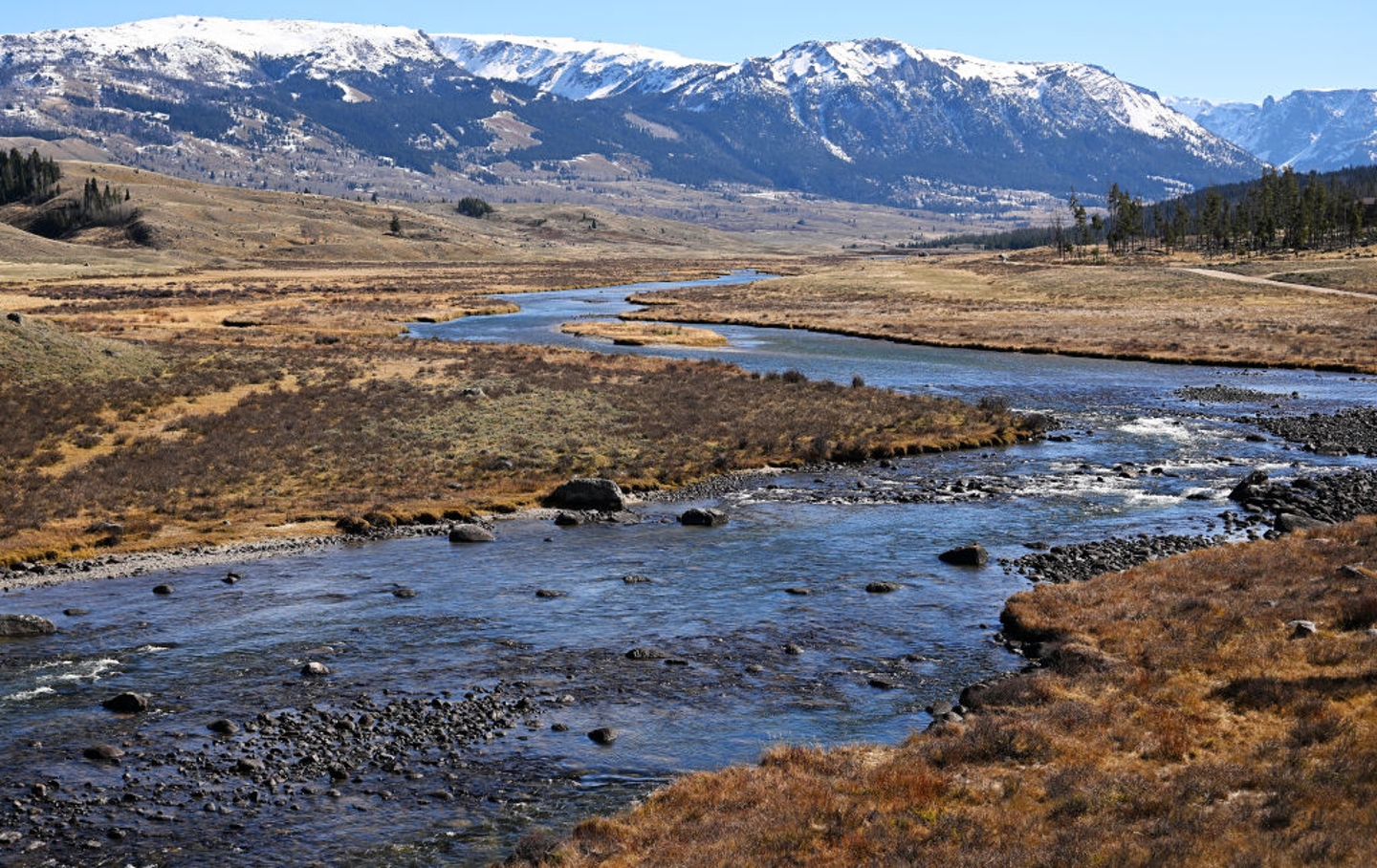
The Salton Sea gets water from the Colorado River, which is the main water source for the region.
This water comes from nearby farms through irrigation. One significant concern about lithium drilling is the impact it may have on the amount of water required from the river for the extraction process.
advertisement
Robert Schettler, a press information officer for the Imperial Irrigation District, couldn't provide confirmation about the exact amount of water needed when asked by SFGATE.
The water requirement for the lithium extraction process remains uncertain at this time.
advertisement
The Colorado River is crucial for the surrounding area as it serves as the main water supply and plays a significant role in supporting local agriculture.
In recent years, the river's water supply has been decreasing, and now, the lithium mining activities could exacerbate this issue.
advertisement
There are additional worries for the 180,000 residents living nearby.
Concerns include the potential negative impact of mining on the region's air quality.
Moreover, there is apprehension about the potential harm to Indigenous cultural sites due to the mining activities.