

Your teeth can lose their bright white color due to several factors
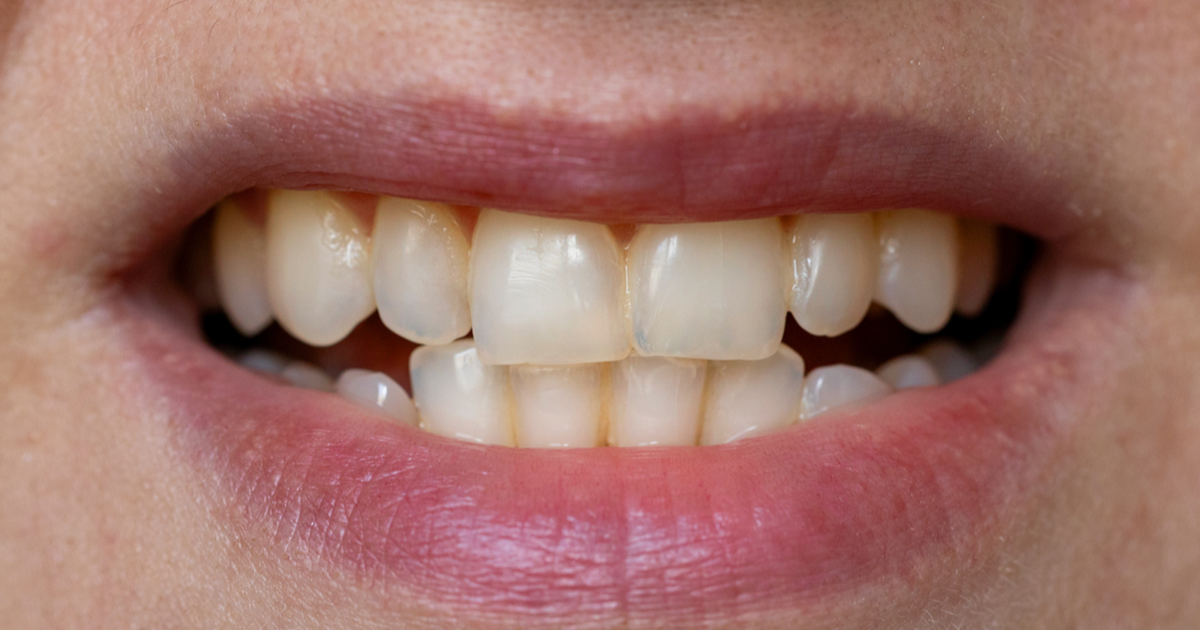
Dentist Explains Seven Common Reasons Your Teeth Turn Yellow And How To Prevent It
By
Johny in
Health and Fitness
On 3rd March 2025
advertisement
If you've noticed that your teeth aren’t as white as they used to be, there could be multiple reasons behind the discoloration. And who better to explain it than a dentist?
Most of us know that simply brushing twice a day isn’t enough to keep our teeth at their best. Maintaining good oral hygiene requires more than just brushing.
Regular flossing, using mouthwash, and even small habits like drinking through straws can help prevent staining. Paying attention to these details daily makes a big difference.
But what if you follow all the recommended dental care steps and still don’t see the bright, white teeth you want?
The team at Mawson Dental Care has identified seven common causes of yellowing teeth.
Understanding these reasons could help you take the right steps to improve your smile.
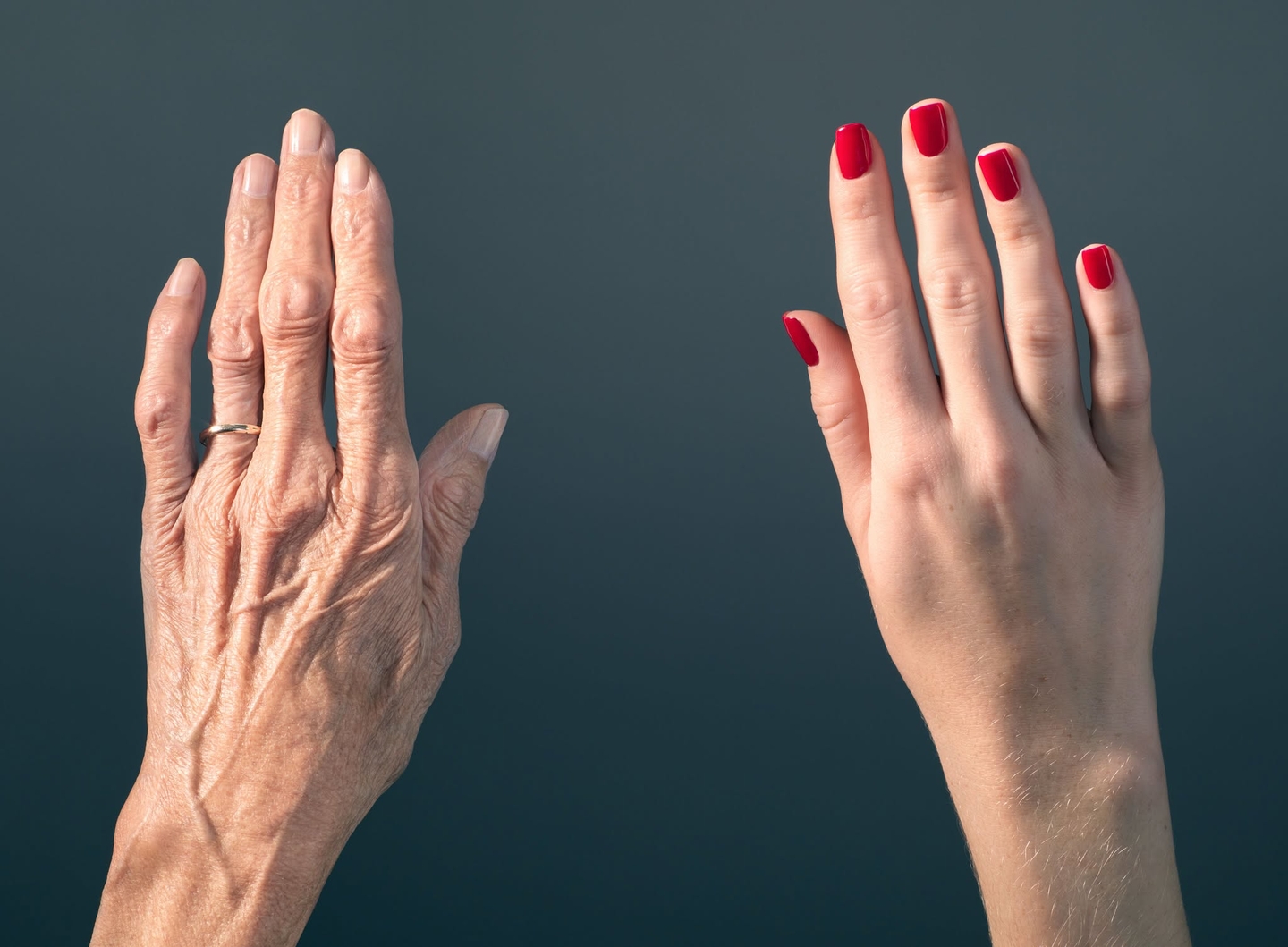
There are several things that can impact the color of your teeth
Getty Stock Images
advertisement
Aging
Unfortunately, aging affects more than just our skin and joints—our teeth also change over time.
As we get older, our enamel, which is the outer protective layer of our teeth, naturally wears down.
This exposes the dentin underneath, which has a pale yellow shade.
Since this is a natural process, it happens to everyone to some degree.

Smoking can discolor your teeth
Getty Stock Images
Smoking
Smoking is one of the biggest threats to keeping your teeth white. If you’re serious about avoiding discoloration, quitting nicotine is a must.
The tar, nicotine, and other chemicals in cigarettes don’t just leave surface stains—they penetrate deep into the enamel, sometimes turning teeth brown over time.
Giving up smoking won’t just improve your overall health—it can also prevent further staining and help maintain a brighter smile.

Don't forget to brush
Getty Stock Images
advertisement
Poor Oral Hygiene
Experts agree that if you don’t brush and floss properly, stains will form and stick to your teeth.
When food and drinks stain the surface of your teeth, it leads to what dentists call 'extrinsic tooth staining.'
This type of staining is quite common and can worsen over time if oral hygiene isn’t maintained.
Luckily, there’s an easy fix.
advertisement
The best way to combat staining is to brush and floss daily, without skipping a day.
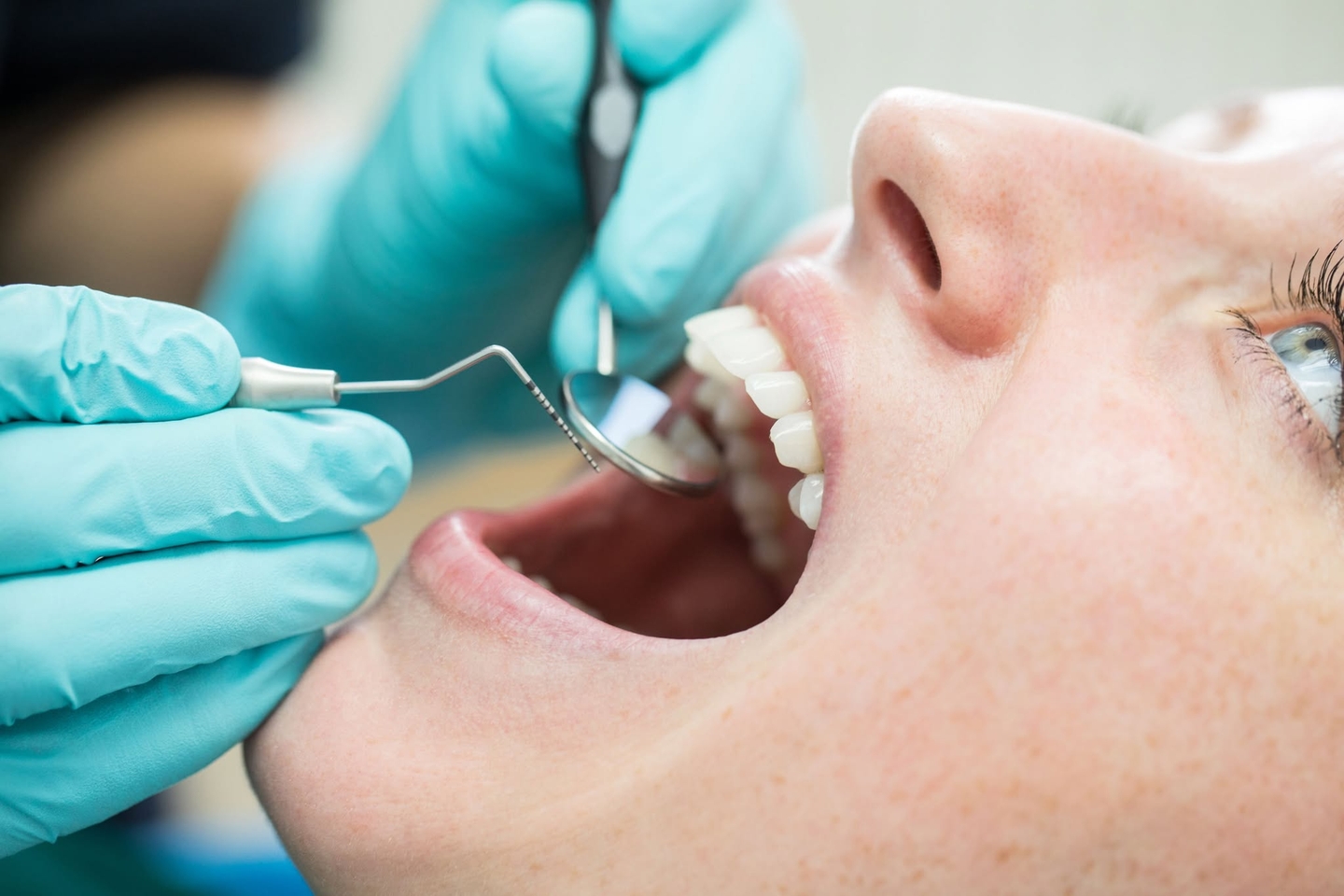
It can happen due to a procedure
Getty Stock Images
advertisement
Dental Procedures
Ironically, some dental treatments meant to restore your teeth can also contribute to discoloration.
Materials used in certain procedures, such as amalgam fillings, can cause a grayish-black tint over time.
While this might not be the outcome you were hoping for, these procedures are usually necessary for your dental health.

What meds are you taking?
Getty Stock Images
advertisement
Medication
Though it’s more common in children under eight while their teeth are still developing, certain medications can also cause discoloration in adults.
Some medicines may lead to yellowing, but the good news is that it’s not always permanent.
If your teeth have lost their whiteness due to medication, there are professional whitening treatments and natural remedies that could help restore them.
advertisement
One popular trend seen on social media is 'oil pulling,' which involves swishing coconut oil in the mouth for an extended period to remove stains.

Being sick could turn teeth yellow
Getty Stock Images
advertisement
Illness
Certain medical conditions can make the dentin more visible, which in turn makes your teeth appear more yellow.

It's in your DNA
Getty Stock Images
advertisement
Genetics
Unfortunately, for some people, yellow teeth are simply hereditary.
Genetics plays a role in determining the thickness of your enamel. If you were born with naturally thinner enamel, your teeth may appear more yellow.
Although enamel is essential for protecting teeth from damage, there aren’t many natural ways to change its color.
If you're looking for a long-term solution, cosmetic options like veneers or composite bonding could help brighten your smile.