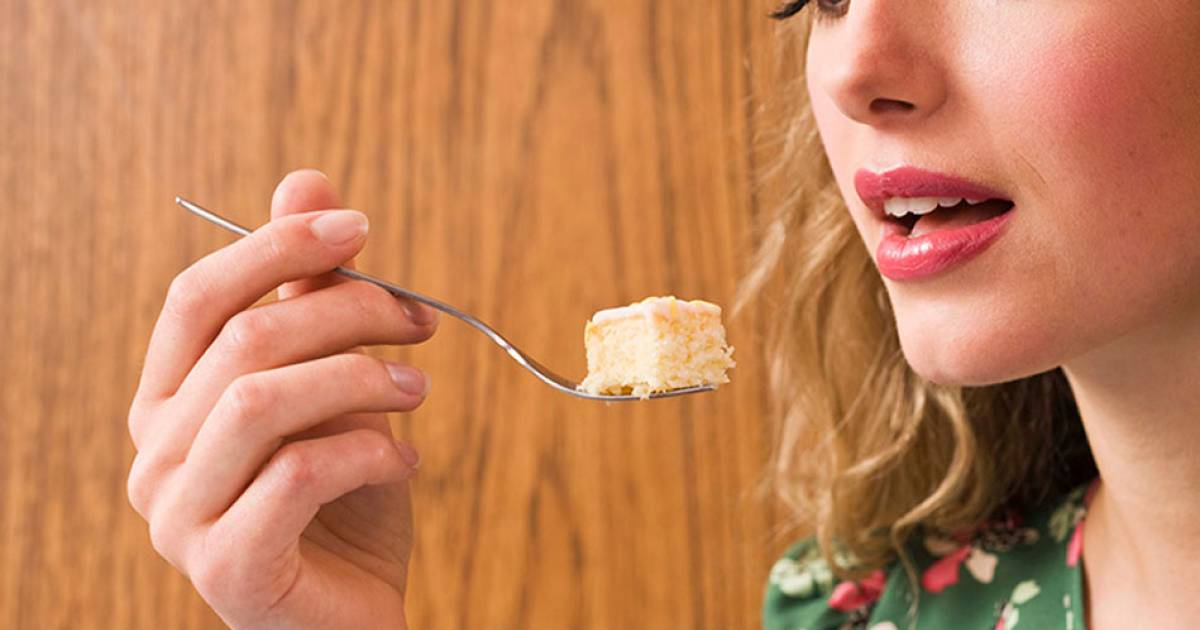
Reasons Why Tired People Tend To Eat More
Are you dragging through the day with lazy eyes, only to reach for a sugary or salty snack to give you an energy boost?
This lack of energy is one of the reasons why so many sleepy people tend to have unhealthy eating habits. If you find yourself lagging behind, here are three reasons why you will have the urge to consume more calories.
#1 Not getting enough sleep?
When you’re not getting enough sleep, you’re more likely to make poor food choices. And it’s not a coincidence. There are several reasons why tired people tend to eat more and end up gaining weight.
#2 The Grueling Cycle of Life
Once you get in the rut of running off little to no sleep, your body adjusts, making it more difficult to eat healthy.
If you stay up until all hours of the night, chances are, you may order a large cup of coffee the next morning instead of a smaller size. If you stay up late the next night, you may oversleep, and find you don’t have time to eat breakfast. You either make a pit stop at a drive-thru, or skip breakfast entirely.
These small habits lead to more unhealthy habits.
Before you know it, you are eating only one meal per day, and snacking on foods that are high in sugar and fat to give you energy to work your 12 hour shift. The bottom line is: you can’t let life get in the way of your health.
Not only does sleep directly affect our emotional and mental well-being, but it keeps us from getting sick and worn down.
A lack of sleep weakens our immune system, simply because our bodies are too tired to fight off the bad stuff, like viruses.
This is why sleep is so important for weight loss and for your overall health.
#3 No Z’s Leads to More Carbs
When your body is in sleep deprivation mode, you will naturally start craving more carbohydrates.
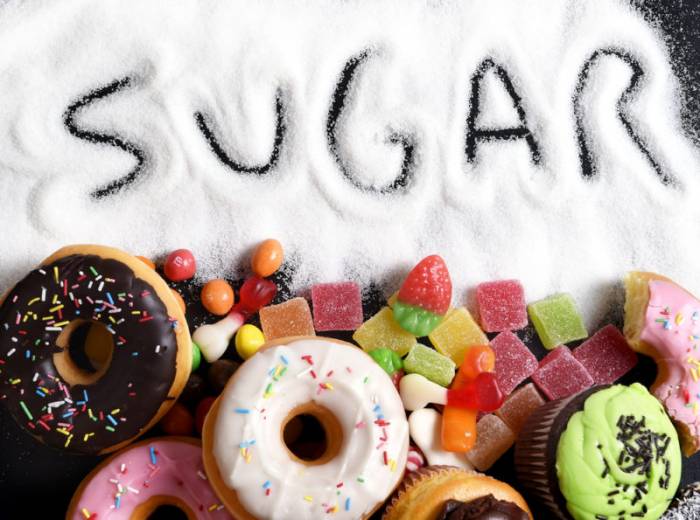
To get that instant kick of energy, most people will turn to foods with higher amounts of simple carbs (the bad carbs). These are foods like doughnuts, which usually contain a ton of sugar. These foods usually only give you a burst of energy that lasts 30-45 minutes, before you crash down hard.
A lack of sleep makes it difficult for your body to keep the hormones leptin and ghrelin in balance. Ghrelin stimulates appetite, while leptin suppresses it. Sleeplessness causes an imbalance in these hormones, causing your metabolism to slow down and your appetite to increase.
In a well-rested brain, these hormones are released in balance with each other to stimulate normal feelings of hunger. If you don’t get enough z’s, ghrelin levels go up and leptin levels go down, causing your food cravings to go into overdrive.
This makes you more likely to reach for the carbs, and less likely to reach for something healthier.
If you are sleepy during the day, and need a boost of energy, choose a high protein snack with a serving of good carbs. BistroMD has plenty of great options that can help you get through the day. To see some of the snacks we offer, visit our menu.
#4 A Sleepless Routine Leads To Weight Gain
Lack of sleep can lead to weight gain even if you’re eating a healthy diet. When you aren’t getting enough sleep, your body has a difficult time trying to balance your hormones, specifically ghrelin and leptin. Ghrelin stimulates your appetite and leptin suppresses it. When these hormones are unbalanced, your metabolism will slow down and your appetite will increase. This can cause you to gain weight.
One study showed that people who were sleep-deprived ate an average of 300 more calories per day. Another study found that people who only spent four hours in bed for five consecutive nights gained almost two pounds more than those who were in bed for about ten hours a night, over the course of a week.
#5
A new analysis of existing research found that not getting enough shuteye makes us eat more the following day ― nearly 400 calories more. And we tend to choose less healthy foods, too.
Over the long run those calories add up, according to Gerda Pot, the study’s author and a lecturer in the Diabetes & Nutritional Sciences Division at King’s College London.
“If long-term sleep deprivation continues to result in an increased calorie intake of this magnitude, it may contribute to weight gain,” Pot said. “And ultimately to obesity and [being] overweight.”
#6
There is also evidence that short nights of sleep cause the body to produce more ghrelin (the hormone that tells us we’re hungry) and less leptin (the hormone that helps regulate energy and food intake and tells you when you’re full). And not sleeping enough throws off our circadian rhythm ― our body’s internal clock ― which also helps regulate when we’re hungry and when we eat.
The researchers acknowledge that the 400 extra calories our overtired selves eat per day (according to this study) may even be an underestimate because they only looked at lab-controlled experiments. So this data may not account for other real-life factors that affect how much we eat after a poor night’s sleep (we’re looking at you impulse, mid-afternoon pick-me-up brownie).
#7
The bottom line: there’s likely several reasons we’re more likely to eat more when we’re overtired ― so it doesn’t hurt to pay extra attention to food choices if you know you’re not well rested. And feel good about catching all the Zs you need ― they could be helping prevent weight gain and obesity (and all the complications that come with both).
#8
“Calories are energy, and your brain subconsciously knows they will wake you up,” says Marie-Pierre St-Onge of Columbia University, lead investigator of the April study. She likens the superresponsive sleep-poor brain to that of someone who has lost weight on a drastic diet—devouring the first snack you can get your hands on is a “no-brainer.”
#9
Christian Benedict, a neuroscientist at Uppsala University in Sweden who co-led the March study, is also exploring whether sleep restriction could interfere with the way our brain perceives the taste of high-calorie foods.
Whatever the underlying biology, it seems that skimping on sleep could well make us hungry as well as irritable. So if you're watching your waistline and feeling snoozy, it's probably wise to avoid the breakfast buffet until you get a chance to nap.
#10
To put it simply: sleep deprived people tend to eat for pleasure, because they wantto, rather than because they need to. Average sleep times are falling, and with a growing body of evidence linking insufficient sleep to an increased risk of obesity, the tendency to binge eat when you're tired is a real health problem.