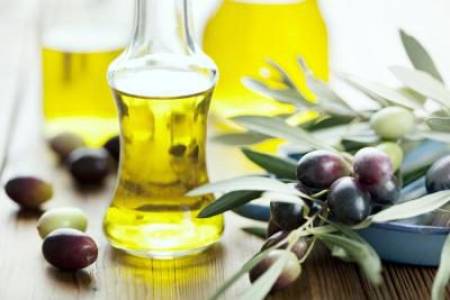
Find out about the incredible health benefits of this grocery store staple, and how to make sure you get the most out of it.

Reasons Why You Should Be Drinking Olive Oil Every Single Day
By
Editorial Staff in
Facts
On 30th April 2017
advertisement
#1 What Exactly Is Olive Oil?
Most of us use olive oil in our cooking every day, but do you know exactly where it comes from?
As the name suggests, it’s a byproduct of the olive fruit. The raw fruit is ground into paste and crushed. The thick, rich olive oil is what comes out.
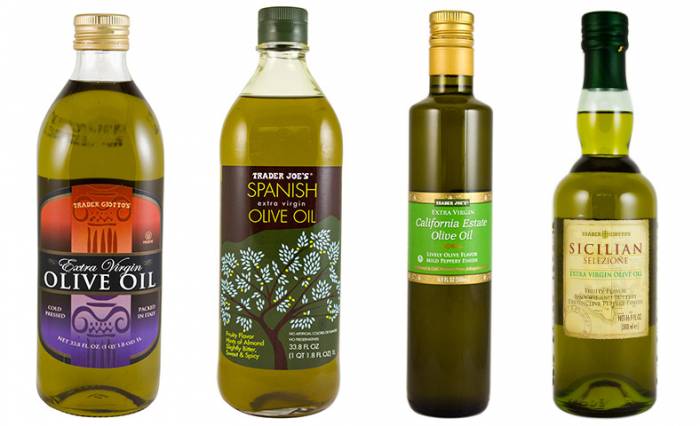
There are different kinds and qualities of olive oil, though the best quality is extra virgin olive oil, or EVOO.
#2 Reducing cancer risk
Olive leaves can play an essential role as part of a natural cancer treatment, as well as reducing the risk of developing the disease. This is due to its ability to stop the angiogenic process, which triggers tumor growth. The substance oleuropein delivers a potent antiangiogenic and antioxidant effect by preventing the reproduction and migration of advanced tumor cells.
Research conducted out of the University of Ioannina in Ioannina, Greece in 2009 found that the extract of olive leaves had high antioxidant potency that was able to inhibit cancer and endothelial cell reproduction. It was also able to slow the growth of cells linked to brain cancer, urinary bladder cancer and breast cancer.

advertisement
#3 EAT LIKE THE GREEKS TO PREVENT BREAST CANCER:
It is believed to protect against heart disease, Alzheimer's and depression and is hailed as the secret to a long, healthy life.
Now, researchers have found a Mediterranean diet can also help breast cancer at bay.
A study found eating the diet supplemented with extra virgin olive oil was associated with a 'relatively lower' risk of breast cancer.
Spanish women who followed the diet reduced their risk of the disease by 68 per cent, compared to women told to follow a low-fat diet.
The Mediterranean consists of plant-based foods such as vegetables, legumes, fruit, nuts, seeds and olives, lots of extra virgin olive oil, fish, and moderate red wine intake.
It also involves a low consumption of processed food, processed carbohydrates, sweets, chocolate and red meat.
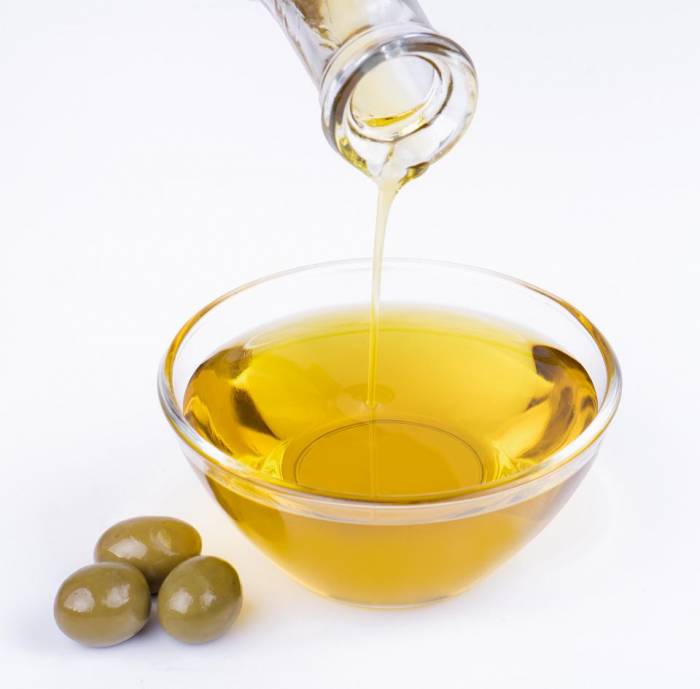
#4 Just smelling it might be good for your waistline.
A 2013 study conducted by the German Research Center for Food Chemistry indicates that even just smelling EVOO may lead to greater feelings of fullness: when the scent was added to foods via an aromatic extract, it lowered the number of calories consumed by study participants, and improved blood sugar response. Additionally, compared to other oils and fats, when EVOO was added to yogurt, the group that had eaten the yogurt enriched with olive oil showed the largest increases in blood levels of serotonin, a hormone associated with satiety.
advertisement
#5 Boosts Your BMs
It should come as no surprise that olive oil is great for your digestive system. Specifically, it’s great for moving things along, if you know what we mean.
If you have a tendency to be constipated, swallowing a spoonful of olive oil every day (and making sure you’re getting enough water) will make a huge difference.
The oil lubricates your digestive tract and your BM’s, making things move more smoothly.
This can be especially helpful if you’ve been constipated for a few days and need an all-natural kickstart to unblock your colon.
However, avoid taking more than a spoonful, as this can cause loose, watery stools.
advertisement
#6 Fighting off “superbugs”
As you may already know, antibiotics that were once highly effective become ineffective as bacteria mutate and develop a resistance to them. Some bacterial strains, such as MRSA, have become a huge problem in hospitals where they’ve become antibiotic-resistant, earning them the name “superbugs,” and they can be lethal.
The good news is that bacteria can’t become resistant to natural antibacterial substances as they’re generally made up of a number of complex substances which all work together to produce wanted results and simple bacteria cannot mutate around them. Olive leaves have been able to resist bacterial attacks for thousands of years.
One of the most important benefits of olive leaves is its ability to battle infection, including pneumonia, hepatitis B, meningitis, malaria, tuberculosis, candida, and gonorrhoea. The leaves are even known to fight ear infections, urinary tract, and dental infections.
Research conducted in 2003 found that the extracts of olive leaves offer antimicrobial properties that effectively battle fungi and bacteria. In fact, they were able to kill nearly all bacteria tested, such as candida albicans, Escherichia coli cells, and dermatophytes.
advertisement
#7 Weight Loss
An olive oil-enriched diet may facilitate weight loss. A study by Mary M. Flynn and Steven E. Reinert published in the June 2010 issue of “Journal of Women’s Health” studied two groups of women on diets. One group was on a low-fat diet and the other group was on an olive oil-enriched diet. In the olive oil group, 80 percent of participants had a weight loss of at least 5 percent. In the low-fat diet group, only 31 percent of participants had a weight loss of 5 percent. The researchers concluded that a supplement of olive oil to a regularly balanced diet brought about a greater weight loss than the low-fat diet.
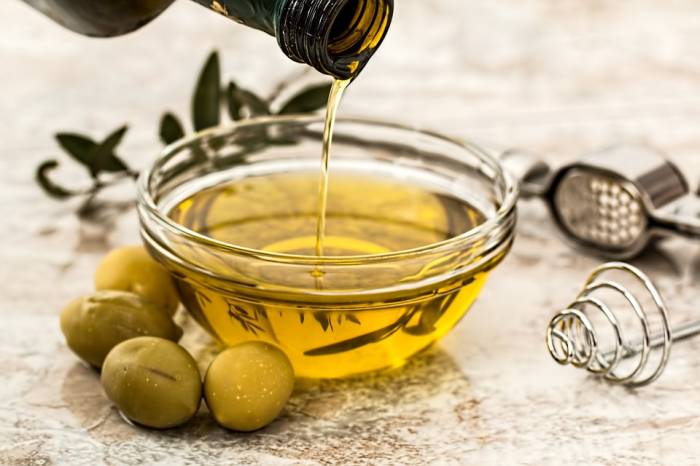
Since food preparations vary and olive oil is not always needed, drinking olive oil is one way to ensure that you get your daily olive oil enrichment. Drinking at least 1 tablespoon of olive oil lets you measure exactly how much you consume each day.
advertisement
#8 Skin, Nail, And Hair Health
Looking for healthier and happier skin, nails, and hair? Look no further than your grocery shelf.
Olive oil contains lots of vitamin E, which is an important micronutrient for helping your hair, skin, and nails retain moisture and stay glossy and healthy.
You can reap the benefits by taking olive oil by the spoonful, or get to the root of the problem and apply olive oil in place of face and hand cream. Additionally, you can use it as a hair mask.
advertisement
#9 Use it to clear acne.
It might sound a bit wonky, but many folks swear this works: Make a paste by mixing 4 tablespoons salt with 3 tablespoons olive oil. Pour the mixture onto your hands and fingers and work it around your face. Leave it on for a minute or two, then rinse it off with warm, soapy water. Apply daily for one week, then cut back to two or three times weekly. You should see a noticeable improvement in your condition. (The principle is that the salt cleanses the pores by exfoliation, while the olive oil restores the skin’s natural moisture.)
advertisement
#10 Olive oil can expire.
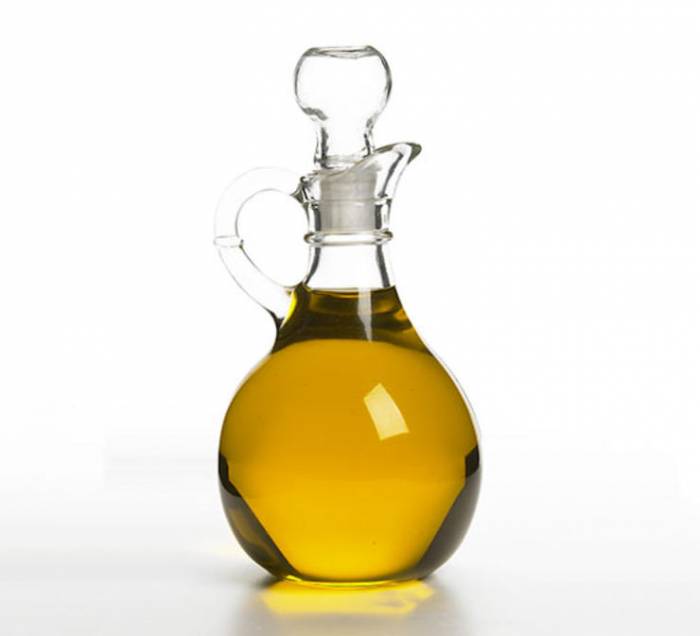
Bright supermarkets can speed up the oxidation process if the oil sits there for too long, and it can go rancid. As long as it’s stored away from heat and light, however, an unopened bottle of good quality olive oil should last for up to two years from its bottling date. Once you open it, you should use it all in a few months.
advertisement
#11 Boosting the immune system
Thanks to its antiviral properties, olive leaves may not only treat dangerous viruses, but it might even be able to help fight off the common cold. Studies have shown that the extracts of olive leaves can battle a host of disease-causing microbes, including some viruses that are known to cause respiratory infections and the flu.
Powerful substances that are found in olive leaves work by destroying organisms that invade the body, preventing viruses from replicating and causing an infection. In 2003, a study out of the New York University School of Medicine, even found that treating patients with olive leaf extract was able to reverse many HIV-1 infection-associated changes.
advertisement
#12 Pain Relief
Oleocanthal, a compound in extra virgin olive oil, suppresses pain pathways much like the pain reliever Ibuprofen, according to a report in the September 2005 issue of the "British Journal of Medicine." Fifty grams of olive oil is equivalent to 10 percent of the recommended daily dose of Ibuprofen, notes the journal.
#13 Considerations
Drinking olive oil might pose a health risk to some individuals. It's high in vitamin E, and drinking large amounts of olive oil might cause an accidental vitamin E overdose, which in turn impairs your ability to form blood clots. Olive oil also contains 120 calories per tablespoon, so the calories add up quickly when you're drinking it.
If you're finding it difficult to drink olive oil, try adding a tablespoon to a homemade fruit smoothie. Alternatively, drizzling soups and salads with olive oil boosts your intake without the need for drinking it directly.