

A section of County Road B in Dodge County, Minnesota, nicknamed "Cancer Road," has witnessed a concerning number of cancer cases over 40 years, possibly linked to water contamination. This situation has raised calls for increased awareness and regulation.
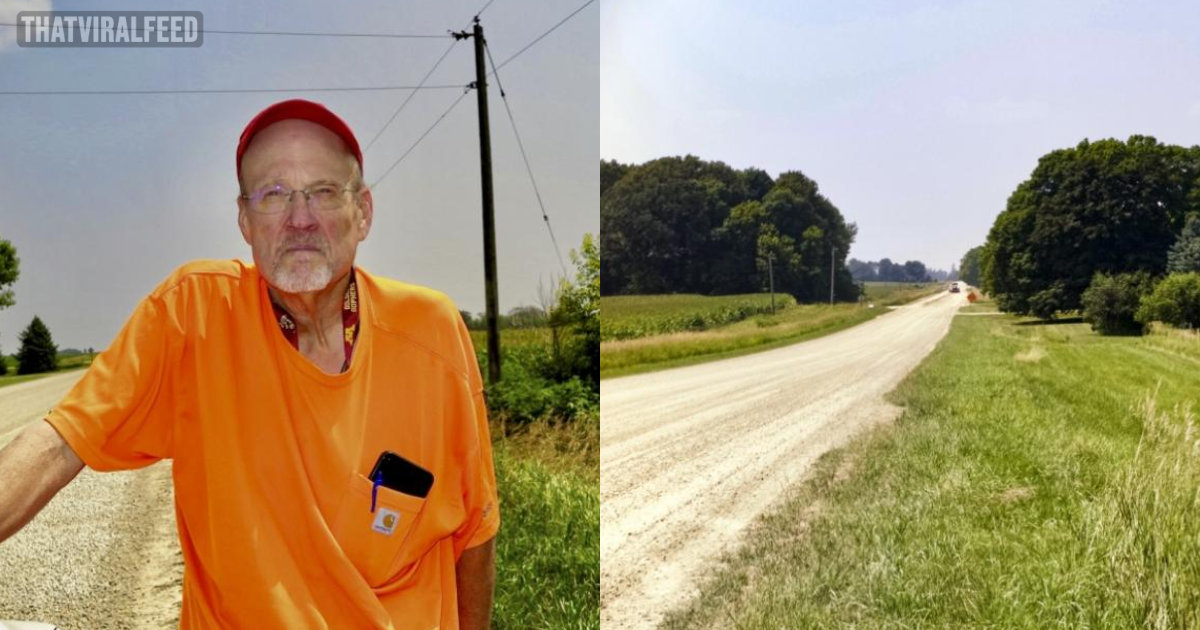
Residents On 'Cancer Road' Concerned As Every Family There Has Suffered From Cancer
By
Haider Ali in
Health and Fitness
On 28th September 2023
advertisement
A rural county road has abnormally high cancer rates among the locals.
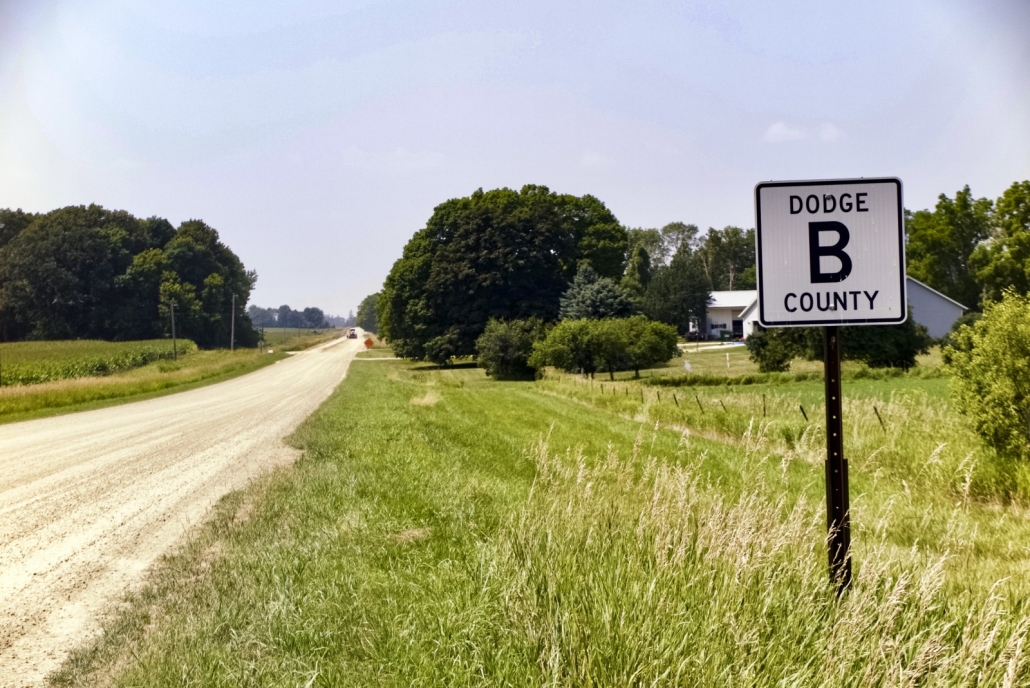
Keith Schneider / Circle of Blue
In Dodge County, Minnesota, a two-mile section of County Road B has earned a reputation for having many sick people living there.
According to sources, 15 people have received various cancer and tumor diagnoses throughout the course of the last 40 years, with seven of them passing away as a result.
As a result, the neighborhood has earned its name, "Cancer Road."
advertisement
One of those impacted, Brian Bennerotte, told the Daily Mail that he had a big cancerous tumor around his heart that was "the size of a basketball."
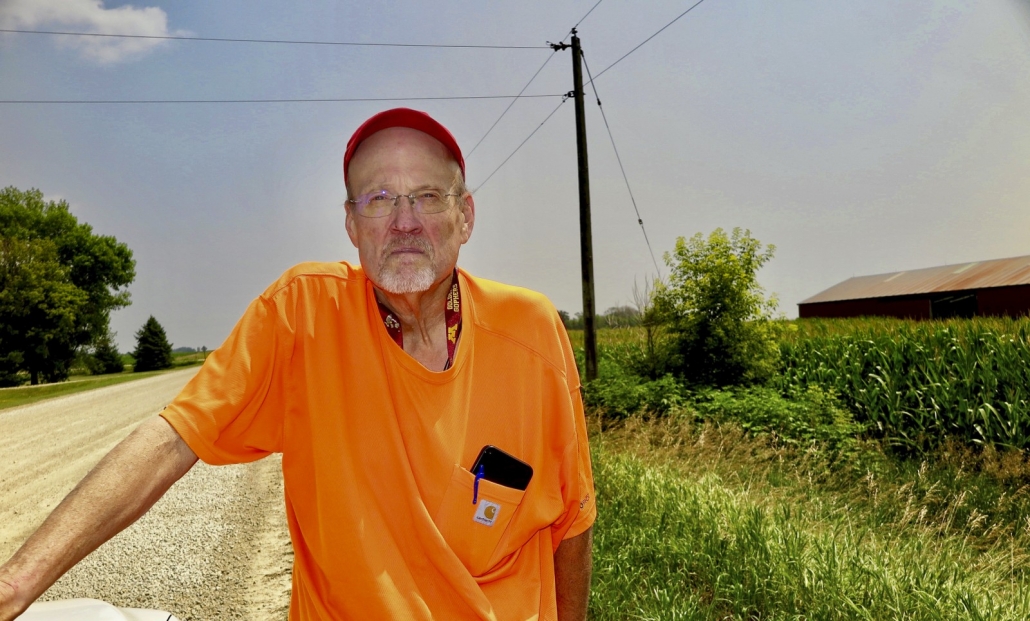
Keith Schneider / Circle of Blue
The truck driver claims 'every family along here was affected'.
"We think this was caused by the drinking water and then the nitrates in the water," the 60-year-old told the outlet. "That is our feeling of what caused this spiral in cancer cases.”
"There is cancer in every family."
advertisement
It is believed that commercial farm fertilizers have contaminated the water supply, increasing the rate of cancer in the region.
However, despite their claims that it isn't any higher than the rest of the county, testing conducted by local authorities has actually discovered high levels of nitrates in the water.
advertisement
Not only Mr. Bennerotte, but also his father, three brothers, and one of their wives, have all passed away from cancer.
His other brother Stuart and sister Myrna have also been given the diagnosis.
advertisement
Mr. Bennerotte claims that he has experienced a wide range of other illnesses as a result of his cancer.
"I have had numerous medical emergencies since then," he said. "Tomorrow, for example, I am going to the Mayo Clinic for a heart valve replacement.”
advertisement
"The cancer has weakened my immune system, my lung capacity, and my heart.”
"Everything is more difficult to do. As far as walking and catching my breath, there are numerous issues. Getting around can be a chore from time to time and the older I get, the worse it seems to be getting."
advertisement
However, he is not alone; Scott Glarner, who grew up traveling, claims that his family has also been affected over time. Scott's mother LaVonne was afflicted with breast cancer in the middle of the 1970s when she was only 35 years old, and she passed away shortly after.
In 2006, Scott was also given a non-Hodgkin lymphoma diagnosis.
advertisement
Mr. Bennerotte is currently advocating for a reduction in the current legal limit for nitrates in water, which is 10 parts per million.
The director of Clean Wisconsin's science program is Paul Mathewson.
advertisement
He expressed his concern that there were so many cancer cases in the little area of Minnesota.
Agreeing with Mr Bennerotte, he said: "In the past decade or so there’s been a lot of new research making a strong, compelling case that even at nitrate levels that are much lower than 10 parts per million you’re seeing these increased risks.”
"There needs to be greater awareness. The science is out there."