

There’s actually a pretty solid reason why we keep doing this to ourselves...
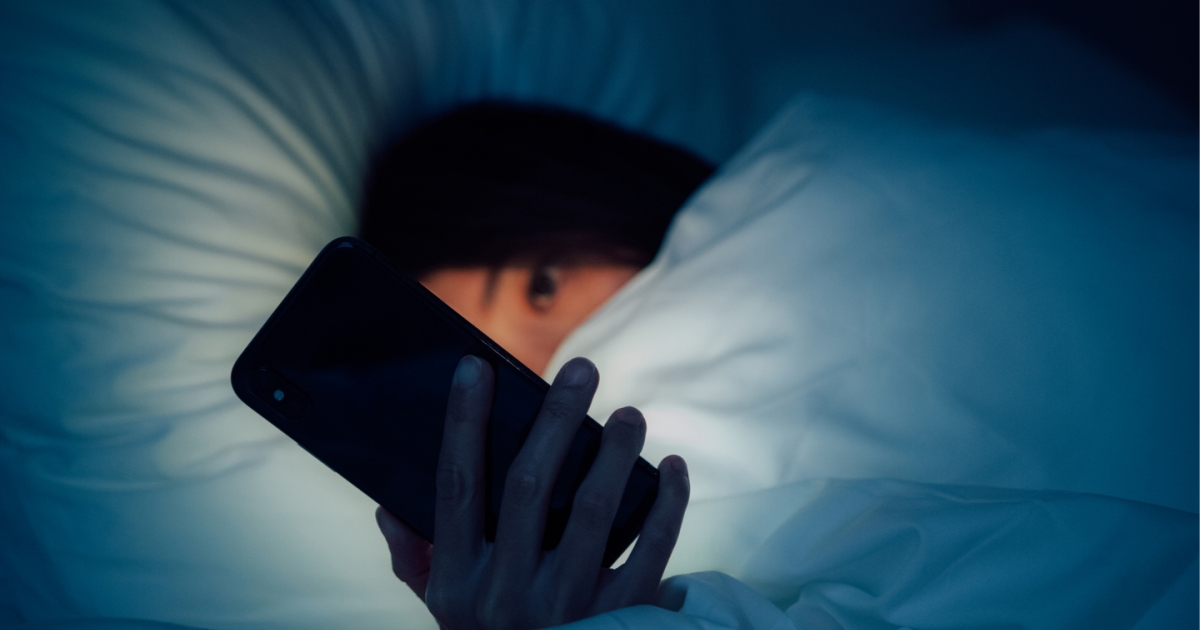
Scientist Breaks Down Why You Keep Staying Up Late Even When You're Exhausted
By
Johny in
Health and Fitness
On 21st July 2025
advertisement
We’ve all been there. You’re drained, your eyes are heavy, and your body’s begging for rest—yet, for some reason, you’re still glued to your phone screen, endlessly scrolling.
Even though you know how badly you need sleep, it’s like you just can’t convince yourself to put the phone down and close your eyes.
By now, we’re all aware that skipping sleep can seriously affect your health, whether it’s short-term tiredness or long-term problems. And still, night after night, we push bedtime further and further back.
This nightly ritual isn’t unique—it’s actually so common it has a name: ‘revenge bedtime procrastination.’ And more than half of Americans admit they’ve done it.
A recent survey by Amerisleep.com shows that 56 percent of people in the U.S. say they don’t get enough time to themselves during the day. So, they end up staying up late even when they’re running on empty.
This trend is even more noticeable among younger folks. About 59 percent of Gen Z and millennials say they put off sleep just to feel like they’ve got some control over their day.
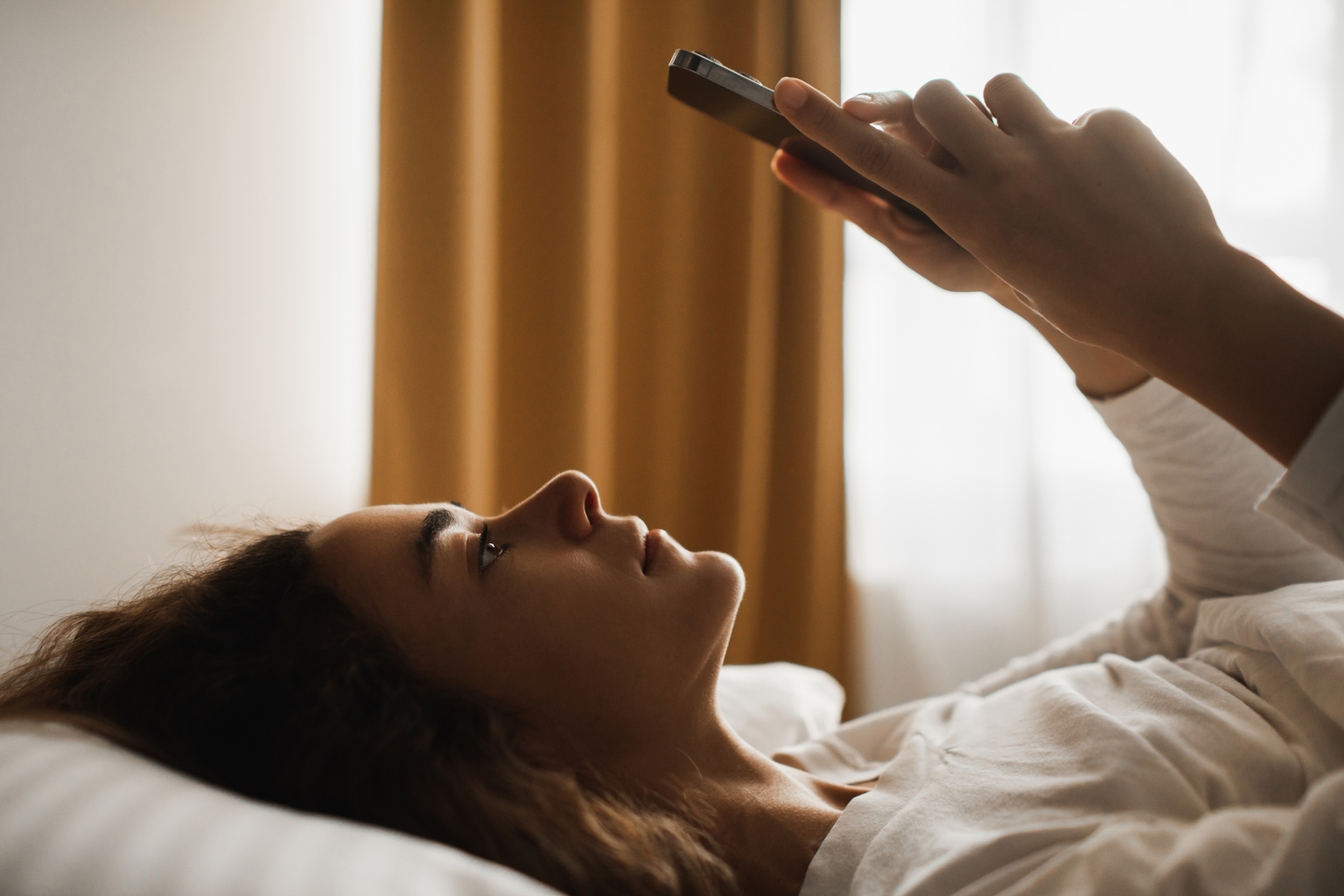
There's a reason we fight our heavy eyelids with scrolling...
Oleg Breslavtsev/Getty Images
advertisement
To make things worse, many Americans are barely getting by on the minimum recommended sleep. On weekdays, they’re only averaging around seven hours per night.
Half of the people surveyed say they’re spending that bedtime window scrolling on their phones. And no surprise—apps like TikTok and Instagram are the main time traps.
This growing habit has some real consequences too. People who sleep less than six hours a night are 41 percent more likely to say they feel burned out.
Experts say this bedtime behavior is starting to take a real toll, leading to exhaustion, mood issues, and drops in productivity.
Rosie Osmun, a sleep science coach with Amerisleep.com, says revenge bedtime procrastination isn’t just a bad habit anymore—it’s turning into a kind of emotional escape mechanism.
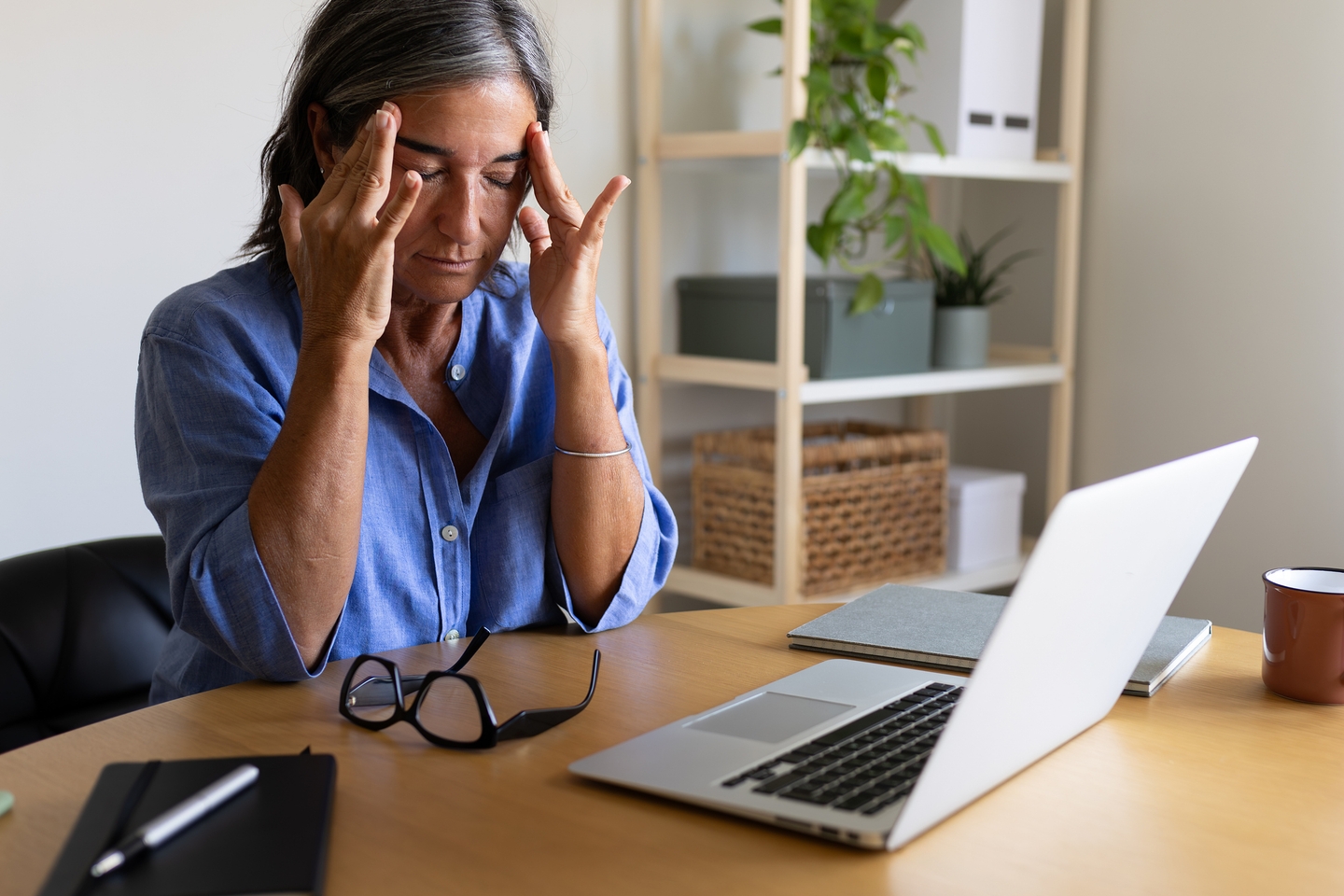
A lack of sleep can impact every aspect of our lives
Daniel de la Hoz/Getty Images
advertisement
"Many people aren't choosing to stay up late because they want to be tired; they're actually doing it because it's the only time they feel like themselves," Osmun shares. "But night after night, that choice can quietly unravel their well-being."
"People want autonomy, creativity, and peace. When they don't get it in their waking hours, they steal it back from their sleep," Osmun adds.
advertisement
How to stop 'revenge bedtime procrastination'
Staying up late to scroll through your feed might feel like you're getting back some control over your day, but it’s actually doing more harm than good. The good news? There are a few easy ways to start breaking that habit.
One helpful trick is setting a ‘wind-down’ alarm—just like a reminder to start getting ready for bed and step away from screens.
It also helps to cut down on screen time at least an hour before bed. Avoid apps that suck you into endless scrolling, and try switching on blue light filters or using night mode if you really need to check something.

Reclaim your 'me-time' for a better night's sleep
SolStock/Getty Images
advertisement
Instead of pushing your alone time to the end of the night, shift it earlier. Maybe during your commute home or sometime after dinner is a good window to unwind.
Try keeping track of your bedtime habits too. It’ll help you spot just how often you’re staying up later than you should.
Another tip that works for a lot of people is to build a little morning routine—something simple like a quiet coffee, a short walk, or journaling before your day starts.
advertisement
Having something small to enjoy in the morning makes heading to bed on time feel a lot more worth it.
And in the end, Osmun stresses that we need to treat sleep as something essential—something you make time for—not just something you “earn” after a long day.